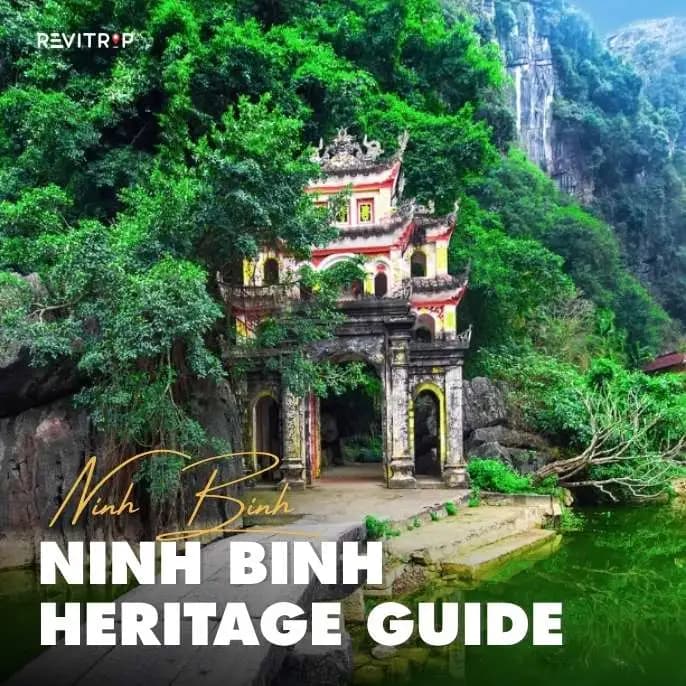
Ninh Binh Heritage Guide: Cradle of Vietnamese Civilization
Most travelers visit Ninh Binh for its scenery. However, this scenery actually made history possible. Indeed, these limestone karsts once served as natural fortresses. Consequently, Vietnam’s first independent kings used them for defense. Furthermore, local rivers supplied and protected an entire imperial capital. Therefore, Ninh Binh is not just a beautiful place. Rather, it is where Vietnamese civilization first stood independently. This Ninh Binh Heritage Guide covers its historical layers from prehistoric settlement through imperial capital to UNESCO recognition. Therefore, showing exactly how to experience each one.
Why Ninh Binh Is the Cradle of Vietnamese Civilization
The claim is not hyperbole. It is historical fact rooted in two specific realities.
First, human beings have lived in this karst landscape for at least 30,000 years. Archaeological excavations within the Trang An cave system, the largest in Southeast Asia, have uncovered evidence of prehistoric habitation dating back to the Upper Paleolithic period. Hunters and gatherers sheltered in these caves when sea levels were dramatically different and the Gulf of Tonkin looked nothing like it does today. Consequently, Ninh Binh holds one of the longest continuous records of human presence in all of mainland Southeast Asia.
Second, in 968 AD, a buffalo herder named Dinh Bo Linh united twelve warring feudal lords. He expelled centuries of Chinese occupation, and founded Vietnam’s first independent unified state, Dai Co Viet. He chose Hoa Lu, in what is now Ninh Binh, as his capital. This single act ended over a thousand years of foreign domination and established the foundations of the Vietnamese nation.
In 2014, UNESCO recognised the Trang An Landscape Complex as a World Heritage Site under both natural and cultural criteria. Making it an extremely rare dual designation held by only 39 sites worldwide. This recognition placed Ninh Binh among the most significant heritage landscapes in the world. Our Ninh Binh destination guide covers the full picture of what the province offers travelers beyond the heritage focus.
The Heritage Layers of Ninh Binh
Understanding Ninh Binh’s heritage requires separating its distinct historical layers. Each one enriches the next.
| Heritage Layer | Period | Key Sites |
|---|---|---|
| Prehistoric | 30,000 years ago to 1st century AD | Trang An caves, archaeological sites |
| Imperial Capital | 968 – 1010 AD | Hoa Lu Ancient Capital, Dinh and Le temples |
| Buddhist Heritage | 10th century to present | Bai Dinh Pagoda, Bich Dong Pagoda, Nhat Tru Pagoda |
| Royal Spiritual Tradition | 10th – 14th century | Thai Vi Temple, Hoa Lu Four Guardian Temples |
| UNESCO Landscape | 2014 to present | Trang An Scenic Complex (natural and cultural) |
| Living Intangible Heritage | Ongoing | Pho-making tradition, Van Cu village, Hoa Lu Festival |
Layer 1: The Prehistoric Foundation
The Trang An cave system is where Ninh Binh’s heritage story begins. Within these limestone caves, archaeologists have identified evidence of human habitation dating back approximately 30,000 years. During different periods of sea level change, the cave inhabitants adapted their diet. From terrestrial animals to marine shellfish and back again, they leave behind an extraordinary stratigraphic record of human adaptability over millennia.
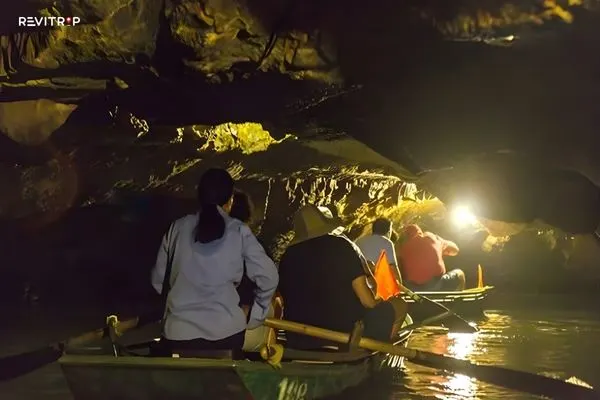
This prehistoric significance is embedded within the same UNESCO site that visitors experience as a scenic boat tour today. The caves along the Trang An route are not merely beautiful rock formations. They are ancient shelters, seasonal camps, and ritual spaces that witnessed the earliest ancestors of the Vietnamese people navigating a world of dramatic environmental change. Visiting Trang An with this context transforms the experience from a pleasant cave tour into something with genuine historical weight.
Layer 2: The Imperial Capital – Hoa Lu Ancient Capital
In 968 AD, Dinh Bo Linh became the first emperor of a unified, independent Vietnam after ending over a thousand years of Chinese domination. He named his country Dai Co Viet and established its capital at Hoa Lu. This is strategically positioned within a natural fortress of limestone mountains and river systems.
The original citadel covered approximately 300 hectares and included royal palaces, temples, and administrative buildings. In 981, the Early Le Dynasty succeeded the Dinh. With King Le Hoan expanded the capital’s religious infrastructure and successfully defended against Song Dynasty invasions from China. Hoa Lu served as the nation’s capital for 42 years until 1010, when King Ly Thai To moved the court northward to Thang Long, present-day Hanoi.
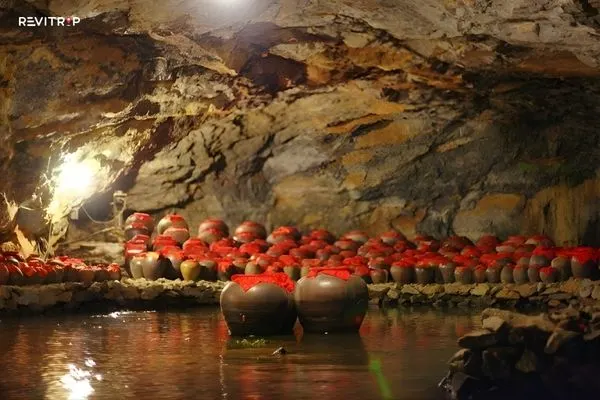
Today, Hoa Lu Ancient Capital preserves the two most important temples of this period: the Temple of King Dinh Tien Hoang and the Temple of King Le Dai Hanh. Both sit within the original citadel area, surrounded by the same limestone mountains that made Hoa Lu so strategically valuable over a thousand years ago. The entrance fee of 20,000 VND per person is the most remarkable value in northern Vietnam’s heritage landscape.
I visited Hoa Lu on a quiet Tuesday morning in October. The temples were largely empty of tourists. Standing in the main courtyard of King Dinh’s temple, the sense of historical depth was genuinely palpable. This is not a reconstructed heritage park. It is an active sacred site where incense burns daily and local families come to pay their respects to a king who gave Vietnam its independence.
Layer 3: Buddhist Heritage
Ninh Binh’s Buddhist heritage spans over a thousand years and encompasses some of Vietnam’s most architecturally significant pagodas. Furthermore, this layer connects directly to the imperial capital period, since Buddhism was the state religion of both the Dinh and Early Le dynasties.
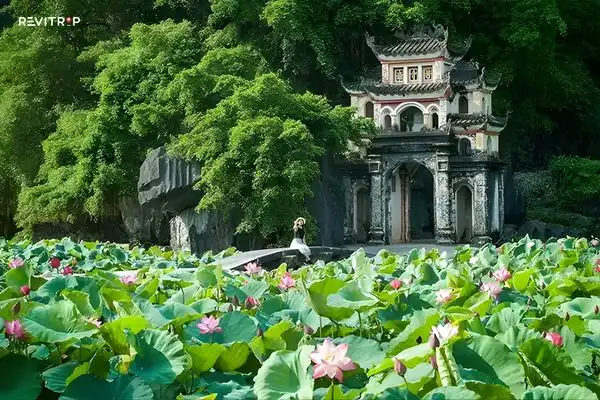
Bich Dong Pagoda represents the most intimate expression of this heritage. Built into a limestone mountain near Tam Coc in the 15th century, it comprises three separate pagoda levels embedded within cave chambers at different heights. The lower pagoda sits at the mountain base. The middle level opens onto a natural cave interior. The upper pagoda crowns the summit with views across the rice paddies. The free entrance makes it one of the most accessible heritage experiences in the province.
Bai Dinh Pagoda represents the opposite scale entirely. Southeast Asia’s largest Buddhist complex covers 700 hectares and includes the continent’s largest bronze bell, a 500-meter corridor lined with 500 Arhat statues, and a 10-story tower housing a 100-ton bronze Buddha. The new complex opened in 2010, but the old Bai Dinh Pagoda nearby dates to the 11th century and was the site where King Dinh Tien Hoang himself worshipped. Together, old and new Bai Dinh span a thousand years of unbroken Buddhist practice at the same mountain.
Nhat Tru Pagoda within the Hoa Lu complex is among the oldest standing religious structures in Vietnam. Built in the 10th century under Emperor Le Dai Hanh, it contains a stone pillar inscribed with Buddhist sutras that represents one of the most significant surviving artifacts from the imperial period. Notably, it remains an active place of worship rather than a museum exhibit.
Layer 4: The Royal Spiritual Tradition
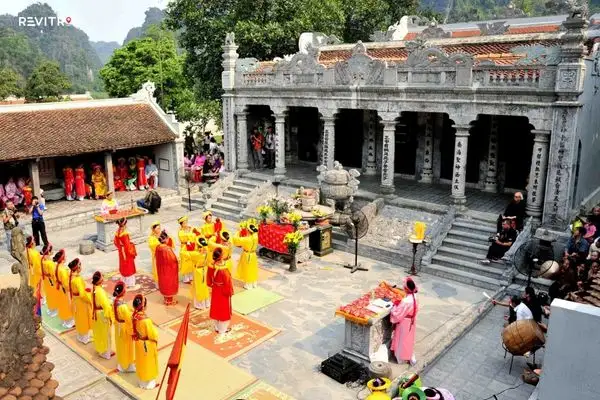
Beyond the main temples, Hoa Lu’s spiritual heritage extends across the four points of the compass through the tradition known as Hoa Lu Tu Tran, the Four Guardian Temples. Quy Minh Temple to the south. Nguyen Temple to the north. Thien Ton Temple to the east. And, Cao Son Temple to the west. Together, they form a spiritual protection system around the ancient capital.
Thai Vi Temple, within the Trang An complex, honors Tran generals who repelled three Mongol invasions in the 13th century. It sits on an island within the wetland landscape and serves as one of the sacred stops on the Trang An boat route. The temple’s position within the UNESCO complex means most visitors pass it on their boat tour without fully understanding its significance as a site of genuine historical resistance and national pride.
Layer 5: The UNESCO Trang An Landscape Complex
In 2014, UNESCO inscribed the Trang An Scenic Landscape Complex as a World Heritage Site under both natural and cultural criteria. This dual inscription places Ninh Binh in extraordinarily rare company globally. The cultural criteria recognize the prehistoric archaeological evidence within the caves, the royal capital at Hoa Lu, and the Buddhist heritage of the pagodas within the complex. The natural criteria recognize the exceptional karst geomorphology and the intact ecosystem of the wetlands.
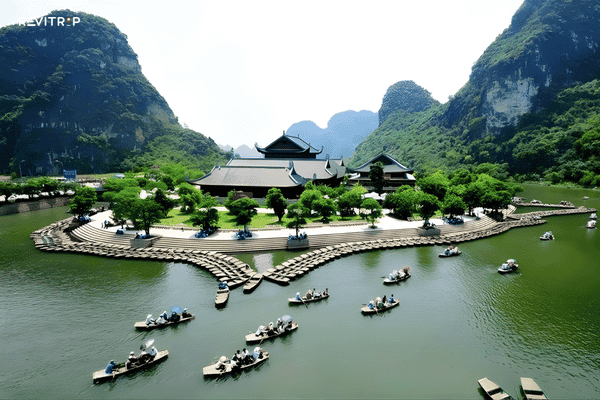
The practical implication for heritage travelers is significant. The Trang An boat tour is not simply a scenic cruise. It passes through a landscape that meets UNESCO’s most demanding standards for both natural and cultural significance simultaneously. Each cave, each temple stop, and each karst formation along the route carries an officially recognized layer of world-class heritage value.
Layer 6: Living Intangible Heritage
Ninh Binh’s heritage is not limited to temples and archaeological sites. It also lives in its food traditions, festivals, and craft communities.
The Van Cu village pho-making tradition, covered in detail in our Ninh Binh Pho Festival guide, represents one of Vietnam’s most significant intangible cultural heritage assets. Van Cu families carried their pho recipes from this province across Vietnam and eventually abroad, making them among the most impactful culinary heritage bearers in the country’s history.

The Hoa Lu Festival is held annually on the 10th day of the third lunar month. It commemorates Kings Dinh and Le with processions, traditional games, and ceremonial offerings at the Hoa Lu temples. It remains one of northern Vietnam’s most significant spring festivals and draws tens of thousands of domestic pilgrims alongside international visitors.
How to Plan a Heritage-Focused Ninh Binh Trip
A heritage-focused visit to Ninh Binh rewards depth over speed. The following structure covers the major heritage layers across two to three days without feeling rushed.
Day 1 – The Imperial and Buddhist Layer: Begin at Hoa Lu Ancient Capital in the morning, arriving at opening time at 07:00. Spend 90 minutes at the Dinh and Le temples. Then cycle or ride to Bich Dong Pagoda for the mid-morning quiet before tour groups arrive. Afternoon: Bai Dinh Pagoda, beginning with the old pagoda complex before the new complex.
Day 2 – The Prehistoric and UNESCO Layer: Take the full Trang An boat tour, choosing the longest available route that passes Thai Vi Temple. Specifically request a guide who can explain the cave archaeology and the temple heritage at each stop rather than treating it as a purely scenic experience. Afternoon: cycle the rice paddy routes between Tam Coc and the Trang An area, which covers the same UNESCO landscape on land.
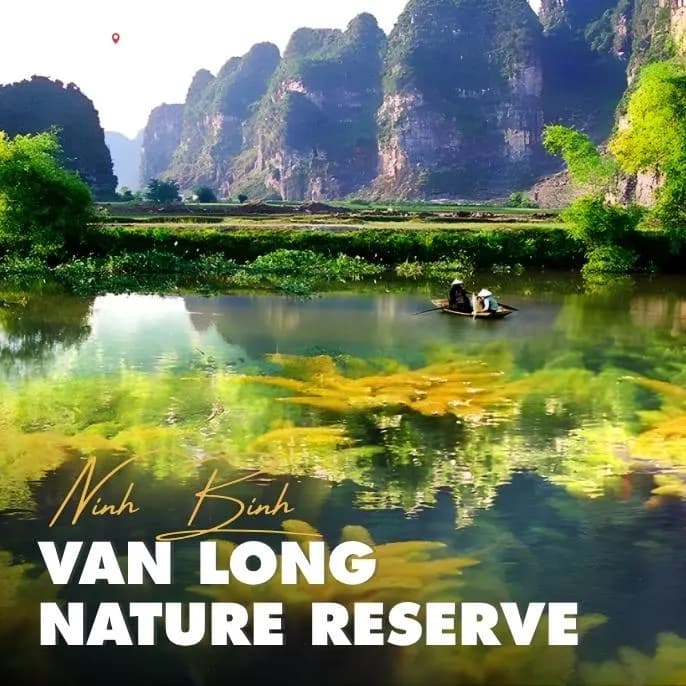
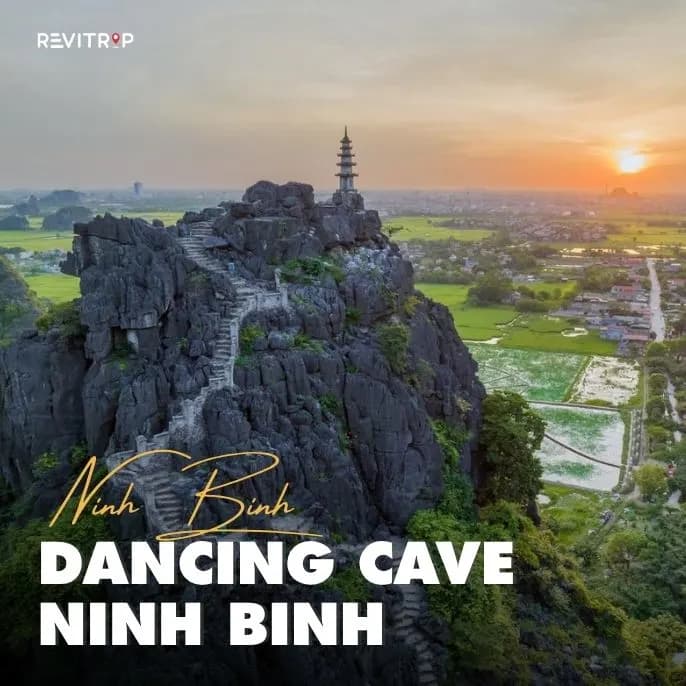
Day 3 – The Natural and Living Heritage Layer: Morning visit to Van Long Nature Reserve for the wetland karst landscape and wildlife. Afternoon: visit Mua Cave for the elevated panoramic view across the entire heritage landscape. From the summit, the full sweep of the Hoa Lu basin, the Trang An wetlands, and the surrounding karst system becomes visible in a single extraordinary panorama. It is, in many ways, the best possible conclusion to a heritage-focused Ninh Binh visit.
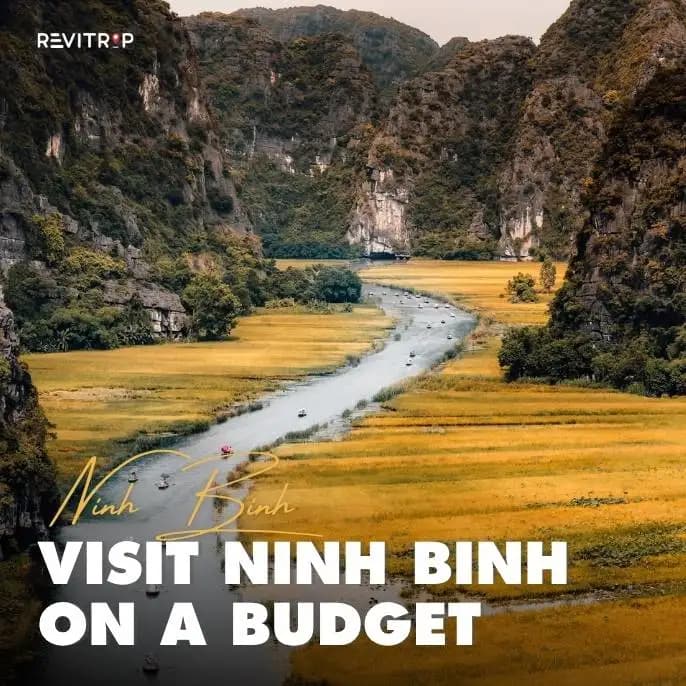
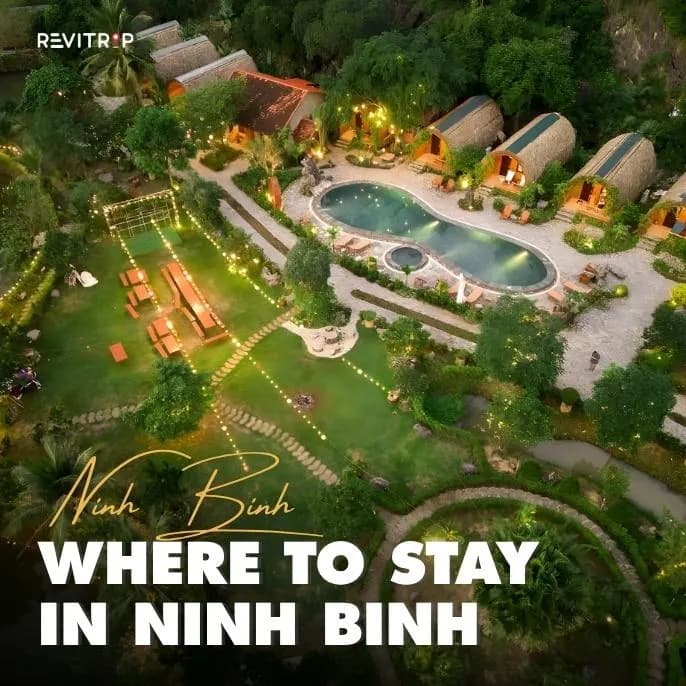
For full practical planning including accommodation and budget, our where to stay in Ninh Binh guide and Ninh Binh on a budget guide cover the logistics in detail.
FAQ
Ninh Binh holds two claims to this title. First, the Trang An cave system contains archaeological evidence of human habitation dating back 30,000 years, making it one of the oldest continuously inhabited landscapes in mainland Southeast Asia. Second, Hoa Lu served as the capital of Vietnam’s first independent unified state from 968 to 1010 AD, the period when Vietnamese national identity formally emerged after a thousand years of Chinese domination.
Hoa Lu Ancient Capital holds the deepest historical significance as the physical location where Vietnamese independence was established. However, the Trang An Scenic Landscape Complex carries the broadest UNESCO recognition.
Two to three days is the recommended minimum for a heritage-focused visit.