How to Plan the Ha Giang Loop: A Practical 3 or 4-Day Guide
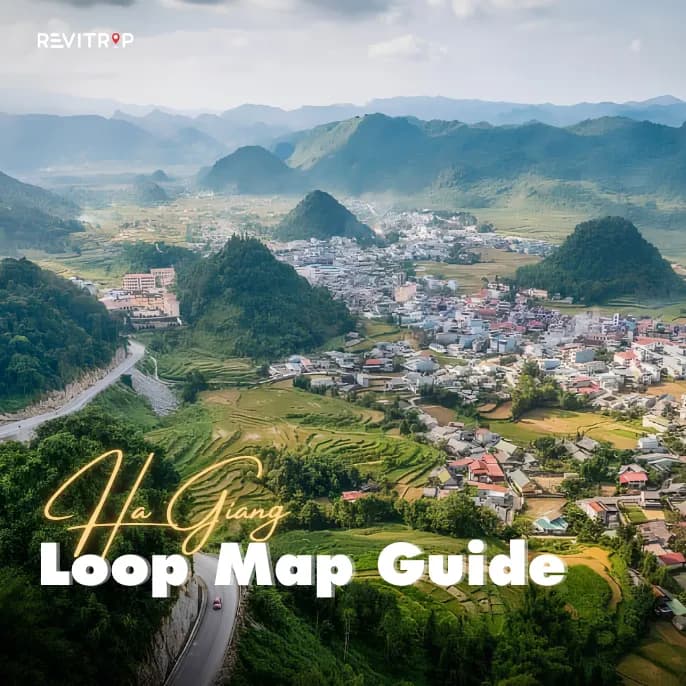
The Ha Giang Loop is a mountain route through Quan Ba, Yen Minh, Dong Van, Meo Vac, and Du Gia in northern Vietnam. Most travelers begin and finish in Ha Giang City, covering around 300 to 350 kilometers over three or four days.
For first-time visitors, a four-day Ha Giang Loop tour is usually the best choice. It gives you enough time for viewpoints, local villages, meals, and weather delays without spending every day rushing between towns.
For a closer look at the main roads, overnight stops, and travel planning, use this Ha Giang Loop route and planning guide before booking your tour.
How Many Days Do You Need?
Three days is the minimum practical length, while four days offers a better overall experience.
A Ha Giang Loop 3-day itinerary normally includes Yen Minh, Dong Van, Ma Pi Leng Pass, Meo Vac, and the return to Ha Giang City. It works for travelers with limited time, though the riding days can feel long.
A Ha Giang Loop 4-day itinerary usually adds Du Gia. The extra day creates more time for the Nho Que River, village roads, photo stops, and breaks along the route.
Two days is too short for most travelers. You will spend much of the trip moving between towns with little time to enjoy the scenery.
Easy Rider or Self-Drive?
A Ha Giang Loop Easy Rider tour is the safest and most convenient option for travelers without strong motorbike experience.
You sit behind a local driver while they handle the steep bends, gravel, trucks, animals, and changing road conditions. You still experience the open-air scenery without having to control the bike yourself.
Before booking, ask about the group size, driver experience, helmets, protective equipment, meals, accommodation, fuel, and entrance tickets.
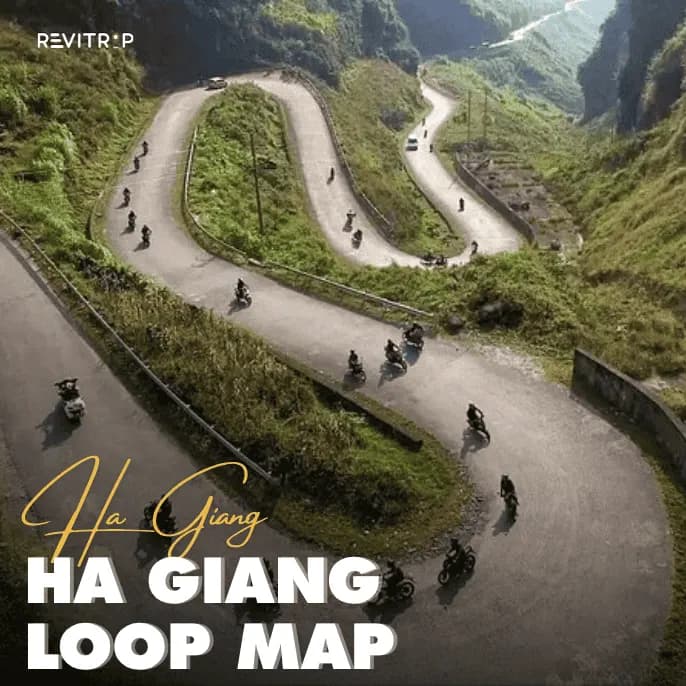
Self-driving gives you more freedom, but it should be reserved for experienced riders with the correct license and insurance. City scooter experience does not fully prepare you for mountain roads, fog, loose gravel, and sharp corners.
A private car or jeep is another good option for families, older travelers, or anyone uncomfortable riding a motorbike.
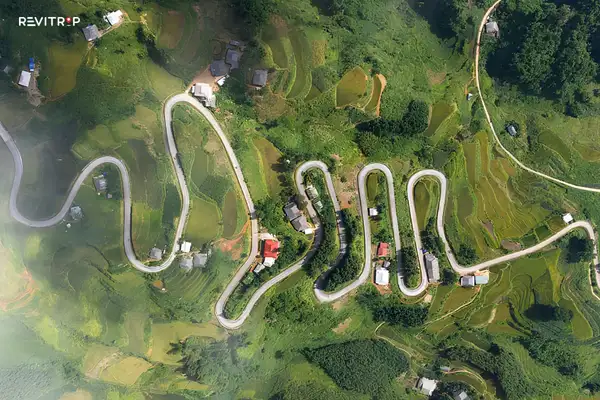
Recommended Ha Giang Loop Itinerary
Check this Ha Giang Loop map to see how Ha Giang City, Yen Minh, Dong Van, Meo Vac, and Du Gia connect.
Day 1: Ha Giang City to Yen Minh
The first day usually passes through Bac Sum Pass, Quan Ba Heaven Gate, Tam Son, and Can Ty Pass.
Quan Ba Heaven Gate is often the first major viewpoint. On a clear day, you can see mountain valleys, villages, and winding roads below.
Most travelers stay overnight in Yen Minh.
Day 2: Yen Minh to Dong Van
Day two takes you through the limestone landscapes of the Dong Van Karst Plateau.
Common stops include Tham Ma Pass, Sung La Valley, the Vuong Family Residence, Lung Cu Flag Tower, and Dong Van Old Quarter.
Lung Cu is a long detour, so confirm whether it is included in your tour. You will usually arrive in Dong Van during the late afternoon.
Day 3: Dong Van to Du Gia
This is often the most scenic day of the trip.
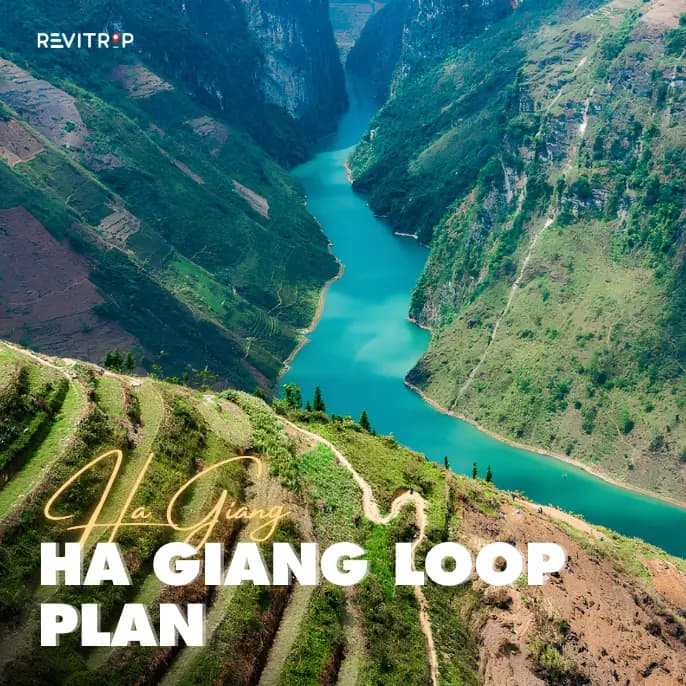
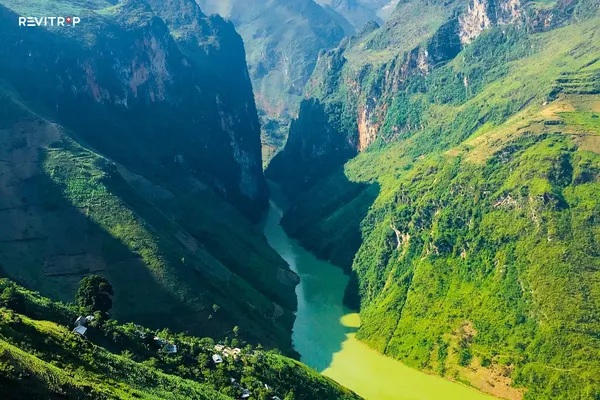
The route includes Ma Pi Leng Pass, the Nho Que River, Meo Vac, Mau Due, and the road toward Du Gia.
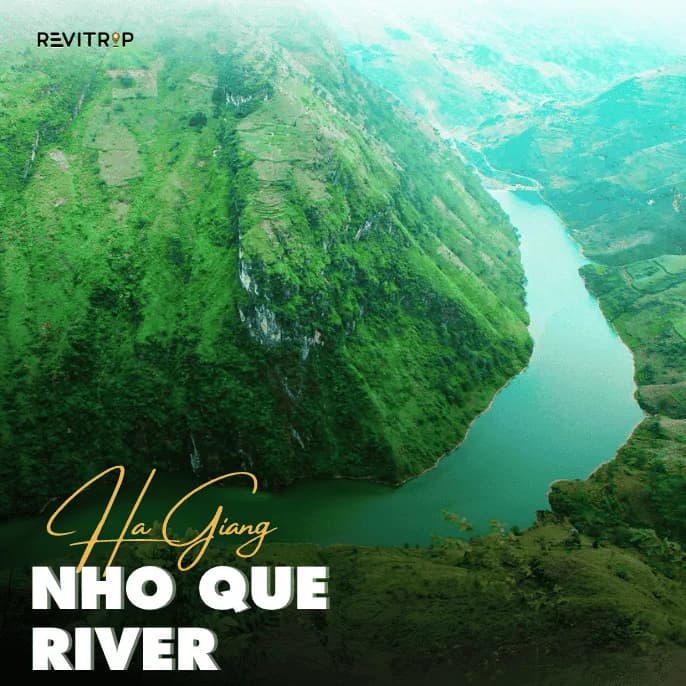
The Nho Que River boat trip provides views of Tu San Canyon, though it adds several hours to the schedule. During heavy rain or thick fog, skipping the boat may be the safer decision.
The road after Meo Vac becomes quieter and more rural, with fewer shops and restaurants. Carry water and snacks before leaving town.
Day 4: Du Gia to Ha Giang City
Some tours begin the final day with a stop at Du Gia Waterfall before returning to Ha Giang City.
The journey usually finishes in the afternoon. Many travelers then take an evening sleeper bus back to Hanoi.
Avoid booking an important flight immediately after the tour because weather, road conditions, and bus delays may affect your arrival time.
Best Time to Do the Ha Giang Loop
The best time to do the Ha Giang Loop is usually from March to April or September to November.
March and April bring milder temperatures and spring scenery. September and October are popular for rice fields, while November may bring cooler weather and buckwheat flowers.
If you plan to travel during autumn, check the dates of these festivals in Ha Giang because local events can affect traffic, tour availability, and accommodation prices.
May to August is the rainy season. The mountains become green, but travelers should prepare for slippery roads, low visibility, mud, and possible landslides.
December to February can be cold, windy, and foggy. Bring gloves, closed shoes, warm layers, and a wind-resistant jacket.
Weather in the mountains can change quickly in every season, so keep your itinerary flexible.
Ha Giang Loop Cost
The total Ha Giang Loop cost depends on the number of days, group size, room type, transport, and tour inclusions.
Your main expenses may include:
- Bus transport from Hanoi to Ha Giang
- Easy Rider or self-drive tour
- Accommodation
- Meals and drinking water
- Fuel
- Entrance tickets
- Nho Que River boat ticket
- Private room upgrades
- Tips for drivers and guides
Group tours are usually cheaper, while private tours allow more control over the pace and itinerary.
Ask for a full inclusion list before paying. A low advertised price may exclude meals, entrance fees, fuel, protective equipment, or transportation from Hanoi.
Carry some cash because small homestays and roadside restaurants may not accept cards.
Ha Giang Loop Safety Tips
The Ha Giang Loop is a real mountain journey with steep roads, sharp bends, construction, trucks, gravel, fog, and changing weather.
Wear a properly fitted helmet, closed shoes, and long pants. Avoid riding after dark or after drinking alcohol.
Do not pressure your driver to travel faster for photos or videos. During heavy rain or dense fog, stopping is safer than continuing toward the next viewpoint.
Check whether your travel insurance covers motorbike travel. Coverage may differ depending on whether you are driving or riding as a passenger.
Pack light and bring a rain jacket, warm layer, gloves, power bank, waterproof phone pouch, basic medication, and cash. Large luggage can usually be stored in Ha Giang City.
Final Recommendation
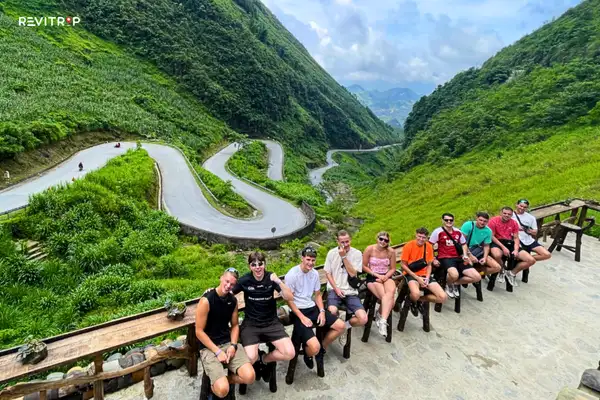
For most first-time travelers, a four-day Easy Rider tour with a small, safety-focused group is the best way to experience the route.
Arrive in Ha Giang with enough time to rest, choose your operator carefully, and leave some flexibility for weather changes.
The Ha Giang Loop is most enjoyable when you travel at a comfortable pace instead of trying to fit every viewpoint into the shortest possible itinerary.
FAQ
A typical route starts in Ha Giang City and passes through Quan Ba, Yen Minh, Dong Van, Meo Vac, and Du Gia before returning to the city. Depending on your itinerary, the journey covers around 300 to 350 kilometers and usually takes three or four days.
Most packages include a local driver or motorbike rental, fuel, accommodation, selected meals, entrance fees, and luggage storage. Some also include transportation from Hanoi and the Nho Que River boat trip. Always check the group size, room type, safety equipment, and exact inclusions before paying.
There is currently no reliable publicly available death rate specifically for this route. News reports describe individual accidents, but they do not provide a complete number of riders, accidents, and fatalities needed to calculate an accurate rate. Any website presenting an exact percentage should explain where its data came from.