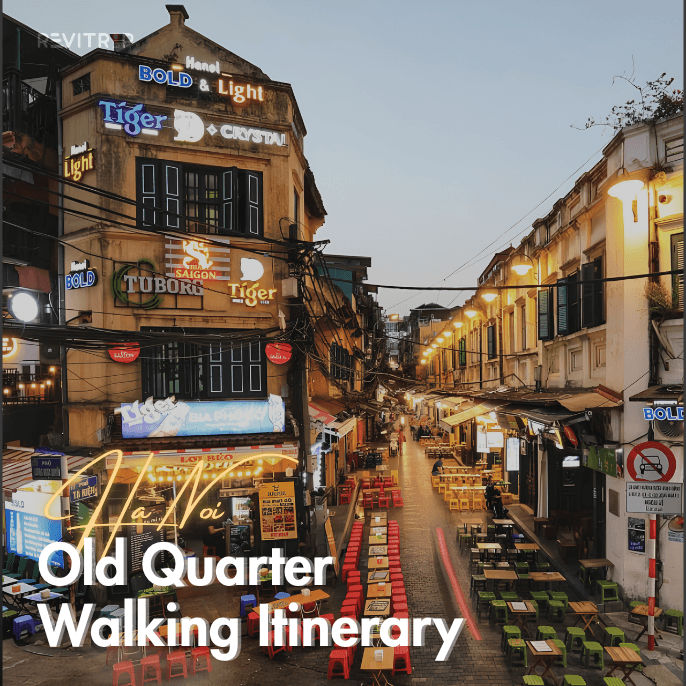
Hanoi Old Quarter Walking Itinerary: Best Route 2026
This Hanoi Old Quarter walking itinerary covers the district’s most useful stops in around four to five hours. The route begins near St. Joseph’s Cathedral, passes Hoan Kiem Lake, and continues through the historic commercial streets toward Dong Xuan Market.
Expect to walk roughly four kilometers, with extra distance for food stops, shopping, and short detours. The route is compact enough for a morning or afternoon, yet it leaves time to observe the street life that makes central Hanoi memorable.
You do not need a guide or private vehicle. Comfortable shoes, a working map, and some cash are enough.
Hanoi Old Quarter Walking Route at a Glance
| Stop | Suggested Time |
|---|---|
| St. Joseph’s Cathedral and breakfast | 7:30 AM |
| Hoan Kiem Lake and Ngoc Son Temple | 8:15 AM |
| Hang Gai and Hang Bac streets | 9:15 AM |
| Ma May heritage area | 10:00 AM |
| Bach Ma Temple | 10:40 AM |
| O Quan Chuong Gate | 11:15 AM |
| Dong Xuan Market | 11:40 AM |
| Lunch near the market | 12:30 PM |
The schedule is flexible. Travelers who stop for coffee, photographs, and shopping may need six hours.
Early morning is the easiest time to walk. The temperature is usually more comfortable, delivery traffic is lighter, and small restaurants are already serving breakfast.
Before Starting the Walk
Stay close to Hoan Kiem Lake if this route is a priority. Hotels in the Old Quarter reduce the need for taxis and make it easier to begin before the central streets become crowded.
Our guide to where to stay in Hanoi compares the Old Quarter with the French Quarter and quieter neighborhoods around the city.
Wear closed shoes or supportive sandals. Pavements may be uneven, narrow, or occupied by parked motorbikes and food stalls.
Keep your phone away from the road edge when checking directions. Hanoi’s Old Quarter is easy to explore on foot, though the combination of narrow streets, motorcycles, vendors, and frequent intersections can feel intense during a first visit.
7:30 AM: Breakfast Near St. Joseph’s Cathedral
Begin at St. Joseph’s Cathedral on the southern edge of the Old Quarter.
The cathedral square is usually calmer early in the morning. Take a few minutes to see the exterior, then walk through the surrounding lanes around Nha Chung and Ly Quoc Su.
For breakfast, choose one local dish rather than sitting at a Western-style café immediately.
Good options include:
- Pho bo with beef
- Pho ga with chicken
- Banh cuon with pork and mushrooms
- Xoi xeo with mung bean and fried shallots
- Bun rieu with tomato, crab, and tofu
A focused restaurant with one main dish is often a stronger choice than a place offering a long menu of unrelated Vietnamese specialties.
Allow around 40 minutes for breakfast. Carry smaller Vietnamese dong notes, since some traditional restaurants do not accept cards.
8:15 AM: Walk Around Hoan Kiem Lake
From the cathedral, walk toward the western side of Hoan Kiem Lake.
The lake provides a quiet transition into the busier Old Quarter. In the morning, you may see residents exercising, walking, meeting friends, or sitting beside the water.
Walk north along the lakeside path toward Turtle Tower and The Huc Bridge. The red bridge leads to Ngoc Son Temple, one of the most recognizable landmarks around the lake.
The visit is fairly short. Spend around 30 minutes inside unless the entrance is crowded. Dress respectfully and keep your voice low, since the temple remains an active cultural and religious site.
A complete loop around the lake takes longer than many travelers expect. For this route, walk only the western and northern sections before entering the Old Quarter.
Hoan Kiem Lake, The Huc Bridge, Ngoc Son Temple, and Turtle Tower form one of the most walkable groups of landmarks in central Hanoi. Weekend vehicle restrictions around the lake can create more space for pedestrians and public activities.
9:15 AM: Follow Hanoi’s Historic Trade Streets
Leave the lake near its northern side and enter Hang Gai Street.
The word “Hang” refers to merchandise or shops. Many streets in the Old Quarter developed around particular crafts, products, and trade guilds. The street names remain, although many businesses now sell different goods.
Hang Gai
Hang Gai is commonly associated with silk, textiles, clothing, and souvenir shops.
Prices vary widely. Treat shops aimed at visitors as boutiques rather than traditional markets. Check fabric quality carefully and confirm tailoring deadlines before paying a deposit.
Hang Bac
Continue toward Hang Bac, historically connected with silverwork and jewelry.
Some jewelry businesses and metalworking traditions remain in the area. Look beyond the storefronts and notice the narrow buildings, balconies, communal structures, and residential entrances between the shops.
Several Old Quarter streets still retain visible connections with their former trades, including Hang Bac for silver, Hang Ma for decorations and religious goods, and Lan Ong for traditional herbs.
10:00 AM: Explore the Ma May Heritage Area
Walk east toward Ma May Street.
This section provides a clearer view of the Old Quarter’s traditional tube houses. These buildings have narrow street-facing facades and extend deep into the block. Interior courtyards helped bring air and daylight into the long structures.
Take time to look through open entrances, small courtyards, cafés, workshops, and family-run businesses. Do not enter private homes or photograph residents at close range without permission.
Ma May is also a practical place for an egg coffee break. Some cafés are hidden behind shops or reached through narrow corridors, so check the address rather than relying only on visible signs.
Budget around 30 to 45 minutes for this section.
10:40 AM: Visit Bach Ma Temple
Continue toward Bach Ma Temple on Hang Buom Street.
Bach Ma is regarded as one of Hanoi’s oldest temples and represents the eastern guardian of historic Thang Long. The temple is still used for worship, so it should be treated differently from a museum.
Remove hats before entering the main worship space. Avoid standing directly in front of people who are praying, and do not touch altar objects.
Inside, look for the red lacquer work, wooden carvings, ceremonial objects, and the white horse associated with the temple’s legend.
A visit usually takes around 20 minutes. Opening access may change during ceremonies, maintenance, or religious events, so keep the schedule flexible.
11:15 AM: See O Quan Chuong Gate
From Bach Ma Temple, continue east toward O Quan Chuong.
This is the only surviving gate from the defensive wall that once surrounded the old citadel area. Its current structure dates to the early 19th century and remains an important historical marker within a busy residential neighborhood.
The gate sits directly beside active roads and local businesses. There is no need to spend long here.
Take photographs from a safe position and avoid stepping backward into traffic. Ten to fifteen minutes is enough before continuing north toward Dong Xuan Market.
11:40 AM: Browse Dong Xuan Market
Dong Xuan Market is a suitable final stop because it shows the commercial side of the Old Quarter on a much larger scale.
The indoor market contains clothing, household goods, fabric, accessories, packaged foods, toys, and wholesale merchandise. The surrounding alleys are part of the experience and may be more interesting than the central building.
Dong Xuan is primarily a working market rather than a carefully designed souvenir destination. Some sellers focus on bulk orders, and bargaining styles vary.
Ask for the price before handling several items. Keep valuables secure in crowded aisles and count your change before leaving a stall.
The market and its surrounding lanes remain major centers of trade within the Old Quarter, selling everything from textiles and shoes to sweets and household products.
Allow 30 to 45 minutes unless shopping is one of your main priorities.
12:30 PM: Finish With Lunch Near Dong Xuan Market
After several hours of walking, finish with lunch near the market.
Look around Nguyen Thien Thuat, Hang Chieu, Hang Duong, or the streets south of Dong Xuan.
Good lunch choices include:
Bun cha: Grilled pork served with noodles, herbs, and dipping broth.
Bun rieu: Tomato-based noodle soup with crab, tofu, and fresh herbs.
Pho: Easy to order and widely available, although some specialist shops finish service early.
Banh cuon: A lighter option if you already stopped for snacks and coffee.
Avoid choosing a restaurant solely because someone is standing outside calling tourists inside. Check the menu and price first.
A simple local lunch usually works better for this route than a long set menu. You can return to your hotel afterward or continue exploring once the midday heat begins to ease.
Optional Extensions After the Walk
Continue to Long Bien Bridge
From Dong Xuan Market, it is possible to walk toward Long Bien Station and the entrance to Long Bien Bridge.
The route introduces a different side of Hanoi, with railway infrastructure, Red River views, and produce trading areas. The pedestrian and motorbike path is narrow, so remain alert and avoid stopping where traffic needs to pass. Vietnam Tourism also connects Dong Xuan Market and Long Bien Bridge as part of a longer self-guided walking route.
This extension adds around 60 to 90 minutes.
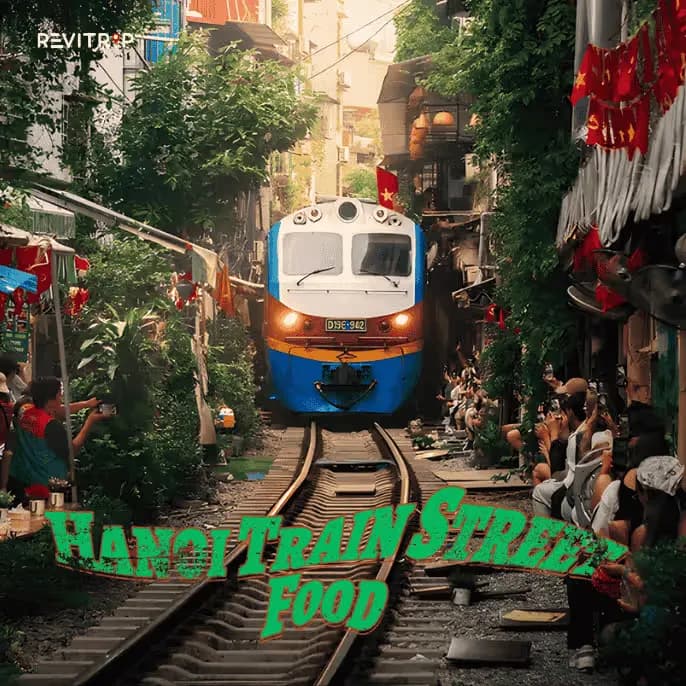
Visit Hanoi Train Street Later
Train Street is outside the core route and should not be treated as a quick detour from Dong Xuan Market.
Access arrangements can change, and the railway remains active. Plan it separately, follow local instructions, and never stand on the tracks when a train is approaching.
Our Hanoi Train Street food guide explains the different areas, food choices, and essential safety considerations.
Return for a Water Puppet Show
For an easy evening plan, return to the northern side of Hoan Kiem Lake for a performance at Thang Long Water Puppet Theatre.
Shows are compact and visually accessible, even for visitors who do not understand Vietnamese. Check the latest schedule, ticket categories, and seating advice in our Hanoi water puppet show guide.
Explore Hanoi Nightlife
Ta Hien and the surrounding streets become much busier after dark. The area works for casual beer, people-watching, and social nightlife, although it can feel crowded and heavily oriented toward visitors.
Travelers looking for music and late-night venues can compare the top clubs in Hanoi.
Practical Tips for Walking in Hanoi Old Quarter
Cross Roads at a Steady Pace
Wait for a reasonable gap and walk predictably. Avoid running, stopping suddenly, or changing direction midway across the street.
Motorbike riders often move around pedestrians based on their expected path. Make eye contact where possible and remain alert until you reach the opposite side.
Save the Route Offline
Mobile data can become unreliable inside narrow buildings and cafés. Save the route in Google Maps before leaving your hotel or take screenshots of the main stops.
Avoid the Hottest Hours
From late spring through early fall, walking around midday can become uncomfortable. Begin before 8:00 AM or save the route for late afternoon.
Carry Water, Cash, and Minimal Luggage
Small food shops may accept cash only. A large backpack can be difficult to manage in markets, narrow stores, and crowded pavements.
Do Not Treat Every “Hang” Street as a Specialized Market
The street names preserve the Old Quarter’s trading history, though many modern shops no longer sell the original products. The value of the walk comes from observing how historic structures, family businesses, cafés, workshops, and daily life now share the same streets.
Is the Hanoi Old Quarter Easy to Walk?
The area is compact, mostly flat, and filled with food, cafés, markets, and short sightseeing stops. Physically, the route is manageable for most travelers.
The main challenge is the street environment. Pavements can be obstructed, traffic is continuous, and road crossings require attention.
This Hanoi Old Quarter walking itinerary works best when you avoid rushing. Four kilometers can easily fill half a day once you include breakfast, temple visits, photographs, shopping, and coffee.
Follow the route loosely, keep the major stops in the correct order, and allow yourself to explore the smaller streets between them.
FAQs
How long does it take to walk around Hanoi Old Quarter?
A self-guided Hanoi Old Quarter walking itinerary usually takes four to five hours. This includes time for breakfast, Hoan Kiem Lake, temples, Dong Xuan Market, coffee, and short photo stops. Travelers who shop, visit more cafés, or continue to Long Bien Bridge may need six hours or longer.
Is Hanoi Old Quarter easy to explore on foot?
Yes. The Old Quarter is compact, mostly flat, and filled with attractions located close together. The main challenge is traffic rather than distance. Sidewalks may be blocked by parked motorbikes or food stalls, so wear comfortable shoes, cross roads steadily, and avoid carrying large luggage.
What is the best time for a Hanoi Old Quarter walking tour?
The best time is between 7:00 AM and noon, when temperatures are cooler and the streets are less crowded. Late afternoon is another good option. Avoid walking during the hottest midday hours, especially from May to September, and expect larger crowds around Hoan Kiem Lake on weekends.