Things to Do in Ca Mau: 8 Best Attractions to Visit in 2026
Things to do in Ca Mau go far beyond a single landmark. This province sits at the southernmost tip of Vietnam, where two seas meet and the landscape shifts between ancient forest, tidal islands, and river markets that have run for generations. Whether you come for the wilderness, the culture, or simply the experience of reaching the end of the map, Ca Mau delivers something genuine. This guide covers the 8 best attractions in the province, what makes each one worth the trip, and how to fit them into your itinerary.
1. Why Ca Mau Attractions Stand Apart
Ca Mau sits where the East Sea meets the Gulf of Thailand. That position shapes everything about the province and every thing to do in Ca Mau that comes from it. Coastal islands, peat wetland forests, tidal rivers, and three distinct cultural communities all exist within the same provincial boundary.
Most travelers who reach this far south notice something immediately. Ca Mau does not feel designed for tourists. The attractions exist because the landscape and the people created them. That authenticity is the province’s most consistent quality.
“Ca Mau is one of those rare places where the things worth seeing are the things that have always been here. The land, the water, the birds, and the people doing what they have always done.”
2. Things to Do in Ca Mau: Natural Wonders
Mui Ca Mau
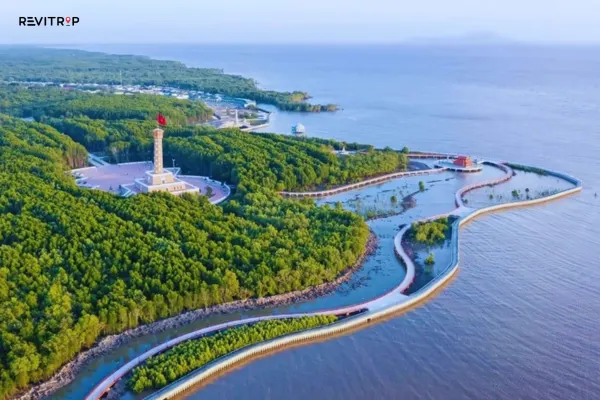
The southernmost point of Vietnam’s mainland. The East Sea and the Gulf of Thailand meet here at a single horizon. Standing at the national coordinate marker, visitors feel salt wind from both directions at once.
The cape sits inside Mui Ca Mau National Park, a UNESCO-recognized biosphere reserve. The surrounding mangrove system is one of the largest coastal forests in Southeast Asia. Boat tours run through the mangrove channels, trails cut through the coastal forest, and the chance to watch sunrise and sunset over two different seas on the same day is unlike anything else in Vietnam.
How to get there:
- Boat from Nam Can town along the river, approximately 2 to 3 hours
- Speedboat options available for a faster transfer
- Road and boat combination routes from Ca Mau city with organized day tours
For organized tours that handle transport and logistics, GetYourGuide lists Ca Mau and Mekong Delta day trips with flexible departure times.
U Minh Ha Forest
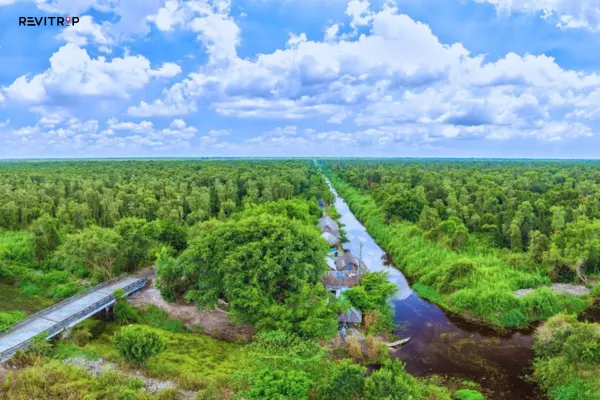
One of the most remarkable natural environments in Vietnam. The forest covers more than 35,000 hectares of melaleuca woodland on ancient peat soil. It forms part of the same UNESCO biosphere reserve as Mui Ca Mau Cape.
Boat tours move through narrow canals under a continuous canopy of cajuput trees. The scent of melaleuca fills the air. Light filters green through the overhead canopy. Most visitors describe the atmosphere as deeply calming. Wildlife includes waterbirds, otters, and freshwater fish visible through clear canal water.
Key activities at U Minh Ha:
- Canal boat tours through the forest interior
- Birdwatching in the wetland zones, especially during the rainy season
- Visiting Uncle Ba Phi’s house for cultural and historical context
- Buying melaleuca honey directly from beekeepers at the park boundary
For full details on the ecosystem and what to expect, our dedicated guide to U Minh Ha National Park covers everything in one place.
Dam Thi Tuong
Dam Thi Tuong earns its nickname as the inland sea of the Mekong Delta. This natural freshwater lagoon stretches across several communes in Phu My and Cai Nuoc districts. Flooded fields, lotus gardens, and wetland vegetation surround it on all sides.
Local legend ties the lagoon to stories passed down through riverside communities for generations. Beyond the folklore, Dam Thi Tuong supports a genuine ecological habitat of fish, birds, and aquatic plants. Boat trips at dawn or dusk produce some of the most atmospheric photography in the entire province.
Hon Da Bac
Hon Da Bac is an island cluster approximately 50 km from Ca Mau city by river. The surrounding water runs clear and calm. The rock formations that cover the island give it its name and an unusual visual character unlike any other island in the province.
The island also carries historical significance from Vietnam’s resistance periods. Several sites connect directly to that heritage. The combination of natural scenery and history makes Hon Da Bac more rewarding than a simple coastal visit.
Hon Khoai
Hon Khoai is the most visually dramatic of Ca Mau’s islands. Rocky outcrops with unusual formations alternate with white sand beaches. The water shifts between deep blue and clear turquoise depending on the light. A dense primary forest covers the interior.
The highest point of the island delivers a panoramic view of the surrounding sea. The climb is short but the reward is significant. Hon Khoai lies roughly 14 km offshore and requires a boat transfer. Low visitor numbers keep the atmosphere genuinely quiet. For island day trips in Ca Mau, Klook lists bookable coastal experiences across the region.
3. Things to Do in Ca Mau: Cultural Experiences
Ca Mau Floating Market
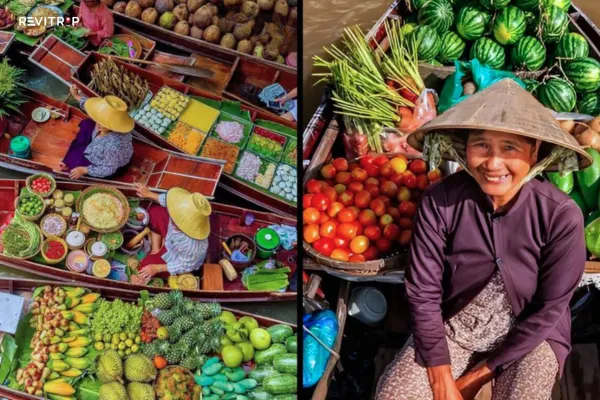
Floating Market is one of the most authentic river trading markets remaining in the Mekong Delta. Unlike some markets that now cater primarily to tourists, this one retains its commercial function. Traders arrive by boat before dawn. They carry produce, seafood, and goods that supply the surrounding communities.
Visiting by boat in the early morning hours feels genuinely real. Transactions happen boat to boat, cash changing hands across the water. Before your visit, check our guide to scams in Vietnam for practical tips on staying alert in busy market areas.
Best visiting tips:
- Arrive by boat between 5:00 am and 7:00 am for the most active period
- Join an organized boat tour for easier navigation and local context
- Bring cash only as card payments are not available
- Taste fresh coconut, local fruit, and river fish directly from vendors
Ca Mau Bird Sanctuary
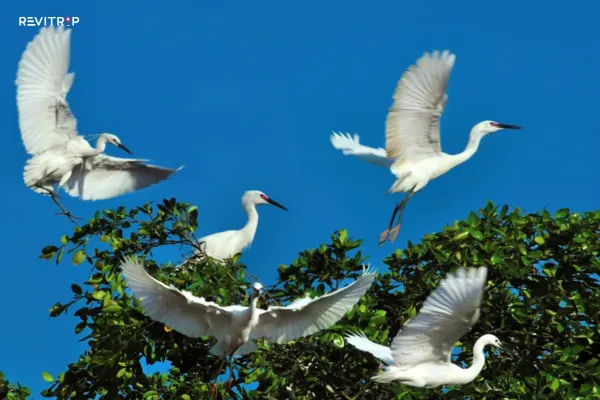
Bird Sanctuary concentrates thousands of birds in a wetland reserve that functions as both a breeding ground and a seasonal resting point. Large flocks lift from the canopy at dawn and return at dusk. It is one of the most striking wildlife spectacles in southern Vietnam.
The sanctuary is most active in the early morning and late afternoon. Visitors who time their arrival correctly see behavior and numbers that midday visits cannot match. The rainy season from May to November brings the highest concentrations as migratory waterbirds arrive from further north.
Thien Hau Pagoda
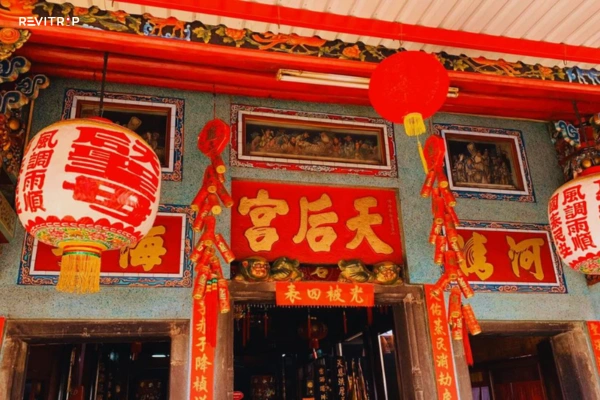
This Pagoda stands in the center of Ca Mau city. It honors the sea goddess revered by the Hoa community as a protector of sailors and fishermen. The architecture reflects the classic southern Chinese temple style the Hoa community brought with them when they settled here.
The pagoda maintains a calm that contrasts with the surrounding city streets. Incense drifts through the ornate interior. Bells and chanting carry through the open courtyard at prayer times. This is a place of active worship, not a preserved monument. That living quality is what makes it worth the visit.
“Thien Hau Pagoda asks nothing of the visitor except a willingness to be quiet and present. The architecture, the incense, and the rhythm of prayer do the rest.”
4. Planning Your Visit to Ca Mau
Getting the most from things to do in Ca Mau requires some basic planning. The province’s attractions spread across a large area that includes both river and coastal zones.
Suggested itinerary:
- Day 1: Ca Mau city (Thien Hau Pagoda, central market, riverside evening)
- Day 2: Floating market at dawn, then U Minh Ha National Park by afternoon
- Day 3: Mui Ca Mau Cape by boat through Nam Can
- Day 4: Hon Da Bac or Hon Khoai island day trip
- Day 5: Dam Thi Tuong and bird sanctuary
Practical notes:
- Hire a local guide for island and forest destinations
- Book boat tours in advance during the dry season peak from December to February
- Carry sufficient cash as ATMs disappear outside Ca Mau city
- Start early for every outdoor attraction as heat increases significantly after 10:00 am
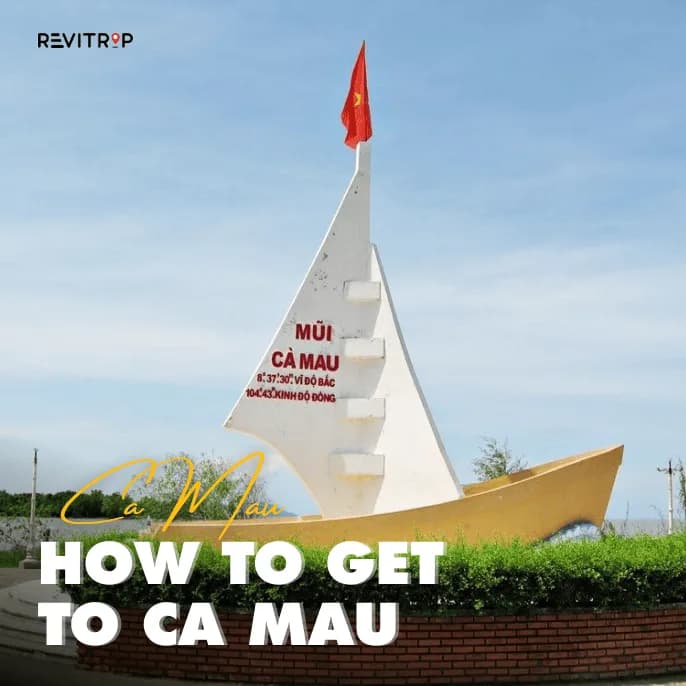
- Check our guide on how to get to Ca Mau for all transport options from Ho Chi Minh City
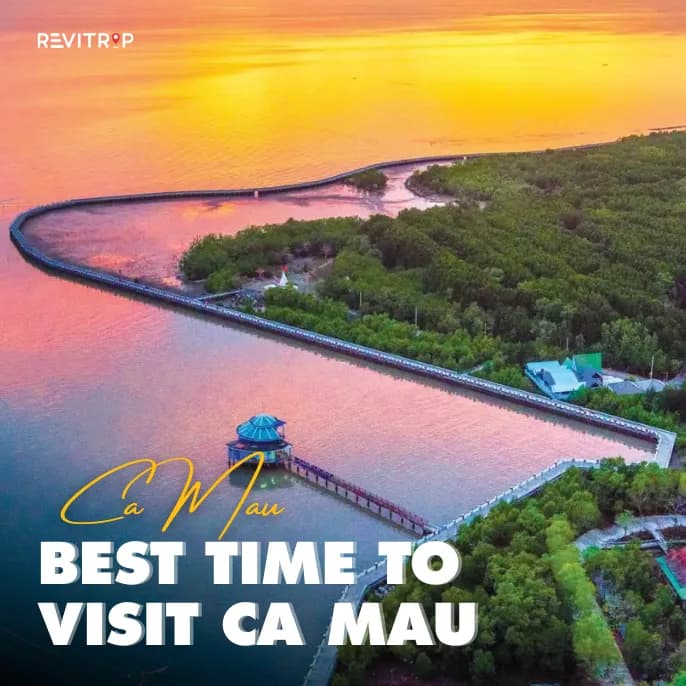
For choosing the right season, our guide on the best time to visit Ca Mau covers every month and festival in detail.
Final Thoughts: Things to Do in Ca Mau Are Worth Every Kilometer
Things to do in Ca Mau reward every traveler who makes the effort to get here. The cape, the forest, the islands, the markets, and the pagoda each tell a different part of the same story. No single attraction covers the whole picture. The full experience only emerges across several days of moving through the landscape by boat, by road, and on foot.
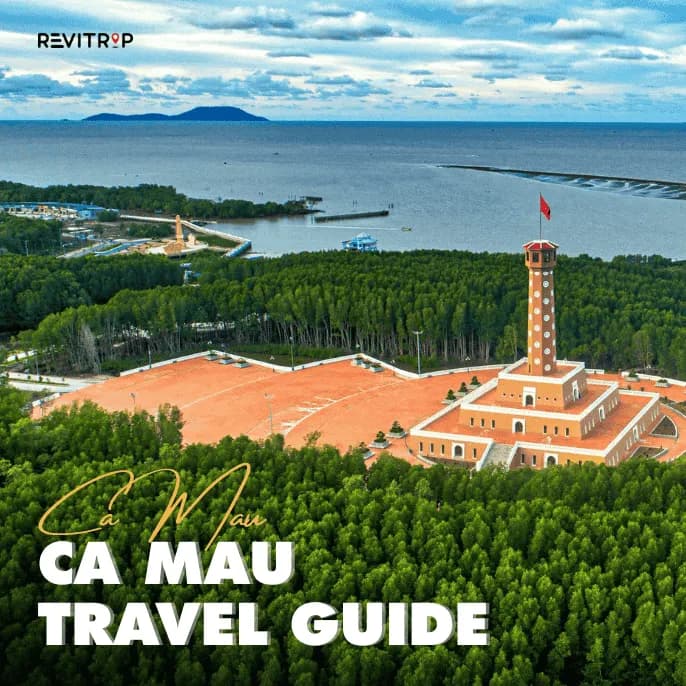
Plan at least four to five days to cover the major attractions properly. Combine the natural wonders of Mui Ca Mau and U Minh Ha with the cultural character of the floating market and Thien Hau Pagoda. Add an island trip to Hon Khoai or Hon Da Bac for contrast. That combination covers the essential range of what Ca Mau offers. For everything you need from transport to accommodation and food, our Ca Mau travel guide covers it all in one place.
Ready to explore Ca Mau? Browse our full Vietnam destination guide for practical travel advice, top attractions, and the best experiences across the Mekong Delta!
FAQs
The top things to do in Ca Mau include visiting Mui Ca Mau Cape, exploring U Minh Ha National Park by boat, touring the floating market at dawn, and day-tripping to Hon Khoai island. The bird sanctuary, Dam Thi Tuong lagoon, Hon Da Bac island, and Thien Hau Pagoda complete the essential list.
Four days covers the main attractions comfortably. Five days allows time for an island trip and the floating market without rushing. Travelers combining Ca Mau with Can Tho or Bac Lieu should allow seven to ten days for the full Mekong Delta circuit.
Ca Mau is one of the best nature destinations in southern Vietnam. U Minh Ha protects one of Southeast Asia’s last peat swamp forests. Mui Ca Mau sits inside a UNESCO biosphere reserve. The bird sanctuaries host thousands of waterbirds year round, with peak activity during the rainy season from May to November.