Is Hanoi Train Street Still Open in 2026?
Yes, Hanoi Train Street is still open in 2026, but access is restricted and depends on which section you visit.
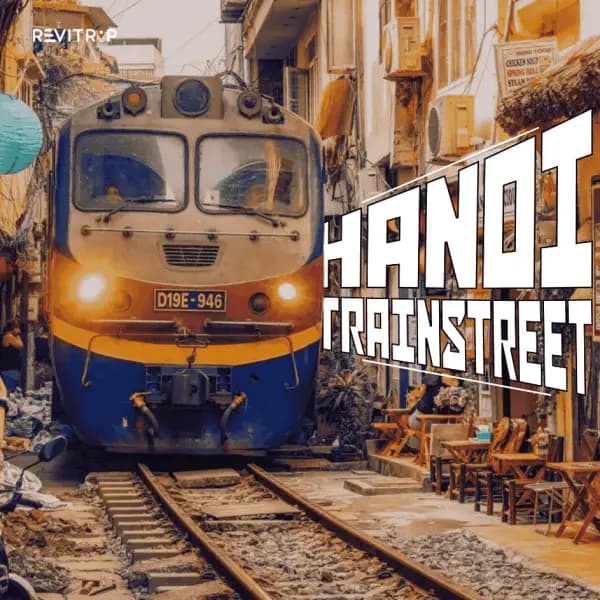
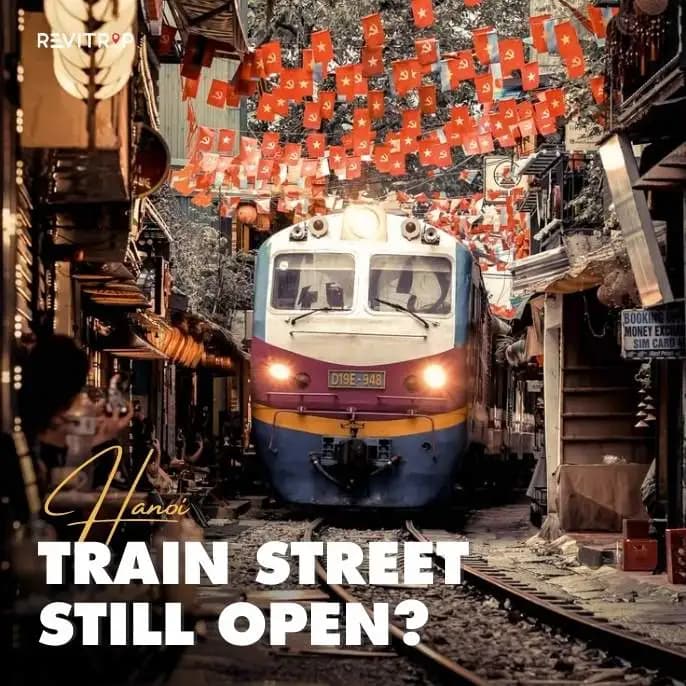
If you’ve been Googling “Is Hanoi Train Street still open?” before booking your Vietnam trip, you’re not alone. This iconic narrow alley, where a real, active train squeezes between cafés and homes just inches from onlookers, has been at the center of an on-again, off-again saga with local authorities for years.
The full picture is more nuanced than a simple yes or no. It is not permanently closed, though the Old Quarter section may be guarded or blocked on some days. Access rules have changed, group tours are banned, and your experience will largely depend on which section you visit and how you get in. If you’re planning ahead, knowing the Hanoi Train Street schedule 2026 is key to timing your visit around the trains and avoiding a wasted trip. This guide covers everything you need to know before you go.
Hanoi Train Street Visitor Info
Current status: Still open in 2026, with restricted access in some sections. Independent visitors usually have more flexibility than group tours.
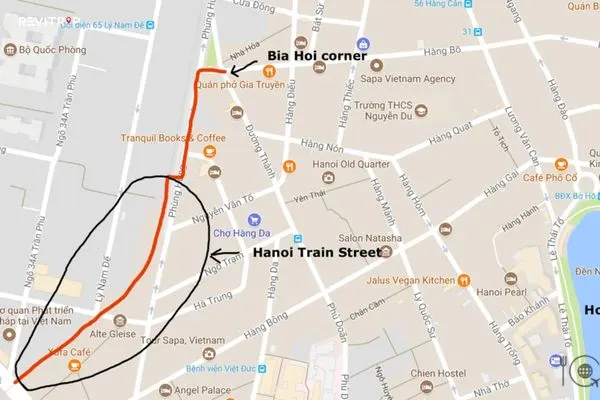
| Locations (2) | North Train Street: Google Maps South Train Street: Google Maps |
| Hours | Several daily trains (check schedule on arrival) |
| Cost | Free to visit (buy a coffee or snack if you sit at a café) |
| Nearby hotels | North: Sofitel Legend Metropole South: Hanoi La Siesta Hotel |
| How much time | Between 15 minutes and 1 hour |
| When to visit | Morning or early afternoon for a calmer experience |
| Accessibility | Flat street, partially accessible by wheelchair |
| Other notes | The nighttime crowd is louder and more crowded; children should stay close to café walls when a train passes |
The History of Closures: Why Is It So Complicated?
Understanding the current status of Hanoi Train Street requires a quick look at its turbulent recent history. For a deep dive on the café shutdowns, Revitrip’s article, “Hanoi Train Street Cafes Shut Down?” is well worth reading alongside this guide.
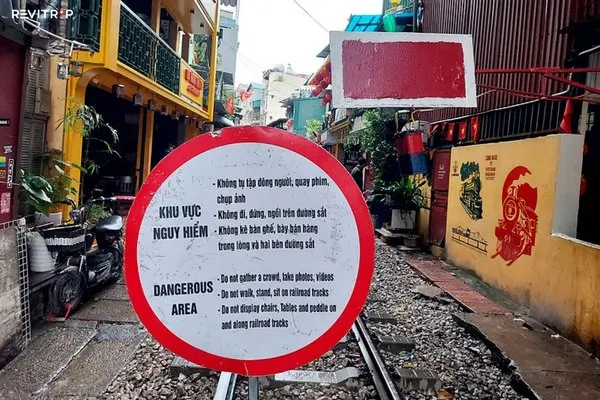
- 2019: Authorities shut down the street to tourists after overcrowding became a serious safety hazard. Tourists were standing on the tracks as trains approached, forcing the trains to make emergency stops.
- 2020–2022: The street reopened and was closed multiple times during this period, with inconsistent enforcement.
- October 2022: Another round of closures after continued safety violations.
- January 2023: The street fully reopened with café owners taking on more responsibility for managing visitor safety.
- March 2025: Hanoi authorities officially banned all guided group tours from visiting Train Street, citing persistent overcrowding and safety incidents. Also, train street placed guards and barriers at main entry points.
- June 2026: The street remains open to independent visitors, but with restrictions in place that vary by location and enforcement level. Rumors of a Hanoi Train Street closing 2026 have circulated online, but as of now, no permanent shutdown has been announced, partial restrictions and selective enforcement remain the norm.
The pattern is clear: the street has never been permanently closed, but it was never fully unrestricted either. The current situation reflects that ongoing tension between tourism, local business, and public safety.
Is Hanoi Train Street Still Open or Closed in 2026?
Yes, but with important caveats. Hanoi Train Street is not fully closed, but the main Old Quarter section is only partially open.
As of June 2026, Hanoi Train Street is accessible to independent visitors. However, the experience differs significantly depending on which section you visit. For a first-person account of what visiting actually feels like today, Revitrip’s Hanoi Train Street: The Truth About Visiting in 2026 gives an honest, no-fluff breakdown.
| Section | Status | Access Method | Atmosphere |
|---|---|---|---|
| Old Quarter (Main Section) | Partially open | Via licensed café escort or café purchase | Busy, touristy, sometimes pushy |
| Lê Duẩn Street (Second Location) | Fully open | Free, no restrictions | Calmer, more authentic, less crowded |
| Phùng Hưng Street | Viewable | From the street | Good for mural + train combo |
Key rule changes as of 2025–2026:
- Group tours are officially banned
- The main Old Quarter entrances are sometimes guarded or blocked
- Entry to the main section is often only possible by visiting a licensed café
- Enforcement varies day to day, some days are relaxed, others are heavily patrolled
The Lê Duẩn Street section, located near Hanoi’s main railway station, is the most accessible option right now. Visitors report it feels far less commercialized, with friendly café owners and no pressure tactics.
How to Get Into Hanoi Train Street (The Practical Guide)
Option 1: Visit the Lê Duẩn Section (Recommended)
Head to the area near Hanoi Railway Station (Ga Hà Nội). This section is easier to access than the Old Quarter area, with fewer barriers and less pressure from vendors. You can choose a café you like and wait for a train, but do not stand on the tracks when a train is approaching. This is the best option for visitors who want an authentic, stress-free experience.
Option 2: Contact a Café in the Old Quarter in Advance
For the more iconic Old Quarter section, contact a licensed café directly before your visit. Cafés such as Railway Café, Cafe Ga Dong Duong, or Track 5 Cafe often respond to messages on Instagram or Facebook and can guide you in. You’ll be expected to buy a drink or snack, a fair trade for access to one of Hanoi’s most unique experiences.
Option 3: Walk Around and Wait
If the main entrances are blocked, do not force your way in. Ask a café from the public side whether access is allowed that day, or choose the Lê Duẩn section instead. This is common and legitimate, café businesses depend on visitors, so they are motivated to help.
Important: There is no official entrance fee to visit Hanoi Train Street. If someone asks you to pay an entry fee, decline politely. Buying a drink at a café is the standard, and reasonable, expectation.
Hanoi Train Street Schedule and Timetable 2026: When Does the Train Pass?
Timing your visit around a passing train is one of the trickiest parts of planning. Schedules can shift by 15 minutes or more, and freight trains run at irregular intervals throughout the day. Always verify timing with café staff on the day of your visit, they track the trains closely since their business depends on it.
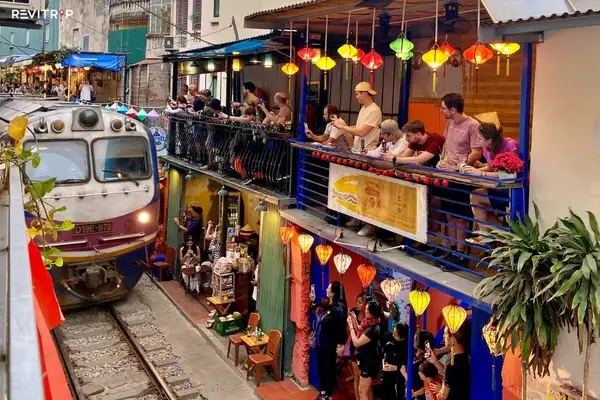
Old Quarter & Le Duan Section
These are the most up-to-date Hanoi Train Street schedule and timetable 2026 times, though always double-check locally as train times can shift without notice.
| Day | Approximate Train Times |
|---|---|
| Monday – Friday | 8:30 AM · 9:30 AM · 11:50 AM · 3:15 PM · 7:50 PM · 9:15 PM · 9:30 PM · 10:00 PM |
| Saturday – Sunday | 6:00 AM · 7:15 AM · 9:30 AM · 11:50 AM · 3:30 PM · 5:30 PM · 7:30 PM · 7:50 PM · 9:15 PM · 9:30 PM · 10:00 PM |
| Lê Duẩn (Daily) | 6:10 AM · 11:40 AM · 3:30 PM · 6:00 PM · 7:10 PM · 7:50 PM · 9:00 PM |
Pro tip: The 7:00–7:50 PM slot on weekdays is considered the best time to visit. The street is lit by lanterns from the cafés, and watching the train pass in the evening atmosphere is genuinely magical.
Allow at least one to two hours for your visit. This gives you time to find a good seat, order a drink, and be in position when the train arrives.
What to Expect When You Visit
For a vivid account of the full sensory experience, Revitrip’s Hanoi Train Street: A Unique Experience captures it well. Here’s a practical breakdown of what to expect:
The Approach
The train gives almost no warning before it arrives. You may hear a faint rumble, then within seconds the full train is on top of you. Café owners are experienced at managing this, they will tell everyone to pull chairs in, move back, and clear the area. Listen to them immediately. They have been doing this for years and their instructions keep everyone safe.
The Train Passes
When the train comes through, it passes at relatively low speed, but the sheer size and proximity make it feel incredibly fast. The ground shakes. The wind hits your face. It’s over in about 15–20 seconds, but it’s an experience that stays with you.
After the Train
Once the train passes, the street returns to normal almost instantly. Tables go back out, drinks are refilled, and the hum of conversation resumes. It’s a uniquely Vietnamese moment of calm returning after chaos.
A Fun Local Tradition
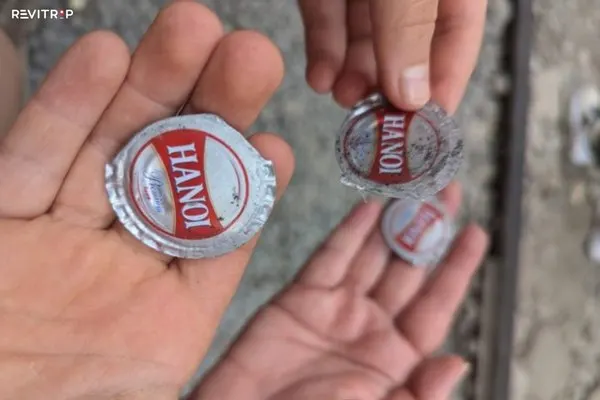
Some cafés may show flattened bottle caps as souvenirs, but do not place anything on the tracks yourself. Follow café staff and keep the railway clear at all times.
Safety Rules: Non-Negotiable
Hanoi Train Street has faced repeated closures because visitors ignored safety rules. Vietnamese railway safety regulations are strict, and café owners have signed formal agreements with authorities to enforce them – one café owner was even fined in 2024 for allowing a tourist onto the tracks during a train approach. To keep the street open for everyone, follow these without exception:
- Never stand on the tracks when a train is approaching
- Never lean out for a selfie when the train is moving
- Always follow instructions from café owners immediately
- Stay seated or pressed against the wall when the train passes
- Do not block the tracks between train arrivals
Remember: the train is wider than the visible tracks. It extends beyond what you might expect. When the café owner says move back, they mean it.
What to Do Nearby
Hanoi Train Street sits within reach of some of the Old Quarter’s best spots. If you’re building a full day around the area, here are some recommended stops to pair with your visit:
- What to See in Hanoi Old Quarter: 15 Must-Visit Spots – A neighborhood-by-neighborhood guide to the best of the Old Quarter, just a short walk from Train Street.
- Phung Hung Street: Perfect Alternative to Hanoi Train Street – If access to Train Street is limited on the day you visit, Phung Hung Street’s painted murals under the railway arches are just around the corner and genuinely worth your time.
- Hang Ma Street: Backup Plan When Train Street Is Closed – Another Old Quarter street worth exploring if you want color, atmosphere, and local life without any restrictions.
- What to Do in Hanoi in One Day – Perfect if Train Street is just one stop on a packed 24-hour Hanoi itinerary.
And if you’re planning to stay close to the action, check out the guide to Hotels near Hanoi Train Street – it rounds up the best accommodations for every budget within walking distance of the tracks.
Is It Worth Visiting in 2026?
Despite the restrictions, the commercialization, and the occasional pushiness of vendors near the main section, most visitors still say yes, unequivocally. Watching a full-sized train pass just inches from your table is a genuinely surreal experience that very few places on Earth can offer.
The Lê Duẩn section in particular is worth visiting even if the Old Quarter section is restricted. It’s calmer, friendlier, and arguably more authentic. You’ll still get the full experience of the train rumbling past at close range, just with less of the tourist hustle.
If you visit respectfully, buy a drink, follow the café owner’s instructions, and don’t put yourself or the train crew at risk, you’ll walk away with one of the most memorable moments of your Vietnam trip.
Quick Summary
| Detail | Info |
|---|---|
| Current Status | Still open in 2026, with restrictions. Not permanently closed. |
| Group Tours Allowed? | No, banned since March 2025 |
| Entrance Fee | None (buy a drink at a café) |
| Best Section for Easy Access | Lê Duẩn Street |
| Best Time of Day | Evening (7:00–8:00 PM) |
| Best Days | Weekdays |
| Best Seasons | Spring (Mar–Apr) or Autumn (Sep–Nov) |
| How Long to Spend | 1–2 hours |
| Train Frequency | Every 3–4 hours (approximately) |
FAQ
Hanoi Train Street may be open today, but access depends on the section and local enforcement. The Lê Duẩn section is usually easier to visit, while the Old Quarter section may be guarded or blocked.
No, Hanoi Train Street is not permanently closed in 2026. However, access is restricted, group tours are banned, and the main Old Quarter section is only partially open.
Train times vary by day and section. Use the schedule above as a guide, but always confirm the latest train times with café staff on the day you visit.