Dong Ho Folk Paintings: A Guide to Vietnam’s Traditional Woodblock Art
Dong Ho folk paintings are one of the gentlest ways to enter Vietnam’s traditional art world. Made in a small village near Hanoi, these woodblock prints carry the colors of Tet, the humor of village life, and the quiet wishes families once brought into their homes at the start of a new year.
For travelers, Dong Ho is not a loud heritage stop. It is a slower cultural visit, best understood through handmade paper, carved wooden blocks, natural pigments, and the stories hidden behind each image. A half-day trip here offers a softer look at Northern Vietnam, where heritage can live in something as simple as a sheet of printed paper.
To understand this softer side of Northern Vietnamese culture, it also helps to look at Cheo, a traditional stage art rooted in village festivals, folk stories, and everyday emotion.
A Small Village With a Long Memory
Dong Ho folk paintings belong to a gentle kind of Vietnamese heritage. There are no towering citadel walls here, no crowded temple steps, and no dramatic mountain pass asking for your full attention. The village keeps its memory in carved woodblocks, handmade paper, natural colors, and images that once lived inside ordinary Vietnamese homes. It is the kind of place where heritage feels close to the hand, rather than distant behind glass.
For generations, Dong Ho paintings were closely tied to Tet, the Vietnamese Lunar New Year. Families bought them to decorate their homes, welcome good luck, and bring brightness into the first days of spring. A rooster, a plump pig, a wedding of mice, a harvest scene, or a mother with children could carry wishes for prosperity, harmony, humor, and protection. The paintings look simple at first, with bold outlines and clear colors, yet each image holds a small world of meaning.
Dong Ho village sits in Bac Ninh Province, close enough to Hanoi for an easy half-day cultural trip. It suits travelers who enjoy slow craft, local stories, and places where tradition is still made by hand. A visit here will not fill your camera roll with dramatic scenery, yet it may give you one of the most intimate cultural memories near the capital.
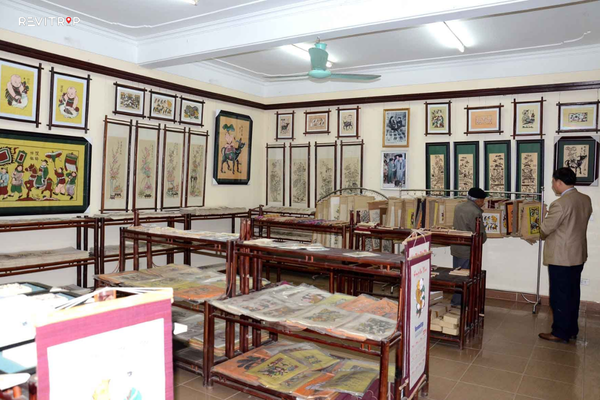
What Makes Dong Ho Paintings Special
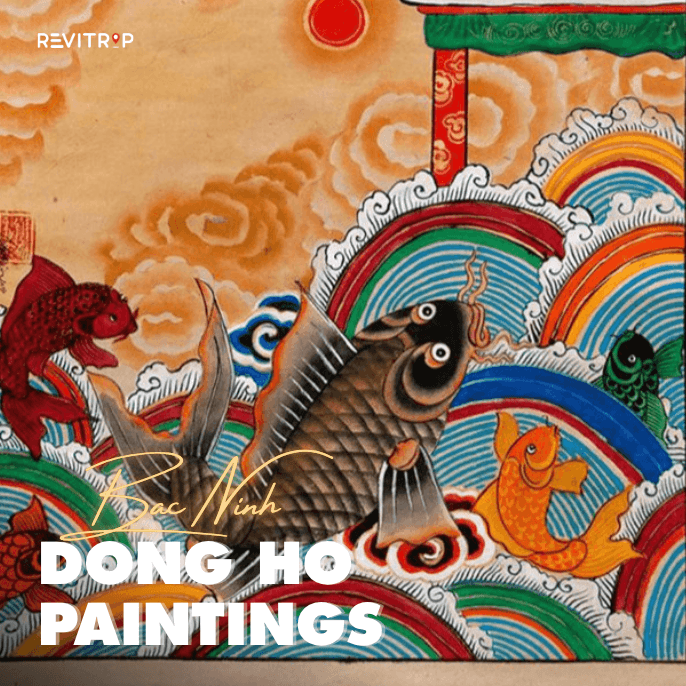
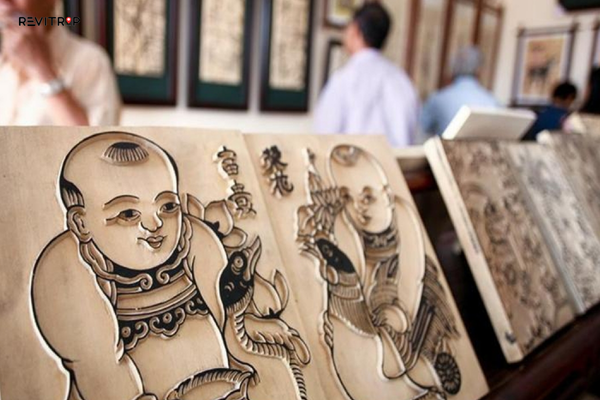
Dong Ho paintings are traditional Vietnamese woodblock prints. Artisans carve each design into wooden blocks, then print the image by hand, layer by layer. The colors often come from natural materials, which gives the finished work a warm and earthy feeling. The paper is also part of the beauty. It is traditionally coated with ground seashell powder, creating a soft shimmer that catches the light in a very quiet way.
The craft is slow and exact, even when the final image looks playful. Each color usually needs its own carved block, and each layer has to line up with care. That process gives Dong Ho paintings their clean shapes and strong folk character. The result feels festive without being glossy, decorative without losing its handmade soul.
The subjects are one of the reasons Dong Ho stays memorable. Many prints show animals linked with luck, abundance, and family life. Others show folk tales, moral lessons, children’s games, or scenes of village humor. The famous “Rat’s Wedding” is a perfect example. It looks charming at first glance, then reveals a sharp little satire about power, bribery, and social order.
How to Visit Dong Ho Village From Hanoi
Dong Ho is usually around one hour from Hanoi by car, depending on traffic and the exact starting point. For most foreign travelers, the simplest option is to hire a private car or book a cultural day trip that includes Bac Ninh. Independent visitors can also arrange a taxi or ride-hailing car, though it is better to plan the return trip before arriving, as the village is not as transport-friendly as central Hanoi.
A visit does not need a full day. Two to three hours is usually enough to see a workshop, learn the printing process, speak with an artisan if available, and choose a few prints to take home. The experience feels better when it is not rushed into a packed itinerary. Dong Ho has a quiet rhythm, and the craft reveals itself slowly through touch, texture, and explanation.
Weekdays are usually calmer, which makes them better for travelers who want time to observe. The weeks before Tet are more atmospheric because the paintings are strongly connected with the New Year season. During that period, the village can feel more alive, though arrangements may vary depending on workshops and local schedules.
What to Do in Dong Ho Village
The best way to begin is with an artisan workshop or family house that still keeps the craft alive. This is where Dong Ho becomes more than a name in a guidebook. Watching a print appear step by step helps you understand the patience behind the image. A block is pressed, a color lands, the paper is lifted, and a familiar folk scene slowly takes shape.
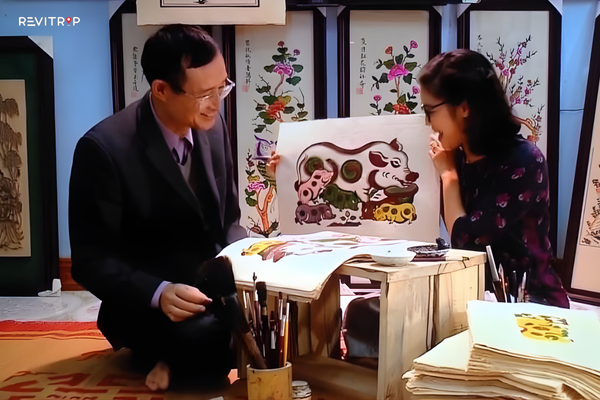
Ask about the woodblocks, paper, natural pigments, and meanings behind the prints. Even a short explanation can change the way you look at the artwork. A pig is rarely just a pig. A rooster can stand for strength and brightness. A folk wedding can carry social commentary. A scene of children can suggest family happiness and the hope for continuity.
After the workshop, spend time looking through the finished paintings. Small prints are easy to pack and make thoughtful souvenirs. They carry a story that is easier to remember than a generic gift from a souvenir stall. Choose one because the image speaks to you, not only because it looks pretty. Dong Ho works best when the symbol stays with you after the trip.
Is Dong Ho Worth Visiting?
Dong Ho is worth visiting if you are interested in Vietnamese culture beyond the major tourist route. It is a small craft village, so the experience depends on your curiosity and expectations. Travelers looking for dramatic sightseeing may find it too quiet. Travelers who enjoy art, symbolism, folk life, and handmade objects will likely find it meaningful.
The village also helps explain Vietnamese culture in a very grounded way. Heritage in Vietnam is not only found in temples, palaces, and ancient towns. It also lives in household images, New Year customs, village jokes, blessing symbols, and objects once made for ordinary families. Dong Ho keeps that softer layer of memory alive.
For a Hanoi-based itinerary, Dong Ho can be a refreshing cultural pause. It gives you a reason to leave the capital for a few hours and enter the Red River Delta’s craft world. The trip is short, but the images feel older than the road that brings you there.
Like water puppetry, Dong Ho paintings grew from the cultural world of the Red River Delta, where farming life, village festivals, and folk humor shaped some of Vietnam’s most recognizable traditions.
Suggested Half-Day Itinerary From Hanoi
Leave Hanoi after breakfast and aim to reach Dong Ho village in the morning. Start with an artisan workshop, where you can learn how the paintings are made and see the woodblocks up close. Give yourself enough time to ask questions and browse the prints without treating the visit like a quick stop.
After Dong Ho, you can return to Hanoi for lunch or continue to another cultural site in Bac Ninh. But Thap Pagoda is a good addition if you want to build a fuller day around traditional culture, Buddhism, and craft heritage. If your schedule is tight, keep the day simple and let Dong Ho be the focus.
The trip works especially well for travelers who have already seen Hanoi’s Old Quarter, museums, and main landmarks. It adds a smaller, more tactile layer to the capital region, showing how art, ritual, humor, and daily life can meet on one sheet of printed paper.
FAQ
Dong Ho painting is a traditional Vietnamese folk painting style from Dong Ho village in Bac Ninh Province. Each artwork is made through a woodblock printing process, using carved wooden blocks, handmade paper, and colors traditionally derived from natural materials. Many Dong Ho paintings are linked with Tet, family wishes, good fortune, humor, and scenes from everyday Vietnamese life.
Dong Ho village is in Bac Ninh Province, around one hour from Hanoi by car, depending on traffic. It is one of the best places near Hanoi to learn about Vietnamese woodblock prints and traditional craft culture. The village is small, so most visitors come for a half-day trip rather than a full-day itinerary.
Vietnamese woodblock prints like Dong Ho paintings are made by carving designs into wooden blocks, then pressing each color layer onto paper by hand. Traditional Dong Ho paper often has a soft shimmer because it is coated with ground seashell powder. This handmade process gives each print a warm, textured look that feels very different from modern printed souvenirs.