Hai Phong Museum Review: Gothic Heritage Free Admission
Is Hai Phong Museum worth visiting? Yes, the museum delivers exceptional cultural experience completely free offering Gothic 1918 architecture, over 22,000 artifacts, 16 exhibition rooms, and comprehensive city history. Located 66 Dien Bien Phu Street central Hai Phong, operates Tuesday through Sunday 8am to 5pm with 11am to 2pm lunch break. Free admission throughout 2026 makes it accessible for everyone exploring port city heritage, maritime history, and local culture. Worth visiting for history enthusiasts, architecture lovers, families, and travelers wanting Hai Phong understanding beyond beaches.
Quick Facts
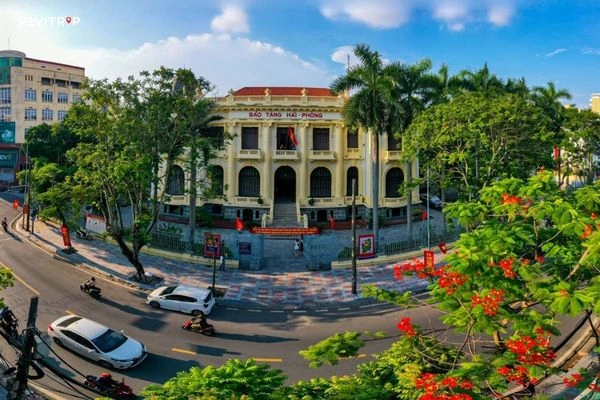
Location: 66 Dien Bien Phu Street, Hong Bang Ward
Hours: Tuesday-Sunday 8am-5pm, closed Monday, lunch 11am-2pm
Admission: FREE throughout 2026
Collection: 22,000+ artifacts, 11,400 photos, 3,200 documents
Rooms: 16 exhibition spaces including 12 permanent
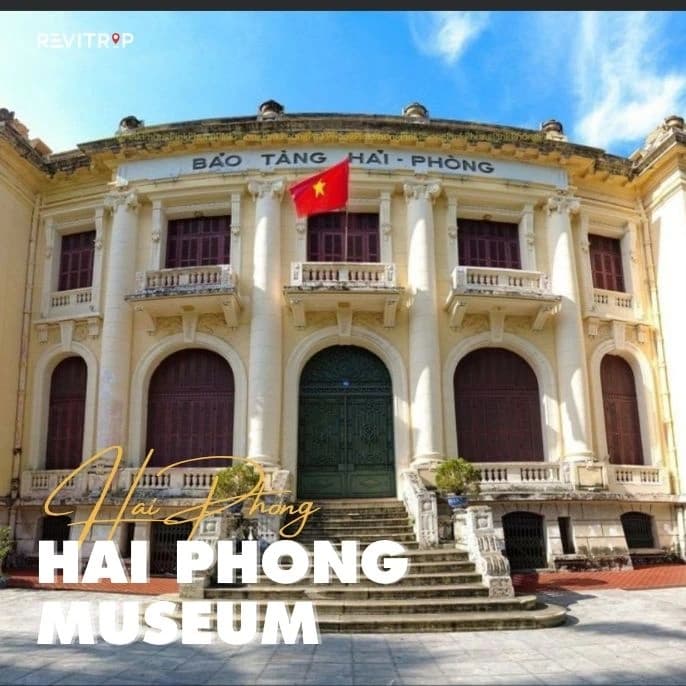
Architecture: Gothic 1918 former French-Chinese Bank
For Hai Phong guide see our city review.
Location and Architecture
Hai Phong Museum sits prominently 66 Dien Bien Phu Street in Hong Bang Ward offering convenient central access for visitors. The building rises as architectural gem showcasing Gothic European style rare in Vietnam. Walking distance from Opera House, Le Lai Old Quarter, Tam Bac Lake, and Nghe Temple enables straightforward single day itinerary combining multiple attractions.
Gothic architecture features symmetrical facade with paired columns rising two stories, gracefully curved arched doorways, and meticulously carved decorative elements. Warm earth tone exterior blends harmoniously with surrounding green spaces creating atmosphere simultaneously historic and elegant. The structure maintains original 1918 design integrity while incorporating modern museum standards for climate control and security.
Inside, high ceiling main hall welcomes visitors with impressive grandeur and logical layout across exhibition rooms. Lighting system carefully designed to both preserve delicate artifacts and enhance aesthetic presentation making displays visible without causing damage. The blend of classical European architectural elements with minimalist modern touches creates living art piece reflecting city historical and cultural identity evolution.
Building history spans from 1918 construction as French-Chinese Bank through 1955 liberation when it housed Banking College before transitioning to museum purpose 1958. Official inauguration December 20, 1959 marked it as Vietnam first provincial level museum establishing foundation for local heritage preservation movement nationwide. This pioneering role demonstrated importance of regional museums beyond national institutions.
For Hai Phong attractions see our complete guide.
Collection and Exhibits
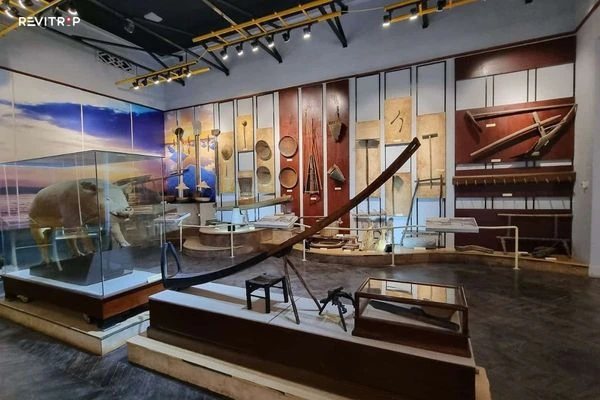
Museum houses impressive collection exceeding 22,000 artifacts, 11,400 archival photographs, 3,200 original documents, and 720 rare books spanning centuries of history. Exhibits include ancient ceramics revealing trade connections, bronze drums reflecting early civilizations, marine fossils documenting geological history, and traditional costumes from diverse ethnic groups living in Hai Phong area. Collection particularly strong in maritime history, port trade development, and resistance war materials from 1945 to 1975 periods.
Sixteen exhibition rooms organize content chronologically from ancient through medieval to modern periods plus dedicated thematic spaces covering maritime culture and local community life evolution. Twelve rooms display permanent collections rotating periodically while one room features special themed exhibits updated quarterly. Clear directional signage in Vietnamese and English, professional multilingual docent staff, and modern QR code app enable easy information access for domestic and international visitors.
Notable artifacts include Song dynasty pottery and porcelain demonstrating historical trade routes, Dong Son bronze drums reflecting sophisticated Bronze Age culture, prehistoric marine fossils showing geological evolution, ethnic minority traditional dress displaying cultural diversity, and religious folk items revealing spiritual practices. Ship models ranging from ancient junks to modern vessels, antique machinery showing industrial development, hand drawn colonial era maps, and cultural relics authentically recreate working life and resilient spirit across historical periods.
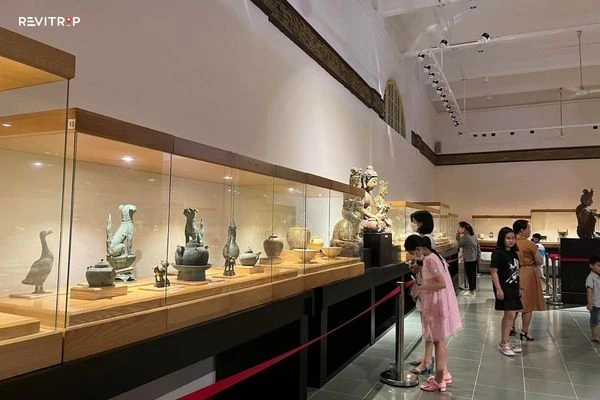
Maritime heritage displays showcase port development from small fishing village to major international trade hub connecting Hai Phong with global commerce networks. War era exhibits feature weapons used by resistance fighters, military uniforms from various periods, official documents recording historical decisions, and powerful photographs documenting struggle against French colonial and American forces. These materials receive high scholarly evaluation for historical accuracy, cultural significance, and preservation quality.
Hours and Programs
Museum operates Tuesday-Sunday 8am-5pm with 11am-2pm lunch break. Monday closed for maintenance. Major holidays and Tet may bring temporary closure. Check official website before visiting.
Free admission throughout 2026 removes financial barriers enabling broad access. Special programs, interactive classes, themed tours may charge separate fees. Monitor announcements for specific schedules and costs.
Year 2026 exhibitions include “Vietnam Sea and Islands” celebrating maritime sovereignty and “Urban Renewal Hai Phong” chronicling transformation. Outdoor “Folk Culture” recreates traditional life. Seminars and panels enable researcher public exchange.
Educational programs feature “Living with Artifacts” tour where students role play archaeologists. “Junior Guide” class develops presentation skills. Hands-on activities include pottery workshops, traditional markets, costume try-ons. Academic tours combine with Hai Phong General Science Library.
Find tours Klook.
Heritage Role and Tips
Museum serves central hub connecting historical sites, temples, old quarters, ports. Manages 50+ heritage sites plus thousands artifacts becoming digital archive center. Proactively revives traditional festivals conserving intangible cultural values. Community donations increasing demonstrate successful public engagement.
For culture see our Hai Phong nightlife guide.
Best visiting October through April for cool mild weather. Special exhibitions update around city founding May 13 or Cultural Heritage Day November 23 featuring rare displays and panels.
Photo spots include main hall Gothic architecture, antique wooden staircase, arched doorways, “Old City” exhibition room, front facade. Morning or midday natural light best. Docents suggest seasonal locations.
From central position easily combine Opera House, Le Lai Old Quarter, Tam Bac Lake, Nghe Temple, Sat Market visits. Extended itineraries pair museum with Cat Ba Island via Sun World cable car.
Final Verdict
Hai Phong Museum delivers outstanding cultural heritage experience with completely free admission, magnificent Gothic 1918 architecture, and comprehensive 22,000+ artifact collection spanning ancient to modern periods documenting port city evolution. Location 66 Dien Bien Phu Street provides convenient central access with walking distance from Opera House, Le Lai old quarters, Tam Bac Lake, and major city attractions.
Zero cost entry throughout 2026 removes all financial barriers making museum accessible for every budget level. Sixteen thoughtfully organized exhibition rooms display content chronologically with clear bilingual signage and professional multilingual docent support. Gothic European architectural elements featuring symmetrical columns, gracefully arched doorways, and intricate hand carvings create elegant historic atmosphere transporting visitors to colonial era while modern museum standards ensure artifact preservation.
Hai Phong Museum absolutely justifies visit delivering premium quality free cultural experience in stunning historic Gothic setting. Essential stop for anyone wanting authentic understanding of Hai Phong history, maritime heritage evolution, and local cultural identity beyond superficial beach island tourism.
Visited Hai Phong Museum? Exhibits quality? Gothic architecture impressions? Free value assessment? Share experiences!
FAQ
Yes, completely free admission throughout 2026. Zero cost policy promotes heritage access for all visitors including students, families, budget travelers. Special programs like interactive classes or workshops may charge separate fees depending on materials. Basic entry and permanent collections viewing remains free. Check official announcements for specific program costs. Free policy combined with Gothic 1918 architecture and 22,000+ artifacts makes exceptional value cultural exploration.
Tuesday-Sunday 8am-5pm with 11am-2pm lunch break. Monday closed for maintenance. Major holidays like Tet may bring temporary closure. Verify schedule on official website or entrance bulletin before arriving. Afternoon visits after 2pm tend less crowded than mornings. Arrive early for special exhibitions during peak May 13 city founding or November 23 heritage day when attendance increases.
Typical visit requires 1.5 to 2 hours covering 16 rooms and major collections. History enthusiasts may spend 3 to 4 hours examining detailed displays and 22,000+ artifacts thoroughly. Quick highlights only take 45 minutes to 1 hour. Families with children in activities allocate 2 to 3 hours. Special exhibitions require additional time. Combining with nearby Opera House, old quarter, lake creates half day. Full day pairs museum morning with Cat Ba ferry or Do Son Beach afternoon.