Tet Holiday is Vietnam’s most important celebration, marking the lunar new year with vibrant traditions and family gatherings. In 2026, Tet begins on February 17, bringing the Year of the Horse with nine days of festivities from February 14-22.
Understanding Tet Holiday helps travelers and culture enthusiasts appreciate Vietnamese traditional tet holiday customs. This celebration includes ancestor worship, lucky money giving, special foods, and spring flower displays. These time-honored rituals embody the heart of Vietnamese culture, passed down through generations.
This complete guide reveals everything you need to know about Tet Holiday 2026. You’ll learn celebration customs, traditional foods, festival activities, and travel tips for experiencing this magical time in Vietnam.
What Is Tet Holiday and When Does It Happen?
Tet Holiday celebrates the Vietnamese Lunar New Year, the nation’s most significant festival. The celebration marks the dawn of a new year according to the traditional lunar calendar. Dates change annually, typically falling between mid-January and late February.
In 2026, Tet Holiday begins on February 17, welcoming the Year of the Horse. The official celebration spans three days but often extends to an entire week. The celebration divides into preparation days, New Year’s Eve, and the New Year days that follow.
The first important ritual occurs on the 23rd day of the twelfth lunar month. Families honor Ong Tao, the guardian of the family kitchen fire. This spiritual practice fosters hope for abundance and good fortune in the coming year.
The Cultural Significance of Tet Holiday
The Tet Holiday carries profound spiritual values and deep emotional ties for Vietnamese people. This celebration has roots dating back to the time of the Hung Kings, making it a purely Vietnamese heritage. Ancient texts mention Vietnamese traditional tet holiday as occasions when people gathered to dance, sing, and feast together.
Today, Tet symbolizes the connection between heaven, earth, humanity, and the divine. It represents a sacred time for family reunions across Vietnam. The celebration serves multiple purposes in Vietnamese culture.
Tet bids farewell to the old year while welcoming the new one. Families share wishes for health, abundance, and harmony. The holiday also upholds the moral principle of remembering one’s roots and appreciating heritage values.
Preparing Homes for Tet Holiday Celebrations
Vietnamese families begin Tet Holiday preparations well in advance. Most start a month or 1-2 weeks before the celebration. Thorough home cleaning removes remnants of the past year’s misfortunes and prepares for new luck and abundance.
Families discard old items and deep clean their houses. They decorate homes with various ornaments creating warm, joyful atmospheres. Typical decorations include red couplets, “cay neu” (a bamboo pole with decorations to ward off evil spirits), and specific Tet flowers.
Families also shop for new clothes, gifts, fresh flowers, fruits, preserves, and traditional dishes. This shopping helps prepare Tet feasts and entertain guests. Selecting appropriate gifts expresses affection, gratitude, and best wishes for family and friends.
Traditional Tet Holiday Rituals and Customs
Several important customs mark the Tet Holiday preparation period. Making offerings to the Kitchen God on the 23rd day of the twelfth lunar month starts the celebration countdown. This ritual signals the approaching new year.
Families prepare traditional cakes like “banh chung” and “banh tet.” They arrange the “5 fruits” tray for family altars, visit ancestors’ graves, and perform the “cung tat nien” (year-end ceremony). The celebration of New Year’s Eve marks the transition to the official Tet period.
The most crucial moment unfolds at midnight on New Year’s Eve. Families set up two ancestral altars – one for ancestor spirits and another for heaven and earth. This tradition signifies leaving behind past misfortunes to welcome forthcoming blessings.
Northern Vietnam Tet Foods
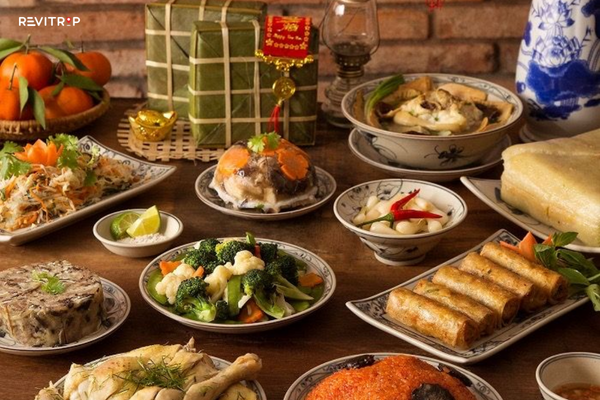
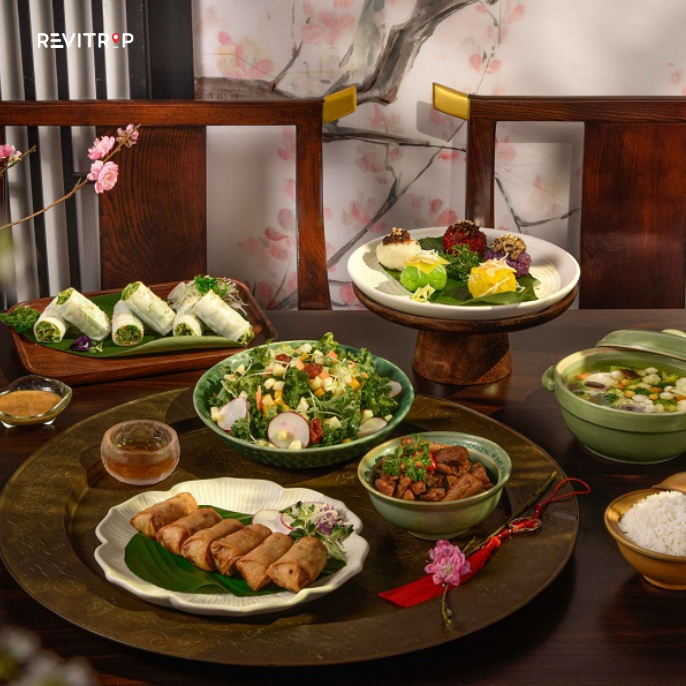
Northern Vietnamese traditional tet holiday foods emphasize dishes prepared for ancestral altars. Banh chung, a square-shaped cake symbolizing earth, remains essential during northern Tet celebrations. This dish cannot be missed on the family altar.
Xoi gac features a red color symbolizing luck and happiness. This dish appears as a must-have on northern Tet tables. Vietnamese pork roll typically occupies the center of Tet feasts, representing harmony and abundance.
Dried bamboo shoot soup reflects culinary practices of Vietnamese ancestors. These dishes together create the traditional northern Tet feast. They honor both ancestors and living family members during the Tet Holiday celebration.
Central Vietnam Tet Specialties
Central Vietnam’s Tet Holiday features distinctive flavors with rich, bold tastes. Banh tet, similar to banh chung but round, symbolizes fullness and completeness. These round cakes are essential in Central Vietnamese culture.
Pickled vegetables – sweet, sour, and crunchy carrots and papaya – accompany banh tet perfectly. Meat marinated in fish sauce proves popular across many Central provinces during every Tet celebration. This dish adds distinctive flavor to the feast.
Vietnamese beef roll, with its beautiful red-pink appearance, graces Central Tet tables. These dishes reflect the unique culinary identity of Central Vietnam. They showcase regional variations within broader Vietnamese culture traditions.
Southern Vietnam Tet Dishes
Southern Vietnamese traditional tet holiday celebrations feature their own special dishes. Banh tet remains essential, similar to Central region traditions. Southern preparations add unique local variations to this classic cake.
Vietnamese braised pork belly appears in large pots signifying prosperity and family togetherness. Families prepare big batches of this dish symbolizing abundance. Stuffed bitter melon soup symbolizes pushing past difficulties while welcoming happiness and good fortune.
Chinese sausage, popular in Southern Vietnam during Tet Holiday, offers delicious, fragrant taste. Cooks prepare it in various ways across different households. These dishes create the distinctive Southern Tet feast experience.
Flowers and Plants for Tet Decorations
Vietnamese people traditionally decorate homes with flowers and plants during Tet Holiday. These decorations bring vitality and joy to households. Each flower carries symbolic meaning important to Vietnamese culture.
Peach blossoms, familiar in the North, feature vibrant pink and red colors. They symbolize growth, prosperity, and good luck. Yellow apricot blossoms represent Tet in the South, with yellow symbolizing luck, wealth, and happiness.
Sword lilies mean good luck, prosperity, and warding off negative energies. Gerberas represent wealth and good fortune. People often give them as gifts conveying New Year wishes. Chrysanthemums symbolize longevity and attract luck and wealth to families.
Tet Trees and Their Meanings
Beyond flowers, several trees hold special significance during Tet Holiday celebrations. Kumquat trees appear in Northern Tet with green leaves and vibrant yellow fruits. They symbolize luck, peace, joy, and prosperity in Vietnamese culture.
Fig trees represent abundance and prosperity. Families choose them for decorations wishing for prosperous, full years. Money plants remain vibrant year-round, signifying richness, wealth, and prosperity.
Gold coin trees feature auspicious names and bright red colors. They attract wealth and bring fortune and luck into homes. These trees enhance the festive atmosphere while conveying meaningful wishes.
Ancestor Worship During Tet
Vietnamese people believe ancestor spirits journey to another world yet continue existing around the living. During important meals from New Year’s Eve through the first three days, families perform ancestor worship rituals. These ceremonies honor departed family members.
The ancestral altar receives thorough cleaning before Tet. Families display delicious dishes, Tet flower arrangements, and five-fruit trays. This demonstrates deep respect for ancestors and shows devotion to Vietnamese traditional tet holiday practices.
Paying respect calls upon ancestor spirits to gather and enjoy meals prepared by descendants. This practice hopes for prosperous, peaceful new years. It maintains connections across generations in Vietnamese culture.
Giving Lucky Money Traditions
“Li xi” describes the custom of placing money in small, brightly decorated envelopes. This Tet Holiday tradition celebrates youth and honors elders. On the first day, families visit relatives and neighbors or gather around dining tables.
Adults give lucky money to children celebrating their youth. The elderly receive it with wishes for long life. This beautiful cultural tradition expresses hope for good luck and fortune. The practice starts from the first days of the new year.
Lucky money giving shows care for younger generations while honoring elders. It embodies the Vietnamese culture value of respecting both youth and age. This tradition remains central to Tet celebrations across Vietnam.
Visiting Family According to Custom
The official Tet Holiday period spans three days from the first to third day of the first lunar month. This symbolizes fresh starts for prosperous new years. Vietnamese customs designate specific days for visiting different family members.
First, “Mong 1 tet cha” – the first day visits paternal relatives.
Then “Mong 2 tet me” – the second day visits maternal relatives.
Finally “Mong 3 tet thay” – the third day pays respects to teachers.
This tradition showcases deep-rooted respect for educators in Vietnamese culture. Families celebrate elderly longevity, offer lucky money to children, and exchange well wishes. These visits strengthen family bonds during safe, prosperous years.
Cultural Festivals During Tet
The Tet Holiday period features numerous cultural festivals throughout Vietnam. The Dao People’s New Year Dance Festival in Sapa includes 14 distinct traditional dances. People gather around fires celebrating together with music and dance.
Perfume Pagoda Festival in My Duc, Hanoi, attracts many tourists. Visitors explore Buddhist sacred sites and enjoy scenic beauty. Dong Ky Village Firecracker Parade in Bac Ninh features activities like parading traditional relics.
Tich Dien Doi Son Festival in Ha Nam reflects reverence for ancestral origins. This festival has long history in Vietnamese culture. Dong Da Festival in Hanoi honors King Quang Trung’s glorious victories with drum performances and historical reenactments.
Fireworks and Public Celebrations
Every year when Tet Holiday arrives, fireworks displays remain essential on New Year’s Eve. This tradition has long history originating from ancient legends. Fireworks ward off evil spirits and bring good fortune.
Fireworks symbolize hope for peaceful, lucky years ahead. During lunar and Gregorian New Year celebrations and various public holidays, Vietnam organizes numerous free fireworks displays. These take place in public spaces across cities.
People gather to enjoy fireworks and wish for happiness and health. This spectacular tradition brings communities together. Everyone celebrates the arrival of the new year across Vietnam.
Lion and Dragon Dance Performances
Lion and dragon dances have been part of Vietnamese culture for generations. These performances became distinctive features of Vietnamese traditional tet holiday celebrations. The dances typically perform at temples and pagodas during Tet.
The performances symbolize hopes for luck, success, and good fortune. Vibrant colors like red and gold in costumes represent strength, beauty, and good luck. These bright colors enhance the festive atmosphere in Vietnamese culture.
Communities gather to watch these energetic performances. The dances add excitement and traditional flavor to Tet Holiday festivities. They connect modern celebrations with ancient cultural practices across generations.
Temple and Pagoda Visits
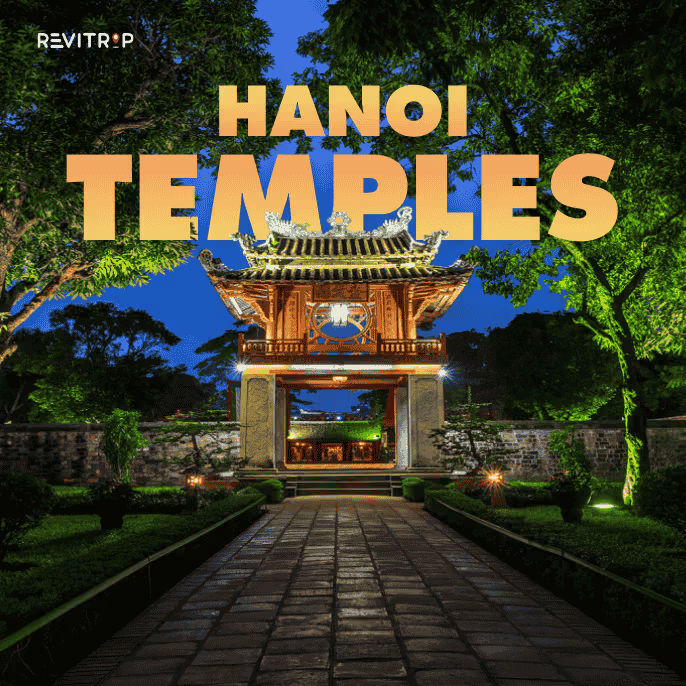
During the first three days of Tet Holiday, Vietnamese families visit pagodas and temples. They pray for health, happiness, and good fortune in the coming year. As midnight strikes on New Year’s Eve, many embark on pilgrimages to nearby pagodas.
Visitors offer prayers for their well-being and loved ones’ welfare. Many believe all wishes made on New Year’s Eve will come true. This adds spiritual significance to these visits during Vietnamese culture celebrations.
Temple visits embody the spiritual aspects of Tet celebrations. They connect festivities with Buddhist traditions across Vietnam. This practice reflects the deep spiritual connection woven into Tet.
Best Destinations for Tet Travel
For memorable Tet Holiday experiences, consider visiting major Vietnamese cities. Hanoi, Ho Chi Minh City, Phu Quoc, Nha Trang, Hoi An, and Ha Long offer excellent celebrations. These locations provide lively activities and culturally significant customs.
You can savor delicious Tet dishes and admire festive decorations in these cities. Each location offers chances to immerse in Tet atmosphere and participate in unique festivals. Regional differences make each destination special.
Hanoi showcases Northern traditions while Ho Chi Minh City represents Southern customs. Coastal cities like Nha Trang and Phu Quoc offer beach celebrations. Hoi An and Ha Long provide scenic, cultural experiences worth experiencing.
Travel Planning Tips
When traveling to Vietnam during Tet Holiday, pay close attention to transportation. Services become overcrowded during major holidays across the country. Book flights, trains, and buses as early as possible. This avoids shortages and secures better prices.
Regarding places to stay, book hotels and resorts well in advance. Popular destinations fill quickly during this peak travel period. Favorable weather forecasts attract more travelers to Vietnam during Tet.
Plan your trip allowing flexibility for spontaneous festival visits and family gatherings. Understanding Vietnamese traditional tet holiday customs helps travelers navigate celebrations respectfully. This preparation makes experiences more enjoyable.
Common Tet Holiday Greetings and Wishes
Learning basic Tet Holiday greetings enhances your cultural experience in Vietnam. “Sức khoẻ dồi dào” wishes good health to recipients. “Sống lâu trăm tuổi” wishes longevity, popular for elders in Vietnamese culture.
“Hay ăn chóng lớn” tells children to eat more and grow quickly. “An khang thịnh vượng” wishes prosperity for the new year. “Phát tài phát lộc” wishes wealth and good fortune.
“Vạn sự như ý” means “may all your wishes come true.” “Năm mới cát tường” wishes a lucky New Year. These greetings show respect and share good wishes during celebrations across Vietnam.
Conclusion
Tet Holiday stands as a vibrant example of Vietnam’s rich cultural heritage. This annual celebration showcases Vietnamese traditional tet holiday customs deeply rooted in tradition. The festivities highlight family values, gratitude, and renewal cherished throughout Vietnamese culture.
The 2026 Tet Holiday from February 14-22 brings the Year of the Horse. Favorable weather conditions create perfect settings for celebrations across all regions. You can experience ancestor worship, receive lucky money, enjoy traditional foods, and participate in cultural festivals.
The festive spirit, intricate customs, and delicious cuisine make Tet Holiday special. These elements foster unity and spread joy throughout Vietnam. Plan your visit now to experience this celebration, honor ancient traditions, and welcome the new year with Vietnamese families!
Tet Holiday 2026 begins on February 17, welcoming the Year of the Horse. The official celebration spans nine days from Saturday, February 14 to Sunday, February 22. According to the lunar calendar, festivities run from the 27th day of the 12th month through the 6th day of the first month. The celebration divides into three main periods: preparation days, New Year’s Eve, and the three official Tet days when families visit relatives following traditional customs.
The most important Tet Holiday traditions include ancestor worship, giving lucky money, and family visits. Families clean ancestral altars and display traditional foods, flowers, and five-fruit trays to honor ancestors. Adults give “li xi” (lucky money) in red envelopes to children and elderly, expressing wishes for good luck. Vietnamese traditional tet holiday customs designate specific visiting days: first day for paternal relatives, second day for maternal relatives, and third day for teachers, showcasing respect for educators in Vietnamese culture.
Essential Tet Holiday foods vary by region but share cultural significance. Northern Vietnam features banh chung (square rice cake symbolizing earth), xoi gac (red sticky rice for luck), and Vietnamese pork roll representing harmony. Central Vietnam serves banh tet (round cakes for completeness), pickled vegetables, and beef roll. Southern regions prepare banh tet, braised pork belly (symbolizing prosperity), stuffed bitter melon soup (pushing past difficulties), and Chinese sausage. All regions display traditional dishes on ancestral altars honoring Vietnamese culture and family heritage.