Can Tho
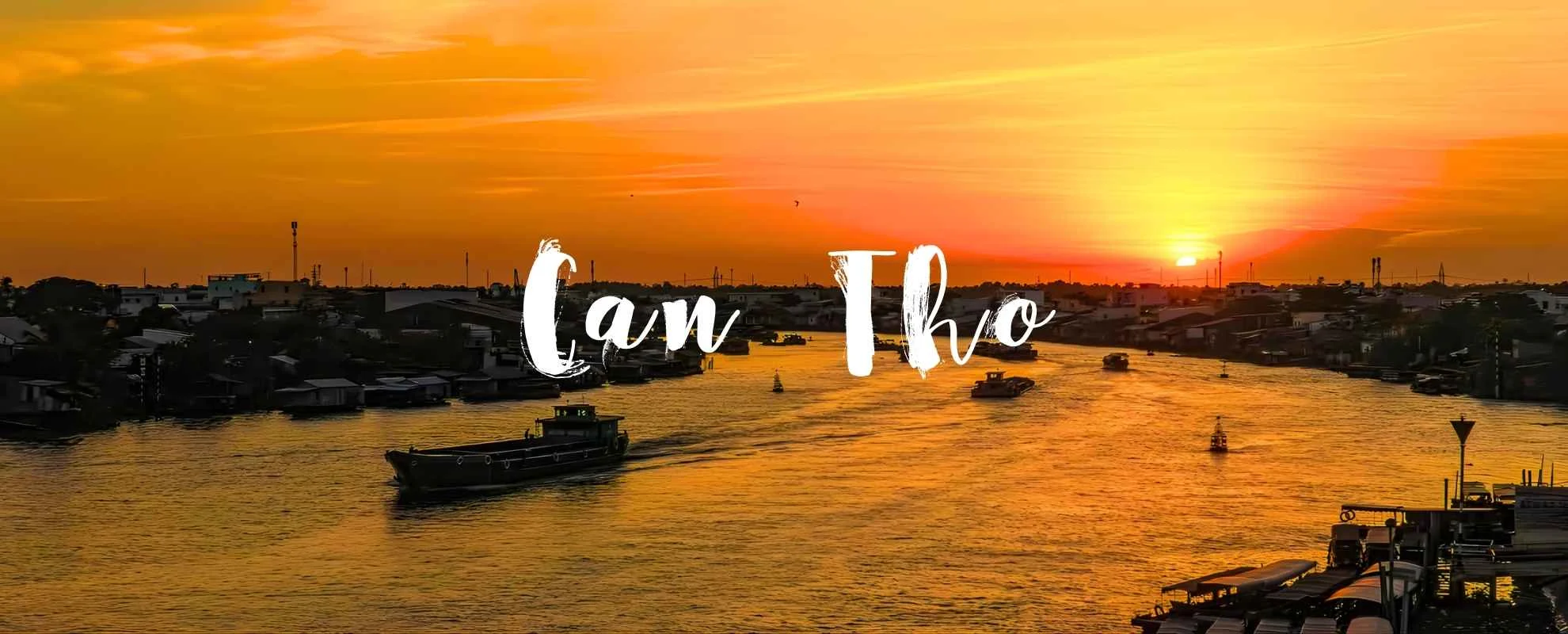
Can Tho is the beating heart of the Mekong Delta. Known locally as Tay Do, the capital of the southwest, this riverside city is the largest and most developed in the region. Life here revolves around the water. Canals weave through the city and surrounding countryside, connecting villages, orchards, and markets that have operated the same way for generations. Yet Can Tho is no museum piece. Its riverside promenade buzzes with cafes and restaurants. Its food scene is among the most distinctive in southern Vietnam. For travellers wanting to understand the Mekong Delta beyond a day trip from Saigon, Can Tho is the place to base yourself.
Top things to do in Can Tho
Rise Early for Cai Rang Floating Market
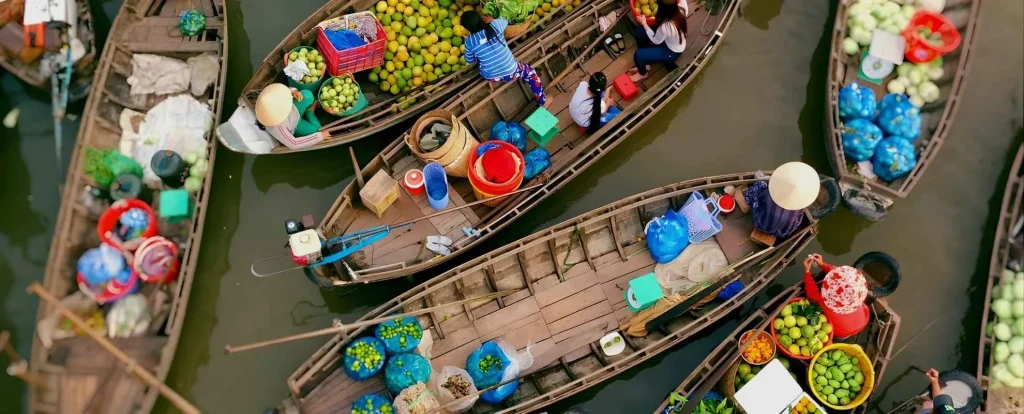
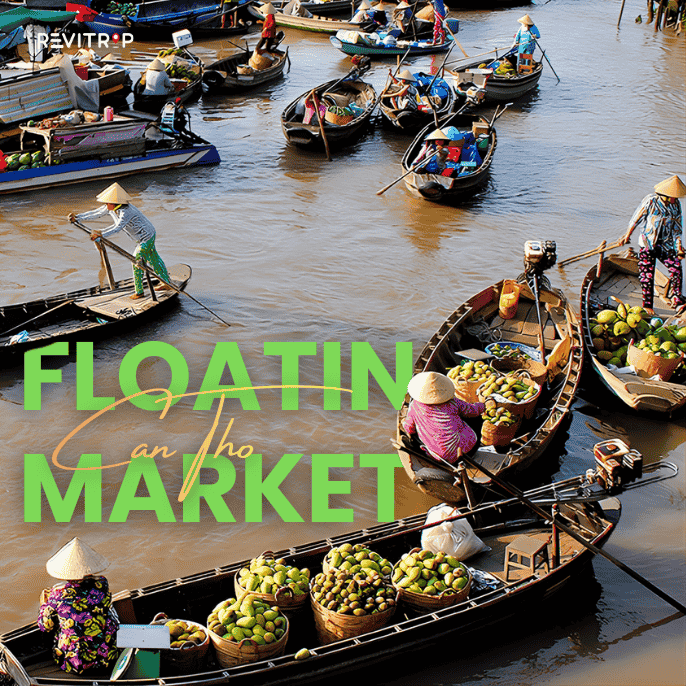
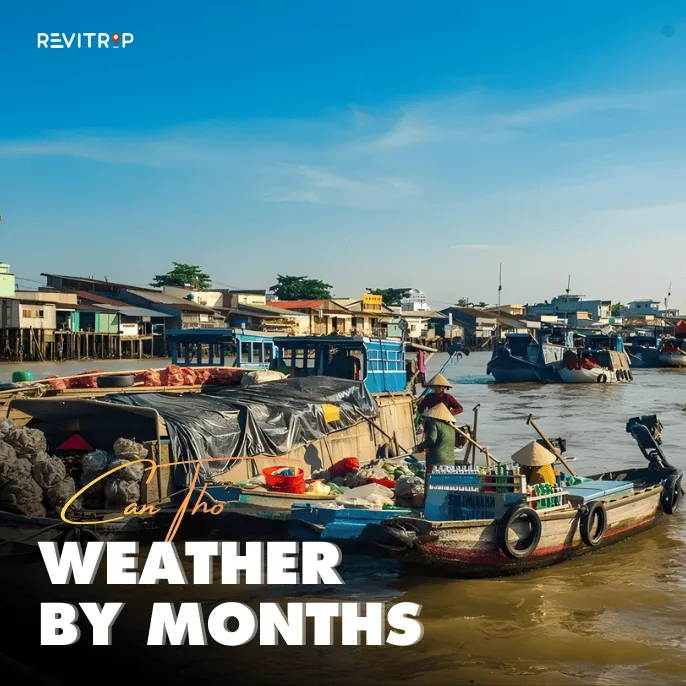
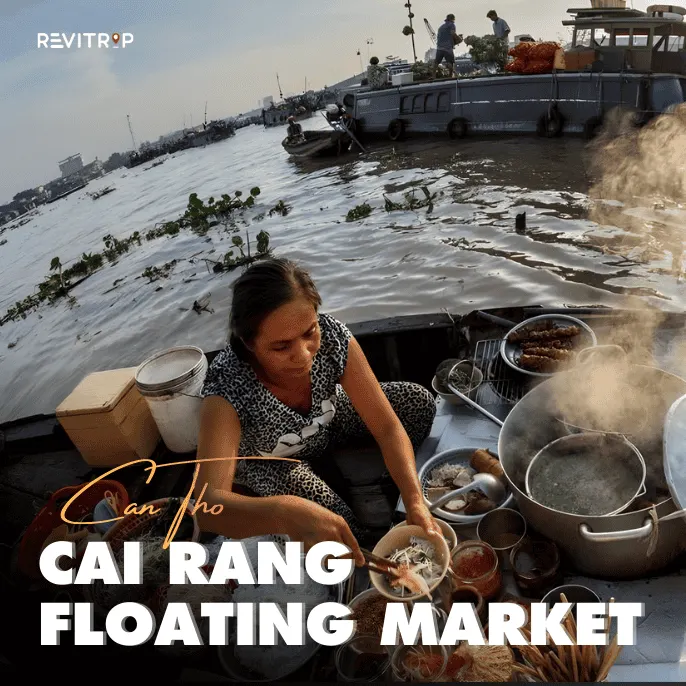
Cai Rang is the largest floating market in the Mekong Delta and one of the most iconic scenes in all of southern Vietnam. Hundreds of wooden boats gather each morning on the Can Tho River, piled high with fruit, vegetables, and local produce. Vendors hang their goods from tall poles to signal what they are selling. The market is at its most vibrant between 5 and 8 in the morning. Go by small boat from Ninh Kieu Wharf and arrive before sunrise for the full experience.
Explore the Mekong Waterways by Boat
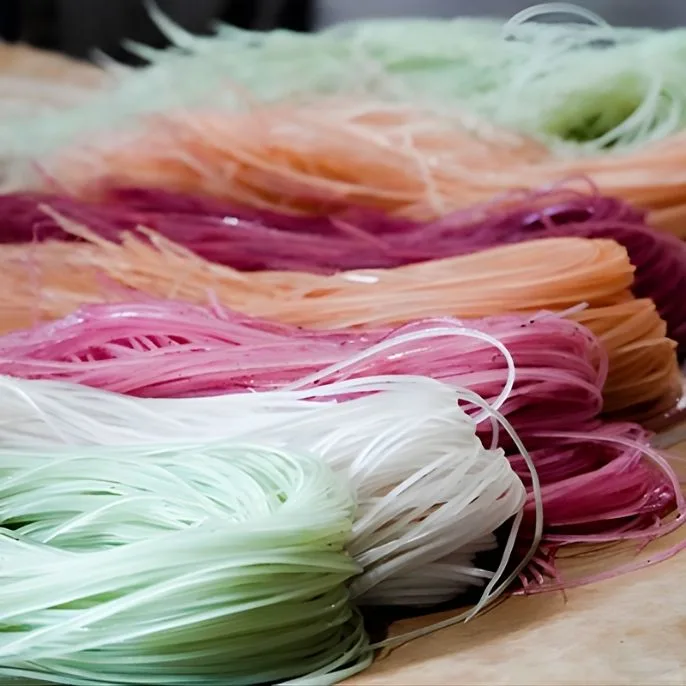
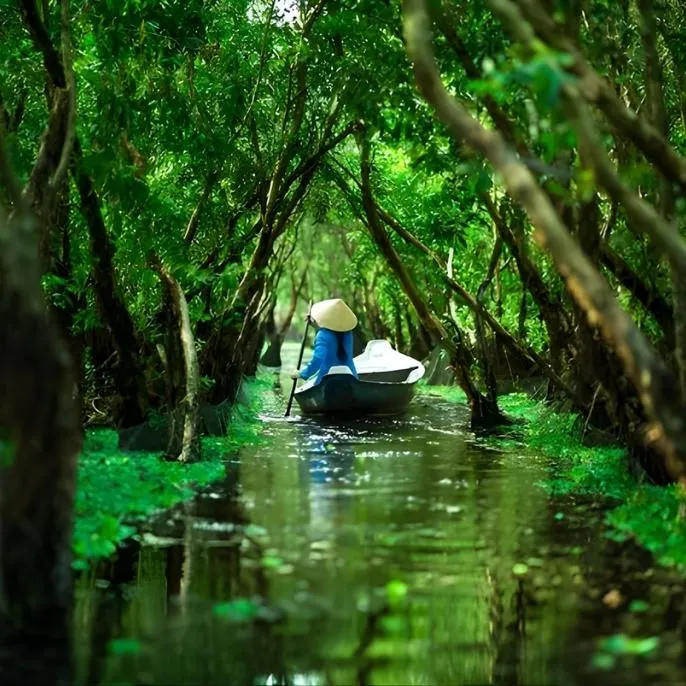
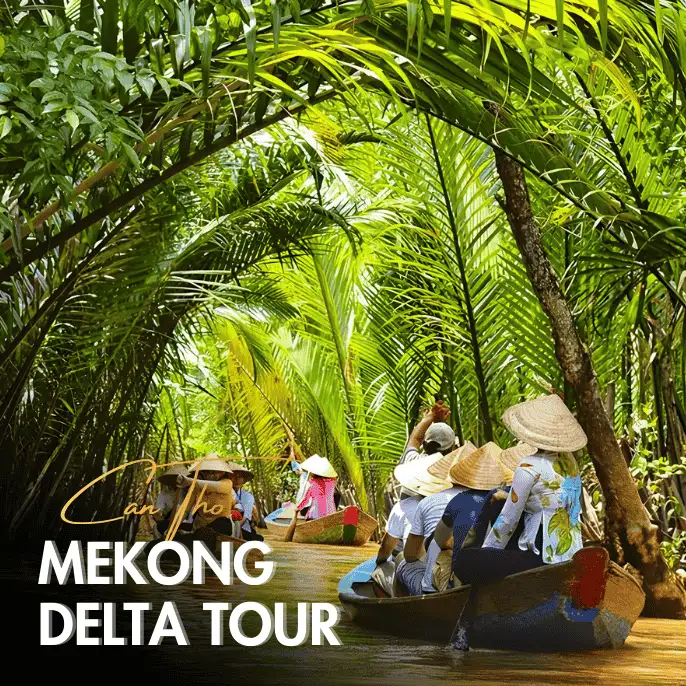
Beyond Cai Rang, the network of canals and river tributaries surrounding Can Tho rewards those who slow down and explore. Community-based boat tours wind through narrow waterways past fruit orchards, rice paper workshops, and fishing villages where daily life carries on undisturbed by tourism. Some tours include lunch with a local family. Others stop at traditional craft villages along the riverbank. It is the kind of travel that feels genuinely immersive rather than performed.
Step Back in Time at Binh Thuy Ancient House
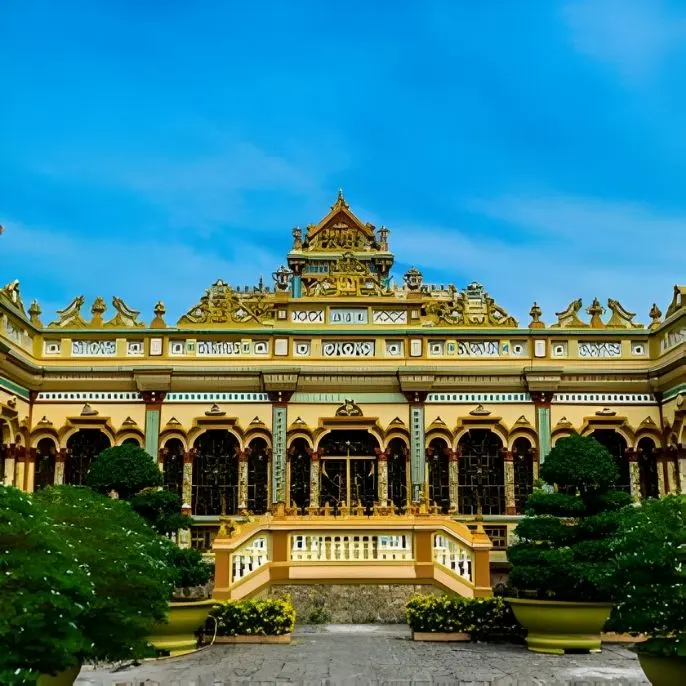
Built in the 1870s by a wealthy Mekong merchant family, Binh Thuy Ancient House is a remarkable example of the blend between Vietnamese and French architectural styles. Ornate European tiles sit alongside traditional wooden interiors and a lush garden courtyard. The house gained international recognition as a filming location for the 1992 French film The Lover. It was designated a National Architectural and Artistic Monument in 2009 and remains one of the most beautiful historic buildings in the south.
Visit the Orchards of Phong Dien
About 20 kilometres from the city centre, the Phong Dien district is where the Mekong Delta’s agricultural abundance becomes tangible. Fruit orchards line the riverbanks, heavy with rambutan, longan, jackfruit, and dragon fruit depending on the season. Local guides lead visitors through the trees, explaining cultivation methods and offering tastings straight from the branch. It is a relaxed and genuinely enjoyable way to spend a morning, especially for families.
Stroll Along Ninh Kieu Wharf at Dusk
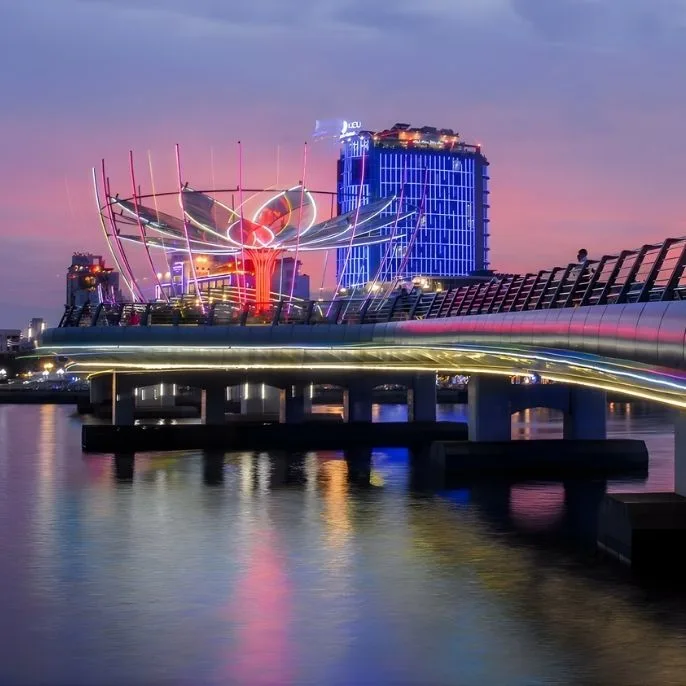
Ninh Kieu Wharf is the social heart of Can Tho. Stretching along the bank of the Hau River, this busy waterfront promenade is where locals gather every evening to walk, eat street food, and watch the river traffic pass. The illuminated Ninh Kieu Pedestrian Bridge, decorated with glowing lotus flowers, is a highlight after dark. Riverside restaurants serve fresh Mekong fish and local dishes at very reasonable prices. It is an ideal place to end any day in the city.
Taste the Flavours of the Mekong Delta
Can Tho’s cuisine reflects the fertile abundance of the Delta and the influence of Khmer, Chinese, and Cham communities who have shaped the region’s food culture over centuries. Hu tieu, a light but deeply savoury noodle soup made with pork and seafood, is a local breakfast staple. Banh cong, a crispy fried shrimp and mung bean cake, is the snack of choice in the afternoon. Nem nuong, grilled pork skewers served with rice paper, herbs, and dipping sauce, rounds out a street food scene that is entirely its own.
Can Tho Weather
Can Tho has a tropical climate with two clear seasons. The dry season runs from December to April, bringing warm sunny days and ideal conditions for outdoor exploration and boat trips. This is the best time to visit. The rainy season runs from May to November, with the heaviest rain falling between July and September. However, showers tend to be short rather than all-day affairs. June to August is fruit harvest season, when the orchards are at their most abundant. September to November brings seasonal flooding that creates its own unique riverine scenery. Temperatures stay warm year-round, averaging around 28 degrees Celsius.
Can Tho Transport
Can Tho International Airport sits around 15 kilometres from the city centre, with direct flights from Hanoi, Ho Chi Minh City, and Da Nang. From Ho Chi Minh City, buses depart regularly from Mien Tay station and take around three to four hours via the CT01 expressway. Private cars cover the same route comfortably in three hours. No direct train service runs to Can Tho, so travellers coming by rail should travel to Ho Chi Minh City first and connect by bus. Once in the city, motorbikes and bicycles are the most practical ways to explore the canals and surrounding countryside. Taxis and Grab are also widely available for shorter trips.

Gallery
You may also like




Nearby places