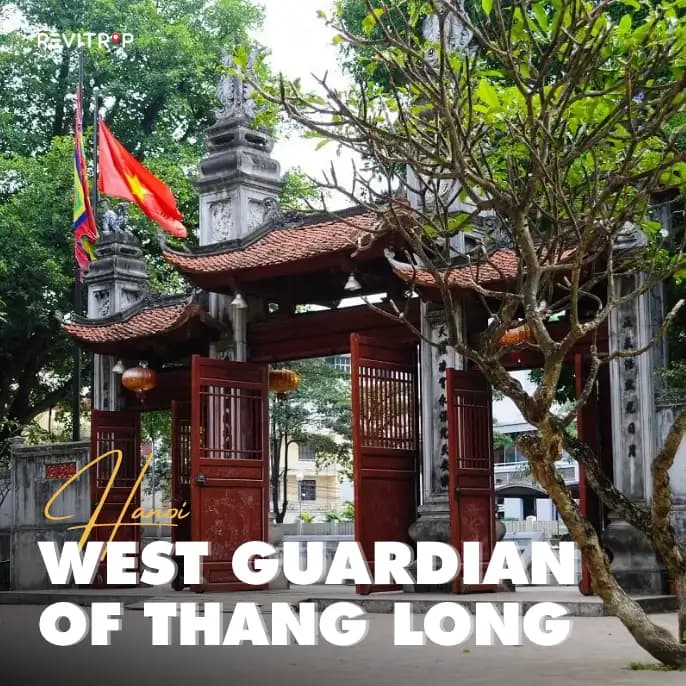
Voi Phuc Temple Hanoi: The West Guardian of Ancient Thang Long
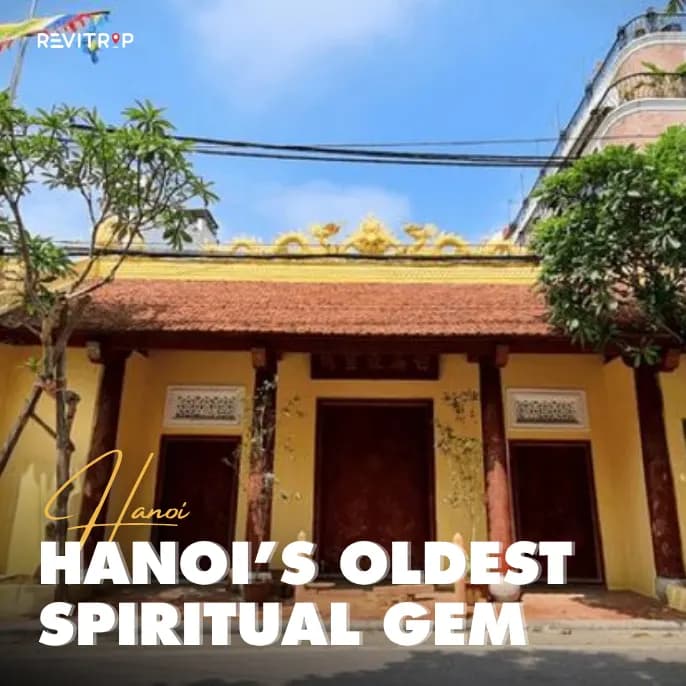
Voi Phuc Temple is one of the most peaceful historical sites in Hanoi. Located west of the Imperial Citadel and beside Thu Le Park, this ancient structure has guarded the western boundary of Thang Long since the Ly dynasty. It honors a prince who died in battle defending his father’s kingdom, and its name, which translates as kneeling elephant, comes from the two stone elephant statues that stand at its entrance. Away from the intensity of the Old Quarter, Voi Phuc Temple offers a quieter, more contemplative encounter with Hanoi’s deep historical roots. This guide covers the history, what to see, and how to visit.
1. What Is Voi Phuc Temple?
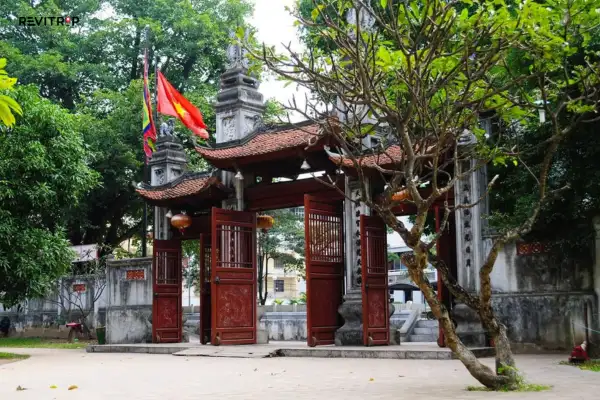
Voi Phuc Temple is the western guardian of the Four Guarding Temples of Thang Long. These four temples once formed a spiritual and symbolic boundary around the imperial city of ancient Hanoi. Bach Ma guards the east, Quan Thanh the north, Kim Lien the south, and Voi Phuc the west.
Together, the four are known historically as the four towns of Thang Long. Each reflects a different chapter of Hanoi’s dynastic history. Voi Phuc’s chapter is one of sacrifice, filial devotion, and the military struggles of the Ly dynasty against Chinese Tong invaders.
“Voi Phuc Temple sits beside the zoo and the park, surrounded by trees and open space. It is one of those Hanoi sites that rewards the traveler who steps off the main tourist circuit and follows a quieter street.”
2. The History of Voi Phuc Temple
The Prince It Honors
Voi Phuc Temple was built to honor Prince Hoang Chan, known posthumously as Linh Lang Dai Vuong. He was the son of King Ly Thai Tong, who ruled from 1000 to 1054. The prince died in battle while leading forces to defend his father’s kingdom against Chinese Tong invaders. His death in service of the kingdom made him a figure of devotion, and the temple was built at this western location to honor his memory and protective spirit.
The Ly dynasty built Voi Phuc Temple as both a memorial and a site of ongoing spiritual protection for the city. That dual purpose, commemorating the dead while invoking their continued guardianship, defines the religious logic of all four Thang Long guardian temples.
The Elephant Legend
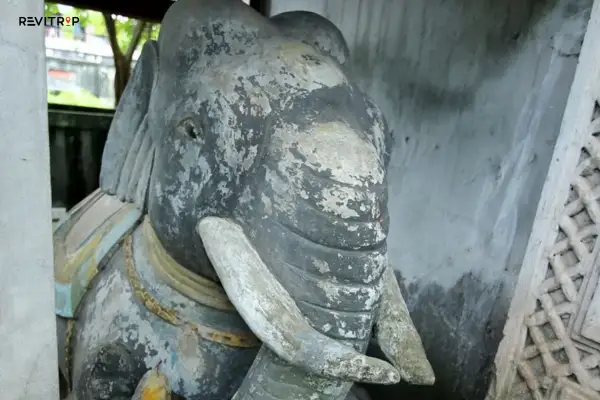
The name Voi Phuc translates as kneeling elephant. Two large stone elephant statues stand at the temple entrance, both posed in a kneeling position. The story behind them connects directly to Prince Hoang Chan.
According to tradition, the prince rode to battle on an elephant sent by his father the king. The kneeling posture of the stone elephants represents submission and devotion, reflecting both the prince’s loyalty and the elephant’s role in his final campaign. The statues are among the most photographed elements of the temple and give the site its instantly recognizable visual identity.
3. What to See at Voi Phuc Temple
The temple grounds and interior reward careful attention across several distinct areas.
Exterior and entrance:
- The two large kneeling stone elephant statues flanking the main gate
- Wide garden walkways lined with mature trees creating a naturally shaded approach
- Traditional pagoda roofline featuring phoenix, dragon, and unicorn carvings visible from the forecourt
Interior highlights:
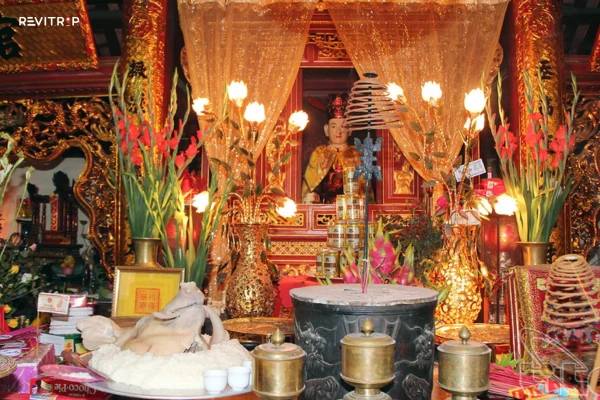
- The main altar dedicated to Linh Lang Dai Vuong, Prince Hoang Chan
- Elaborate decorative panels with inscribed stories of the gods and dynastic legends
- A 93 cm bell with Chinese inscriptions, one of the most historically significant objects in the collection
- Intricate lacquerwork and carved wooden panels throughout the sanctuary
The surrounding green space sets Voi Phuc apart from most temple sites in central Hanoi. The proximity to Thu Le Park means the visit can extend naturally into a longer afternoon of walking and outdoor time without requiring additional transport. Visitors in traditional ao dai dress frequently use the garden and forecourt areas for photography, adding a layer of living cultural color to the historical environment.
“The 93 centimeter bell at Voi Phuc Temple carries Chinese inscriptions that connect this western guardian to the broader cultural exchange that shaped Hanoi across the Ly and Tran dynasty periods. It is a small object with a large story.”
4. The Voi Phuc Temple Festival
The Voi Phuc Temple Festival runs on the 9th and 10th days of the second lunar month each year. The timing places it close to the Bach Ma Temple Festival, giving travelers who plan their visit around the second lunar month the opportunity to attend both celebrations within a few days of each other.
Festival activities include:
- A ceremonial procession through the temple grounds and surrounding streets
- Traditional music performances drawing on Ly dynasty court music traditions
- Community celebrations with local participation from the surrounding Ba Dinh and Cau Giay neighborhoods
- Votive offerings and prayer ceremonies at the main altar
The festival atmosphere transforms the usually quiet surroundings of the temple into a vibrant community event. For a broader overview of seasonal festivals and cultural events across Vietnam, our guide to Vietnam festivals covers the full annual calendar including lunar month celebrations.
5. Practical Tips for Visiting Voi Phuc Temple
Voi Phuc Temple is an active place of worship. The following habits make the visit more respectful and more rewarding.
Before you go:
- Dress modestly with shoulders and knees covered before entering any temple area
- Remove shoes before stepping into the inner sanctuary
- Check our guide to scams in Vietnam for general travel awareness across Hanoi
During your visit:
- Move quietly through the interior and keep voices low near active worship areas
- Ask permission before photographing worshippers or prayer ceremonies
- Allow 45 to 60 minutes to see the temple grounds, the elephant statues, and the interior properly
- Combine the visit with a walk through Thu Le Park next door for a relaxed afternoon
Getting there:
- Address: Voi Phuc Temple, next to Thu Le Park, Cau Giay District, Hanoi
- Approximately 20 to 25 minutes by ride-hailing app from the Old Quarter
- Public bus routes serving the Thu Le Park area stop within walking distance
- Motorbike parking is available adjacent to the temple entrance
For guided Hanoi tours that include the Four Guarding Temples as part of a wider historical circuit, GetYourGuide lists cultural experiences covering Hanoi’s lesser-visited historical sites alongside the major landmarks. Klook offers additional bookable Hanoi city experiences that can be organized around your preferred neighborhoods and interests.
Final Thoughts: Voi Phuc Temple Offers a Quieter Side of Hanoi’s History
Voi Phuc Temple does not appear on most standard Hanoi tourist itineraries. That is precisely what makes it worth seeking out. The kneeling elephant statues, the bell with its Chinese inscriptions, the dragon and phoenix roofline carvings, and the green space surrounding the complex all add up to an experience that the city’s more crowded sites cannot replicate.
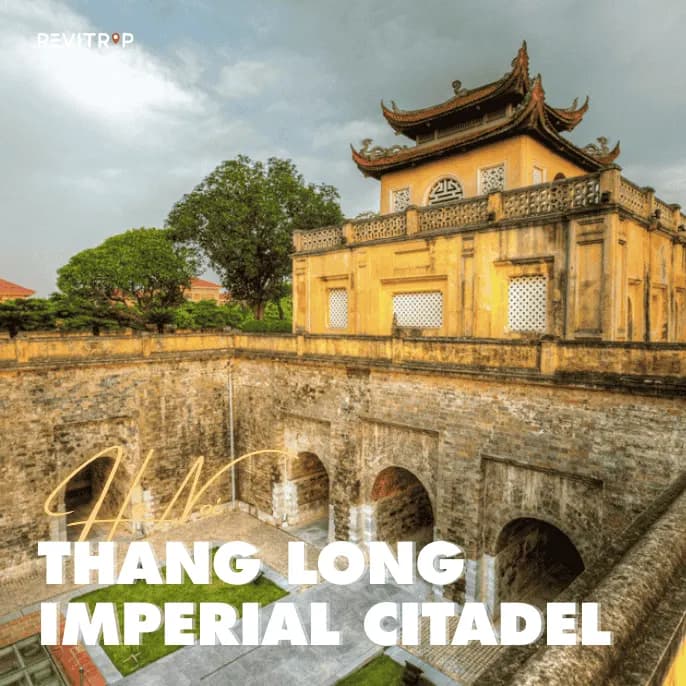
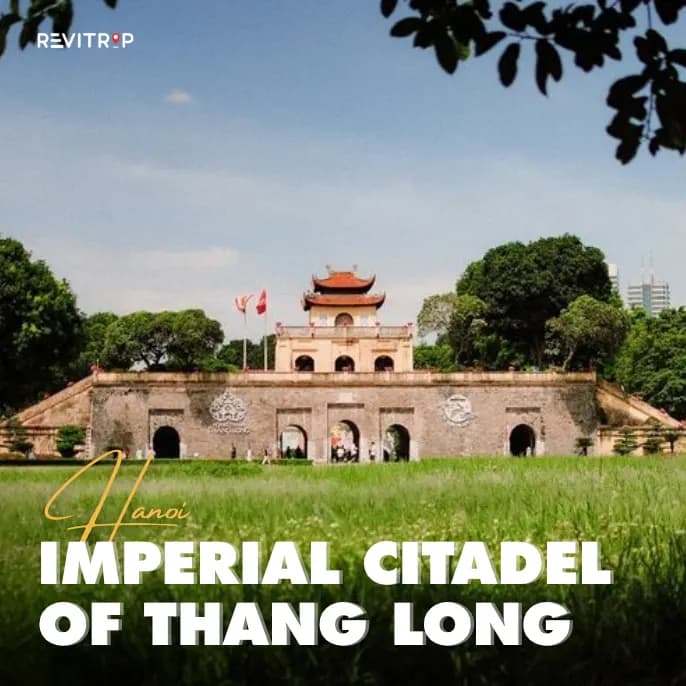
Plan it as a half-afternoon visit combined with a walk through Thu Le Park. Pair it with a visit to the nearby Imperial Citadel of Thang Long for a west Hanoi day that covers two of the city’s most historically significant sites in a single circuit. For everything else you need to plan your Hanoi trip, our Hanoi travel guide covers the capital’s top attractions, best neighborhoods, and practical visitor tips from start to finish.
Looking for quieter Hanoi experiences off the tourist trail? Browse our complete Hanoi destination guide for temple recommendations, cultural tips, and the best historical sites across the capital!
FAQs
Voi Phuc Temple is famous for its two large kneeling stone elephant statues at the entrance and its role as the western guardian of ancient Thang Long. It honors Prince Hoang Chan, son of King Ly Thai Tong, who died defending Vietnam against Chinese Tong invaders. The temple also contains a notable 93 cm bell with Chinese inscriptions and elaborate dragon and phoenix roofline carvings.
Voi Phuc Temple sits beside Thu Le Park in the Cau Giay District of Hanoi. It is approximately 20 to 25 minutes by ride-hailing app from the Old Quarter. Public buses serving the Thu Le Park area stop within easy walking distance of the temple entrance.
The Voi Phuc Temple Festival takes place on the 9th and 10th days of the second lunar month each year. It features ceremonial processions, traditional music performances, and community celebrations. The timing falls close to the Bach Ma Temple Festival, making it possible to attend both within the same lunar month visit.