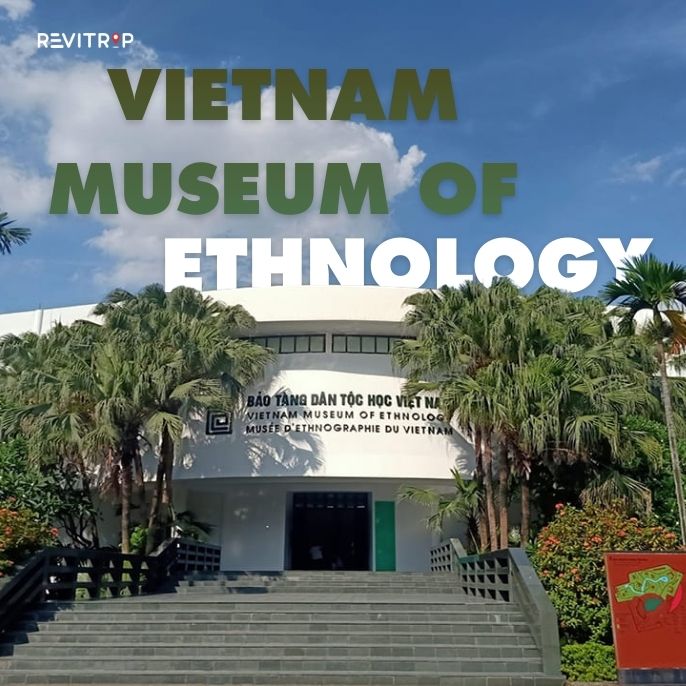
Is the Vietnam Museum of Ethnology worth the trip from Old Quarter? Absolutely yes. After visiting fifteen Hanoi museums, I can confidently say: this is the single best museum in Vietnam, possibly all of Southeast Asia. Moreover, it will fundamentally change how you see Vietnamese culture during the rest of your trip.
The Vietnam Museum of Ethnology is the ONE Hanoi museum you absolutely cannot skip. Yes, it’s 7km from Old Quarter. Yes, it requires 2-3 hours minimum. However, this single museum provides more valuable cultural context than any other attraction in Hanoi.
Quick Facts: Vietnam Museum of Ethnology at a Glance
Location: Nguyễn Văn Huyên Street, Cầu Giấy District (7km from Old Quarter)
Hours: 8:30am-5:30pm daily (closed Mondays)
Entry fee: 40,000 VND (~$1.60)
Time needed: 2-3 hours minimum (could easily spend 4+)
Best time: Early morning (8:30-10am) before tour groups
Highlights: 54 ethnic groups exhibits, outdoor traditional houses, water puppet shows
Why it’s #1: Transforms how you understand Vietnamese culture throughout your entire trip
The reality: This museum is inconveniently located and requires significant time investment. However, it delivers the single highest value-per-hour of any Hanoi attraction. Therefore, prioritize it over Train Street, over generic temples, even over some “must-see” landmarks.
Why Vietnam Museum of Ethnology Is Hanoi’s Best Museum
What Makes It Different From Other Museums
Most Vietnamese museums focus on wars, dynasties, and political history. In contrast, the Vietnam Museum of Ethnology celebrates something far more valuable: the living cultural diversity of Vietnam’s 100 million people across 54 distinct ethnic groups.
What this means:
- You learn about cultures that STILL EXIST today (not just ancient history)
- The exhibits connect directly to places you’ll visit in Vietnam
- You gain context that enriches every subsequent experience in the country
- It’s about people and culture, not just wars and politics
The 54 Ethnic Groups Concept
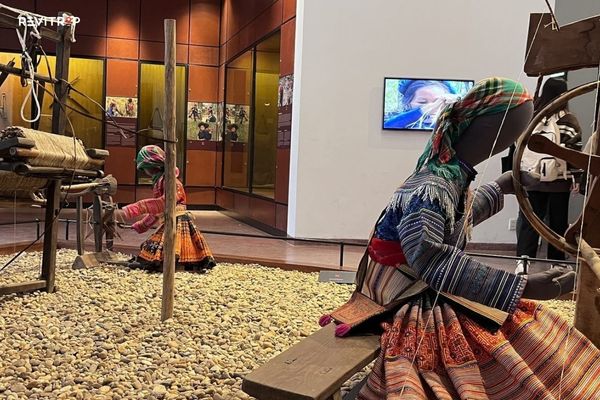
Vietnam has one dominant ethnic group (Kinh/Viet, ~86% of population) and 53 ethnic minorities living primarily in mountainous regions. Each group has:
- Distinct language
- Unique clothing and textiles
- Different architecture styles
- Specific religious practices
- Traditional customs and ceremonies
The problem: Most tourists visit Vietnam seeing only Kinh Vietnamese culture. Consequently, they miss the incredible ethnic diversity in the north and central highlands.
The solution: This museum provides comprehensive introduction to ALL 54 groups. Therefore, whether you visit Sapa, Ha Giang, Mai Chau, or Central Highlands, you’ll recognize and appreciate the ethnic minority cultures you encounter.
What to See at Vietnam Museum of Ethnology
The museum has three distinct areas, each requiring significant time.
1. Trong Dong Building (Main Indoor Exhibits)
What it is: The main circular building (named after a traditional drum) houses indoor exhibits on Vietnam’s 54 ethnic groups.
Layout: Two floors with 12 distinct exhibition zones, each dedicated to one or more ethnic groups.
What you’ll see:
Traditional clothing and textiles: Intricately embroidered garments, hand-woven fabrics, distinctive patterns identifying each ethnic group. The Hmong indigo-dyed clothing, Red Dao elaborate headdresses, and Bahnar striking red and black textiles are particularly impressive.
Daily life objects: Farming tools, fishing equipment, cooking utensils, baskets, and household items showing how different groups adapted to various environments (mountains, plains, coastal areas).
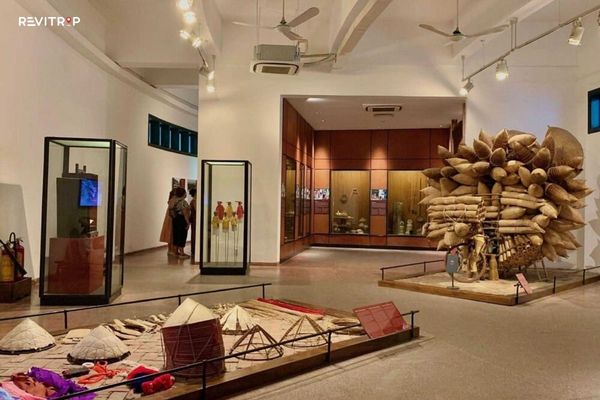
Religious and ceremonial items: Altars, ritual objects, shamanic masks, musical instruments used in ceremonies. The Dao shaman masks are hauntingly beautiful.
Jewelry and accessories: Silver jewelry, beaded decorations, distinctive accessories that identify ethnic affiliation and social status.
Musical instruments: Gongs, bamboo flutes, string instruments, drums each group has unique musical traditions.
Pro tip: Start here first when energy and attention are fresh. The outdoor garden is more forgiving if you’re tired.
2. Canh Dieu Building (Southeast Asian Cultures)
What it is: The modern kite-shaped building (four floors) focusing on broader Southeast Asian ethnic groups.
What you’ll see:
- Comparative exhibits showing connections between Vietnamese and neighboring cultures
- Rotating temporary exhibitions (topics change quarterly)
- Multimedia room with documentaries (70-seat theater)
- Research library (accessible to serious researchers)
When to visit this building: If you’re interested in anthropology, if it’s raining (indoor backup), or if temporary exhibition topic interests you.
3. Kien Truc Garden (Outdoor Traditional Houses) – THE HIGHLIGHT
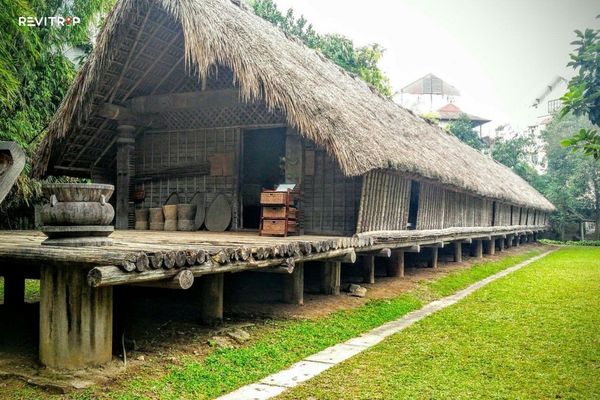
What it is: Over 10 authentic, full-scale traditional houses from different ethnic groups relocated to the museum grounds.
Why it’s the highlight: You can ENTER these houses, climb the stairs, stand on the balconies, and experience the architecture firsthand. These aren’t miniature models—they’re real homes that families actually lived in.
Must-see structures:
Bahnar communal house (Rong House): Massive thatched structure on stilts where entire village gathers. The soaring roof and intricate bamboo framework are architectural masterpieces.
Tay stilt house: Traditional northern mountain dwelling. Climb wooden stairs, see the sleeping areas, understand how families live above livestock (pigs, chickens below for warmth and fertilizer).
Ede longhouse: Central Highlands architecture. These communal longhouses can house entire extended families some are 50+ meters long.
Cham temple replica: Shows Indianized cultural influences in southern Vietnam.
Hmong house: Stone and earth construction showing adaptation to high-altitude cold climate.
H’mong tomb house: Unique funeral architecture miniature houses built to honor the deceased.
Water puppet stage: Traditional puppet theater stage with weekly performances (check schedule).
What makes it special: You’re not looking at photos or models. You’re walking through actual structures that demonstrate the incredible architectural diversity of Vietnam. Moreover, the garden setting is peaceful and beautiful.
How This Museum Transforms Your Vietnam Trip
Before the Museum
When you see:
- Women in colorful embroidered clothing
- Stilt houses in mountain villages
- People wearing distinctive silver jewelry
- Different languages being spoken
- Unique agricultural techniques
You think: “That’s interesting” (but don’t understand context)
After the Museum
When you see the exact same things, you think:
- “That’s Hmong indigo-dyed clothing. I learned about their needlework techniques”
- “That’s a Tay stilt house. I walked through one at the museum”
- “That silver jewelry indicates Dao ethnic group. I saw similar pieces in the exhibits”
- “That’s a H’mong language which is one of 54 distinct ethnic languages in Vietnam”
- “That terraced farming technique was explained in the agricultural section”
The difference: Context, understanding, appreciation, and meaningful connection rather than superficial observation.
Is Vietnam Museum of Ethnology Worth It? The Honest Answer
After four visits and recommending it to 50+ travelers, here’s my definitive verdict.
Absolutely Essential If:
- You’re traveling anywhere in northern Vietnam (Sapa, Ha Giang, Mai Chau)
- You’re visiting Central Highlands (Dalat, Pleiku, Buon Ma Thuot)
- You have 2+ days in Hanoi
- You care about cultural understanding (not just seeing sights)
- You enjoy museums and learning
- You want to appreciate Vietnam beyond war history
- You’re traveling with curious children (it’s engaging for kids)
Still Recommended If:
- You have only 1 day in Hanoi (make time if possible)
- You’re not normally a “museum person” (this one is different)
- You think 7km is too far (the Grab ride is easy)
- You worry about language barriers (English signage is good)
Skip Only If:
- You have less than 4 hours total in Hanoi (prioritize Old Quarter)
- You absolutely hate museums (no amount of persuasion will change this)
- You’re physically unable to walk for 2+ hours (though wheelchairs are available)
- You’ve already lived in Vietnam for years and deeply understand ethnic minority cultures
Common Questions About Vietnam Museum of Ethnology
How long does it take to see Vietnam Museum of Ethnology?
2-3 hours minimum. Rushing through in 60-90 minutes means you’ll see artifacts but learn nothing. Budget 3 hours for meaningful engagement: 90 minutes main building, 60 minutes outdoor garden, 30 minutes cafe break.
Is Vietnam Museum of Ethnology worth visiting?
Absolutely yes. It’s the single best museum in Hanoi, possibly all of Vietnam. The cultural context it provides enriches your entire Vietnam trip, especially if visiting northern mountains or Central Highlands.
How do I get to Vietnam Museum of Ethnology from Old Quarter?
Take Grab (taxi app). Cost: 60,000-100,000 VND each way (~$2.50-4). Time: 20-30 minutes. The museum is 7km from Hoàn Kiếm Lake too far to walk comfortably.
What are the best things to see at Vietnam Museum of Ethnology?
The outdoor Kien Truc Garden with full-scale traditional houses is the highlight. Walk through authentic Bahnar communal houses, Tay stilt houses, Ede longhouses. Also don’t miss the main Trong Dong building’s ethnic minority clothing and daily life exhibits.
Can I take photos at Vietnam Museum of Ethnology?
Yes, photography is allowed (no flash). Standard cameras are free. Professional cameras (DSLR/mirrorless with large lenses) cost 50,000 VND. The outdoor houses and exhibits are incredibly photogenic.
When is the best time to visit Vietnam Museum of Ethnology?
Weekday mornings (8:30-10am) before tour groups arrive. Good weather months are October-November or March-April. Avoid Mondays (closed) and weekends (more crowded).
Do I need a guide at Vietnam Museum of Ethnology?
Not necessary. English signage is good enough for self-guided tours. However, if you want deeper context, English guides cost 100,000 VND and provide excellent additional information.
Is Vietnam Museum of Ethnology good for kids?
Yes! Children love the outdoor houses (climbing stairs, exploring structures). The colorful clothing and artifacts engage young visitors. Interactive elements keep kids interested. Better than most Hanoi museums for families.
Final Thoughts: Why This Museum Matters
Most travelers visit Vietnam seeing only surface-level tourist activities. They photograph pagodas without understanding ancestor worship and buy ethnic minority crafts without knowing which group made them.
The Vietnam Museum of Ethnology changes that. It transforms you from passive observer to informed participant. From tourist to cultural student. From someone who “saw Vietnam” to someone who understood Vietnam.
Moreover, it celebrates Vietnamese diversity in a way no other museum does showing that “Vietnamese culture” isn’t monolithic but rather a rich tapestry of 54 distinct threads, each with its own beauty, wisdom, and traditions.
This museum is inconveniently located. It requires time investment. It demands mental engagement. Because the best travel experiences aren’t the easiest ones. They’re the ones that challenge you to learn, to understand, and to see the world through different eyes.
That’s what the Vietnam Museum of Ethnology offers.
Don’t skip it.
Have you visited the Vietnam Museum of Ethnology? What ethnic group exhibits fascinated you most? Share your experience in the comments!