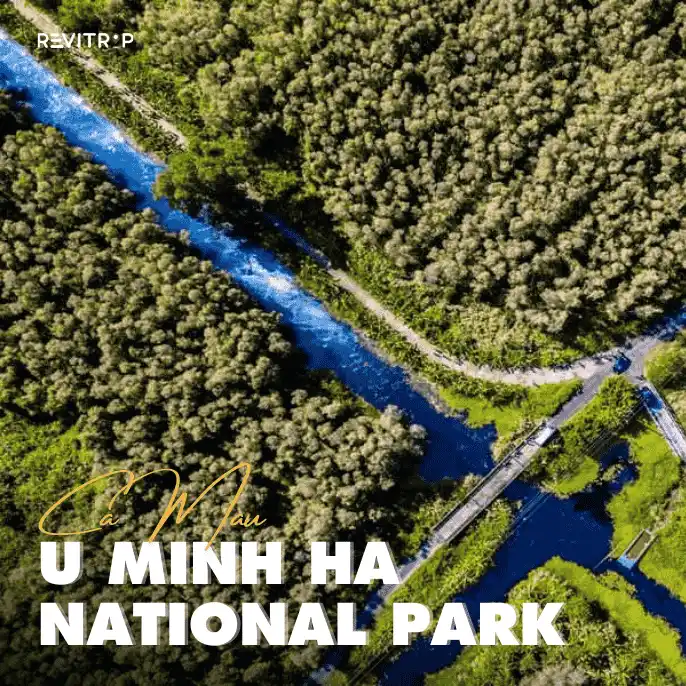
U Minh Ha National Park is one of the most extraordinary natural destinations in all of Vietnam. Tucked deep in the southern reaches of Ca Mau province, this vast wetland wilderness stretches across more than 8,000 hectares of protected melaleuca forest growing on a layer of ancient peat soil. It is a place where the air smells of cajuput, where birds outnumber visitors by the thousands, and where the ecosystem itself tells a story of geological time that goes back centuries. Whether you are a nature lover, a wildlife enthusiast, or simply a traveler looking for something genuinely off the beaten path, U Minh Ha National Park delivers an experience that stays with you long after you leave.
1. What Is U Minh Ha National Park?
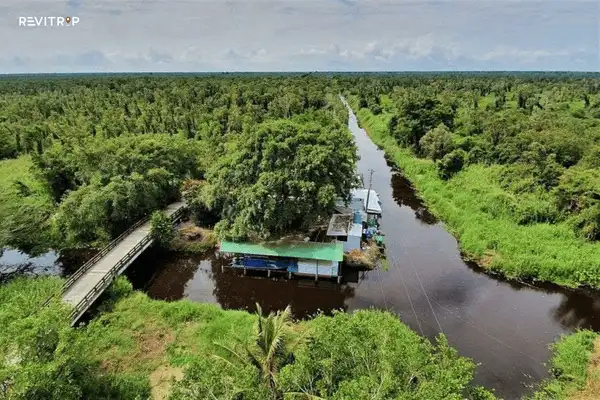
U Minh Ha National Park sits in Ca Mau province, covering approximately 35,000 hectares of land when combined with the surrounding U Minh Ha Melaleuca Forest. Of that total, 8,256 hectares carry official national park status, making it one of three core areas within the Mui Ca Mau World Biosphere Reserve recognized by UNESCO.
The park protects a rare and fragile ecosystem built on peat wetlands. Over centuries, decomposing plant material has accumulated into deep layers of organic soil that support an entirely distinct community of flora and fauna. This is not jungle in the conventional sense. It is something older and quieter, shaped by water, time, and the slow accumulation of life.
“U Minh Ha is one of the last places in Vietnam where you can stand in a forest and genuinely feel the weight of geological time beneath your feet.”
2. The Ecosystem of U Minh Ha National Park
The ecological character of U Minh Ha National Park centers on the melaleuca tree, locally known as trang or cajuput. These tall, papery-barked trees dominate the landscape and give the forest its distinctive appearance and scent. Their root systems are uniquely adapted to the waterlogged peat soil, making them the foundation species upon which the entire ecosystem depends.
Flora
The park contains a rich diversity of plant life built around its melaleuca core:
- 44 recorded plant species within the biodiversity conservation area
- 32 species typical of the mangrove and peat wetland ecosystem
- Melaleuca trees exceeding 20 years of age across large sections of the forest
- Rare species including white toad plants, dung, su, and parrot plants
- Aquatic vegetation covering the canal and wetland zones throughout the park
Fauna
Wildlife within U Minh Ha National Park covers a broad range of species across multiple habitat types:
- 6 recorded bird species within the core conservation zone
- 5 mammal species including hairy-nosed otters and pangolins
- 2 reptile species and 2 amphibian species
- Abundant freshwater fish populations throughout the canal system
- Seasonal visitors including migratory waterbirds during the wet season
The combination of peat soil, standing water, and dense canopy creates microhabitats that support species found nowhere else in the Mekong Delta region.
3. What to See and Do at U Minh Ha National Park
A visit to U Minh Ha National Park offers far more than passive sightseeing. The park actively invites visitors into the ecosystem through a range of experiences that connect directly with the landscape and the communities living alongside it.

Boat Tours Through the Forest Canopy
The most popular and memorable way to explore the park is by boat. Narrow wooden vessels navigate the canal system beneath a continuous canopy of melaleuca trees, moving through corridors of filtered green light. The silence is broken only by birdsong and the occasional splash of a fish breaking the surface. This is the definitive U Minh Ha experience and one that no road-based tour can replicate.
Birdwatching
The park’s wetland habitats attract a wide variety of waterbirds throughout the year. Early morning visits offer the best opportunities, particularly during the rainy season when migratory species pass through the region. Bring binoculars and allow at least two to three hours for a dedicated birdwatching session within the core zone.
Visiting Uncle Ba Phi’s House
Adjacent to the national park sits the home of the legendary Uncle Ba Phi, whose real name was Nguyen Long Phi. Born in 1884, he became one of the most celebrated storytellers in the history of Southern Vietnam. His humorous tales, set against the wild natural landscape of U Minh Ha, captured the spirit and hardship of life in the Ca Mau forests and spread throughout the Mekong Delta by word of mouth. Visiting his former home adds a cultural and historical dimension to any nature-focused trip.
Exploring Cai Tau Strawberry Garden
Located along the Cai Tau River adjacent to the national park, the Cai Tau Strawberry Garden represents a living piece of agricultural history in the region. Mulberry trees have grown here for nearly a century, their seeds originally brought back by seafarers from the islands offshore. The garden’s distinctive golden mulberry fruit, sweet with a slight tartness, has earned the area its reputation as the mulberry capital of the Mekong Delta.
“Sitting in a boat beneath the melaleuca canopy of U Minh Ha, with the smell of cajuput in the air and nothing but birdsong around you, is one of those travel moments that resets your entire perspective.”
4. U Minh Ha Melaleuca Forest and the Wider Reserve
U Minh Ha National Park forms the protected core of a much larger forested landscape. The surrounding U Minh Ha Melaleuca Forest covers approximately 35,000 hectares and connects directly with U Minh Thuong Forest in Kien Giang province to the north. Together these two forests form one of the most significant freshwater peat swamp ecosystems remaining in Southeast Asia.
The peat layers beneath the forest floor are particularly significant. Built up over centuries of accumulated plant material, they represent both an ecological archive and a highly sensitive environment. Fire is the primary threat to this ecosystem, and the park maintains active fire prevention measures throughout the dry season from December to April.
For travelers planning a wider Mekong Delta itinerary, combining U Minh Ha with a visit to Mui Ca Mau National Park gives you a complete picture of the extraordinary natural diversity concentrated in Vietnam’s southernmost province.
5. How to Get to U Minh Ha National Park
Reaching U Minh Ha National Park requires some planning, but the journey itself forms part of the experience. The park sits within Ca Mau province, approximately 290 km southwest of Ho Chi Minh City.
Getting to Ca Mau first:
- By plane from Ho Chi Minh City to Ca Mau Airport, approximately one hour
- By sleeper bus from Mien Tay Bus Station, overnight service arriving the following morning
- By private car via the Trung Luong Expressway and National Highway 1A, approximately eight hours
For a full breakdown of transport options into the region, our Ca Mau travel guide covers every route in detail.
Getting to the national park from Ca Mau city:
- The park entrance sits approximately 30 to 40 km from Ca Mau city center
- Motorbike rental from Ca Mau city is the most flexible option for independent travelers
- Local taxi services including Vinasun Ca Mau and Mai Linh Ca Mau can arrange transfers
- Organized day tours from Ca Mau city include transport to and from the park entrance
To book a guided tour that handles all transport and entry logistics, GetYourGuide lists a range of Mekong Delta and Ca Mau experiences that include U Minh Ha as a destination. Klook also offers bookable activities across the Ca Mau region that can be reserved directly from your phone before departure.
6. Best Time to Visit U Minh Ha National Park
Each season brings a distinct version of U Minh Ha National Park, and the right time to visit depends entirely on what kind of experience you are looking for.
Dry season (December to April)
The dry season is the most comfortable time for general sightseeing and forest walks. Paths are more accessible, boat tours run without weather interruptions, and the risk of sudden flooding is low. However, water levels in the canals drop during this period, which can limit boat access to certain sections of the forest.
Rainy season (May to November)
The rainy season transforms the park. Rising water levels open up deeper sections of the forest to boat exploration, and the melaleuca canopy reaches its fullest and most vivid state. Wildlife activity increases, particularly among waterbirds and freshwater fish. This is the season that reveals what U Minh Ha truly is: a living, breathing wetland wilderness.
Before visiting during the dry season, it is also worth reading our guide to scams in Vietnam to make sure your trip stays smooth and stress-free from start to finish.
7. Practical Tips for Visiting U Minh Ha National Park
A few preparation steps make a significant difference when visiting U Minh Ha National Park:
- Book boat tours in advance during peak season as capacity within the core zone is limited
- Wear long-sleeved, light-colored clothing to manage insects and sun exposure on open water
- Bring insect repellent as mosquitoes are active throughout the day in wetland areas
- Carry sufficient cash as ATM access near the park is limited
- Arrive early in the morning for the best wildlife sightings and cooler temperatures
- Respect all park regulations around noise, waste, and wildlife interaction
- Hire a local guide for deeper access to the forest and more informative birdwatching sessions
- Check fire risk conditions before visiting during the dry season as access restrictions may apply
“The forest rewards patience. The longer you sit still on the boat, the more the wildlife forgets you are there.”
Final Thoughts: Why U Minh Ha National Park Belongs on Your Vietnam Itinerary
U Minh Ha National Park represents a side of Vietnam that most travelers never encounter. No ancient temples, no bustling street markets, no neon-lit night scenes. Just a vast and ancient wetland forest, a canal system that goes on further than you expect, and an ecosystem that has been quietly doing its work for centuries. That is exactly what makes it worth the detour.
If your Vietnam itinerary is taking you through the Mekong Delta or down to Ca Mau Cape, add at least one full day at U Minh Ha. Combine it with a visit to the Cai Tau Strawberry Garden, Uncle Ba Phi’s House, and a floating market in Ca Mau city for a complete southern experience that covers nature, culture, and food in equal measure. For guided options that take the planning off your hands, explore available tours through GetYourGuide and find the right itinerary for your trip south.
FAQs
U Minh Ha National Park is known for its rare melaleuca forest growing on ancient peat wetlands, one of the last ecosystems of its kind remaining in Southeast Asia. The park forms part of the UNESCO-recognized Mui Ca Mau World Biosphere Reserve and protects a wide range of plant and animal species. Boat tours through the canal system beneath the forest canopy are the park’s signature experience.
The dry season from December to April offers the most comfortable conditions for general visits and forest walks. The rainy season from May to November raises water levels across the canal system, opening deeper sections of the forest to boat exploration and bringing wildlife activity to its peak. Both seasons offer genuinely rewarding experiences depending on what you are looking for.
Fly or take a sleeper bus to Ca Mau city first, then travel approximately 30 to 40 km to the park entrance by motorbike, taxi, or organized tour. Flying takes around one hour to Ca Mau Airport. The overnight sleeper bus from Mien Tay Bus Station is the most popular budget option. From Ca Mau city, motorbike rental gives the most flexibility for reaching the park independently.