Traveling to Vietnam: 20 Essential Tips for First-Time Visitors
Traveling to Vietnam offers incredible experiences from climbing mountains to diving coral reefs, from cultural immersion to beach relaxation. This Southeast Asian gem stretches 1,650 kilometers from north to south, providing diverse climates, rich culture, and fantastic cuisine at every turn.
Before you embark on your Vietnamese adventure, understanding key Vietnam tips when traveling helps you avoid common pitfalls and maximize your experience. From weather preparation to cultural etiquette, visa arrangements to safety considerations, proper planning makes your journey smoother and more enjoyable.
This comprehensive guide covers 20 essential preparations for Vietnam trip planning, including climate considerations, booking strategies, cultural customs, and practical travel advice to help you navigate this beautiful country confidently.
1. Prepare for Vietnam’s Diverse Climate Zones
Climate represents the most important consideration when traveling to Vietnam. The south sits firmly in humid tropics, while the north becomes increasingly temperate with distinct seasons.
Highland areas around Sapa experience snowy, frigid winters creating dramatic temperature differences. Southern regions maintain warm temperatures year-round, while northern areas require winter clothing from November to February.
Pack clothes for both cooler highlands and the steamy Mekong Delta if visiting both regions. The southwest monsoon soaks Vietnam from May to September, while the northeast monsoon arrives from October to April.
2. Research All Your Visa Options
Vietnam offers numerous ways to arrange entry paperwork, with some options more affordable and faster than others. You may not need a visa at all for short trips depending on your nationality.
Electronic visas and visas on arrival are available for many nationalities. These options create less hassle than embassy visits and often cost less money.
Research visa requirements before booking flights to avoid paying extra or getting delayed by paperwork. Always verify current regulations as requirements change periodically for different countries.
3. Stay Current on Health Vaccinations
Visit your doctor at least one month before departure to update vaccinations when traveling to Vietnam. Arrange anti-malarial medication if you plan to visit rural areas where mosquitoes carry diseases.
Mosquitoes also carry dengue fever, so bring effective repellent for your trip. Avoid drinking tap water on arrival and use antibacterial hand gel reducing stomach bug risks.
Medical face masks help with pollution in big cities and reduce respiratory infection risks. Stay current on recommended vaccines including hepatitis A and B, typhoid, and Japanese encephalitis.
4. Be Smart During Typhoon Season
Vietnam experiences periodic typhoons between May and November, with the biggest storm risks from August to September. If you travel during typhoon season, monitor local weather reports closely.
Head inland from coastal areas if predictions show direct hits by big storms. In flooding events, contact your embassy or consulate immediately and follow local authority advice.
Many travelers choose to visit outside peak typhoon season, particularly for beach destinations. These Vietnam tips when traveling help you stay safe during severe weather events.
5. Book Ahead for Tet Holiday and Peak Season
Booking transport, rooms, and tours ahead prevents disappointment during busy periods when traveling to Vietnam. July and August bring crowds to the central coast requiring advance reservations.
If you plan to visit during Tet (Lunar New Year) festival in late January or early February, arrange transport and rooms before arrival. Millions of Vietnamese travel domestically during this holiday creating massive demand.
Book directly with operators when possible rather than through agencies. Direct bookings cost less, and you’ll receive expected services and standards more reliably.
6. Give Vietnam the Time It Deserves
Vietnam measures 1,650 kilometers from the Chinese border to the Mekong Delta, requiring plenty of time for travel between destinations. Road and rail transport can be slow, with many worthwhile stops between major hubs.
If you only have short time, focus your plans on small areas like Hanoi and surroundings, or Ho Chi Minh City and the Delta. Rushing through the country means missing incredible experiences along the way.
Allow at least two weeks for basic north-to-south journeys. Three to four weeks provides comfortable pacing with time for side trips and spontaneous discoveries.
7. Use Sleeper Buses and Trains Wisely
Domestic flights in Vietnam cost little, but greener transportation options exist for this long country. When planning long-distance travel, consider overnight trains and buses saving room costs while covering big distances.
Reserve fully horizontal berths for comfortable sleep when traveling to Vietnam. Both buses and trains offer these options, though quality varies by operator and route.
You’ll save sightseeing time by traveling at night between major destinations. The booking site 12Go Asia provides good starting points for comparing transport options.
8. Master Chopstick Etiquette Basics
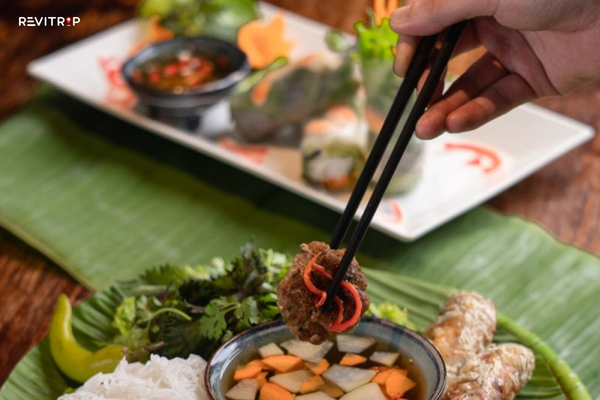
Several taboos associate with chopstick use in Vietnam. Leaving sticks upright in food bowls is considered unlucky, resembling incense stick offerings made for the dead.
Tapping bowls with chopsticks associates with beggars requesting alms. When eating in groups, use fresh chopsticks or reverse ends to pass food to others showing proper respect.
Learning basic etiquette before your trip demonstrates cultural sensitivity. These simple Vietnam tips when traveling enhance your dining experiences throughout the country.
9. Understand the Concept of Saving Face
Vietnamese culture places considerable emphasis on “saving face” – avoiding situations causing loss of dignity and respect. Public outbursts and arguments cause everyone involved to lose face.
Keep perspective and avoid anger when confronted by travel inconveniences. Patient, calm responses resolve problems better than confrontation in Vietnamese culture.
This cultural understanding proves valuable when traveling to Vietnam. Maintaining composure helps navigate challenging situations while respecting local customs and values.
10. Respect Religious Spaces Properly
When visiting Buddhist, Hindu, Confucian, and Taoist temples, dress respectfully by covering legs and upper arms. You may need to remove shoes and hats to enter sacred spaces.
Never touch anyone on the head in Vietnam. Avoid pointing foot soles towards other people or Buddhist statues – both represent serious disrespect in Buddhist culture.
Showing respect for religious practices enriches your cultural understanding. These considerations are essential preparations for Vietnam trip to visit sacred sites appropriately.
11. Prepare for Rainy Season Reality
Check weather forecasts for areas that interest you as you plan your trip. Beach getaways work best outside monsoon seasons affecting different regions at different times.
Trekking in the northwest and boat trips in Halong Bay can be soggy in July and August. However, this timing is great for enjoying central beaches with good weather.
Even during rainy season, it doesn’t rain all day every day. Bring raincoats or umbrellas and enjoy smaller crowds and lower prices during less popular seasons.
12. Practice Fair Bargaining at Markets
Haggling is a fact of life when traveling to Vietnam, particularly at markets and souvenir shops. You may pay more than necessary if you accept first prices offered by vendors.
Bargaining should never be confrontational or aggressive. Treat it as a friendly game by countering starting prices with lower counteroffers, then seeing how sellers respond.
If agreement isn’t reached, decline politely and try another vendor. There’s little point getting upset over tiny sums – even 5,000 dong equals less than one US dollar.
13. Avoid Commission-Seeking Touts
Commission-seeking middlemen appear almost anywhere tourists gather throughout Vietnam. Be wary of touts encouraging visitors to use certain tour agencies, hotels, shops, and transport companies.
If you use their services, you’ll pay more to cover their fees. Research and book directly with operators whenever possible for better prices and service quality.
Trust your research over pushy recommendations from strangers. These Vietnam tips when traveling help you avoid unnecessary expenses while supporting businesses directly.
14. Stay Alert to Unexploded Ordnance
Unexploded ordnance from the American War continues killing and maiming people every year throughout Vietnam. Well-traveled areas are usually safe, but caution is required in rural regions.
Be cautious about stepping off roads and paths in countryside areas. Don’t climb into bomb craters and never touch old explosive devices remaining deadly for decades.
This serious safety consideration when traveling to Vietnam requires constant awareness. Stick to established paths and trails in remote areas for your safety.
15. Practice Respectful Photography Habits
Always ask before photographing people, particularly in minority villages when traveling to Vietnam. Many people find uninvited photography intrusive, so asking first ensures comfort.
Be aware that photographing Vietnamese people while eating is a cultural mistake. In tribal areas, some villagers ask payment for photos, which seems fair considering constant tourist attention.
Building rapport before taking photos creates better images and more positive interactions. These practices demonstrate respect for local people and their privacy.
16. Avoid Political Topics and Demonstrations
Think twice before pulling out cameras during public demonstrations and political rallies. Critics of the government can face harsh punishments in Vietnam for political activities.
Play it safe by steering clear of political gatherings and avoiding political conversations with local people. Additionally, resist urges to photograph immigration areas at airports.
Authorities pull people from lines for this violation. Staying politically neutral and cautious protects you from unnecessary complications during your trip.
17. Eat Like Vietnamese Locals Do
Food is practically a religion in Vietnam with locals focusing energy on evening meals. Multiple dishes are shared between diners with whole families getting involved in preparations.
Rather than ordering single main courses, choose spreads of dishes for tables and sample rich mixes of flavors. Between meals, street-food snacks appear everywhere offering affordable, delicious options.
Grab nutritious fruit shakes or cups of local drip-brewed coffee for energy boosts. These eating habits enhance your traveling to Vietnam experience through authentic culinary exploration.
18. Avoid the Sex Tourism Industry
Sex tourism represents an unwelcome legacy of the War in Vietnam. Thankfully, it’s usually easy to spot and avoid places where this trade takes place.
Be wary of bars, karaoke lounges, and massage parlors with inappropriate staff and lots of pink or red neon. Some hotels refuse to allow foreign men to share rooms with Vietnamese women.
Staying away from these establishments when traveling to Vietnam helps combat exploitation while ensuring your safety and comfort throughout your journey.
19. Understand Drug Laws and Severe Penalties
Illegal drugs aren’t hard to find on the traveler circuit, yet penalties should you get caught can be extremely severe. Many travelers have ended up in Vietnamese jails for drug offenses.
The death penalty can be applied in serious drug cases in Vietnam. If you’re inclined to use marijuana, it’s only a short hop to Thailand where consumption has been decriminalized.
This serious warning deserves attention in your preparations for Vietnam trip to avoid life-changing legal consequences. Drug laws are strictly enforced throughout the country.
20. Shop Responsibly for Souvenirs
Vietnam has wonderful crafts and art forms making great souvenirs, but stick to newly made pieces. It’s illegal to take antiques and antiquities out of the country without proper permits.
Be watchful for souvenirs made from animal parts such as shell, horn, bone, teeth, and feathers. Such items are usually harvested from wild animals violating CITES regulations.
Support legitimate artisans by purchasing ethically-made crafts. These Vietnam tips when traveling help you shop responsibly while avoiding legal problems at customs checkpoints.
Conclusion
Traveling to Vietnam offers incredible rewards for those who prepare properly and respect local customs. These 20 essential Vietnam tips when traveling help you avoid common pitfalls while maximizing your experience throughout this diverse country.
Proper preparations for Vietnam trip planning include arranging visas, updating vaccinations, booking peak season transport and rooms, and understanding cultural norms. Taking time to learn about local etiquette, safety considerations, and practical travel strategies demonstrates respect while enriching your journey.
Whether you’re climbing Sapa’s snowy peaks, diving Nha Trang’s coral reefs, exploring Hanoi’s ancient streets, or relaxing on Phu Quoc’s beaches, Vietnam offers experiences you’ll remember forever. Start planning your adventure today using these 20 practical tips, and prepare for an amazing journey through this magnificent Southeast Asian destination!
FAQs
The most important tips for traveling to Vietnam include preparing for diverse climates, arranging visas in advance, and updating vaccinations. Vietnam stretches 1,650 kilometers with dramatically different weather-pack for both tropical heat and cool highlands. Electronic visas are available for many nationalities, saving time and money. Visit your doctor at least one month before departure for vaccinations including hepatitis A, B, and typhoid. Book transport and accommodations ahead during peak season (July-August) and especially during Tet holiday in late January or early February.
Essential preparations for Vietnam trip include visa arrangements, health precautions, and strategic booking. Apply for electronic visas or visas on arrival to avoid embassy visits. Schedule vaccinations at least one month before traveling to Vietnam and obtain anti-malarial medication for rural areas. Book directly with operators rather than agencies for better prices, especially during Tet (Lunar New Year). Pack clothes for multiple climates as temperatures vary dramatically between regions. Bring raincoats for monsoon seasons affecting different areas from May to November.
Important Vietnam tips when traveling include chopstick etiquette, saving face, and religious respect. Never leave chopsticks upright in bowls or tap bowls with them. Avoid public outbursts as Vietnamese culture emphasizes “saving face.” When visiting temples, cover legs and arms, remove shoes, and never touch heads or point feet at people or statues. Always ask before photographing people, especially in villages. Never photograph Vietnamese people while eating. These simple rules demonstrate cultural respect throughout your journey.