Transportation in Vietnam covers far more ground than most travelers expect. This S-shaped country stretches over 1,700 kilometers from north to south, and each region calls for a different approach. Whether you prefer the speed of a domestic flight, the rhythm of a train journey, or the freedom of a motorbike on open roads, knowing how to get around in Vietnam makes every trip smoother and more rewarding. Here is your complete guide to moving through Vietnam with ease.
1. How to Travel Across Vietnam: Long-Distance Options
Vietnam’s length means long-distance travel deserves careful planning. Fortunately, transportation in Vietnam offers two strong options for covering serious ground between regions.
By Plane
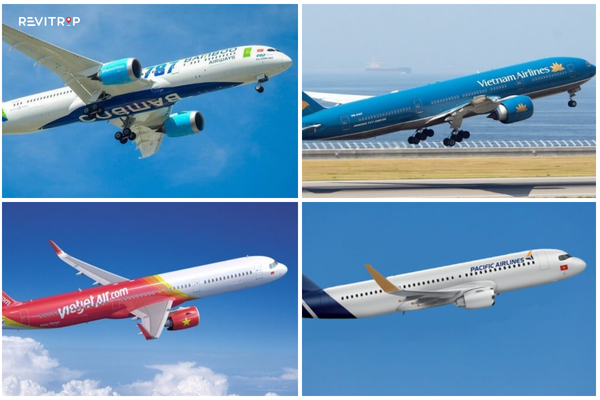
Flying is the fastest way to cross the country. A train from Hanoi to Ho Chi Minh City takes up to 30 hours, while a flight covers the same distance in one to two hours. Ticket prices for domestic routes stay surprisingly affordable, with daily departures to all major destinations.
Key airlines operating domestic routes include:
- Vietnam Airlines (national carrier)
- VietJet
- Bamboo Airways
- Vietravel Airlines
- Pacific Airlines
By Train
The train suits travelers who want to slow down and take in the scenery. Vietnam Railways manages a 2,600-kilometer track linking Ho Chi Minh City to the Chinese border in the north. Four seat classes are available: soft seat, hard seat, soft sleeper, and hard sleeper.
Tickets are available at station counters, through travel agents, or on the Vietnam Railways official website. Children under 6 travel free. Children aged 6 to 10 receive a 25% discount.
2. How to Get Around in Vietnam: City and Short-Distance Travel
Once you reach your destination, transportation in Vietnam shifts to a whole new set of options. Each one suits a different travel style and budget.
By Motorbike
The motorbike is the most widely used form of transportation in Vietnam. It works well for short city trips and long scenic rides alike. Adventurous travelers often use it to explore countryside routes with breathtaking views.
Rental shops appear in most cities. Daily rates typically range from VND 150,000 to VND 300,000 (roughly USD 6.50 to USD 13). For rentals lasting more than a week, expect to leave a deposit or your passport.
A few safety tips to keep in mind:
- Always wear a helmet
- Observe local driving habits before heading into busy traffic
- Avoid parking in areas without security staff
- Always collect a parking ticket when leaving the bike in a lot
By Car
Car rental has grown into a popular choice for travelers who want full control over their schedule. This option suits groups and families especially well. You can adjust your route on the spot based on weather or personal preference.
Rental shops operate across the country. Before signing anything, inspect both the contract and the vehicle carefully. Choosing the right car size for your group makes the whole experience far more comfortable.
By Bus
The public bus is the top pick for budget-conscious travelers. Most routes run from around 5:00 am to 11:00 pm. Buses arrive every 15 to 20 minutes on standard routes, and every 5 to 10 minutes during peak hours.
Pricing makes buses hard to beat:
- Inner-city single ride: VND 7,000 (roughly USD 0.30)
- Full day of sightseeing: under VND 50,000 (roughly USD 2.00)
That makes the bus far more economical than taxis or motorbike taxis for daily travel.
By Taxi
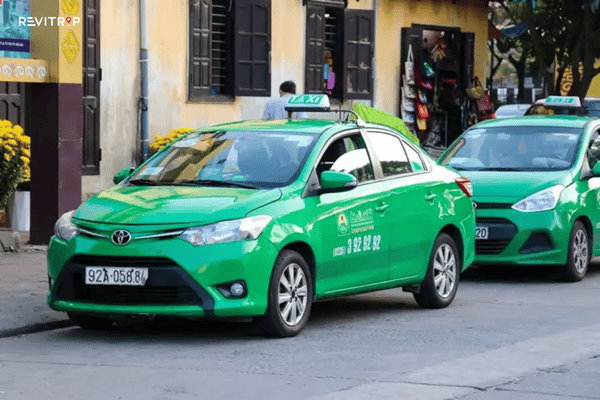
Taxis offer comfort, safety, and convenience, particularly for travelers who prefer not to drive. Professional drivers with years of experience handle the roads, letting you focus on the views outside the window.
Before getting into a taxi, keep these points in mind:
- Use only reputable taxi companies with verified reviews
- Check the fare range in advance to match your route and budget
- Photograph the license plate or save the driver’s number in case you leave something behind
Final Thoughts: Plan Your Transportation in Vietnam Before You Go
Transportation in Vietnam gives every type of traveler exactly what they need. Speed-focused visitors can fly between cities in under two hours. Those who want to see the country gradually can ride the train or hop on a bus. Meanwhile, independent travelers who want to explore on their own terms will find motorbike and car rental widely available. Knowing how to get around in Vietnam before you arrive removes one of the biggest unknowns from any trip and lets you focus entirely on the experience.
No matter which option you choose, plan your accommodation in advance for each stop along the way. A well-prepared itinerary, combined with the right mode of transport, turns a good trip into a truly great one.
FAQs
The motorbike is by far the most common form of transportation in Vietnam. Locals use it daily for short city trips and long rural rides alike. For tourists, it is also one of the most popular ways to get around in Vietnam, with rental shops available in nearly every city. Daily rental rates range from VND 150,000 to VND 300,000, making it an affordable and flexible option for most travel styles.
The best option depends on your budget and travel style. For long distances, domestic flights save the most time while train travel offers scenic views at a lower cost. For city travel, taxis and buses are the safest and most comfortable choices. Adventurous tourists often prefer motorbike rentals to explore at their own pace. In short, transportation in Vietnam caters to every type of traveler.
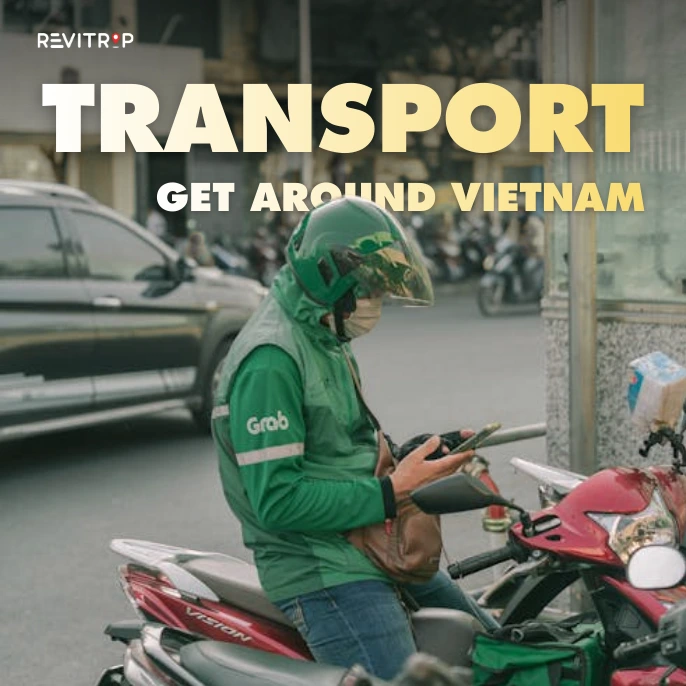
Yes, several apps make transportation in Vietnam much easier for tourists. Grab is the most widely used ride-hailing app, covering taxis, motorbike taxis, and food delivery across major cities. Be and Gojek also operate in Vietnam as reliable alternatives. For bus routes, the BusMap app helps travelers navigate public bus networks in Hanoi and Ho Chi Minh City with ease.