Da Nang is easy to read from the outside. It looks like a beach city at first. Sun, seafood, bridges, coffee, and quick day trips. That version is real, but it is only part of the story. The museum layer gives the city more shape. It opens up Cham heritage, local art, wartime memory, civic identity, and the history that still sits quietly beneath the modern skyline.
If you are searching for the top museums in Da Nang, I would not try to do everything in one sweep. My simple rule is to pick one museum that gives you context, then another that matches your mood. That could mean history and art. Or memory and play. Da Nang is one of those cities where museum time works best when it fits around the rest of the day instead of taking it over. If you are building a fuller city plan, it also helps to see how these museum stops fit around the wider list of things to do in Da Nang.
Quick museum picks for half a day
| If you are… | Best museum pairing | Why it works |
| First-timer | Cham Museum + Da Nang Museum | This gives you the strongest introduction to Da Nang, with both Cham heritage and the wider story of the city. |
| Art lover | Cham Museum + Da Nang Fine Arts Museum | One gives you historical depth, while the other brings in a quieter and more contemporary local art angle. |
| History-focused traveler | Da Nang Museum + Ho Chi Minh Museum – Military Zone 5 Branch | This pairing works well if you want a broader view of Da Nang’s past and Vietnam’s wartime history. |
| Family traveler or rainy-day visitor | Art in Paradise + one central museum | You keep one stop playful and easy, then balance it with a more classic museum visit in the city center. |
A deeper look at Da Nang
One reason museums work so well here is scale. You do not need to commit to a full academic day to get something meaningful out of them. Most of the city’s best museum stops are easy to fit into a normal Da Nang plan. You can spend a thoughtful morning indoors, eat well, walk by the river, and still make it to the beach before sunset. That balance is what makes museum time feel so good here. It adds depth without making the day heavy.
Da Nang Museum of Cham Sculpture
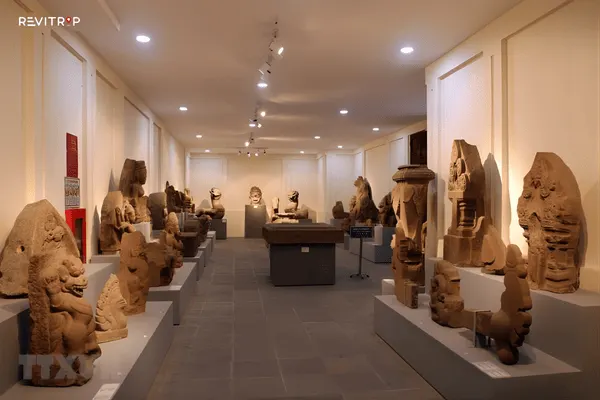
If you only visit one museum in the city, start here. The Da Nang Museum of Cham Sculpture is the cultural anchor of the list. It sits in the center of the city and brings you into the world of Champa through stone sculpture, sacred imagery, and a slower kind of visual attention. The museum’s collection grew from discoveries made around Da Nang, Quang Nam, and nearby provinces, which is part of what makes the visit feel rooted in place rather than imported from somewhere else.
What I like most about this museum is the pace it asks from you. It is not loud. It is not overdesigned. You walk in, the city noise falls back a little, and suddenly Da Nang feels older than it did an hour before. That shift matters. If My Son is on your wider Vietnam list, this museum gives that future visit more meaning. If My Son is not on your list, this is still one of the cleanest ways to understand central Vietnam’s older cultural layer.
Go in the morning if you can. Stone sculpture is easier to enjoy before the day gets too hot and your attention starts slipping. Also, do not rush. This is one of those places where ten good minutes with a few strong pieces is better than racing through every room.
That older cultural layer also makes more sense when you see Da Nang as part of a wider central Vietnam journey, and Hoi An is an easy next stop in that rhythm.
Da Nang Museum
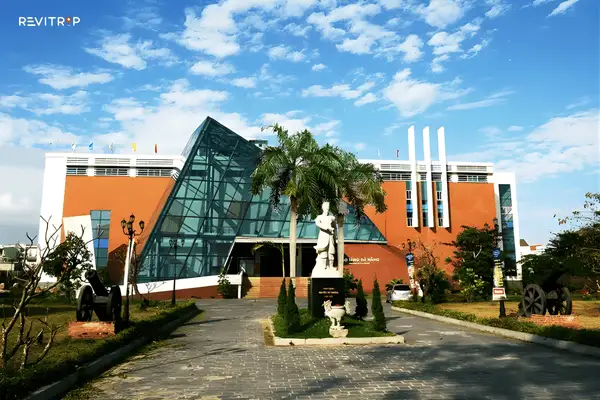
The Da Nang Museum is the one I would choose for orientation. If the Cham Museum gives you depth, this one gives you the wider city frame. The current museum site stands at 42–44 Bach Dang Street and 31 Tran Phu Street in Hai Chau, with the visitor entrance at 31 Tran Phu. That central location makes it one of the easiest museum stops to fold into a walking day around the river and downtown streets.
This is the museum for travelers who want the city story in one place. You come here to understand how Da Nang has formed, shifted, and presented itself over time. That is useful on a first visit, especially if you are the kind of traveler who likes to know where a place sits in its own history before going deeper into smaller details. It also pairs very naturally with the Cham Museum. One gives you the older civilizational layer. The other helps you read the city itself.
Da Nang Fine Arts Museum
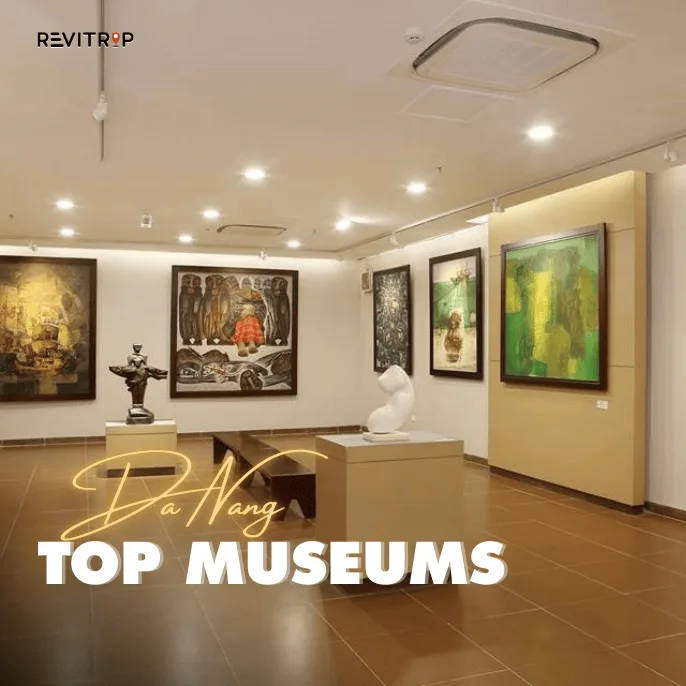
The Da Nang Fine Arts Museum is a softer stop, and sometimes that is exactly what a trip needs. Founded in 2014, it was created to preserve and showcase the art heritage of Da Nang and the surrounding region. It is located at 78 Le Duan and holds more than 1,000 works across modern art, folk art, and traditional craft pieces. The museum is spread across three levels, with space for temporary exhibitions, children’s activities, contemporary works, and older folk and craft traditions from the central and Central Highlands regions.
This is the museum I would save for the middle of the day. The mood is lighter here. More open. Less monumental. You do not need a big background in Vietnamese art to enjoy it. You can just move slowly and notice what pulls you in. That makes it a good choice for travelers who want culture without intensity. It is also a smart pick for repeat visitors to Da Nang who have already done the obvious history stops and want something quieter.
Ho Chi Minh Museum – Military Zone 5 Branch
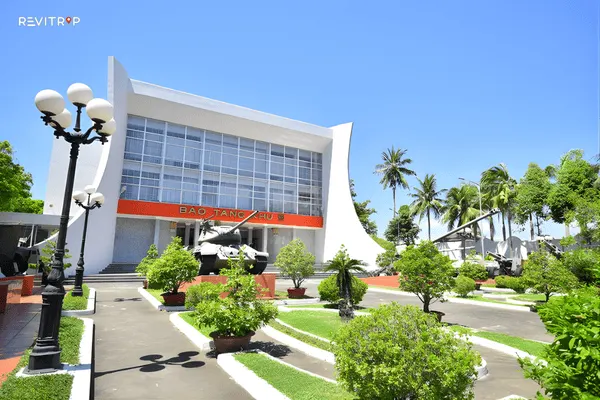
This museum is heavier in tone, and it should be. The complex includes both the Ho Chi Minh Museum – Military Zone 5 Branch and the Military Zone 5 Museum. According to Da Nang’s official tourism portal, it spans more than 5,000 square meters and focuses on the history of national defense, the role of Military Zone 5, and the life and revolutionary contributions of President Ho Chi Minh. The grounds also include a memorial space and a full-scale replica of Ho Chi Minh’s stilt house with gardens and a fish pond.
I would not place this on a casual sightseeing loop just because it is nearby. Give it a proper block of time. Come when you are ready to focus. For travelers who want to understand more of Vietnam’s wartime memory, this is one of Da Nang’s most meaningful museum visits. It carries more emotional weight than the others on this list, which is exactly why it deserves a different kind of attention.
Hoang Sa Exhibition House
This is one of the most distinctive cultural stops in Da Nang. The Hoang Sa Exhibition House sits on Hoang Sa Road in Son Tra and is dedicated to documents, maps, objects, and images related to Vietnam’s sovereignty over the Hoang Sa and Truong Sa archipelagos. The exhibition uses both static displays and multimedia presentation, so the visit feels focused and modern rather than dusty or overly formal.
It is not the first museum I would send every visitor to, but it may be the most specific. That is its strength. The subject is clear. The building itself is memorable. And because the stop sits along the coastal road toward Son Tra, it fits beautifully into a day that already includes sea views and a slower ride north. If you want a museum visit that feels civic, thoughtful, and very tied to Da Nang’s coastal identity, this is the one.
Art in Paradise Danang
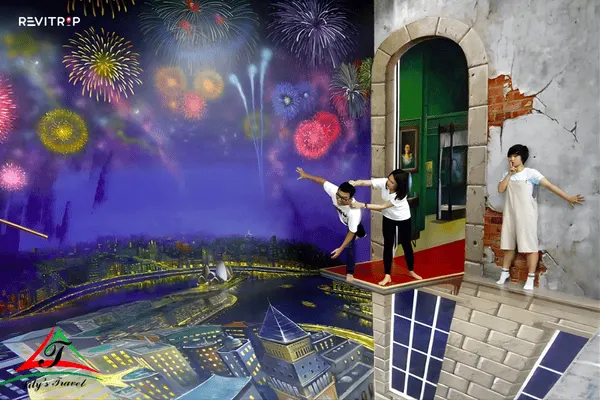
Not every museum hour has to feel solemn. Art in Paradise Danang is the playful outlier on this list, and it earns its place because it does something different on purpose. Official Da Nang tourism information describes it as the largest 3D trick art museum in Vietnam. It is located on Tran Nhan Tong Street in Son Tra, spread across 4,000 square meters in a two-floor building, and built around nine themed zones created by Korean artists. The whole concept is interactive. You do not just look at the work. You step into it.
This is the easiest museum choice for families, groups of friends, and rainy afternoons when the beach plan falls apart. It is also one of the rare tourist spots that openly rewards silliness. Take photos. Lean into the illusion. Let it be a little ridiculous. I would not choose it over the Cham Museum if you only have one museum slot in your trip, but I would absolutely choose it when you want the day to stay light and fun.
After the museums, the next step is usually deciding where to stay in Da Nang and which parts of the city you want to give more time.
FAQ
Da Nang Museum is open daily from 8:00 AM to 5:00 PM. The current visitor entrance is at 31 Tran Phu Street, which makes it an easy stop if you are already exploring the city center.
The general entrance fee for Da Nang Museum is VND 50,000 per person. The discounted rate is VND 20,000 for Da Nang residents and students, while some visitors are eligible for free entry under the museum’s exemption policy.
The Da Nang Museum of Fine Arts is open daily from 8:00 AM to 5:00 PM. It works especially well as a late-morning or early-afternoon stop when you want a cooler indoor break from the heat.