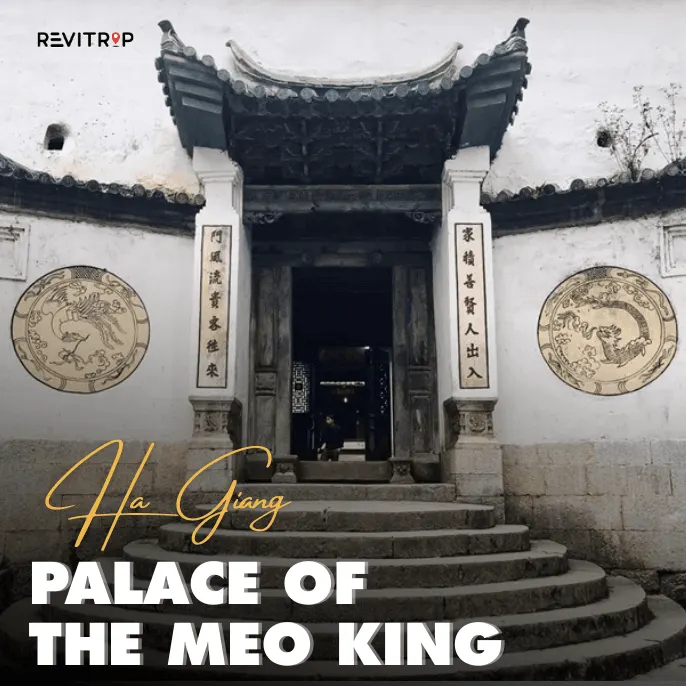
Dinh Thu Ho Vuong, also known as the Vuong Palace, is one of the most unique historical sites in Vietnam. It sits in the heart of Ha Giang province. This old palace tells the story of a powerful Hmong leader. It also shows a rare mix of three different cultures in one building. If you plan to visit Ha Giang, this place is a must-see.
What Is Dinh Thu Ho Vuong?
Dinh Thu Ho Vuong is an old palace in Sa Phin Valley. It is in Lung Phin Commune, Dong Van District, Ha Giang Province. The site is about 125 km from Ha Giang City. It is only 15 km from the famous Dong Van Karst Plateau.
People also call this place the “Palace of the Meo King.” The word “Meo” is the local name for the Hmong people. The palace was home to two important men. The first was Vuong Chinh Duc (1886-1962). He was the head of the feudal Hmong clan system. The second was his son, Vuong Chi Sinh. The son later became a member of Vietnam’s National Assembly.
In 1993, the Vietnamese Ministry of Culture ranked Dinh Thu Ho Vuong as a National Heritage Site. This makes it one of the most important cultural landmarks in northern Vietnam.
History of the Palace
Construction of the palace began in 1898. It was completed in 1907. The project took about 5 years to finish. All work was done by hand. No machines were used at all.
The total cost was 150,000 Indochinese silver coins. In today’s money, this equals about 150 billion Vietnamese Dong. This was a huge amount of money at the time.
Craftsmen from Yunnan Province in China worked side by side with local Hmong workers. Together, they built a palace that covers over 1,200 square meters. The total land area is about 3,000 square meters.
The story of why this site was chosen is also very interesting. A feng shui master from China named Truong Chieu picked the location. He said the valley at Sa Phin sat on a “turtle-shaped hill.” He believed building on the back of a turtle would bring great wealth and power to the family.
Architecture and Design
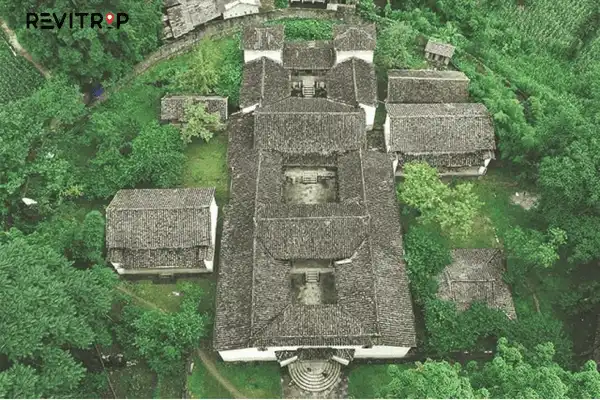
The design of Dinh Thu Ho Vuong is one of a kind. It blends three different cultural styles: Hmong, French, and Chinese. Despite this mix, the building feels very natural and balanced.
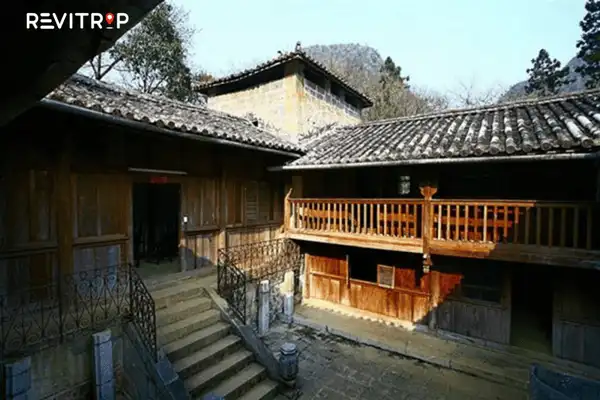
The palace has four horizontal houses and six vertical houses. These are divided into three main zones. The front zone was for guards and servants. The middle and back zones were for living and working. In total, there are 64 small rooms spread across two floors.
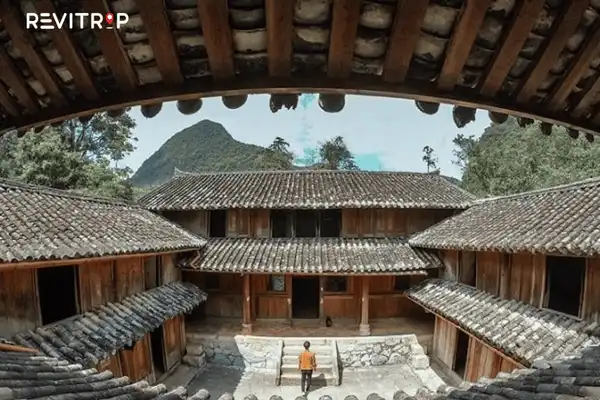
The walls are made of blue stone. Stone makes the structure very strong. It can stand up to both enemies and harsh weather. The roof beams and columns are made of wood. Wood adds beauty and warmth to each room.
The roof tiles are made of fired clay. This material is easy to shape. It is also very durable. The outer walls are higher than the inner ones. This design blends the building into the surrounding landscape.
The location of the palace also serves as a natural defense. Mountains surround the valley on all sides. This is called the “tortoise shell” formation. It was a very effective defensive position during times of war.
Interior and Decorations
Most of the original furniture and objects inside the palace are still there. They have been well preserved over many decades. A few wooden chairs and items were later replaced by the government. They used ironwood and limestone wood to keep the pieces from decaying.
The wooden details inside are carved with local flower patterns. These include peach blossoms and poppy flowers. The poppy was a very important plant. The Meo King grew and traded poppy to earn money. This is how he paid for the palace. The house pillars are even carved to look like poppy seed pods.
French influence can also be seen inside. There is a stone bathtub for goat milk baths. Glass shutter windows let in natural light. A fireplace keeps rooms warm in cold winters. The main entrance uses granite stone floors. The doorframe is decorated with beautiful iron flower patterns. These details show the French colonial style.
Legends and Stories
Dinh Thu Ho Vuong is full of mystery and legend. One well-known story involves the Meo King’s health. He suffered from serious back pain for many years. He tried many different treatments. None of them worked.
A Chinese feng shui master told him that his father’s grave was in a bad location. He said it was on the back of a dragon. This brought bad luck and illness. The king moved the grave to a new place. But this was later seen as a trick by the Chinese master. Moving the grave broke an old taboo.
Because of this mistake, the king’s first three wives could not have children. Only his fourth wife gave birth to a son. The boy was named Vuong Duy Tho. This story has been passed down through many generations.
These legends make Dinh Thu Ho Vuong even more interesting to visit. Every corner of the palace seems to hold a hidden story.
How to Get to Dinh Thu Ho Vuong
The palace is about 125 km from Ha Giang City. The most popular way to get there is by motorbike. The road passes through stunning mountain scenery. Most visitors combine the trip with stops at the Dong Van Karst Plateau and Ma Pi Leng Pass.
You can also rent a car or join a tour from Ha Giang City. The journey takes about 3 to 4 hours each way. The road is winding but very scenic.
Best Time to Visit
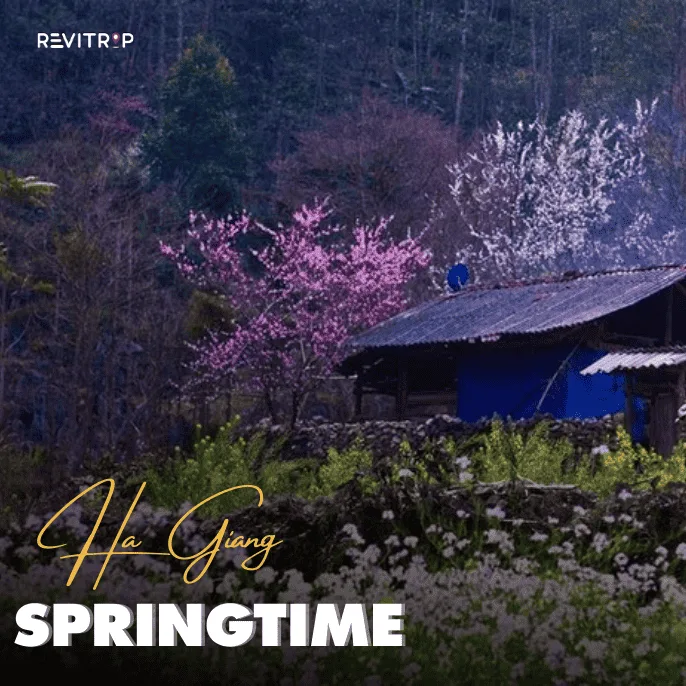
Ha Giang is beautiful in every season. However, October and November are the best months to visit. The buckwheat flowers bloom in white and pink across the rocky plateau. This creates a magical view around the palace.
March and April are also good months. Spring brings warm weather and clear skies. Summer months can be rainy and the mountain roads may be slippery.
Nearby Attractions
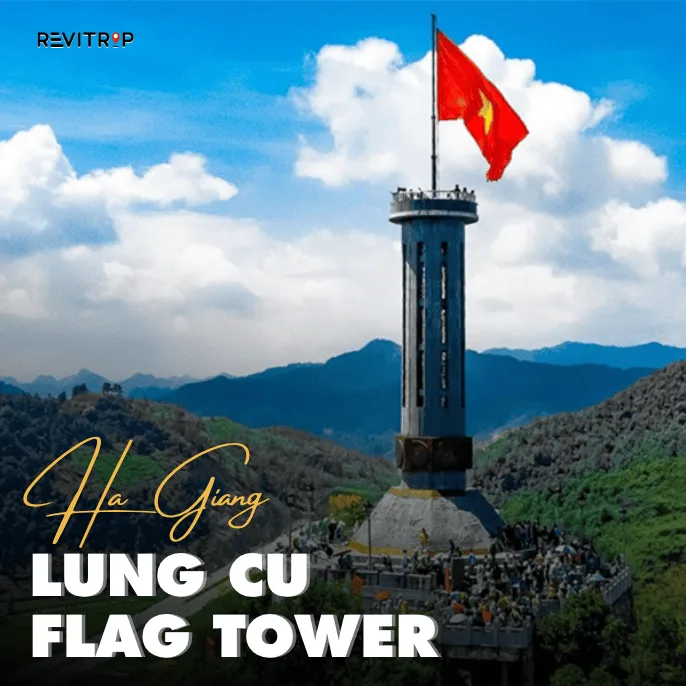
While you are in the area, there are many other great places to explore. Lung Cu Flag Tower is the northernmost point of Vietnam. It is a powerful symbol of national pride. Sung La Valley is known for its beautiful flower fields. Pao’s House is a famous filming location from a beloved Vietnamese movie. Ma Pi Leng Pass is one of the four most dramatic mountain passes in Vietnam.
Visiting these places together with Dinh Thu Ho Vuong makes for a rich and complete Ha Giang trip.
Tips for Visitors
Dress in neat and respectful clothes when you visit. The palace is a heritage site and a place of cultural importance. Avoid making loud noises inside the palace grounds.
A small entrance fee is required to enter the site. Photography is allowed in most areas. Hiring a local guide is a great idea. A guide can tell you the full story behind every room and object.
Start your trip early in the morning. This way you can avoid crowds and see the palace in soft morning light.
Final Thoughts
Dinh Thu Ho Vuong is more than just an old building. It is a window into the life of the Hmong people. It shows the power of one family and the beauty of three cultures coming together. The palace has stood for over 100 years. It still looks strong and impressive today.
If you visit Ha Giang, do not miss this place. Walk through the stone halls. Look at the carved wooden details. Listen to the stories of the Meo King. You will leave with memories that last a lifetime.
FAQ
The Meo King was Vuong Chinh Duc, a powerful Hmong leader in Ha Giang. He ruled the region during the late 19th and early 20th centuries.
Dinh Thu Ho Vuong is in Sa Phin Valley, Lung Phin Commune, Dong Van District, Ha Giang Province. It is about 125 km from Ha Giang City.
The palace is famous for its history, unique architecture, and connection to the powerful Vuong family. It also stands out for blending Hmong, Chinese, and French design influences.