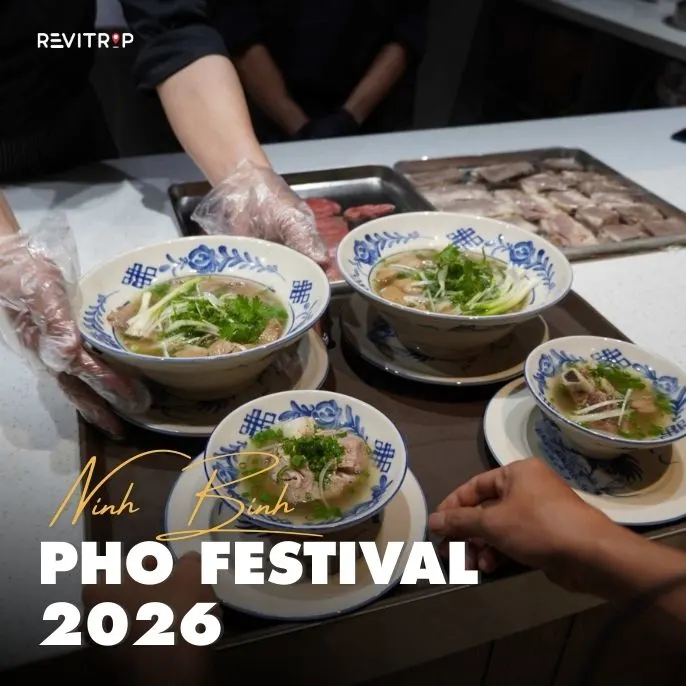
Vietnam has many food festivals. However, very few carry the weight of the Ninh Binh Pho Festival. This is not just a tasting event. It is a serious cultural gathering built around one of the most recognized dishes on earth, in the province that claims one of pho’s oldest ancestral villages. The 2026 edition runs from March 19 to 22 in Ninh Binh City. If you are in northern Vietnam at this time, it is absolutely worth building your itinerary around it.
This guide covers what the festival involves, why Ninh Binh hosts it, what to see and eat, and how to plan your visit practically.
Why Ninh Binh Hosts the Pho Festival
The connection between Ninh Binh and pho runs deeper than most visitors realize. Van Cu village, formerly in Nam Dinh Province and now part of Ninh Binh, is considered one of the cradles of traditional pho-making. The communal house of Van Cu village preserves stories about the origins of pho cooking and about the generations of people who left their hometowns carrying family recipes, helping shape the reputation of Vietnamese pho across the country.
Currently, the Van Cu traditional pho-making village has about 80 members of its Association living and working in the pho industry throughout the country and abroad. These are families who took their recipes to Hanoi, to Ho Chi Minh City, and eventually overseas. In many ways, they carried pho with them wherever they went. Hosting the national Pho Festival here is, therefore, a homecoming of sorts.
Beyond local pride, the festival serves a broader national purpose. The event aims to honor the country’s traditional pho craft while contributing practical evidence and data to support the preparation of a dossier seeking UNESCO recognition for pho as a world cultural heritage. Both Nam Dinh pho and Hanoi pho were recognized as National Intangible Cultural Heritage in 2024. In 2025, Vietnamese beef pho ranked 9th in TasteAtlas’s list of the 100 best dishes in Southeast Asia. The UNESCO ambition, therefore, is not a distant goal. It is the next logical step.
If you are planning a broader Ninh Binh trip around the festival, our Ninh Binh destination guide covers all the main attractions and how to fit them around your schedule.
Pho Festival 2026: Key Facts
The 2026 festival is held under the theme “Vietnamese Pho – A Living Heritage in the Modern Era.” The main program runs across four days, with a heritage prelude event on March 19 and the core festival from March 20 to 22.
| Detail | Information |
|---|---|
| Dates | March 19 – 22, 2026 |
| Main venue | Ninh Binh City center |
| Heritage prelude | Van Cu Village Communal House, Nam Dong Commune |
| Theme | “Vietnamese Pho – A Living Heritage in the Modern Era” |
| Number of booths | Around 50 from leading pho brands nationwide |
| Admission | Free (individual dish purchases vary) |
What Happens at the Pho Festival?
The Heritage Prelude at Van Cu Village
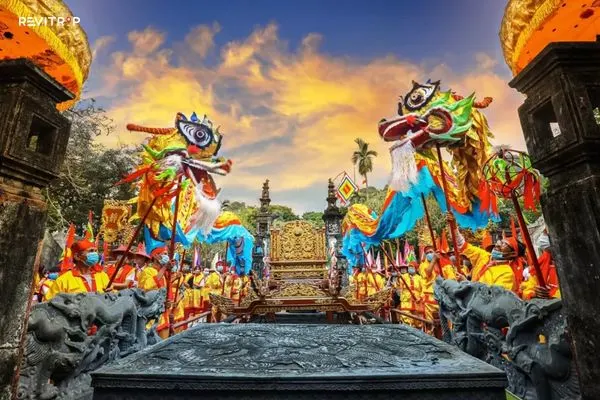
From March 18 to 19, a heritage experience program takes place at Van Cu Village Communal House in Nam Dong Commune, under the theme “Returning to Van Cu Communal House – Opening a Heritage Chapter.” Activities include recreating the journey of the craft village, artisan demonstrations, and ceremonies paying tribute to the patron saint of the village.
This opening event is often overlooked by visitors who focus only on the main festival days. However, it is actually the most intimate and culturally rich part of the whole program. Watching active pho-making artisans demonstrate techniques passed down across generations, in the same village where those techniques originated, is a genuinely moving experience. It also draws smaller crowds than the main city events, which makes it easier to engage closely with what is happening.
The Main Exhibition and Tasting Space
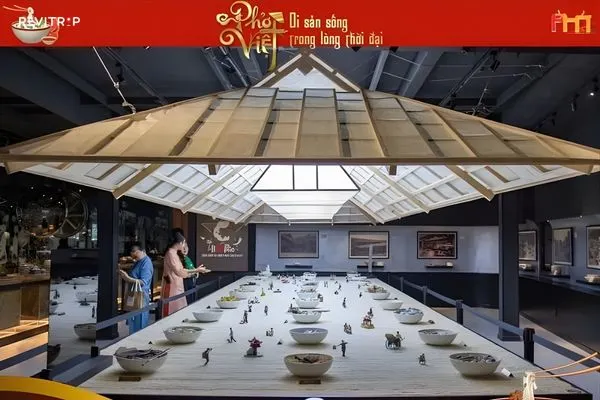
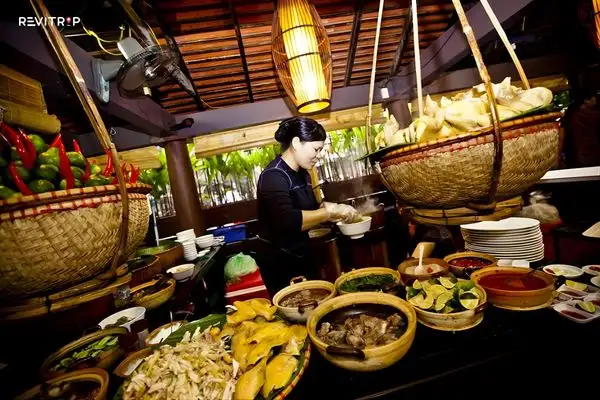
One of the highlights of the 2026 Pho Festival is the large-scale exhibition and culinary experience space with over 50 booths showcasing pho from all three regions of Vietnam. Visitors can enjoy many distinctive variations of Vietnamese pho, from the light and refreshing Northern pho, the rich and flavorful Central Vietnamese pho, to the Southern pho with its generous combination of spices and garnishes. Each version reflects the unique culinary culture of its respective region. Furthermore, cooking demonstrations and exhibitions retrace the origin, evolution, and spread of the iconic dish.
The “Vietnamese Pho Imprint” Appraisal
This is the festival’s most formal segment. Culinary experts, artisans, and researchers assess pho preparations from participating vendors against defined standards of technique, broth preparation, and ingredient quality. The process directly feeds into the UNESCO nomination dossier, providing documented evidence on pho-making as a living cultural practice. For food enthusiasts, it is fascinating to watch. For researchers and chefs, it carries genuine professional significance.
The Forum: “Vietnamese Pho in the Flow of World Heritage”
The forum brings together artisans from the Vietnam Culinary Culture Association, experts, and members of the Ninh Binh Provincial Culinary Culture Association to exchange knowledge on pho-making traditions. Sessions cover the historical development of pho across regions, the relationship between the dish and Vietnam’s broader cultural identity, and the methodology for building a credible UNESCO heritage application. This segment is conducted in Vietnamese, though festival staff typically provide summaries for international visitors.
“Three-Region Rolled Pho” Culinary Performance
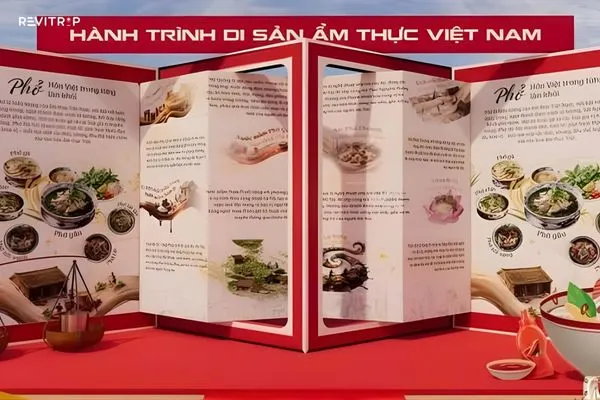
This is one of the most visually engaging events of the festival. Chefs from northern, central, and southern Vietnam prepare their regional pho interpretations simultaneously on a shared stage. The performance highlights both the common thread running through all versions and the regional differences that make each one distinct. It is part cooking demonstration, part theater, and entirely enjoyable regardless of how much you already know about the dish.
The Art Night: “Pho Connect”
The “Pho Connect” art night blends traditional craft demonstrations, professional discussions, and artistic performances, all aimed at highlighting the cultural, historical, and creative values of the heritage community. Live music, traditional performance art, and visual installations run throughout the evening. Moreover, the atmosphere during this segment is notably warmer and more social than the daytime events, drawing a mixed crowd of locals, domestic tourists, and international visitors.
The Talk Show: “We Love Pho”
This segment frames pho as a bridge between Vietnam and the world. Speakers have included Vietnamese ambassadors and senior culinary figures who position the dish as a national cultural symbol and a tool for building international people-to-people connections. The talk show format makes this segment accessible even for visitors who are new to the broader cultural conversation around Vietnamese cuisine.
What to Actually Eat at the Festival
The 50-plus tasting booths are the heart of the visitor experience. Here is how to approach them sensibly.
Start with Northern pho before moving south. Northern pho (pho Bac) uses a clearer, more delicate broth. It relies on the quality of the bones and the precision of the spice balance rather than on sweetness or garnish volume. This is the version most closely tied to Van Cu village’s tradition, and consequently the most relevant starting point at a Ninh Binh festival.
Central Vietnamese pho is less commonly encountered outside the region. It tends to be spicier, with a richer, darker broth and a heavier use of chili oil. Try it second. Finally, Southern pho (pho Nam) arrives with a wider garnish plate: bean sprouts, fresh herbs, hoisin, and chili sauce on the side. The broth is sweeter and more complex in spice. It is also the version most familiar to international visitors who have encountered pho outside Vietnam.
Beyond the regional tastings, look for booths showcasing less common variations. Chicken pho (pho ga), dry pho (pho kho), and pho rolls (pho cuon, the format highlighted in the Three-Region performance) all appear at the festival and offer a fuller picture of how versatile the dish actually is.
Practical Tips for Visiting
Getting to Ninh Binh
Most visitors travel from Hanoi. The journey takes approximately two hours by train or 1.5 to 2 hours by private car. Trains from Hanoi’s main station to Ninh Binh run several times daily. The train option is both affordable and scenic, crossing the Red River delta and arriving directly in the city center. For those combining the festival with a wider northern Vietnam trip, our Ninh Binh destination guide covers the full range of attractions and transport options in detail.
When to Arrive
The Van Cu Village prelude event on March 19 is the best day for cultural depth and smaller crowds. The main tasting booths and performances on March 20 to 22 draw significantly larger numbers, particularly on the weekend. Arriving on March 18 or 19 gives you the most complete experience across all four days.
Where to Stay
Book accommodation at least three to four weeks before the festival. Hotels in Ninh Binh City fill quickly during cultural events. Properties in the Tam Coc and Trang An areas, about 7 to 10 km from the city center, offer a quieter base with easy access to the surrounding natural scenery. Our guide to Ninh Binh restaurants covers where to eat beyond the festival itself.
What to Bring
Cash is the most practical payment method at festival booths, though larger vendors increasingly accept QR payment. Bring a small bag for any food items, comfortable shoes for standing and walking between venues, and a light jacket for March evenings in Ninh Binh, which can be cool after dark.
The Bigger Picture: Pho and UNESCO
The Pho Festival is enjoyable on its own terms. However, understanding its broader purpose makes it more meaningful. Vietnam is in the active process of building a UNESCO application for pho as an Intangible Cultural Heritage of Humanity. The festival contributes directly to this effort by documenting craft practices, gathering expert testimony, and demonstrating the dish’s living cultural role across all three Vietnamese regions.
Deputy Prime Minister Mai Van Chinh has given in-principle approval for the preparation of scientific dossiers on pho and water puppetry, to be submitted to UNESCO for inclusion on its intangible cultural heritage list. As a result, the 2026 festival carries more official weight than previous editions. Attending it now means being present at a genuinely significant moment in Vietnamese culinary history, before the UNESCO recognition that most observers expect eventually arrives.
For travelers who want to experience more of Ninh Binh’s festival culture alongside the Pho Festival, the province has a rich calendar throughout the year. The Hoa Lu Festival in April honors King Dinh Tien Hoang with large-scale historical reenactments. The Trang An Festival in May features water processions on the Sao Khe River. Our Ninh Binh destination guide covers all of these in context.
FAQ
The Pho Festival 2026 runs from March 19 to 22 in Ninh Binh. The heritage prelude event at Van Cu Village takes place on March 18 to 19. The main program, including tasting booths, performances, and forums, runs from March 20 to 22.
Yes. Entry to the festival grounds and most events is free. Individual pho portions at the tasting booths are priced separately, typically at 30,000 to 60,000 VND per bowl. Bring cash for the best experience across the full booth selection.
Van Cu village in Ninh Binh is considered one of the cradles of Vietnamese pho-making. The craft has been practiced and passed down there for generations, with village families spreading their recipes across Vietnam and abroad. Hosting the national festival here honors that heritage and supports the UNESCO recognition dossier being built around pho’s cultural significance.