Ha Long Bay Floating Villages: Cua Van & Vung Vieng
Most visitors to Ha Long Bay come for the limestone karsts and the cruises. However, the bay’s floating fishing villages offer something equally compelling: a window into a way of life that has existed on the water for centuries. Cua Van and Vung Vieng are the two most visited of these communities, and they differ significantly in character, location, and atmosphere. This guide covers both honestly, so you can decide which suits your trip and how to visit each one well.
Why the Floating Villages Matter
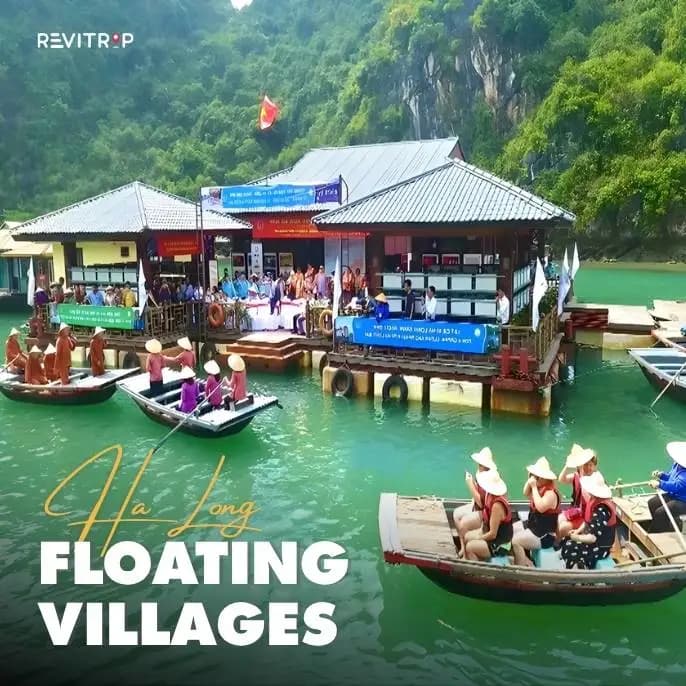
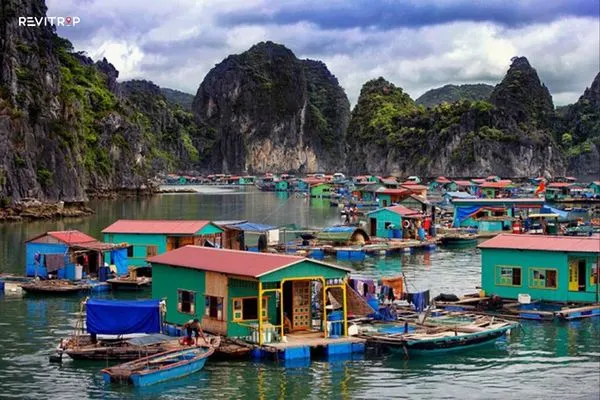
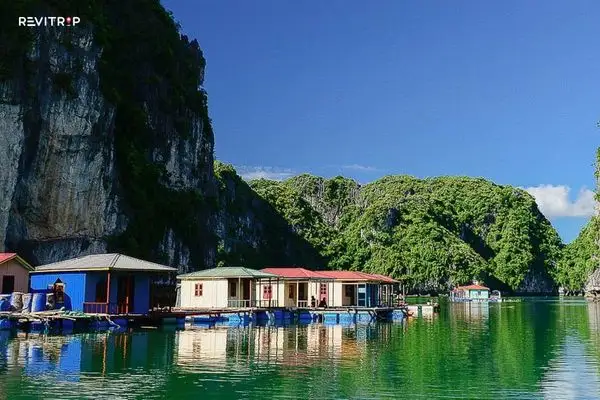
Cua Van fishing village stands on the site of two former fishing villages, Giang Vong and Truc Vong, and has become an essential part of Ha Long Bay. The community nestles on the tranquil sea of the bay, with the Va Gia limestone islet behind the houses providing a natural anchor point for boats.
Vung Vieng, meanwhile, lies right at the heart of Bai Tu Long Bay, slightly northeast of Ha Long Bay. It was founded in the 19th century. Today the population is around 300 people, most of whom descend from the village’s original inhabitants.
Together, these two villages represent one of the last visible traces of a floating culture that once defined life across the entire bay. In 2012, in response to safety and environmental concerns, the Ha Long Bay Management Board decided to relocate all residents of the floating villages to the mainland. Consequently, both villages now function as living heritage sites rather than full residential communities. However, aquaculture families remain on the water. Daily routines continue. The villages feel genuine rather than staged. For context on what else the bay offers beyond the water, our covers the full range of activities and attractions.

Cua Van: The Bay’s Most Recognized Village
Background and Location
Cua Van fishing village sits approximately 20 kilometers south of the old Bai Chay wharf, at the heart of the UNESCO World Heritage site. Surrounded by majestic limestone mountains, it serves as both a home to local fishermen and a safe haven for boats seeking shelter from storms.
The village comprises 176 households with a population of 733 people. The local fishermen rely on the sea for their livelihood. Cua Van remains relatively untapped by mass tourism and has preserved its natural features, largely because it sits far from both the city center and the shoreline.
Internationally, Cua Van has earned significant recognition. In 2021, it was listed among the 16 most beautiful ancient villages in the world by travel magazine Journeyetc.com. Travel and Leisure has also named it one of the villages with the most gorgeous shoreline in the world.
What to Do at Cua Van
Kayaking and bamboo boat rides. Local people directly show visitors around the hamlet on kayaks and offer kayak rental services. The best way to discover the village is to kayak yourself. Alternatively, bamboo boats offer a more relaxed experience for those who prefer to sit back and observe.
The Cua Van Floating Cultural Center. This specialized structure displays and preserves the traditional cultural values of the fishing village. It holds a wide range of educational activities and a collection of hundreds of archaeological artifacts, including ancient fishing tools dating back centuries. The center also exhibits documentaries and archival photographs showing the ancient image of the village.
Traditional activity participation. Visitors can explore Tien Ong Cave and Ba Ham Lake, climb limestone islets, go fishing, and visit fish farms. Traditional activities such as knitting nets or making fishing hooks appeal to many visitors, and you can try these under the guidance of people born and raised in the fishing village.
The “Voices of Ha Long” performance series. Launched in 2024 and held on a floating platform, this 40-minute show features traditional Vietnamese water puppetry, folk songs by village elders, and demonstrations of traditional instruments including the dan bau monochord. During peak season from October to April, performances run three times weekly on Monday, Wednesday, and Saturday at 19:30. Each show accommodates a maximum of 60 attendees.
My Experience at Cua Van
I visited Cua Van on a two-night cruise in October. The approach by tender boat through narrow channels between the karsts is genuinely arresting. What surprised me most on arrival was the quietness. There was almost no engine noise, only oars, birdsong, and distant voices. A local guide rowed us through the village in a bamboo basket boat and explained how families divide roles on the water: men fish at dawn, women sort and sell the catch, children attend the floating school by mid-morning. The Floating Cultural Center was worth longer than most travelers give it. The archaeological collection inside is small but genuinely interesting.
Vung Vieng: The Quieter Alternative in Bai Tu Long Bay
Background and Location
Vung Vieng sits about 24 km from the mainland, in the center of Bai Tu Long Bay. In the 19th century, old fishermen began docking here to trade food, involving not only local residents but also foreign merchants from China. Today, the village is home to around 50 multigenerational families and approximately 300 inhabitants, who rely on aquaculture and natural resources for their livelihoods.
In 2014, all 100 households relocated to the mainland. Now only households engaged in aquaculture remain and work in the floating houses. The conservation and restoration of the ancient fishing village’s values continue, preserving the fisherman’s raft house, school, and library.
Vung Vieng sits in Bai Tu Long Bay, which is technically separate from Ha Long Bay proper. This is an important distinction. Bai Tu Long Bay sees significantly fewer cruise boats than the main Ha Long routes, which makes Vung Vieng a noticeably quieter experience than Cua Van for most visitors.
What to Do at Vung Vieng
Enter through Cao Cave. Cao Cave forms the natural gateway to the village. The arch is about 50 meters wide. At normal water levels, it stands 5 to 6 meters high. When the water level drops, it can reach 7 to 8 meters. Passing through the cave by boat marks a genuinely dramatic entrance into the village.
Bamboo boat tours of the village. It takes 40 to 45 minutes to row around the village. During peak season in October, a boat makes four trips daily. The route passes Husband and Wife Mountain, a karst formation that locals interpret as two figures leaning against each other.
Kayaking through Bai Tu Long Bay. Paddling around the giant limestone peaks that ring the village is a pleasure not to be missed. Kayaking gets visitors up close to the bay’s beauty, through hidden caves and lagoons that larger boats cannot access.
Pearl farm and aquaculture visit. Vung Vieng is known for its pearl farming industry. A pearl farm visit offers an educational experience of this local custom. Visitors also observe fish farming operations directly from the floating platforms.
Night squid fishing. As night falls, visitors can take small boats to listen to love singing vocals, go fishing with fishermen, experience night squid fishing, or drop lanterns. This evening program is specific to overnight cruise stops at Vung Vieng and represents one of the most memorable activities in the bay.
My Experience at Vung Vieng
Vung Vieng felt different from Cua Van in a way that is hard to fully articulate. It was quieter and the scale was smaller. The entrance through Cao Cave by bamboo boat, ducking slightly as the arch passed overhead, created an immediate sense of arrival somewhere genuinely apart from the rest of the world. Children were swimming near the floating platform when our group arrived. They paid us very little attention. That indifference felt more authentic than any guided cultural performance.
Cua Van vs Vung Vieng: Key Differences
| Cua Van | Vung Vieng | |
|---|---|---|
| Location | Ha Long Bay | Bai Tu Long Bay |
| Distance from shore | 20 km | 24 km |
| Bay traffic | Moderate to high | Low to moderate |
| Atmosphere | Lively, more visited | Quieter, more secluded |
| Signature entrance | Open bay approach | Cao Cave arch passage |
| Cultural center | Yes, Floating Cultural Center | Floating center in development |
| Best activities | Cultural center, kayaking, performances | Cave entry, pearl farm, night squid fishing |
| Best for | First-time visitors, cultural focus | Repeat visitors, off-the-beaten-path feel |
How to Visit Each Village
Reaching Cua Van
The most popular and convenient way to visit Cua Van is through cruise packages departing from Tuan Chau Harbor or Bai Chay Pier. These typically include Cua Van as part of a multi-stop itinerary, with guided tours and meals included. Most standard Ha Long Bay cruises on the main bay route include Cua Van as a stop. Additionally, speedboats from Bai Chay reduce travel time for those on day trips.
Reaching Vung Vieng
Vung Vieng is only accessible by water. There is no road access. Most international travelers visit via a Bai Tu Long Bay overnight cruise of two or three days, which includes Vung Vieng as a dedicated stop. Private boat charters offer more flexibility but at a higher cost. Day boats from Bai Chay Tourist Wharf and Tuan Chau Port also run to Bai Tu Long Bay, though overnight cruises provide the most complete experience of the village.
For a broader look at how to structure your time on the bay, our Ha Long itinerary guide covers the most practical approaches for different trip lengths. Additionally, our guide on Is Ha Long Bay safe is worth reading before you book, particularly if you are considering a smaller boat for a village-focused day trip.
Visiting Responsibly
Both villages are living communities, not tourist attractions built for visitors. A few principles make a real difference. Keep voices low when passing near homes. Ask before photographing people directly. Purchase handicrafts from village sellers when the opportunity arises, as this supports the community directly. Follow your guide’s instructions about where to walk or paddle.
Villagers in Vung Vieng regularly arrange beach cleanup events and invite visitors to join in. They work to collect and dispose of trash along the shorelines, raising awareness about preserving the bay’s natural resources. Joining these efforts when offered is one of the most meaningful ways to engage with the community beyond sightseeing.
The best visiting window for both villages is October to April, when dry conditions and calm water make boat access straightforward. Our best time to visit Ha Long Bay guide covers the full seasonal breakdown for planning your trip.
FAQ
Yes, partially. Most residents relocated to the mainland in 2014 following a government resettlement program. However, aquaculture families remain on the water in both villages, raising fish, grouper, cobia, and pearls. Daily activity continues, including fishing, net mending, and boat maintenance.
Both villages are only accessible by water. Cua Van is a standard stop on most Ha Long Bay overnight cruises departing from Tuan Chau Harbour or Bai Chay Pier. Vung Vieng requires a Bai Tu Long Bay cruise, typically a two or three-night itinerary. Private speedboat charters work for both, but overnight cruises remain the most practical and rewarding approach.
Yes, strongly. The floating villages add a genuine cultural layer to what would otherwise be a primarily scenic bay experience. They show a side of Vietnam’s maritime history that has no equivalent anywhere else in the country. Most travelers who include a village visit name it among the most memorable parts of their Ha Long trip.