
Ha Long Bay is the kind of place that appears on every Vietnam poster for a reason. Nearly 2,000 limestone karst islands rise from emerald green water in the Gulf of Tonkin, and the scale of it, seen from the deck of a boat at dawn, is genuinely hard to take in. It is also one of the most visited places in Southeast Asia, with over 10 million tourists a year, and that number shapes the experience as much as the landscape does.
This guide covers what Ha Long Bay actually is, how to see it well, which cruise to pick, what to do on the water, when to go, and what most first-time visitors get wrong.
What Is Ha Long Bay?
Ha Long Bay is a UNESCO World Heritage Site sitting in the northeast of Vietnam, in Quang Ninh Province, about 160 km from Hanoi. The name translates as “descending dragon,” rooted in a legend that a great dragon plunged into the sea here, its thrashing tail carving the valleys that later filled with water and left only the limestone peaks visible.
The bay covers over 1,969 islets of two types, limestone and schist, forming a landscape dotted with sandy beaches and caves. Explorers have identified around 40 caves and grottos across the bay, and 20 of them currently welcome tourists.
Ha Long Bay sits alongside two neighboring bays that share the same landscape: Bai Tu Long Bay to the east, which is quieter and less visited, and Lan Ha Bay to the south near Cat Ba Island, which is increasingly popular as an alternative to the more crowded central bay. Many of the better cruises now combine two of these areas in a single itinerary, which gives a much better experience than staying in the main tourist zone alone.

The Only Real Way to See Ha Long Bay: Choosing a Cruise
Ha Long Bay is not a place you visit independently. There are no roads to the islands, no ferries between attractions. Everything happens by boat, and that means the cruise you choose is the experience you get. Our Ha Long Bay cruise guide covers specific operators, boat grades, and what to watch out for in the fine print.
Skip the Day Trip
Operators frequently offer one-day cruises departing from Hanoi. Skip them. Spending over three hours traveling from Hanoi just to spend a few hours in the most crowded and chaotic area of the bay, then another three hours returning, simply does not add up.
Go for 2 Days, 1 Night at Minimum
The best and most affordable option is generally a two-day, one-night cruise. This gives 24 hours on board, allowing you to venture deeper into the bay, away from the crowded areas. The itinerary on a one-night cruise can be very packed, with shore excursions, kayaking, swimming and hiking all included, leaving little time to actually sit and watch the scenery during daylight hours. If you have the time, a two-night itinerary is much more leisurely, with the bonus of visiting sights with fewer people around.
Honest take: Two nights is ideal if your schedule allows. One night is the minimum that makes the trip worthwhile. Anything less and you spend more time in a bus than on the water.

Pick a Cruise That Covers Bai Tu Long or Lan Ha Bay
The central Ha Long Bay zone is where most boats go, and during high season it can feel like a traffic jam on water. The better cruises extend into Bai Tu Long Bay or combine Ha Long with Lan Ha Bay near Cat Ba Island. Both areas share the same limestone landscape with a fraction of the boats. For that reason, choosing a cruise that covers Bai Tu Long Bay or Lan Ha Bay makes a real difference to the experience.
What the Ticket Price Covers
Most cruise packages bundle the shuttle bus transfer to and from Hanoi with hotel pickup and drop-off, all meals including lunch, dinner, and breakfast, plus activities and entrance fees for kayaking, cave visits, fishing villages, and bamboo boat rides. Drinks on board, however, usually cost extra. The Ha Long Bay entrance fee runs around $13 per person for a day cruise and $25 for an overnight cruise, and most operators fold this into your ticket price, though it is worth double-checking for the cheapest packages.
Budget guide: A mid-range overnight cruise runs $80 to $150 per person all-inclusive. A quality 2-night cruise runs $200 to $350. Anything significantly cheaper than these ranges is usually an older boat with lower standards.
What to Do on Ha Long Bay
Kayaking Through the Karsts
Of all the activities on offer, kayaking is the best way to experience Ha Long Bay at close range. Paddling through the narrow passages between islands, into hidden lagoons, and through low cave arches that larger boats cannot reach puts you inside the landscape rather than watching it from a distance. Most overnight cruises include kayaking as a standard activity, so take advantage of it in the late afternoon when the light is low and the tour groups have retreated to their boats.

Cave Exploration
Thien Cung Cave, just 4 km from the harbor, draws visitors with its intricate stalactites and stalagmites that fill the chambers like a grand underground palace. Dau Go Cave, formed around 2 million years ago, offers vast chambers, striking rock formations, and real historical weight as the strategic hideout Vietnamese forces used in the 13th century.
Most cruises schedule a cave visit as a fixed stop, though quality varies considerably. The larger, more-visited caves can feel like a conveyor belt of tour groups. If your cruise offers a choice, ask which caves the itinerary includes and check recent reviews. See our guide to the best caves in Ha Long Bay for a full breakdown of what each one is actually like.
Visiting a Floating Fishing Village
For centuries, fishing communities have made their homes on the water in Ha Long Bay. A boat tour around a floating village offers a glimpse of this rare way of life. Cua Van is the most well-known of these villages, though Typhoon Yagi in September 2024 heavily damaged parts of it. Check with your cruise operator for current access before planning a stop.

Swimming and Sunrise on the Deck
Equally important as any shore excursion: the sunrise. Waking up on the water surrounded by karsts, with almost no other boats moving yet, is the clearest version of why Ha Long Bay appears on every list it does. Set an alarm the night before. The sun deck before 6:00 AM is worth losing the sleep.
When to Visit Ha Long Bay
| Season | Months | Conditions |
|---|---|---|
| Best | Mar to May | Clear skies, calm seas, mild temperatures |
| Second best | Sep to Nov | Post-typhoon season, good visibility, fewer crowds |
| Acceptable | Dec to Feb | Cold and sometimes foggy, but atmospheric |
| Least recommended | Jun to Aug | Hot, humid, typhoon risk, domestic peak season crowds |
Overall, Ha Long Bay rewards visitors year-round, but spring (March to May) and autumn (October to November) offer the most reliable conditions: mild temperatures, calm seas, and clear skies that make kayaking and open-deck sailing genuinely comfortable.
That said, the typhoon warning for June to August is real. Summer travel can mean cancellations or postponements, so confirm your operator’s refund policy before booking any cruise during those months.
How to Get to Ha Long Bay
From Hanoi by shuttle bus (most common): The Ha Long–Hai Phong Expressway has cut driving time to 2.5 hours for private vehicles. On a shuttle bus, plan for a three to 3.5-hour ride including a comfort stop. Most cruise operators bundle round-trip transfers from Hanoi’s Old Quarter into the package price, making this the simplest option for first-time visitors.
From Hanoi by private car: Faster and door-to-door. For groups of three or more, the per-person cost becomes comparable to the bus, so it is worth considering. The expressway drive is comfortable and straightforward.
From Hai Phong: A useful alternative for visitors arriving via Hai Phong or continuing south afterward. This route also works well for those combining Ha Long Bay with Cat Ba Island via the Hai Phong ferry.
Ha Long Bay vs. Ninh Binh: Do You Need Both?
Travelers often compare Ha Long Bay and Ninh Binh because both feature limestone karsts, boat caves, and rural scenery. Some even call Ninh Binh the “inland Ha Long Bay,” and the comparison holds on the surface.
In practice, though, they are not interchangeable. Ha Long Bay is open sea, large-scale, and best experienced from the deck of an overnight cruise boat. Ninh Binh, by contrast, is a land and river experience with temples, ancient history, and a slower pace you can explore by bicycle. If you have time for both, do both. The decision comes down to whether you want a sea cruise or a cycling-and-temples trip.
If you are coming from or passing through Ninh Binh, our Ninh Binh itinerary guide covers how to structure two to three days in the region before or after a Ha Long Bay cruise.
What to Eat in Ha Long Bay
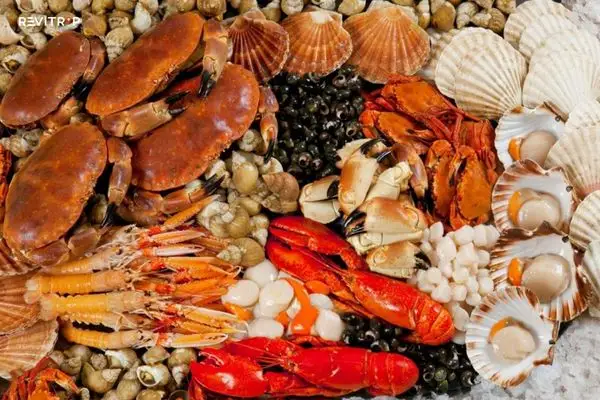
Ha Long Bay’s food identity is built around seafood. The Gulf of Tonkin produces squid, crab, clams, sea snails, and fresh fish that appear in everything from simple grilled preparations to rich noodle broths. The best eating happens in Ha Long City around the Bai Chay area and the Ha Long Night Market, where local restaurants serve fresh catches at prices well below what you pay on board a cruise. See our dedicated Ha Long Bay food guide for the dishes worth ordering.
Ha Long Bay Practical Information
| Detail | Information |
|---|---|
| Location | Quang Ninh Province, northeast Vietnam |
| Distance from Hanoi | 160 km, 2.5 to 3.5 hours by road |
| UNESCO status | World Heritage Site (natural), listed 1994 |
| Entrance fee | ~$13 USD (day cruise), ~$25 USD (overnight), usually included |
| Best cruise duration | 2 days 1 night minimum; 3 days 2 nights for comfort |
| Best time to visit | March to May, September to November |
| Currency | Cash VND for local spending; cruise packages usually USD or VND |
Honest Take: Is Ha Long Bay Worth It?
Yes, with the right expectations. The scale of nearly 2,000 limestone islands rising from the sea does not disappoint up close, and the sunrise from an overnight boat is something you will not forget.
What it is not: a hidden gem, a quiet escape, or a budget-friendly adventure. The crowds are real, the better cruises are not cheap, and a poorly chosen tour can turn one of Vietnam’s great natural wonders into a frustrating day of herding between tourist stops.
To get the most out of it, book a reputable operator with good recent reviews, stay at least one night, and choose a cruise that covers Bai Tu Long or Lan Ha Bay. Finally, set an alarm and be on the top deck before sunrise.
FAQ
Ha Long Bay in Vietnam is world-renowned for its breathtaking seascape of thousands of limestone karsts and isles rising from emerald waters, earning it UNESCO World Heritage status.
Famous for “descending dragon” legends, it features stunning, vegetation-covered pinnacles, hidden caves, floating fishing villages, and, since 2012, recognition as one of the New Seven Natural World Wonders.
Top non-cruise activities in Halong Bay include exploring massive limestone caves like Sung Sot (Surprise Cave), kayaking in hidden lagoons, and enjoying panoramic views from Titov Island or the Sun World Halong Park cable car. Visitors can also visit floating fishing villages, try local seafood at Halong Night Market, or hike Bai Tho Mountain.
At night, Halong Bay offers a mix of tranquil, scenic experiences on overnight cruises and lively, vibrant activities in the city. Top nighttime activities include squid fishing, watching the bay lights, visiting the Halong Night Market, taking a sun wheel ride, enjoying rooftop bars, or taking a bioluminescent plankton kayak tour.