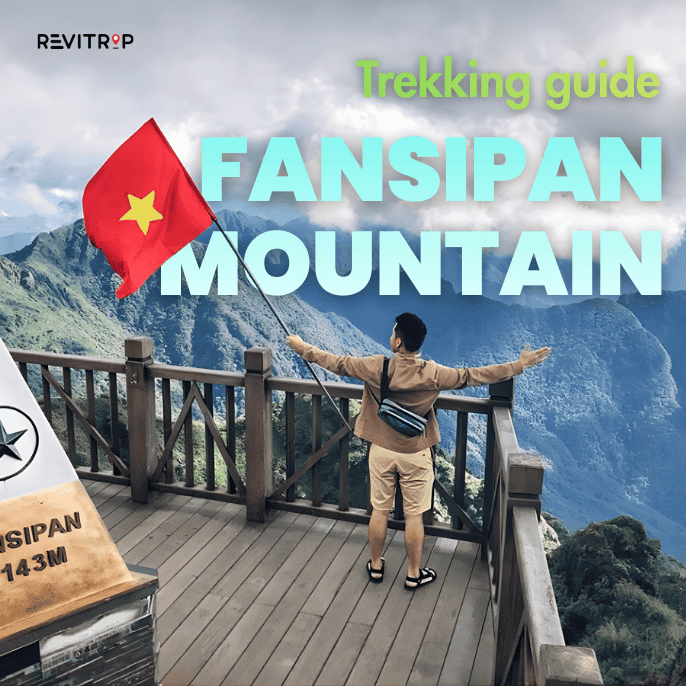
Fansipan Mountain is the highest peak in Indochina at 3,143 meters. Trekking to the top is one of the most rewarding things to do in northern Vietnam.
That said, it is not a casual hike. Depending on your route, expect one to three days of steep terrain and unpredictable weather. Some sections may require ropes and iron ladders. I have put together this guide to give you an honest picture of what to expect, which route to take based on your fitness level, and what to prepare so nothing surprises you on the mountain.
Bottom line: Fansipan Mountain trekking is absolutely worth doing if you prepare properly. Go in the wrong season without the right gear, and it becomes a miserable, potentially dangerous experience. This guide covers both.
Explore more:
Quick Facts: Fansipan Mountain at a Glance
- Height: 3,143 meters above sea level
- Location: 9 kilometers southwest of Sapa town, Lao Cai Province
- Best season for trekking: Late September to mid-December
- Shortest route: 2 days, 1 night (Tram Ton Pass)
- Longest route: 3 days, 2 nights or more (Cat Cat Village)
- Cost: From 3,500,000 VND (~$140) for a guided 2-day tour
- Permit required: Yes, from Hoang Lien National Park
- The reality: Harder than most travel blogs suggest, but manageable with preparation
Why Trek Fansipan Mountain?
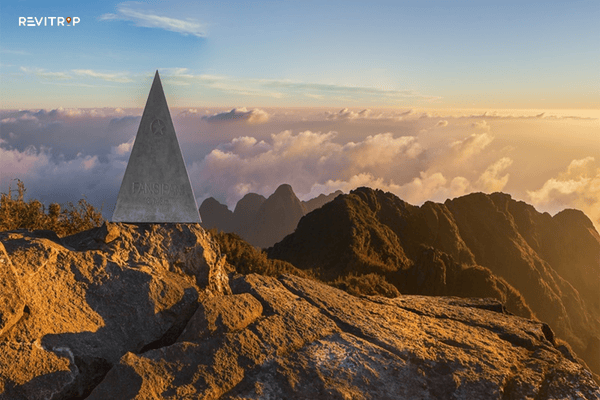
The obvious answer is the summit. Standing on Vietnam’s highest peak, you can see the Hoang Lien Son range on a clear day.
It is a truly powerful experience. The views take in terraced rice fields, dense forest canopy, and mist-wrapped ridgelines that extend as far as you can see.
But the summit is not the only reason to come. The trekking routes on Fansipan Mountain pass through multiple distinct ecosystems, from subtropical forest at lower elevations to dwarf bamboo and alpine scrub near the top.
You will also pass through or near villages of ethnic minority communities who have lived here for generations. If you go with a local guide or porter, these interactions tend to be the conversations people remember most from their trip.
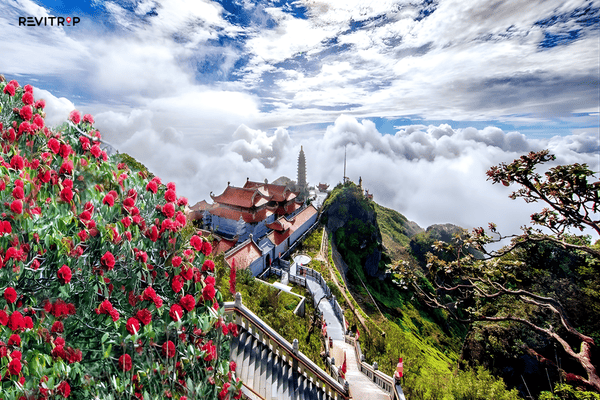
The Buddha Amitabha statue at the summit adds another layer to the experience. It is the tallest Buddhist monument in Vietnam. It gives the peak a strange, striking quality you must see to understand.
Best Time to Trek Fansipan Mountain
The best window for Fansipan Mountain trekking is late September through mid-December.
During these months the weather is cooler, the skies are clearer, and the trails are significantly drier than in summer. October and November are the sweet spot. The rice harvest season in September also means the valleys look their most dramatic before you start climbing.
Spring (February to April) is a secondary good option. Temperatures are mild, and wildflowers bloom along the trail. This makes for excellent photos on the lower parts of the route.
Avoid June to August.
Summer brings heavy rainfall that turns the trails slippery and dangerous. River crossings become fast-moving hazards, and visibility at the summit is often near zero.
Several of the technical sections between 2,600 and 3,000 meters become genuinely risky in wet conditions. This is not the kind of mountain where you want to improvise.
The Three Trekking Routes on Fansipan Mountain
Route 1: Tram Ton Pass (Most Popular)
Duration: 2 days, 1 night | Difficulty: Moderate to hard | Best for: First-time Fansipan trekkers with reasonable fitness
This is the most commonly chosen route and the most practical for people who have not trekked at high altitude before. You start at Tram Ton Pass at 1,900 meters, which cuts out the lowest section of the climb and saves several hours of walking.
The first day takes you through forest to approximately 2,200 meters, with a rest stop at 2,800 meters. The second day covers the technical upper section.
From 2,700 meters you will use ropes to ascend. Between 2,800 and 2,900 meters the trail runs through bamboo forest on steep slopes with iron ladders at several points. The final push to the summit crosses 100 meters of marshy ground before the peak.
Total trekking time is approximately 10 to 12 hours spread across two days.
Route 2: Sin Chai Village
Duration: 2 to 3 days | Difficulty: Hard | Best for: Experienced trekkers who want more scenery and fewer crowds
This route starts at a higher base elevation of 2,200 meters and offers more varied landscapes than the Tram Ton option. The trail is less trafficked, which means more time in genuinely remote terrain.
The tradeoff is difficulty. This route is physically demanding throughout, with no easy opening section. Only attempt it if you have multi-day mountain trekking experience.
Route 3: Cat Cat Village
Duration: 3 days, 2 nights or more | Difficulty: Very hard | Best for: Experienced climbers only
This is the longest and most challenging route on Fansipan Mountain. It starts in Cat Cat Valley. It passes through the mountain’s most varied terrain. This includes waterfalls, river crossings, and ancient forest.
On day two, at around 1,800 meters, you will climb a vertical waterfall and cross slippery boulders. Higher up, the trail becomes extremely muddy with sections where you navigate by grabbing tree roots. During rainy season, several stream crossings become dangerous river crossings.
Do not attempt this route without extensive trekking experience and a local guide who knows the specific trail.
What to Prepare Before Trekking Fansipan Mountain
Physical Fitness
Fansipan Mountain trekking requires genuine endurance. This is not a scenic walk with a steep bit at the end. The steady climb, high altitude, and changing weather are tough on the body, even on the easier Tram Ton route.
Start training two weeks before your trek. One hour daily of walking, stair climbing, or hiking with a loaded backpack (5 kg is a good target weight) will make a meaningful difference. If you have any chronic health conditions, speak to a doctor before booking.
Gear Checklist
- Waterproof hiking boots with ankle support and good grip
- Long hiking socks (protects against rock scraping and insects)
- Moisture-wicking base layers
- Waterproof jacket (non-negotiable regardless of season)
- Trekking poles
- Headlamp with spare batteries
- First aid kit, sunscreen, insect repellent
- 2-liter water bottle or hydration pack
- High-energy snacks: chocolate, dried fruit, nuts
- GPS device or downloaded offline map (phone signal is weak above 2,500 meters)
Leave behind: Large rolling suitcases, cotton clothing, open footwear of any kind.
Permits and Entry
An official entry permit for Hoang Lien National Park is mandatory for all trekkers on Fansipan Mountain. You can get this at the Hoang Lien Center for Eco-tourism and Environmental Education. It is on the road from Sapa town to Cat Cat Village. Additional fees apply for insurance, accommodation on the mountain, and sanitation.
If you book through a licensed tour operator, the permit is typically arranged for you as part of the package.
Hiring a Local Porter or Guide
Every trekking group on Fansipan Mountain should have at least one local guide. Choose someone from the ethnic communities near Sapa.
Local porters carry gear and set up camp. They also cook on multi-day routes, know the trail conditions in real time and are the most valuable thing you will spend money on for this trip.
For the Tram Ton and Sin Chai routes, a guide who has climbed Fansipan before is sufficient. For the Cat Cat Village route, hire someone with specific experience on that trail.
How Much Does Fansipan Mountain Trekking Cost?
A guided 2-day, 1-night trekking tour costs approximately 3,500,000 VND (~$140) per person. A 3-day, 2-night tour runs around 4,100,000 VND (~$165). These prices often include a guide, a porter, meals on the mountain, and basic hut accommodation. They also include the national park entry permit.
Private tours are available at higher cost and allow you to customize the route, timing, and group size.
Final Verdict: Is Fansipan Mountain Worth Trekking?
Yes, with the right preparation and realistic expectations.
Fansipan Mountain is not a stroll to a viewpoint. It is a multi-day physical challenge through genuinely wild terrain. However, the summit views, varied ecosystems, and cultural meetings with local communities make it a top trek.
Reaching the highest point in Indochina adds a special sense of achievement.
Together, these make it one of Southeast Asia’s most complete trekking experiences.
Go in autumn. Hire a local guide. Train beforehand. Give yourself two days minimum.
FAQ
The Fansipan cable car is a modern cable system that takes visitors from Sapa to near the summit of Fansipan Mountain. It dramatically shortens the journey, letting travelers reach the top in about 15–20 minutes.
Yes, you can hike Fansipan Mountain through guided trekking routes starting from Sapa or nearby villages. Most hikes take one to two days depending on the trail and fitness level.
Some visitors may feel mild altitude symptoms because Fansipan reaches over 3,100 meters. Moving slowly, staying hydrated, and resting can help reduce discomfort.
Booking Hotels/ Attractions Tickets/ Tours near: Klook
Booking train, bus, private car: Bookaway