

Da Lat Vietnam: What the City Is Like for First-Time Visitors
Da Lat Vietnam is often introduced through familiar images. Think waterfalls, flowers, cafés, pine hills, cool air, a central lake, and a busy night market. All of that is true, but it still misses what matters most. Da Lat makes its strongest impression through atmosphere. You feel the city before you fully understand it.
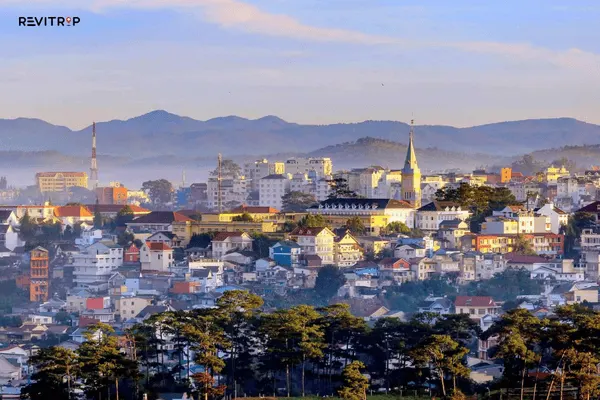
That feeling starts with geography. Da Lat sits in Vietnam’s Central Highlands at around 1,500 metres above sea level. Almost at once, it feels lighter, cooler, and calmer. Its past as a French hill station helps explain the villas, lakes, church towers, and older buildings that still shape the city today. Together, the landscape and history give Da Lat a different rhythm. It feels far removed from the hotter, faster cities many travelers first picture when they think of Vietnam.
The rhythm of Da Lat
What first-time visitors often notice is not one huge landmark, but a shift in pace. Da Lat does not come at you with the same intensity as Ho Chi Minh City, and it does not play out like a beach destination either. It works better when you stop asking it to deliver one big moment and let it settle into view more gradually.
Vietnam’s official tourism site describes Xuan Huong Lake as the focal point of the city, with the central market, colonial-era architecture, churches, hotels, and the railway station shaping the core, while natural attractions spread out across the surrounding hills. That is a useful outline. Real life feels a little more emotional than practical. Da Lat stays with people because of how the city flows: slow mornings, soft light, coffee with a view, a few hours in town, then a short move outward into the hills.
The simplest way to put it is this: Da Lat rewards people who stop rushing. When you give the city a little room, the appeal becomes clearer.
For a closer look at the city’s everyday heartbeat, this Da Lat Market guide covers both the daytime market and the evening energy around it.
Why Da Lat feels so different
What first-time visitors often notice is not one huge landmark, but a shift in pace. Da Lat does not come at you with the same intensity as Ho Chi Minh City. It does not play out like a beach destination either. It works better when you stop asking it for one big moment. Let it settle into view more gradually.
Vietnam’s official tourism site places Xuan Huong Lake at the center of the city. Around it sit the market, colonial-era buildings, churches, hotels, and the railway station. Natural attractions spread out across the surrounding hills. That is a useful outline. Real life feels a little more emotional than practical. Da Lat stays with people because of how the city flows. Think slow mornings, soft light, coffee with a view, a few hours in town, then a short move outward into the hills.
The simplest way to put it is this: Da Lat rewards people who stop rushing. When you give the city a little room, the appeal becomes clearer.
That slower pace is what makes Da Lat work well over two or three days, especially with a plan for both the center and the hills.
What the city is actually best at
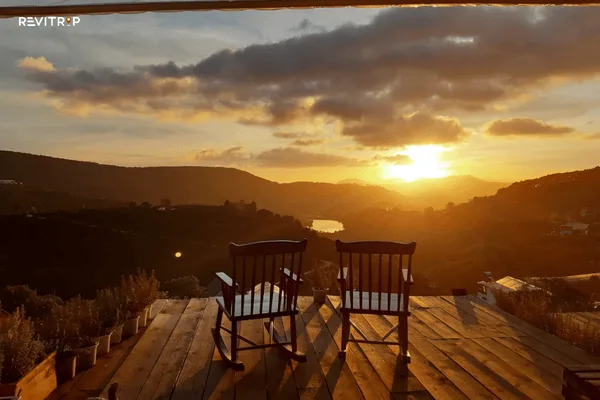
Da Lat is best at mood.
That may sound vague, but it is the cleanest way to explain why some travelers love it and others leave slightly unconvinced. If your ideal destination runs on major landmarks and obvious must-dos, Da Lat can seem a little scattered. Its strengths are smaller, but they build on each other well.
You circle Xuan Huong Lake and start to understand the center. You drift through the market area and notice how flowers, produce, local snacks, and everyday life all sit close together. You pass older churches, villas, hotels, and the railway station, then later find yourself in a café looking over pine hills or farmland. The lake, the central market, colonial architecture, the railway station, natural attractions, and coffee culture rooted in the slopes around town.
That is why Da Lat tends to suit a certain kind of traveler very well. Couples do well here. Coffee lovers do well here. People who like light routines, good scenery, quiet mornings, and low-friction nature also tend to click with it.
What first-time visitors often get wrong
The most common mistake is expecting Da Lat to behave like a polished mountain fairytale from the minute you arrive. The city’s cool weather, French-era story, lakes, villas, and flowers make that fantasy easy to sell. In practice, Da Lat still feels like a real Vietnamese city. It has traffic, crowded stretches, practical edges, and some stops that are much stronger as photo backdrops than as experiences.
The second mistake is overplanning. Da Lat looks very manageable on a map until you start stacking too many cafés, viewpoints, waterfalls, gardens, farms, and quirky attractions into one day. The city spreads outward in a way that can flatten your energy if you keep zigzagging across it. My simple rule here is the same one I would use for a lot of highland destinations: do fewer things, but let each one breathe.
The third mistake is treating every beautiful-looking stop as equally worth the detour. Some places in Da Lat are special because the city itself has texture. Some are special because they photograph well. Those are not always the same thing. On a first trip, it usually works better to build around the city’s natural strengths rather than chase every check-in point you see online.
What a good first trip usually looks like
A good first trip to Da Lat starts in the center, then moves outward.
That is the shape the city naturally wants. Xuan Huong Lake gives you the anchor. The market area gives you activity, color, and everyday rhythm. The churches, villas, hotels, and older public buildings give context. Then the hills around town give you the second half of the picture: pine forests, coffee views, flower and vegetable farms, lakes, waterfalls, and quieter roads. Vietnam Tourism’s own overview of Da Lat follows that same structure, which tells you a lot about how the place is meant to be experienced.
The railway outing works well for first-timers too. Da Lat’s tracks no longer connect to the country’s main north-south railway, but visitors can still ride the train to Trai Mat and continue to Linh Phuoc Pagoda. That kind of half-day plan suits the city well. It gives you scenery, a little nostalgia, and a change of pace without turning the day into a race.
Timing matters more here than people expect. Morning is when Da Lat feels freshest and most itself. Late afternoon is often the prettiest part of the day, when the light softens and the city regains that slightly cinematic mood people come for. Evenings work best around the market zone, casual food, and a slow walk rather than anything too ambitious.
For a more practical breakdown of where to go next, this guide to the best things to do in Da Lat maps out the city’s strongest stops.

How many days feel right
For most first-time visitors, two to three days feels right.
One day can give you the outline of Da Lat, but not much more than that. You can see the lake, walk the center, visit one or two attractions, and get a basic sense of the city. The fuller feeling usually arrives later, once you have had time to sit with the weather, the pace, and the split between town and countryside.
Longer stays also make sense. Four days or more works well for people who enjoy café-hopping, scenic drives, hiking, or a slower style of travel. Da Lat is easy to reach for a short trip: the airport sits about 30 kilometres south of town and connects to major hubs, while sleeper buses and road links also make access straightforward from places such as Ho Chi Minh City, Mui Ne, and Nha Trang. The commercial airport to the south and highway connections to Ho Chi Minh City and other destinations.
So, is Da Lat worth visiting?
Yes, especially if you want to see a side of Vietnam that widens the picture.
Vietnam often gets imagined through heat, coastlines, scooters, and fast-moving urban energy. Da Lat adds something else: mountain air, pine-covered hills, a cool plateau climate, coffee grown on the slopes around town, and a city center shaped by its hill-station past. Those are not small details. They are the reason the city feels distinct.
Go to Da Lat expecting perfection and you may end up nitpicking the gaps. Go there looking for texture, mood, and a city with a slower pulse, and it tends to stay with you.
That is probably the most honest way to describe what Da Lat Vietnam is really like. It does not try to impress you all at once. It gets better when you stop pushing it.
FAQ
Most travelers fly into Lien Khuong Airport (DLI), which is about 30 kilometres south of Da Lat city center. Domestic flights are one of the easiest ways to reach Da Lat, and Vietnam’s official tourism guide lists air travel as one of the main access options for the city.
A good first-time Da Lat itinerary usually works best over two to three days, with time split between the city center and the surrounding hills. Vietnam Tourism highlights Xuan Huong Lake, the market, the railway station, local coffee culture, and nearby natural attractions, while sample itineraries commonly build around that same mix.
The fastest way to go from Da Lat to Da Nang is usually by flight, with flight time around 1 hour 5 minutes. Overland travel is possible too, but it is much longer: bus journeys can take roughly 9.5 hours or more, and some routes may require transfers.
