Bun cha Ha Noi is the kind of dish that makes you question every lunch decision you’ve made in your life. Grilled pork sits in a sweet and sour broth, with cold rice noodles and fresh herbs on the side. You usually have only about three hours a day to eat it before restaurants close.
That last part is not a metaphor. Bun cha Ha Noi is a lunchtime-only food. Miss the window and you’re eating something else.
It is one of the few Vietnamese dishes with a strict time limit.
This guide explains what bun cha is, how the broth works, how to eat it, and where to find the best bowl in Hanoi. It also includes the restaurant where Barack Obama ate bun cha with Anthony Bourdain: Bún Chả Hương Liên.
Eat it if: You’re in Hanoi for any length of time and have a free lunch slot between 11:30am and 2pm.
Don’t wait: Unlike pho, which you can find at any hour, bun cha will not be there when you want it at 3:30pm. It won’t.
Explore for more wonderful Vietnamese amazing food: Ha Noi Food Tour: A Winter Day’s Complete Culinary Journey
What Is Bun Cha Ha Noi, Exactly?
At its core, bun cha Ha Noi is a cold noodle soup with grilled pork. But that description undersells it in the same way calling pho “beef soup” undersells pho.
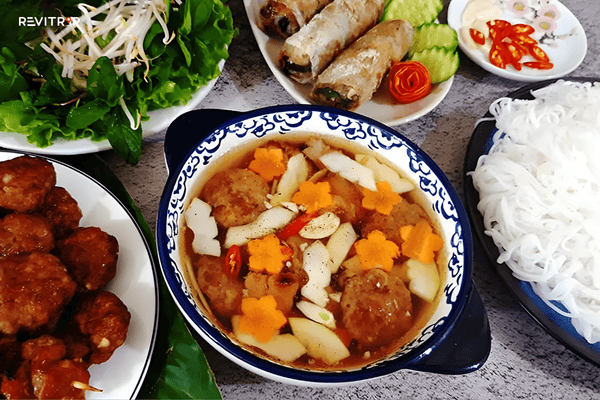
Here’s what arrives at your table:
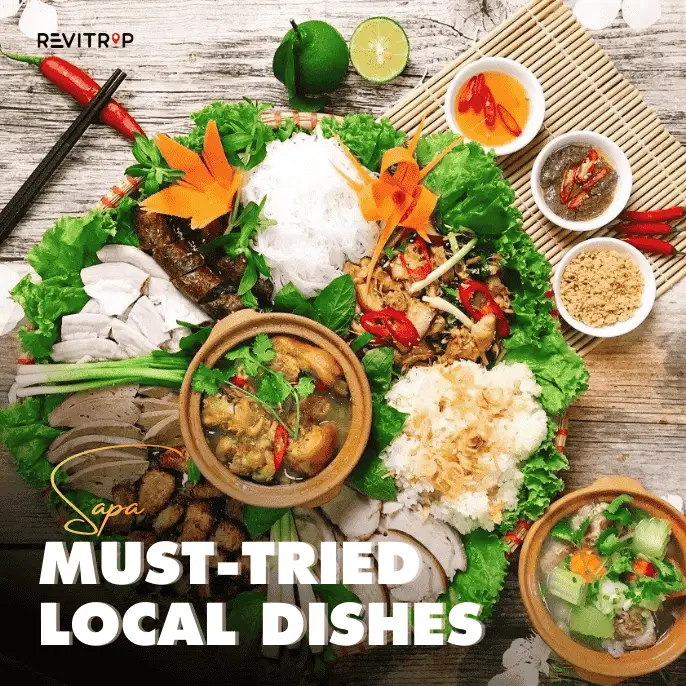
A plate of rice noodles (bun) – thin, white, slightly chewy, served at room temperature rather than hot. A plate of fresh herbs — typically mint, perilla, and lettuce. And most importantly, a bowl of broth with grilled pork submerged in it, also served at or just below room temperature.
On the table alongside everything: fresh garlic, sliced chili, and lime wedges.
The Broth: Why It Tastes Like Nothing Else
The broth is what separates bun cha Ha Noi from every other Vietnamese pork noodle dish you’ll encounter. Cooks build it with three ingredients: vinegar, sugar, and fish sauce. They focus on balancing them carefully.
The result tastes sweet, sour, and savory at the same time. Fish sauce adds a deep umami flavor. Vinegar cuts through the pork fat, and sugar softens the sharp edges.
Pickled daikon and carrots usually float in the broth. They add crunch and extra acidity.
The right ratio makes the difference between an average bowl of bun cha Ha Noi and a great one. The broth should not taste flat or too sweet.
Add lime if it feels dull. Add chili if it needs heat. The table condiments are there to adjust the flavor.
The Pork: Two Types, Both Matter
Most bun cha Ha Noi restaurants serve two types of pork in one bowl. Knowing the difference helps you enjoy the dish more.
Pork belly slices (thit nuong): Thin-cut fatty pork, grilled over charcoal until slightly charred at the edges. The fat renders during grilling, leaving meat that’s crispy outside and soft inside. This is the piece you notice first.
Pork patties (cha): Ground pork formed into small round patties, also grilled over charcoal. Denser texture, slightly smokier flavor. These absorb the broth more readily than the belly slices and taste better after sitting in the liquid for a minute or two.
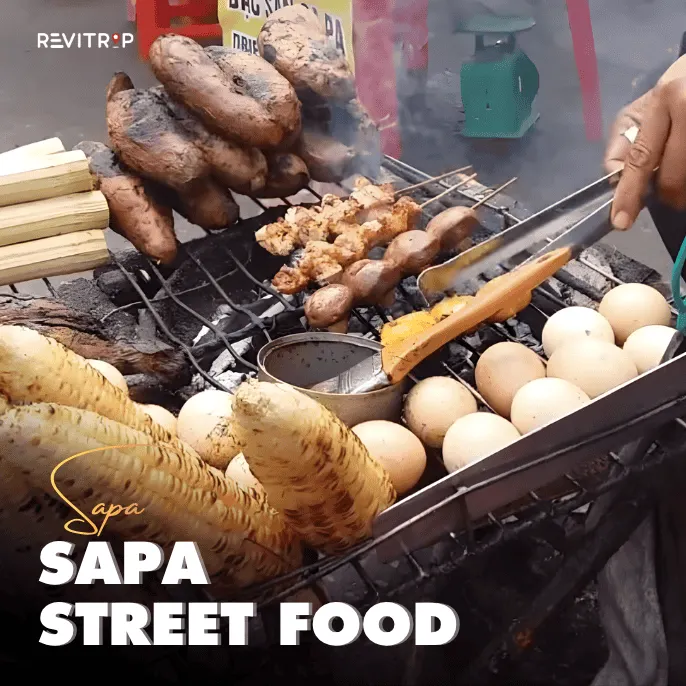
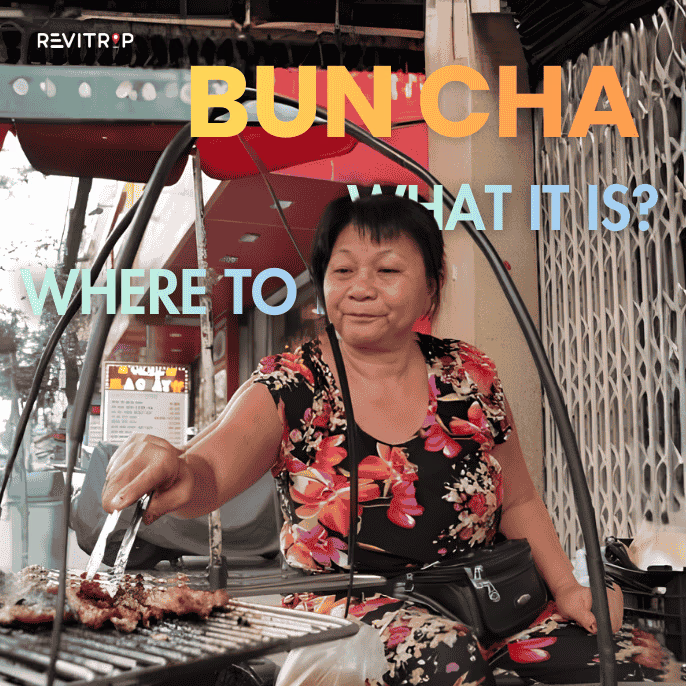
The charcoal grill is not optional to this dish — it’s essential. Walk past a bun cha restaurant before noon and you’ll see the grill set up on the sidewalk, smoke already rising, pork already cooking. That char is what you’re tasting in every bite.
How to Actually Eat Bun Cha Ha Noi
There is no complicated technique. But doing it right makes the meal noticeably better.
Step 1: Take a small bundle of rice noodles and dip them into the broth. Do not add all the noodles at once, or they will absorb too much liquid and become soggy.
Step 2: Pick up some herbs with the same chopstick load. Mint in particular transforms the bite — the freshness cuts straight through the fatty pork.
Step 3: Make sure you get both types of pork in rotation. The belly slice and the patty eat differently and complement each other.
Step 4: Adjust the flavors at the table. Add lime if the broth tastes flat. Add garlic for more depth and chili for heat. Most locals adjust their bowl throughout the meal.
The whole experience is interactive in a way that chopsticks-in-a-noodle-soup usually isn’t. You’re assembling each bite yourself, which means no two bites taste exactly the same.
The 3-Hour Window: When to Find Bun Cha Ha Noi
This is the most important practical fact about bun cha Ha Noi: it is a lunch-only dish. You can usually find it between 11:30am and about 2:30 or 3pm.. After that, most dedicated bun cha restaurants close for the day.
This isn’t arbitrary. Vietnamese culture often includes an afternoon rest, and bun cha has always been a midday meal. It is not eaten for breakfast or dinner.
The dish fits that timing. It is light enough to keep you moving but filling enough to last through the afternoon.
Avoid: Showing up hungry at 3pm and expecting to find bun cha Ha Noi easily. It’s possible but frustrating. Plan lunch around the dish, not the other way around.
The Obama Bun Cha: Bun Cha Huong Lien
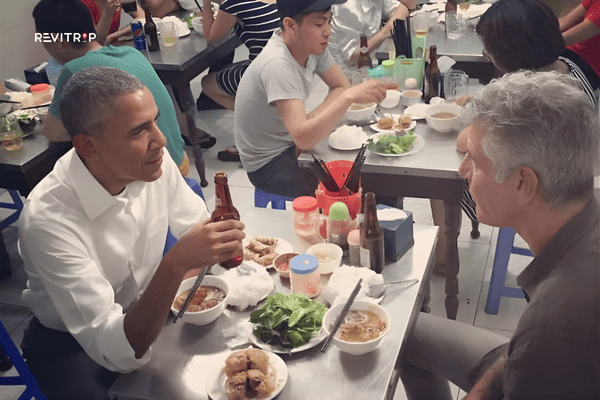
In 2016, Barack Obama visited Hanoi. He had dinner with Anthony Bourdain at a small restaurant in the Old Quarter. They ate bun cha Ha Noi, drank Ha Noi Beer, and the footage went global within hours.
The restaurant was Bun Cha Huong Lien, located at 24 Le Van Huu, Hai Ba Trung, Ha Noi. It was already well-regarded before the visit. Afterward, it became one of the most visited restaurants in the city.
The restaurant now offers an “Obama Set” with the same dishes ordered that night, including bun cha, nem cua be, and Hanoi Beer. The table and chairs where Barack Obama and Anthony Bourdain sat are still on display for guests.
Is it worth going? Yes — but for the right reasons. Bun Cha Huong Lien makes a genuinely excellent bowl of bun cha Ha Noi. Obama’s visit brings in crowds, but the quality was strong before and has stayed consistent since.
Practical details:
- Address: 24 Le Van Huu, Hai Ba Trung, Hanoi
- Hours: Approximately 11:30am–2:30pm (lunch only)
- Price: 60,000–85,000 VND per person for the Obama Set
- Cash only at most bun cha restaurants including this one
Other Reliable Spots for Bun Cha Hanoi
Bún Chả Hương Liên is the famous choice, but honestly, it is hard to find a truly bad bowl of bun cha in Hanoi. The dish has a low floor and a high ceiling — mediocre versions are still enjoyable, and great versions are transcendent.
What to look for when choosing a spot:
A working charcoal grill visible from the street before noon — that’s your quality signal. If the pork is being grilled over charcoal rather than gas, you’re in the right place. Sidewalk plastic stools and a busy lunch crowd are also good indicators. The most atmospheric and often the best bun cha Hanoi spots are the ones with no English menu and a queue.
Price benchmark: 35,000–65,000 VND per person at a local spot. 60,000–90,000 VND at a more tourist-oriented restaurant. Anything above 100,000 VND per person is tourist pricing and not necessarily better quality.