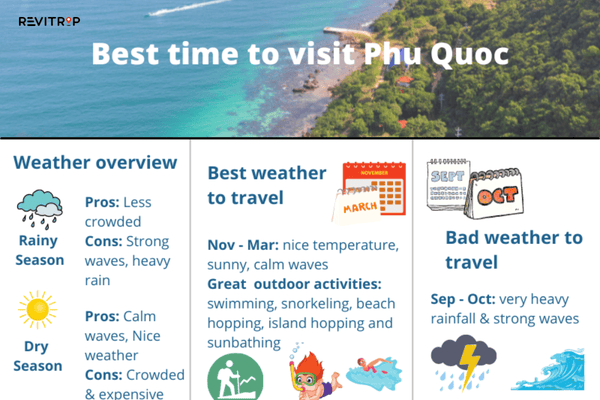
The best time to visit Phu Quoc is from October to April when the island enjoys sunny skies, calm seas, and perfect beach weather. Located in the Gulf of Thailand near Cambodia, Phu Quoc experiences tropical monsoon climate with year-round temperatures between 25°C and 30°C. Understanding seasonal differences helps you plan the ideal island vacation.
Phu Quoc’s tropical location creates two distinct seasons affecting your beach experience dramatically. The dry season brings crystal-clear waters, abundant sunshine, and smooth seas perfect for water activities. The rainy season offers lower prices, fewer crowds, and lush green landscapes despite periodic showers.
This comprehensive guide breaks down what to expect during both seasons. We cover weather patterns, activities, pros and cons, and practical tips for making the most of your Phu Quoc trip regardless of when you visit.
Dry Season: Peak Time for Beach Lovers
Weather Conditions October to April
The best time to visit Phu Quoc falls during dry season months from October through April. During this period, the island basks in sunshine with minimal rainfall and gentle northeast monsoon winds. The pleasant weather keeps tropical heat comfortable for all-day beach activities.
October and November still see occasional late afternoon or evening rain showers. These brief storms help cool intense daytime heat. Rainfall totals range from 100mm to 120mm monthly with temperatures between 25°C and 29°C.
December through February marks peak tourist season featuring the coolest temperatures and driest conditions. Expect 23°C to 27°C with only 25mm to 50mm monthly rainfall. The festive atmosphere during holidays and Tet celebration attracts maximum visitor numbers.
March and April bring warmer temperatures from 26°C to 32°C signaling transition toward rainy season. Rainfall increases to 60mm to 150mm monthly though sunny days still dominate. The warmer weather suits travelers who enjoy hot tropical conditions.
What to Do During Dry Season
Perfect weather opens up all water sports and beach activities. Snorkeling and diving conditions peak with water visibility reaching 20 meters. The crystal-clear seas around southern coral gardens reveal vibrant tropical fish and colorful marine life.
Swimming stays pleasant with calm, warm waters and gentle waves throughout the day. Island-hopping tours to satellite islands like Fingernail Island and May Rut Island operate smoothly. Boat rides remain comfortable with minimal wave action.
Dry weather makes exploring Phu Quoc National Park trails ideal. Trekking through pristine tropical forests covering 70% of the island lets you spot endemic wildlife. The cool, shaded forest environment provides relief from beach heat. Suoi Tranh waterfall offers refreshing natural pool swimming.
Cultural festivals and events concentrate during this period. Visitors experience spectacular New Year’s Eve firework displays at Sunset Town. Traditional festivals honoring island guardian spirits, sea goddesses, and fishing traditions occur throughout dry season months.
Dry Season Trade-Offs
The best time to visit Phu Quoc for weather comes with higher costs and crowds. Accommodation prices increase 40% to 60% during peak months from December to February. Popular resorts fill up quickly requiring advance bookings 6 to 8 weeks ahead.
Beaches and attractions become crowded especially during holidays. Popular spots can feel packed affecting overall relaxation. Beach chairs and umbrellas rent out quickly at busy locations. Latecomers struggle finding shaded spots for comfortable long beach days.
Flight prices and travel packages increase due to high demand. Advanced reservations become necessary for popular restaurants and tours. Without early booking, travelers miss top-rated dining spots and fully booked activities.
Rainy Season: Budget Travel Paradise
Weather Patterns May to September
The rainy season from May to September brings different character to Phu Quoc. Higher humidity and frequent afternoon showers replace constant sunshine. However, rainfall typically comes in short, intense bursts rather than all-day downpours.
May and June see rainfall increase to 180mm to 220mm monthly as rainy season begins. Temperatures stay between 25°C and 30°C with humidity climbing to 85% to 87%. Some good beach days still occur between storm systems.
July and August bring peak rainfall totaling 280mm to 300mm monthly. This period sees highest humidity at 89% to 90% with stronger tropical storms. September rainfall decreases to 250mm as the island transitions back toward dry season.
Rainy Season Activities and Experiences
Water activities continue during breaks between rain showers. Sea-walking with special helmets works well when surface conditions stay choppy. Snorkeling sites become quieter with guides offering more personalized attention and detailed marine ecosystem explanations.
Eastern beaches like Sao Beach and Khem Beach stay calmer. These areas receive natural shelter from southwestern monsoon winds. Beach activities remain enjoyable on these protected coasts even during wet season.
Indoor cultural activities flourish during rainy periods. Coi Nguon Museum showcases island history, traditional fishing life, and archaeological artifacts. Fish sauce factory tours explain famous Phu Quoc production methods with tastings of premium varieties.
Unique seasonal experiences include “tram” mushroom foraging tours. This medicinal delicacy appears only during rainy months. Local guides lead foraging expeditions teaching identification and traditional uses.
Rainy Season Advantages
Budget travelers find the best time to visit Phu Quoc for value during rainy season. Accommodation and flight prices drop 30% to 50% compared to peak season rates. Hotels offer significant discounts to attract visitors despite weather uncertainties.
Fewer crowds at popular attractions and beaches create peaceful experiences. Visitors enjoy more comfortable conditions at key sites without fighting tourist masses. Beaches feel almost private compared to peak season congestion.
Lush, green landscapes reach peak beauty during rainy months. Abundant rainfall creates vibrant scenery ideal for nature photography. Dramatic storm watching provides powerful natural displays and exciting photo opportunities for adventurous travelers.
Rainy Season Challenges
Frequent rainfall disrupts outdoor plans requiring flexible scheduling. Sudden showers interrupt sightseeing and beach time. Some boat tours and water activities face cancellations due to poor weather conditions.
Higher humidity levels between 85% to 90% can feel uncomfortable for travelers unaccustomed to tropical climates. Limited sunshine reduces opportunities for tanning and quality beach photography. Overcast skies affect both relaxation and photo results.
Some restaurants and shops operate reduced hours during low season. Muddy conditions develop on unpaved roads and hiking trails after heavy rains. This makes trekking and outdoor excursions more challenging and less enjoyable overall.
Planning Tips for Best Phu Quoc Visit
Dry Season Preparation
Book accommodations and flights early to secure best deals during the best time to visit Phu Quoc. Early reservations prevent fully booked hotels during peak travel months. Make tour and restaurant reservations well ahead to avoid missing popular activities and dining spots.
Arrive early at beaches and attractions before crowds gather. This provides more peaceful atmospheres and better photo opportunities. Pack light, breathable clothing and strong sunscreen for intense tropical sun. Stay hydrated throughout the day carrying water bottles during outdoor activities.
Rainy Season Smart Travel
Pack waterproof gear and quick-dry clothing for staying comfortable during unexpected showers. Schedule indoor and covered activities like museums, markets, and cultural shows when weather turns unfavorable. Book flexible tours and accommodations allowing plan changes without penalties.
Choose calm eastern beaches less affected by monsoon winds for better swimming and relaxation conditions. Bring insect repellent as rainy season increases mosquito activity. Planning indoor backup activities ensures entertainment options regardless of weather.
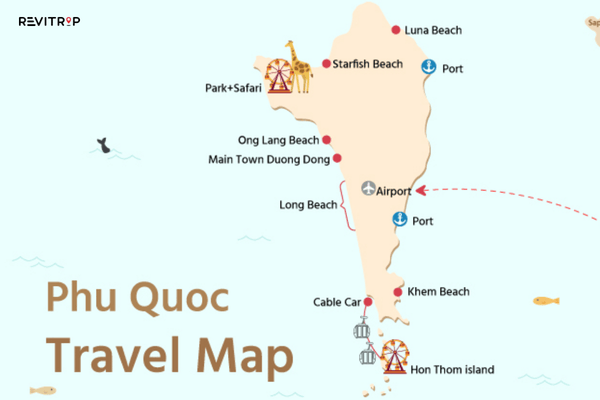
Choose Your Perfect Phu Quoc Season
The best time to visit Phu Quoc depends on balancing weather preferences, budget limits, and crowd tolerance. October through April delivers classic tropical paradise conditions with sunny skies, calm seas, and perfect beach weather. This suits first-time visitors wanting guaranteed sunshine and all activities operating smoothly.
May through September appeals to budget-conscious travelers and those seeking authentic local experiences. Lower prices, fewer crowds, and lush landscapes create rewarding trips despite periodic rain. Smart planning and flexible schedules make rainy season visits highly enjoyable.
Both seasons offer unique advantages making Phu Quoc worth visiting year-round. Understanding seasonal differences helps you pick the perfect timing for your ideal island getaway.
Compare flight options to Phu Quoc International Airport year-round. Continue planning with our guides to best Phu Quoc beaches and top island activities for complete trip preparation.
FAQ
December through February represents the absolute best time to visit Phu Quoc with coolest temperatures, driest conditions, and calmest seas. However, these months see highest prices and largest crowds requiring advance planning.
Yes, visiting during May to September rainy season offers great value with 30% to 50% lower prices and fewer tourists. Rain typically comes in short afternoon bursts rather than all-day downpours allowing plenty of beach time.
Plan at least 4 to 5 days to enjoy beaches, attractions, and local culture properly during the best time to visit Phu Quoc. A full week allows deeper exploration including national park hiking and island tours without rushing.