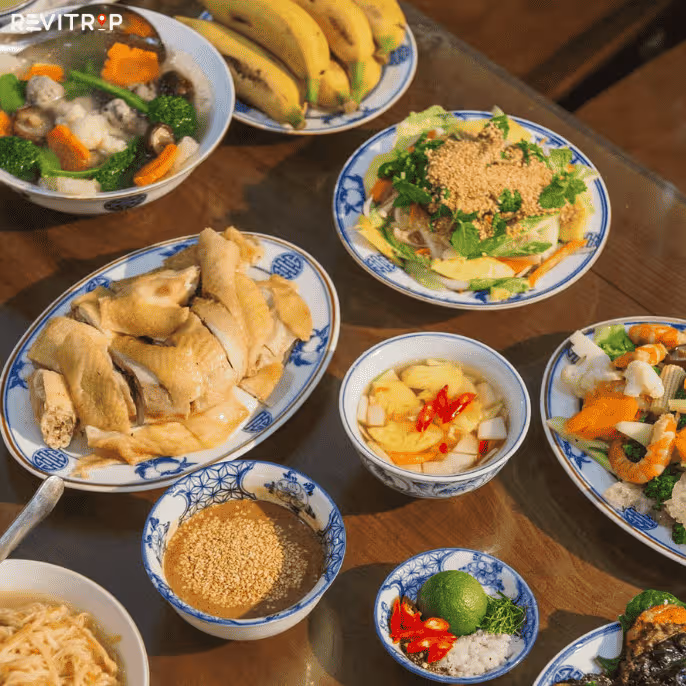
The Bat Trang feast is a traditional meal that reflects centuries of cooking skill and cultural heritage. It comes from the famous Bat Trang pottery village. Let’s explore the exceptional dishes that make this traditional banquet truly special!
1. What Makes Bat Trang Feast Special?
When mentioning Bat Trang, most people immediately think of the Bat Trang pottery village – a renowned traditional craft village. However, few know that this place also boasts a unique traditional culinary culture. Among these treasures, the Bat Trang feast is the best example of the rich, unique food culture of ancient Kinh Ky (Hanoi).
The Bat Trang feast shares similarities with traditional Kinh Ky banquets but maintains distinctive characteristics that create its uniqueness. In wealthy families in old Bat Trang village, people called the traditional feast “co bat tran.”
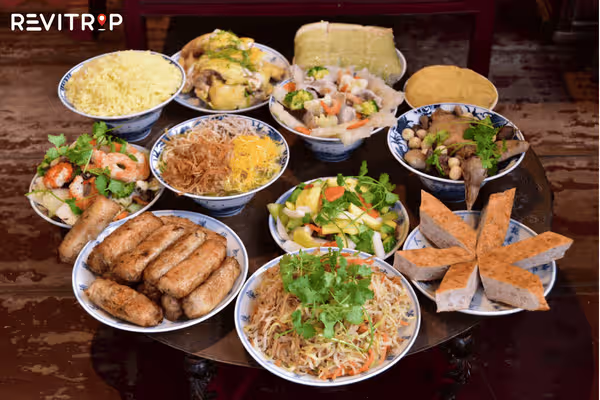
It had 6 bowls and 8 plates, and it stood for prosperity and good fortune. For middle-class and common families, the feast usually had 4 bowls and 4 plates. These stood for the four seasons and the four cardinal directions.
The Bat Trang feast may be unfamiliar to many, but for food connoisseurs, this banquet is well-known. The feast attracts diners not only through its flavors but also through its refined and visually appealing presentation. Each dish carries its own story, carefully selected and arranged within the banquet to create complete meaning. It harmoniously combines colors, aromas, and flavors to create a delicious, meaningful, beautiful, and captivating dining experience.
2. What Dishes Are Included in the Bat Trang Feast?
The traditional Bat Trang meal cannot be complete without bamboo shoot squid soup and “canh bong” (pork skin soup). Therefore, the feast also includes these soups with dishes such as chicken and pigeon spring rolls. It also features grilled shrimp paste, stir-fried dried squid with jicama, sticky rice with sweet soup, and seasonal vegetables.
2.1. Bamboo Shoot Squid Soup (Canh Mang Muc)
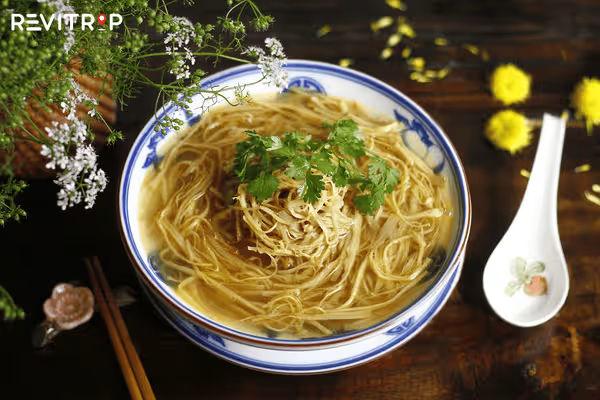
This is the signature soup that has built the legendary reputation of the Bat Trang feast. The ingredients include dried bamboo shoots from Thanh Bi and female squid from Thanh Hoa province.
They process fresh bamboo shoots, sun-dry them, and store them for year-round use. The squid selected must be female with tender meat for maximum sweetness. To enhance the soup’s sweetness, the cook simmers the broth from pork bones, chicken stock, and small shrimp.
The bamboo shoot squid soup presents an eye-catching golden color in the bowl. When tasting, diners enjoy a sweet, refreshing broth, crisp bamboo shoots, and sweet squid.
These flavors blend well to create an irresistible, delicious taste. If you have the chance to visit Bat Trang, remember to try this refreshing soup!
2.2. Pigeon Spring Rolls (Nem Chim Bo Cau)
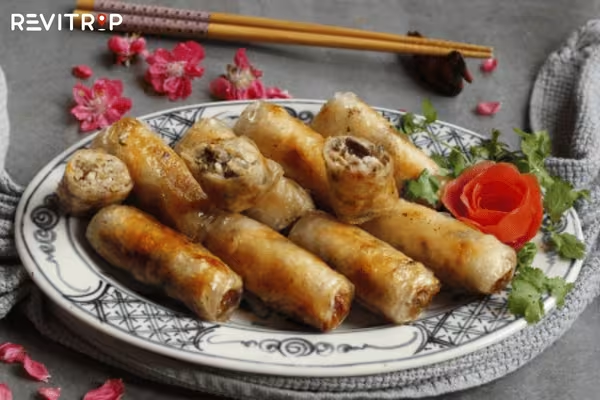
Pigeon spring rolls are an indispensable delicacy in the Bat Trang feast, traditionally served to royalty. Basically, the ingredients for pigeon spring rolls are like regular spring rolls. But they use pigeon meat instead of minced pork.
The pigeon meat is finely minced and marinated with spices. When wrapping the rolls, you mix the meat with vegetables and eggs and add a little cooking oil to prevent dryness. Bat Trang villagers skillfully wrap the rolls to the perfect size—neither too loose nor too tight. A perfect spring roll has uniform rolls with golden-brown outer skin and a sweet filling with the distinctive flavor of pigeon meat.
2.3. Grilled Shrimp Paste (Cha Tom Nuong)
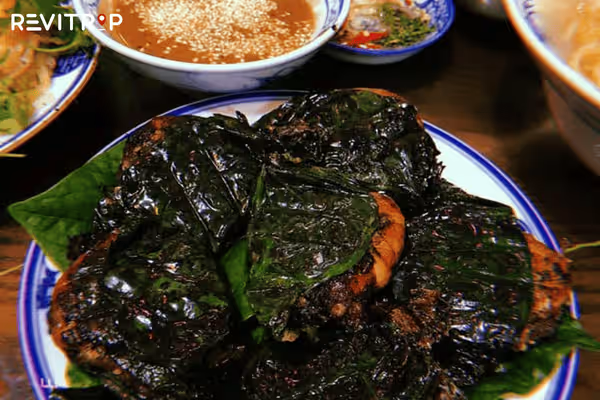
Grilled shrimp paste is also one of the essential dishes in the Bat Trang feast. To prepare this dish, cooks use whole shrimp bodies or mince them. Then, someone wraps them in betel leaves and charcoal-grills them.
To achieve delicious shrimp paste, use shrimp from Nghe An province and charcoal-grill the dish for authentic flavor. They serve the shrimp paste with a special sauce and sprinkle sesame seeds on top. The dish carries a very distinctive flavor, creating a unique characteristic of the Bat Trang feast.
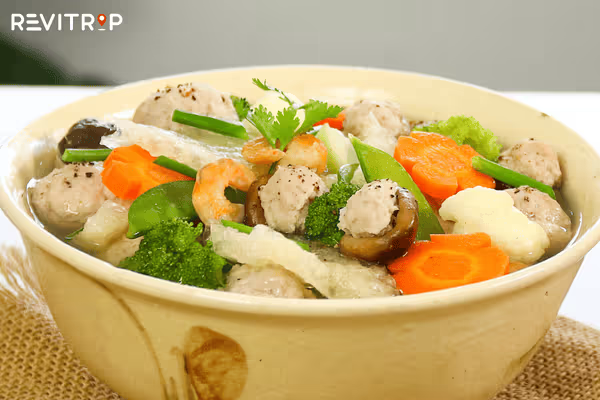
2.4. Pork Skin Soup (Canh Bong)
Speaking of the traditional Bat Trang feast, pork skin soup is indispensable. People prepare this soup, also called “canh bong bi,” quite elaborately with over 10 types of seasonings. Creating this delicious dish requires multiple steps, with the pork skin preparation being particularly laborious. After thoroughly cleaning the pork skin, we cut it into transparent, juicy, oval shapes that resemble “tram” fruit.
Add the skin to chicken broth or to stock you make from fresh shrimp. The soup pot includes jicama, carrot flowers, cauliflower, meatballs, scallions, pork liver, and more.
All of it is mixed into a sweet broth. This dish demonstrates the meticulousness, dedication, and refinement of traditional Bat Trang village women. Anyone who has tasted it once will forever remember the sweet, delicious, and irresistible lingering flavor.
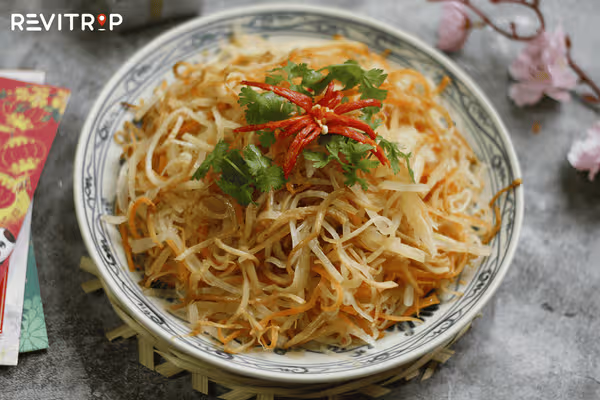
2.5. Stir-Fried Dried Squid with Jicama (Muc Kho Xao Su Hao)
Another important dish in the Bat Trang feast is stir-fried jicama with dried squid. This is also an indispensable dish during festivals and Tet holidays in Bat Trang.
Peel the jicama, thinly slice it, then julienne it. To add color to the dish, add julienned carrots.
Salt the jicama to draw out internal moisture, then wash it multiple times and squeeze it dry to ensure crispness and sweetness. Chewy dried squid combined with fresh jicama creates a hot, crispy, and fragrant stir-fried dish.
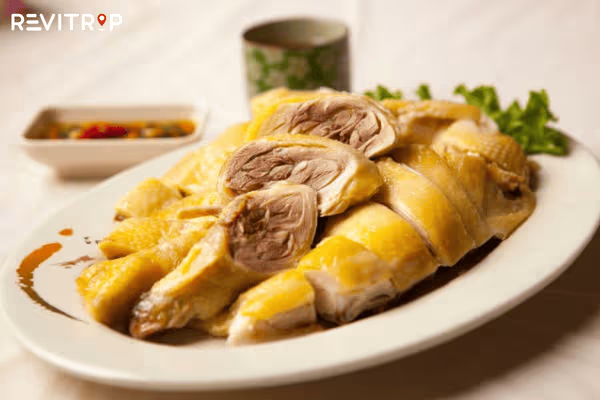
2.6. Boiled Chicken (Ga Luoc)
Boiled chicken is an indispensable dish in traditional feasts across many regions. In the Bat Trang feast, boiled chicken is also prepared meticulously like other dishes.
To make delicious boiled chicken, cooks often choose small free-range chickens under one year old. This helps the skin look golden and glossy after boiling. Usually, cooks use chicken broth to add sweetness when they cook bamboo shoot squid soup and pork skin soup.
3. Where to Enjoy the Best Bat Trang Feast?
3.1. Hoa Thu Ancient Village Cuisine
Address: Ancient Village 1, Alley 72, Bat Trang, Hanoi
If you ask Bat Trang locals about the best place for authentic traditional cuisine, many recommend Hoa Thu Restaurant. The restaurant’s culinary ambiance seemingly transports diners back to old Northern Vietnamese villages with dishes rich in traditional flavors.
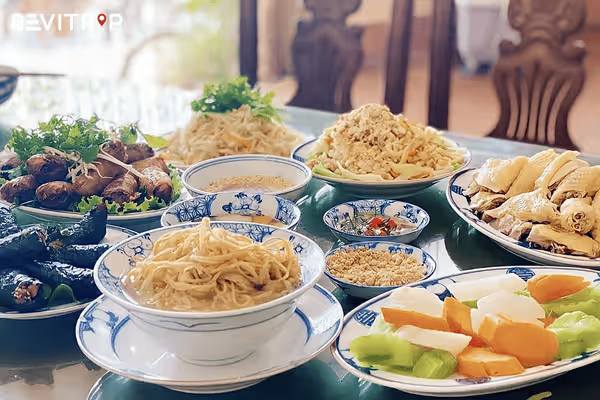
The dishes here are prepared according to family recipes passed down through generations, maintaining unchanged flavors for years. A complete meal includes bamboo shoot squid soup. It also includes stir-fried jicama with squid.
It includes betel leaf shrimp paste. It includes pigeon spring rolls. It includes stir-fried cauliflower with shrimp skin.
It includes salad and mixed soup. It includes sticky rice with sweet soup. It also includes dessert fruits. Depending on preferences, diners can order the complete feast or individual dishes as desired.
3.2. Master Chef Nguyen Thi Lam’s Bat Trang Feast
Address: Hamlet 1, Bat Trang, Hanoi
Mrs. Nguyen Thi Lam is well-known as a master chef of Bat Trang feasts. As a daughter-in-law of the famous pottery village, she has devoted herself to saving traditional dishes. She also shares them with future generations.
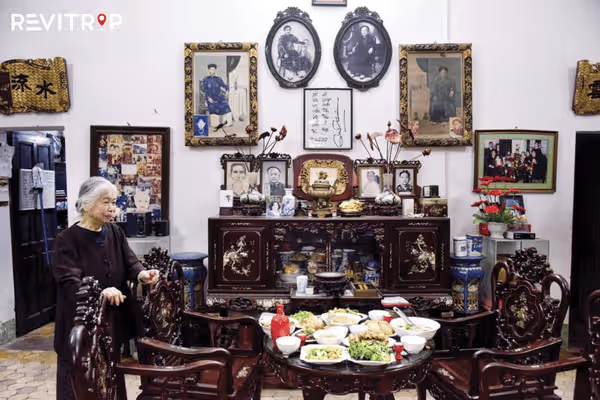
When you visit Bat Trang pottery village, many tourists visit Mrs. Lam’s house. They admire its unique French colonial architecture. They also enjoy delicious traditional dishes. Authentic Vietnamese dishes, like pork skin soup, dried squid bamboo shoot soup, and lotus seed pigeon stew, attract diners.
They win people over with great flavor and refined, beautiful presentation.
3.3. Culinary Master Pham Thi Dieu Hoai
Address: House No. 32, Hamlet 2, Bat Trang, Hanoi
When you visit Hanoi or travel nearby and want traditional food, visit Trang An Ancient House. This is the home of culinary master Pham Thi Dieu Hoai located in Hamlet 2, Bat Trang ancient village. Here, you can admire unique ancient architecture. You can also enjoy many delicious dishes from the traditional Bat Trang feast.
The refinement and skillfulness in feast preparation that Ms. Hoai inherited from her grandmother and mother are exceptional. The traditional feast, prepared by culinary master Pham Thi Dieu Hoai, looks beautiful. It is also delicious and full of authentic traditional flavors. Besides serving tourists, Ms. Hoai also caters to Hanoi families who wish to order Bat Trang feasts.
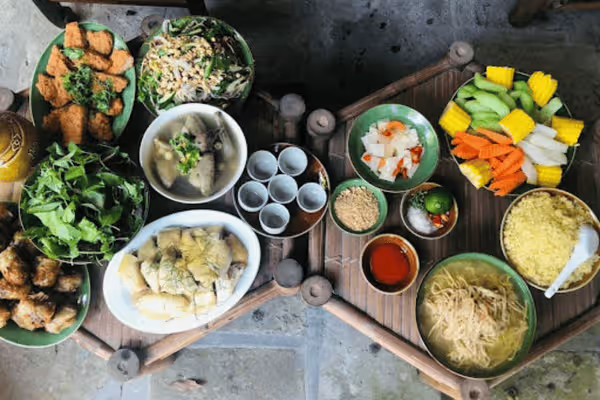
The Bat Trang feast is not just a traditional meal. It is a unique work of art. It reflects the distinct culinary culture of Hanoi people. This feast demonstrates the refinement, skillfulness, and talent of the Bat Trang pottery village people. When you visit Gia Lam, Hanoi, don’t forget to stop at the pottery village. Enjoy the flavors of each delicious dish with traditional taste.
FAQ
Prices vary depending on the restaurant and whether you order a complete feast or individual dishes:
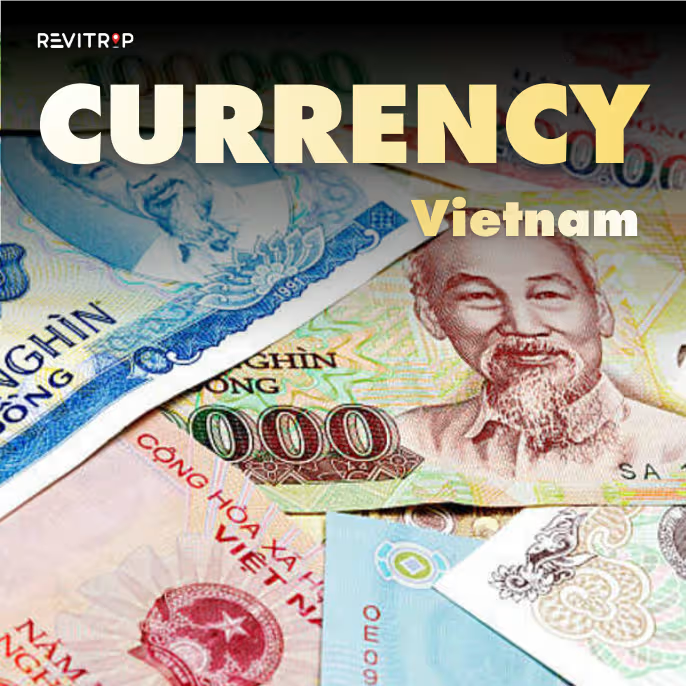
- Individual dishes: 100,000 – 300,000 VND ($4-13 USD) per dish
- Complete feast for 4-6 people: 1,500,000 – 3,000,000 VND ($60-125 USD)
- Royal feast at specialty restaurants: 2,500,000 – 5,000,000 VND ($100-210 USD)
Prices are subject to change. Contact restaurants directly for current pricing and reservation details.
Best times:
- Lunch: 11:30 AM – 1:00 PM (traditional serving time)
- Weekdays: Less crowded than weekends
- Cooler months (October-March): More comfortable weather for exploring the pottery village before/after dining
Avoid major Vietnamese holidays (Tet, national holidays) unless you’ve made advance reservations, as restaurants may be fully booked or closed.
The term “co” (cỗ) in Vietnamese refers to a traditional feast or banquet served during special occasions. Bat Trang feast gets its name from Bat Trang village, where this unique culinary tradition has been preserved for centuries by the pottery village’s residents.