Vietnam is a country of agriculture.
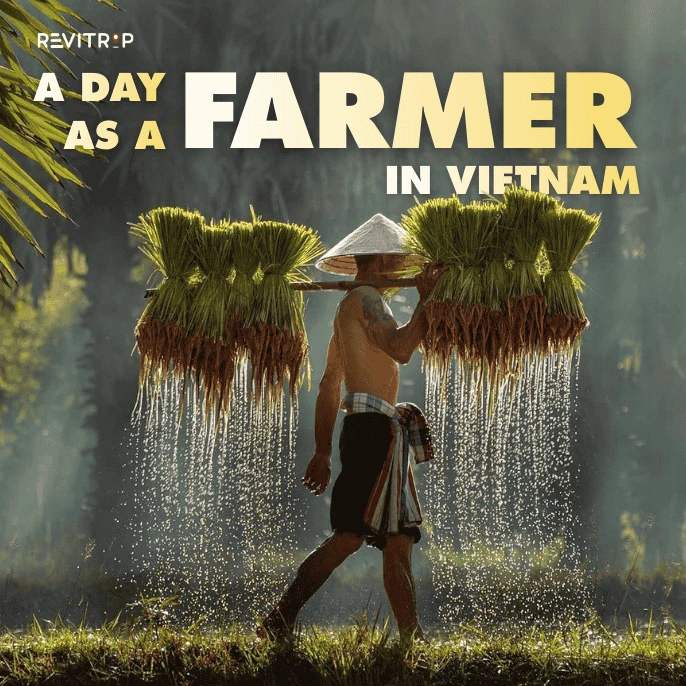
A day as a farmer in Vietnam is one of the most grounding travel experiences you can have in Southeast Asia. Far from the busy city streets and tourist trails, farming life in Vietnam moves at its own quiet rhythm. Whether you are planting rice in a flooded paddy, harvesting vegetables at dawn, or feeding animals before breakfast, every moment connects you directly to the land and the people who work it.
This guide walks you through what a real farming day in Vietnam looks like and why experience travel farming belongs on every traveler’s list.
1. What Does a Day as a Farmer in Vietnam Actually Look Like?
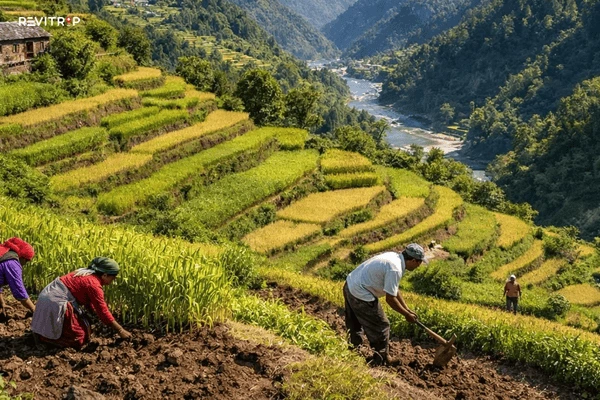
A day as a farmer in Vietnam starts early. Most farming households wake before sunrise, often between 4:30 am and 5:30 am, to begin work while the air is still cool. The morning hours are the most productive part of the day, so farmers make the most of them.
A typical day follows a clear and steady rhythm:
- Wake up before sunrise and prepare simple tools for the day
- Head to the rice paddies, vegetable gardens, or fruit orchards
- Work through the morning tending to crops, watering plants, or managing livestock
- Return home for a communal lunch, usually made from produce grown on the farm
- Rest during the hottest part of the afternoon
- Return to the fields in the late afternoon for a second round of work
- End the day at sunset, clean up, and gather for a family meal
“Farming in Vietnam is not just a job. It is a way of life passed down through generations, rooted in respect for the land and the seasons.”
2. Where Can You Experience Travel Farming in Vietnam?
Vietnam offers several regions where visitors can step into farming life in a meaningful and hands-on way. Each location has its own landscape, crop type, and local culture to explore.
Hoi An, Quang Nam
Hoi An sits among some of the most fertile land in central Vietnam. Local farms here offer full-day programs where visitors plant and harvest vegetables, ride water buffalo, and join local families for meals. The Tra Que Vegetable Village is one of the most well-known spots for experience travel farming in the region.
Sa Pa, Lao Cai
The terraced rice fields of Sa Pa are among the most photographed landscapes in all of Vietnam. Visitors here can join ethnic minority farming families during rice planting or harvest season. The physical work, the mountain air, and the cultural exchange make this one of the richest versions of a day as a farmer anywhere in the country.
Ninh Binh
Ninh Binh combines rice farming with stunning karst landscapes. Small family farms here welcome visitors to join in daily tasks such as tending to goats, collecting vegetables, and working alongside locals in the paddies. The pace is gentle and the scenery is extraordinary.
3. What You Will Do During a Farming Experience in Vietnam
No two farms are exactly the same, but most experience travel farming programs in Vietnam include a solid mix of hands-on activities. Here is what you can generally expect to take part in:
Morning tasks:
- Planting or harvesting rice in the paddies
- Watering and weeding vegetable plots by hand
- Feeding chickens, ducks, or water buffalo
Midday activities:
- Cooking a traditional Vietnamese meal using farm-fresh ingredients
- Learning to use traditional farming tools
- Resting and talking with local farming families over lunch
Afternoon tasks:
- Returning to the fields for lighter work
- Learning about crop cycles and seasonal farming methods
- Exploring the surrounding land on foot or by bicycle
“The simplest moments leave the deepest impressions. Sharing a meal with a Vietnamese farming family, cooked from food you helped grow that morning, is something you carry with you long after the trip ends.”
4. What to Bring and How to Prepare for a Day as a Farmer
Preparation makes a genuine difference when spending a day as a farmer in Vietnam. The work is physical, the sun is strong, and the terrain can be muddy. Coming ready lets you focus entirely on the experience.
Pack and prepare the following:
- Light, long-sleeved clothing that you do not mind getting dirty
- A wide-brimmed hat or a traditional Vietnamese non la (conical hat)
- Sandals or old shoes suitable for walking through muddy paddies
- Sunscreen and insect repellent
- A reusable water bottle
- A small amount of cash for tips or additional purchases at the farm
Physically, expect to walk, bend, and stand for extended periods. The work is manageable for most fitness levels, but arriving well-rested makes the day much more enjoyable.
5. Why Experience Travel Farming in Vietnam Is Worth Your Time
A day as a farmer does more than fill a travel itinerary. It reshapes how you see food, labor, and daily life in a country where agriculture has shaped culture for thousands of years. Vietnam remains one of the world’s leading rice exporters, and the people behind that output live and work in ways that have stayed largely unchanged for generations.
Experience travel farming also benefits local communities directly. When visitors pay to join a farm for the day, that income supports small family operations and encourages the preservation of traditional practices. In short, it is travel that gives back as much as it takes.
“A single day in the paddies teaches you more about Vietnam than a week of sightseeing ever could. You stop being a visitor and start being a participant.”
Final Thoughts: Make a Day as a Farmer Part of Your Vietnam Journey
A day as a farmer in Vietnam is the kind of experience that stays with you. The early mornings, the physical work, the shared meals, and the quiet beauty of the countryside all add up to something genuinely memorable.
Whether you choose the terraced fields of Sa Pa, the vegetable gardens of Hoi An, or the river paddies of Ninh Binh, experience travel farming connects you to Vietnam in a way that no museum or guided tour ever will.
Plan ahead, choose a reputable farm program, and go with an open mind. Vietnam’s farming communities are generous, welcoming, and proud of the life they have built on the land.
More of us
- Transportation in Vietnam: Best Ways to Get Around in 2025
- Vietnam Currency Guide: Everything Tourists Need to Know
- Where is Vietnam: Complete Guide to the S-Shaped Country
Book your trip now with Klook!
FAQs
The cost of a day as a farmer in Vietnam varies by location and program. Most experience travel farming programs range from USD 15 to USD 50 per person, depending on what is included. Basic half-day programs covering rice planting and a local meal sit at the lower end. Full-day programs that include cooking classes, farm tours, and cultural activities cost more. Always check what the fee covers before booking.
No prior experience is needed at all. Experience travel farming programs in Vietnam are designed for complete beginners. Local farmers and guides walk you through every task step by step, from planting rice to handling traditional tools. The activities suit most fitness levels and age groups. Children, older travelers, and solo visitors all take part comfortably with no preparation required beyond wearing the right clothing.
The best time depends on the region and the crop cycle. Sa Pa, the rice planting season runs from May to June, while harvest season falls between September and October – both ideal windows for a day as a farmer in the terraced fields. Hoi An, the Tra Que Vegetable Village welcomes visitors year-round. Generally, avoiding the peak rainy season in each region makes the experience travel farming activity more comfortable and accessible.