Ca Mau food tells the story of a province shaped by water, wilderness, and three distinct cultural traditions. Sitting at the southernmost tip of Vietnam where the East Sea meets the Gulf of Thailand, Ca Mau draws its culinary identity from the rivers, mangrove forests, and tidal flats that define its landscape. The result is a food culture built on extraordinary freshness, bold natural flavors, and techniques passed down through generations of Kinh, Hoa, and Khmer communities. From live mud crabs pulled straight from the mangrove roots to fermented shrimp paste served with riverside herbs, every dish on this list earns its place. This guide covers 12 essential Ca Mau food experiences and where to find the best versions of each.
1. What Makes Ca Mau Food Unique?
Ca Mau food carries a character that sets it apart from the wider Mekong Delta culinary tradition. The province’s position at the convergence of two seas gives it access to seafood of exceptional quality and variety. Mud crabs, tiger prawns, blood cockles, and dozens of fin fish species move through its waterways and tidal zones in numbers that few other coastal regions of Vietnam can match.
The freshwater interior adds a second dimension. U Minh Ha’s peat forest system supports a distinct ecosystem of fish, snails, and freshwater crustaceans that find their way into the local kitchen. Moreover, honey from melaleuca forests, wild pepper grown along the riverbanks, and salt from coastal flats complete a pantry that is almost entirely self-sufficient.
“Ca Mau food does not need to travel far to be extraordinary. Almost everything on the plate comes from within the province. That proximity is what makes the flavors so direct and so memorable.”
2. Must-Try Ca Mau Food: Seafood Specialties
Seafood forms the foundation of Ca Mau food and draws the most attention from visitors across Vietnam and beyond.
Nam Can Mud Crab
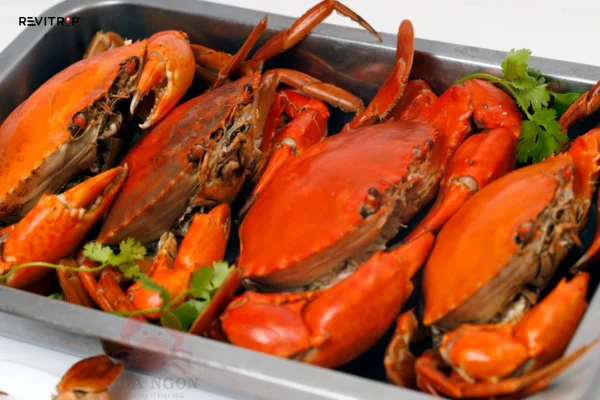
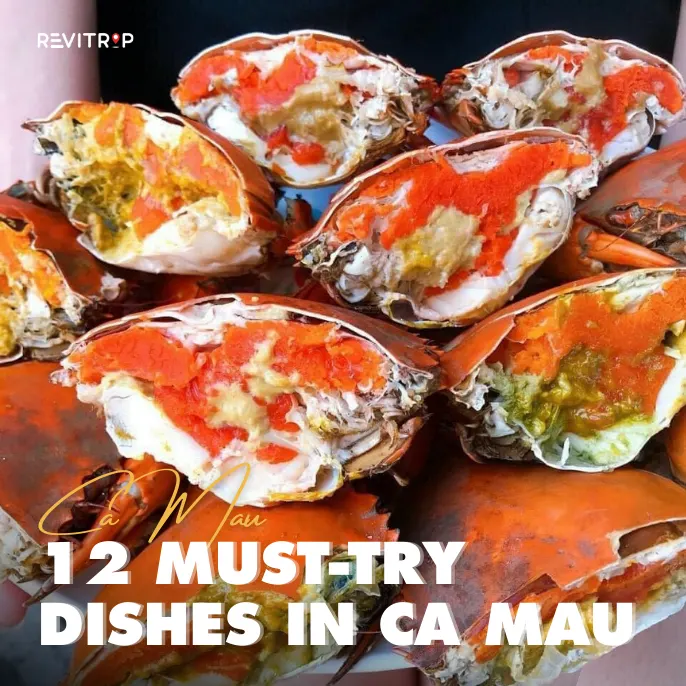
Mud crab stands as the single most celebrated item in all of Ca Mau food. The mangrove tidal zones raise these crabs in a mix of salt and fresh water that produces meat of unusual sweetness and density. Cooks serve them steamed, grilled with salt and pepper, prepared in tamarind sauce, or presented as a hot pot with wild herbs. Furthermore, the roe-filled female crab during egg-bearing season earns recognition as the premium version.
Where to eat it:
- Restaurants along the Nam Can River waterfront in Nam Can District
- Ca Mau City seafood restaurants on Phan Ngoc Hien Street and the riverside market area
- Fresh crab vendors at Dat Mui market near the cape
Tiger Prawns and Freshwater Shrimp
Ca Mau’s tiger prawns grow in the same tidal zone system as the mud crabs, and the quality reflects that environment. Vendors grill them over charcoal, steam them with lemongrass, or use them as the base for sweet and sour prawn soup. Meanwhile, freshwater shrimp from the U Minh Ha canal system run smaller but carry an intense flavor, and cooks typically stir-fry them with salt, pepper, and fresh lime.
Blood Cockles
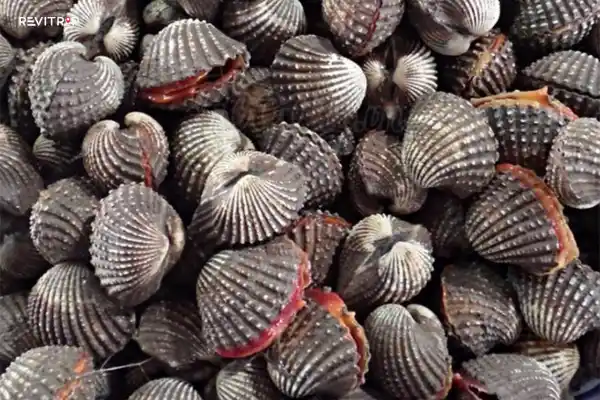
This “shell creature” from Ca Mau’s coastal tidal flats rank among the finest in Vietnam. Vendors boil them briefly and serve them with a dipping sauce of lime juice, chili, salt, and ground pepper. The key is freshness. Ca Mau cockles move from water to plate within hours, which is why they taste so different here compared to anywhere else you might encounter them.
Dried and Salted Seafood
Ca Mau produces an extensive range of dried and salted seafood that doubles as both local cuisine and the province’s most popular souvenir category. Producers along the coastal districts supply dried squid, salted fish, dried shrimp, and shrimp paste to markets throughout the province. In particular, shrimp paste from Rach Goc carries a depth and saltiness that local cooks consider essential to authentic southern Vietnamese cooking.
“The dried seafood market in Ca Mau city is one of the most aromatic and visually striking food markets in the entire Mekong Delta. Go in the morning when the day’s production arrives fresh from the coastal processing areas.”
3. Must-Try Ca Mau Food: Forest and Freshwater Dishes
The interior of Ca Mau produces a second category of ca Mau food that most visitors overlook entirely. The peat wetlands and melaleuca forests of U Minh Ha support ingredients unique to this ecosystem.
U Minh Ha Honey
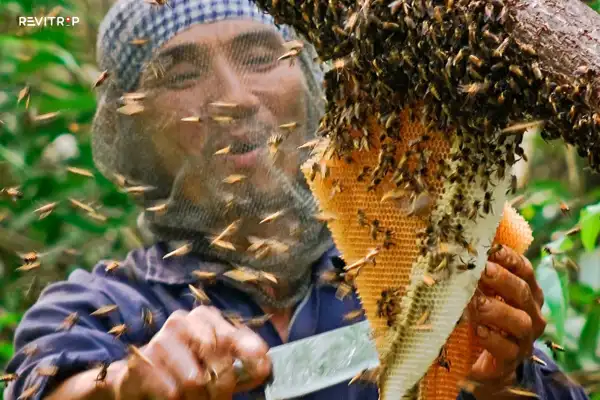
Bees forage exclusively on cajuput flowers to produce melaleuca honey from U Minh Ha, one of the most prized natural products in the Mekong Delta. The result is a honey with a distinctive pale color, floral aroma, and a clean sweetness that differs noticeably from standard commercial honey. Locals eat it with bread, stir it into tea, use it as a natural remedy, and give it as a gift. Buying directly from beekeepers within or adjacent to the national park guarantees the genuine article.
Steamed Snakehead Fish with Melaleuca Leaves
Steamed snakehead fish is one of the most traditional dishes of the U Minh Ha forest communities. Cooks wrap the fish with young melaleuca leaves and steam it over a wood fire, allowing it to absorb a subtle herbal fragrance during cooking. They then serve it with rice, fresh herbs, and a simple dipping sauce of fish sauce, lime, and chili. The dish is simple and direct, which is exactly why it works.
Forest Rat and Field Mouse
Field rat and forest mouse dishes represent a distinctive element of Ca Mau food that surprises many first-time visitors but draws enthusiastic repeat orders from those willing to try them. These are clean grain-fed field species, not urban rodents. Cooks grill them, braise them with lemongrass and chili, or slow-cook them in clay pots with wild herbs. Additionally, the lean and slightly gamey meat pairs well with the province’s riverbank pepper.
Ca Mau Riverbank Pepper
Wild pepper grows along the riverbanks of Ca Mau’s interior districts and has developed a strong reputation among chefs across southern Vietnam. The peppercorns run smaller and more intensely aromatic than standard commercial pepper. As a result, they appear as a condiment across nearly every seafood dish in the province and are sold fresh, dried, and pickled at local markets.
4. Must-Try Ca Mau Food: Street Food and Local Snacks
Ca Mau food extends well beyond its seafood and forest ingredients into a strong tradition of street food and everyday snacks that reflect the province’s mixed cultural heritage.
Bun Mam Ca Mau
Bun mam is a fermented fish noodle soup that represents the boldest flavor in the Ca Mau street food repertoire. Cooks build the broth on fermented fish or shrimp paste, producing an intensely savory base that they then balance with coconut milk, lemongrass, and fresh herbs. They serve it with rice vermicelli, eggplant, pork belly, and a generous herb plate. It is not a gentle dish. Rather, it is the kind of food that defines a place.
Where to eat it: Street stalls throughout Ca Mau city morning markets, particularly around the central market on Ly Bon Street.
Banh Tam Bi
Banh tam bi is a southern Vietnamese noodle dish that finds one of its best expressions in Ca Mau. Thick silkworm-shaped rice noodles come with shredded pork skin, coconut cream, pickled vegetables, roasted peanuts, and a sweet fish sauce dressing. Vendors sell this breakfast and brunch dish from early morning at market stalls and small shopfronts across the city.
Che Troi Nuoc and Khmer Sweet Soups
Ca Mau’s Khmer community contributes a range of sweet soups and desserts to the local food culture. Che troi nuoc features glutinous rice balls filled with mung bean paste in a ginger syrup. Other Khmer preparations use coconut milk, lotus seeds, taro, and local palm sugar in combinations that reflect centuries of culinary tradition. In the late afternoon and early evening, vendors sell these sweets from small carts throughout the city.
For travelers who want to explore Ca Mau’s food scene as part of a wider Mekong Delta culinary experience, Klook lists a range of food-focused tours and cooking experiences across the region.
5. Where to Eat Ca Mau Food
Finding great ca Mau food is straightforward if you know which areas to prioritize.
Ca Mau City:
- Phan Ngoc Hien Street riverside area: The main concentration of seafood restaurants in the city. Best visited for dinner from 5:00 pm onwards.
- Ca Mau Central Market on Ly Bon Street: The best location for street food, morning noodles, banh tam bi, and bun mam from 6:00 am to noon.
- Night market stalls along Nguyen Trai Street: Active from around 5:00 pm, covering grilled seafood, sweet soups, and local snacks.
Outside Ca Mau City:
- Nam Can District waterfront: The definitive destination for mud crab, best experienced as a half-day or full-day excursion from the city.
- Dat Mui Cape market area: Fresh seafood and dried produce vendors operating from early morning near the cape entrance.
- U Minh Ha National Park vicinity: Honey vendors, steamed fish stalls, and local family restaurants serving forest-style Ca Mau food within and around the park.
For a full overview of getting around the province to reach these eating areas, our Ca Mau travel guide covers all transport options in detail. Additionally, if you are planning the full journey from Ho Chi Minh City, our guide on how to get to Ca Mau covers every route and transport option available.
“The best Ca Mau food experiences happen at the source. A mud crab eaten on the Nam Can waterfront tastes different from the same crab in a city restaurant two provinces away. The distance between catch and plate matters more here than almost anywhere else in Vietnam.”
6. Practical Tips for Eating Ca Mau Food
Getting the most from Ca Mau food comes down to a few habits that experienced Mekong Delta travelers develop quickly.
Before you eat:
- Visit the central market early. The best breakfast dishes sell out before 9:00 am.
- Confirm prices before ordering at riverside seafood restaurants, particularly for live crab sold by weight.
- Carry cash as most street vendors and smaller restaurants do not accept cards.
- Check our guide to scams in Vietnam for awareness of price-related issues at tourist-facing seafood restaurants.
While eating:
- Order live crabs by weight and confirm the price per kilogram before cooking begins.
- Ask for the full herb plate with bun mam. The herbs balance the intensity of the fermented broth and are not optional.
- Try the honey at source. Buying directly from a beekeeper near U Minh Ha guarantees quality that market resellers cannot always match.
- Pair riverbank pepper with every grilled seafood dish. It is the seasoning that ties Ca Mau food together across almost every restaurant in the province.
For guided food experiences that remove the navigation challenge entirely, GetYourGuide lists organized culinary tours across Ca Mau and the wider Mekong Delta that travelers can book before departure.
Final Thoughts: Ca Mau Food Is Worth the Journey
Ca Mau food is one of the most distinctive and underappreciated culinary experiences in Vietnam. The combination of exceptional seafood, unique forest ingredients, bold fermented flavors, and Khmer-influenced sweets produces a food culture that rewards every traveler willing to explore beyond the obvious stops. Indeed, no other province in the Mekong Delta offers the same range of environments on a single plate.
Plan at least two full days in Ca Mau if food is a priority. Use the first morning for the central market and street food. Dedicate one full meal to Nam Can mud crab on the waterfront. Then visit U Minh Ha and buy honey directly from the forest beekeepers. Finally, save an evening for the riverside seafood restaurants in the city. That four-meal framework covers the essential range of what ca Mau food has to offer. For everything else you need to plan your trip, our guide on the best time to visit Ca Mau helps you choose the right season for the full experience.
Hungry for more Vietnam food inspiration? Browse our complete guide to Vietnamese cuisine for regional specialties, street food tips, and the best eating experiences across the country!
FAQs
The most popular food souvenirs from Ca Mau are dried squid, salted fish, shrimp paste from Rach Goc, dried shrimp, and melaleuca honey from U Minh Ha. Riverbank pepper and dried blood cockles also make distinctive gifts. All are available at Ca Mau city’s central market and at vendors near Dat Mui Cape.
The Nam Can District waterfront is the top destination for mud crab and fresh seafood at source. In Ca Mau city, the riverside restaurants along Phan Ngoc Hien Street offer the widest selection of local seafood dishes in a sit-down setting. The central market on Ly Bon Street is the best spot for street food and morning noodle dishes.
Ca Mau is most famous for its Nam Can mud crab, considered among the finest in Vietnam. The province is also celebrated for its tiger prawns, blood cockles, U Minh Ha melaleuca honey, bun mam fermented fish noodle soup, and dried seafood products including shrimp paste from Rach Goc.