Drowning in generic Sapa guides that all say the same thing? Here is the honest version. After cross-checking dozens of itineraries against real ground conditions, this is what actually works.
Bottom line: 2 days is the bare minimum. 4 days is the sweet spot. Five days only makes sense if you are serious about sapa trekking and can handle back-to-back full-day walks.
Quick Facts
- From Hanoi: 300 km, 5 to 6 hours by sleeper bus or overnight train
- Best season: September to November (golden rice terraces)
- Daily budget: 500,000 to 900,000 VND (~$20 to $36) mid-range
- The reality: Sapa fog can block every view on any given morning. Always check the forecast the night before.
Getting There
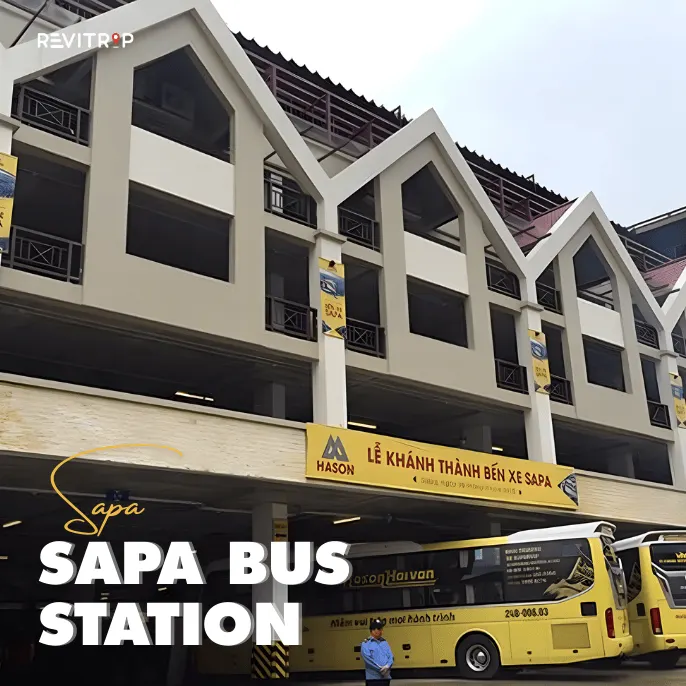
Book your sleeper bus or limousine to Sapa for 200,000 to 350,000 VND (~$8 to $14). This is the most practical option for most travelers. Alternatively, the overnight train to Lao Cai is more scenic but adds 2 to 3 hours total. Private car works best for families or groups of four or more.
Priority Rankings: What to Do on Your Sapa Tour
Priority 1: Non-Negotiable
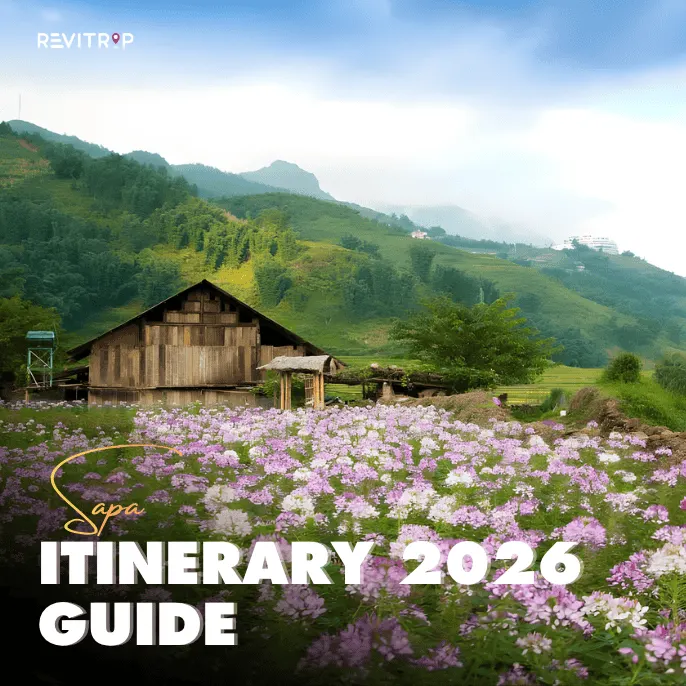
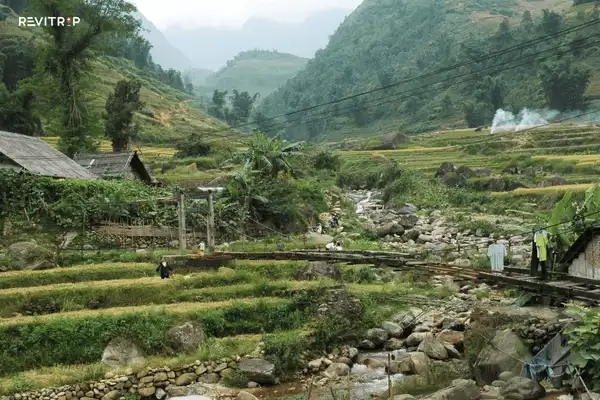
Muong Hoa Valley trekking is the core of any sapa trekking experience. The valley covers Lao Chai village (Black H’mong), Ta Van village (Giay), and Cat Cat village (H’mong, 2 km from town). Cat Cat is the most touristy of the three. If you only visit one village, go to Ta Van instead for better scenery and far fewer crowds. Hire a local H’mong guide for 150,000 to 200,000 VND ($6 to $8) for meaningful cultural context.
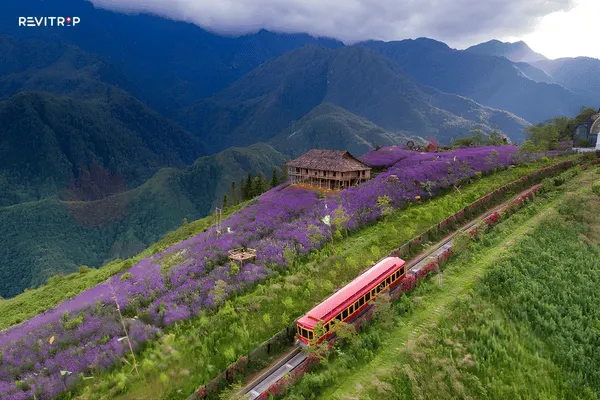
Fansipan Mountain cable car takes 15 minutes to reach the highest peak in Indochina at 3,147 metres. Cable car ticket: 700,000 VND (~$28). Worth it only when the weather is clear. Check forecasts the evening before and reschedule if fog is predicted.
Priority 2: Worth It With 3 or More Days
O Quy Ho Pass and Silver Waterfall combine well into one half-day trip by motorbike (150,000 to 200,000 VND per day rental). The pass offers jaw-dropping mountain views at sunset. The waterfall drops 200 metres and is especially dramatic from July to September. Entry: 20,000 VND.
Ta Phin Village is where the Red Dao community practices traditional herbal baths (80,000 to 120,000 VND per session). Most Sapa tour guides skip this village, which is exactly why it is worth visiting.
Priority 3: Skip Unless You Have a Specific Reason
Ham Rong Mountain costs 70,000 VND for views you can get for free elsewhere. Skip it unless you are traveling with older adults or children who cannot manage longer treks.
Bac Ha Market is spectacular but sits 100 km away, runs only on Sundays, and costs a full day of travel. Build your Sapa tour around a Sunday departure if you want to include it. Otherwise, the Saturday night Love Market in town gives a solid taste of ethnic culture within walking distance.
Day-by-Day Sapa Itineraries
2 Days (Tight but Doable)
Day 1: Arrive, walk Cat Cat Village, dinner at Cho Tinh Quan (grilled black pork, 63D Fansipan Street) Day 2: Fansipan cable car at 7am to beat clouds, quick walk through Sapa Stone Church, depart afternoon
The biggest regret of 2-day visitors is missing Muong Hoa Valley entirely. If culture and trekking matter to you, add at least one more day.
3 Days (Recommended Minimum)
Day 1: O Quy Ho Pass and Silver Waterfall loop Day 2: Full sapa trekking day through Lao Chai to Ta Van, overnight homestay (150,000 to 300,000 VND) Day 3: Fansipan cable car, depart afternoon
4 Days (The Sweet Spot)
Day 1: Arrive, Sapa town, Sapa Lake, Stone Church Day 2: Trek Cat Cat, Y Linh Ho, Ta Van, overnight homestay Day 3: Fansipan cable car morning, Ta Phin village afternoon Day 4: O Quy Ho Pass and Silver Waterfall before departure
5 Days (For Serious Trekkers)
Adds a Sin Chai Village extension through Hoang Lien National Park on days 4 and 5. Only worth doing if you are physically prepared for consecutive full-day sapa trekking routes. Browse and book multi-day guided trekking tours here.
Practical Information
Best Time to Visit
- September to November: Golden rice terraces, best photography, peak season
- March to May: Clear skies, comfortable trekking weather
- June to August: Rainy season, lush but muddy trails and frequent cloud cover on Fansipan
- December to February: Cold (sometimes below 5°C), heavy fog, avoid if views are your priority
Cost Breakdown
| Item | VND | USD |
|---|---|---|
| Fansipan cable car | 700,000 | ~$28 |
| Local guide (half day) | 150,000 to 200,000 | ~$6 to $8 |
| Village homestay | 150,000 to 300,000 | ~$6 to $12 |
| Meals per day | 150,000 to 250,000 | ~$6 to $10 |
| Motorbike rental | 150,000 to 200,000 | ~$6 to $8 |
What to Bring
Essential: Trekking shoes (trails get muddy), warm layer for evenings, cash in VND (most village vendors do not accept cards), portable charger
Not needed: Formal clothes or heavy luggage. Most Sapa hotels offer storage lockers.
Is a Sapa Tour Worth It?
Visit if: You have 3 or more days, want mountain scenery combined with ethnic minority culture, or are visiting Vietnam for 2-plus weeks and want contrast from city life.
Skip or shorten if: You only have 1 day (the 5 to 6 hour one-way travel time makes day trips exhausting and disappointing), or you are primarily interested in beaches and cities.
Versus Ha Giang: If you have already done a Sapa tour and are returning to northern Vietnam, Ha Giang Loop is the stronger choice. More remote, more dramatic, less tourist infrastructure.
Where to Eat
- Cho Tinh Quan (63D Fansipan Street): Grilled black pork and hotpot, best value in town
- Le Petit Gecko (2 Ngu Chi Son Street): Best breakfast, crepes and Vietnamese coffee
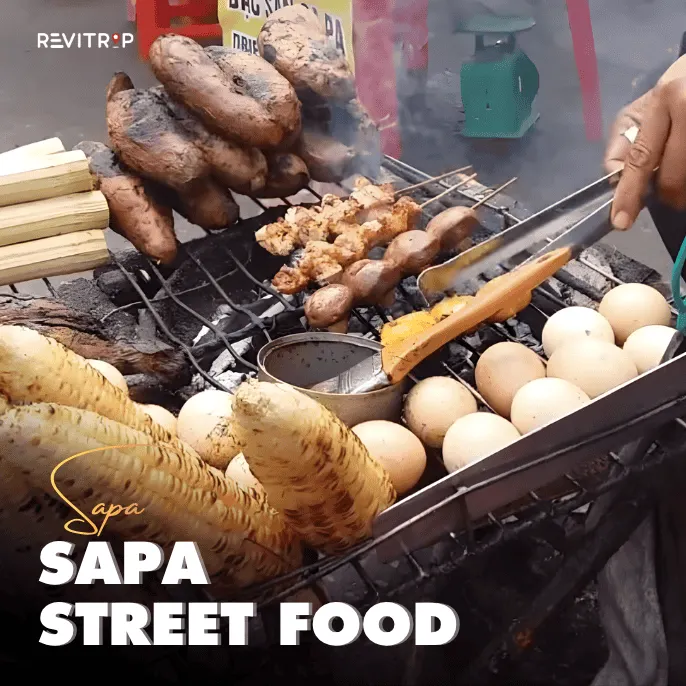
- A Phu Restaurant (15 Fansipan Street): Go specifically for steamed horse meat if you want something genuinely local
Budget 80,000 to 150,000 VND per person per meal. Sapa is not expensive.
FAQ
Most tours include round-trip transport (limousine van or night train + transfer) and a guide for trekking or village visits. Choose a 2D1N or 3D2N tour if you want a calmer pace.
Typical packages include transport, accommodation, some meals, and 1–2 guided activities like Cat Cat or a trekking route (Lao Chai – Ta Van). Always check what’s not included, like extra entrance fees or optional upgrades.
Prices vary mainly by duration and hotel level, but most 2D1N group tours sit in a “mid-range” budget with upgrades costing more. The final cost changes fast on weekends and holidays, so compare inclusions, not just the headline price.