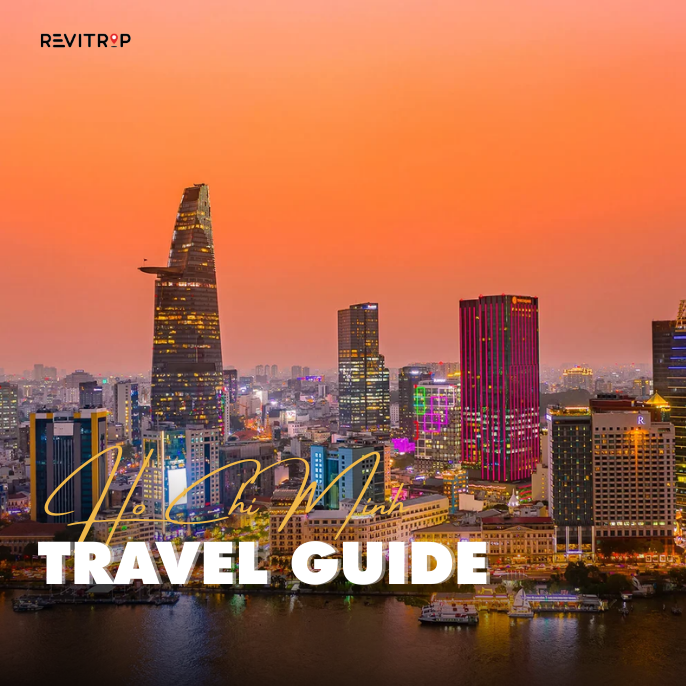
Is Ho Chi Minh City worth visiting? The short answer is yes. Few cities in Southeast Asia match its combination of energy, history, food, and affordability. Formerly known as Saigon, Ho Chi Minh City is Vietnam’s largest urban center and one of the region’s most exciting destinations. Whether you are a first-time traveler or returning for more, the city consistently surprises and rewards. This guide walks through the strongest reasons to visit, alongside a few honest things to prepare for before you arrive.
Why Ho Chi Minh City Is Worth Visiting
The City That Never Sleeps
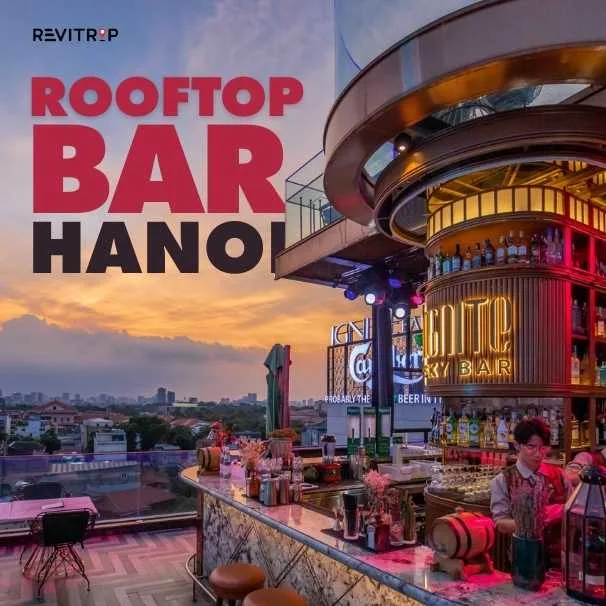
Ho Chi Minh City earns its reputation as a city that stays alive around the clock. Street food stalls run past midnight. Markets buzz with energy from early morning through late evening. Entertainment venues, rooftop bars, and live music spots keep going well after dark. As a result, there is no such thing as running out of things to do here.
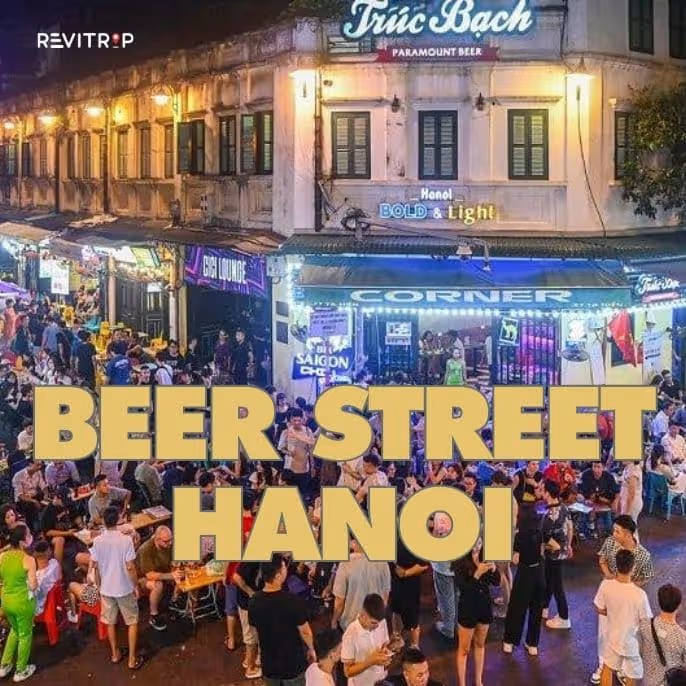
Two streets in particular stand out for their nighttime energy. Bui Vien Walking Street in District 1 is packed every evening with live music, grilled food, cold beer, and a crowd that mixes locals and international visitors. Nguyen Hue Walking Street, also in District 1, offers a more relaxed pedestrian atmosphere. An evening fountain show draws visitors of all ages and makes for a pleasant way to wind down after a day of sightseeing. Both streets are completely free to explore and easy to reach from most central hotels.
Booking Tours to Ho Chi Minh City
Rich History at Every Turn
Ho Chi Minh City carries a depth of history that few cities in the world can match. The Reunification Palace played a direct role in the end of the Vietnam War in 1975. Today it remains largely preserved as it was on that day, making it one of the most powerful historical sites in the country. The War Remnants Museum nearby presents a moving and honest account of the conflict through photographs, preserved equipment, and personal testimonies.
For those who want to go deeper, the Cu Chi Tunnels sit just outside the city. This underground network stretches for hundreds of kilometers and was used extensively during wartime. Walking through sections of the tunnels gives you a genuine sense of the conditions soldiers lived in. It is one of the most visited day trips from Ho Chi Minh City and consistently rated as one of the most memorable experiences in Vietnam.
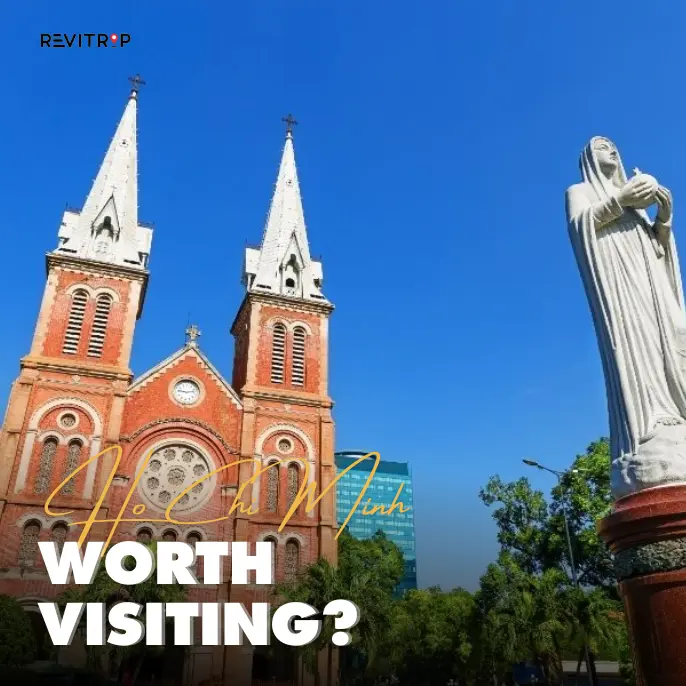
Beyond the war, the city’s French colonial architecture tells a different chapter of its story. Notre Dame Cathedral and the Central Post Office are both stunning examples of 19th century design that have survived more than a century of rapid urban change. Simply walking through District 1 exposes you to buildings that carry real historical weight.
A Food Scene That Stands Alone
Southern Vietnamese cuisine is widely considered the most diverse in the country. Ho Chi Minh City brings the full range together in one place, and then adds international influences from China, France, Japan, and beyond. The result is a food scene that rewards curiosity at every price point.
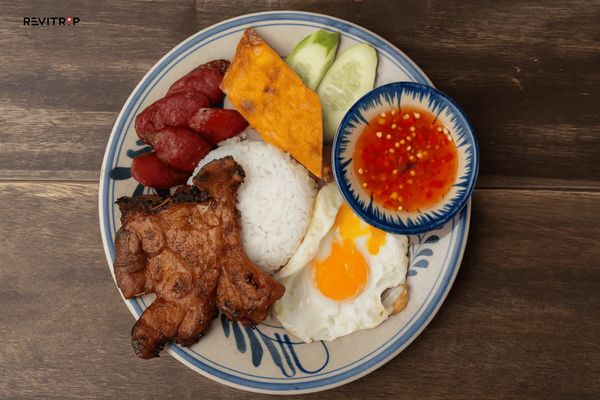
Com tam, broken rice served with grilled pork and pickled vegetables, is a local staple available on almost every street from early morning onwards. Banh mi from roadside carts costs around VND 20,000 to VND 30,000 and rivals anything from a sit-down restaurant. Fresh spring rolls, pho, and bun bo Hue are equally easy to find at local prices throughout the day.
For the best street food experience, the streets around Ben Thanh Market, Tan Dinh Market, and District 3 are excellent starting points. Meals at local eateries cost well under USD 3. Furthermore, for visitors who enjoy fine dining, the city also has world-class restaurants at a fraction of what you would pay in Bangkok or Singapore. For food lovers, Ho Chi Minh City is absolutely worth visiting on this basis alone.
Cultural Diversity You Can See and Taste
Ho Chi Minh City is a genuine cultural crossroads. Vietnamese communities from the North, Central, and South all coexist here. In addition, decades of French colonial influence followed by waves of international investment have left a visible mark on the city’s architecture, food, and daily life. French colonial buildings stand beside glass towers. Buddhist temples sit a short walk from colonial cathedrals.
This cultural mix extends to the city’s festivals, art spaces, and music scene. Throughout the year, Ho Chi Minh City hosts cultural events, independent art exhibitions, and performances that reflect how many different influences have shaped the place. Even a short visit gives you a sense of how many worlds overlap here in a way that feels completely natural.
English Is Easy to Use
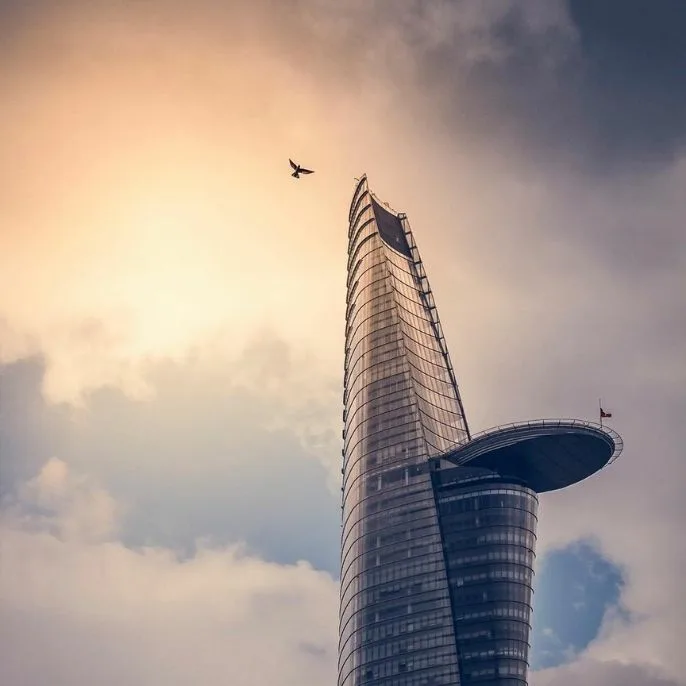
For international travelers, communication in Ho Chi Minh City is rarely a problem. The city has a large expat community and a well-developed tourism industry. As a result, English is spoken at most hotels, restaurants, tourist attractions, and markets. Ben Thanh Market, the War Remnants Museum, Bitexco Financial Tower, and most establishments in District 1 have English-speaking staff and printed information available.
This makes Ho Chi Minh City one of the most welcoming cities in Southeast Asia for solo travelers and first-time visitors to Vietnam. You do not need to know Vietnamese to navigate the city comfortably.
Getting Around Is Simple and Affordable
The city has a wide range of transport options to suit every preference. Grab ride-hailing makes it simple to book a motorbike or car at a transparent, fixed price. Public buses cover most areas for just a few thousand dong per trip. The Saigon River water bus adds a scenic and affordable option for traveling between certain districts. Moreover, taxis from reputable companies are widely available and reasonably priced for longer journeys.
3 Things to Keep in Mind Before You Go
Traffic is heavy during peak hours. Morning and evening rush hours bring significant congestion across the city. Crossing the road requires patience and a steady pace. Choosing accommodation close to your planned attractions helps reduce unnecessary travel during busy periods.
Rain is common from May to November. Short afternoon showers are typical during the rainy season and occasionally cause street flooding in lower-lying areas. A light raincoat or small umbrella handles most situations easily. Planning major outdoor activities for the morning generally avoids disruption.
Watch your belongings in busy areas. Bag snatching from motorbikes occurs occasionally in tourist-heavy streets. Keep bags close, avoid displaying expensive phones or cameras openly in crowds, and use inside pockets where possible. These are straightforward precautions that apply to most large cities and should not cause excessive concern.
Is Ho Chi Minh City worth visiting? Without question. The city offers a rare combination of living history, extraordinary food, cultural richness, and around-the-clock energy that is genuinely difficult to find anywhere else in the region. The minor challenges of traffic and occasional rain are easy to manage with basic planning. Most travelers leave wishing they had stayed longer. For more help planning your visit, explore our guides on Ho Chi Minh City travel tips, best street food in Saigon, and Ho Chi Minh City safety guide.
FAQ
December to April offers the most comfortable weather with lower humidity and consistent sunshine. This period also includes Tet, Vietnam’s most important traditional festival, in late January or early February.
Yes, it is one of the most accessible entry points into Vietnam. English is widely spoken, transport is affordable, and the range of attractions suits every type of traveler from history lovers to food enthusiasts.
Three to four days covers the main highlights comfortably. A stay of five to seven days allows time for day trips to Cu Chi Tunnels and the Mekong Delta, which are both highly recommended additions to any itinerary.