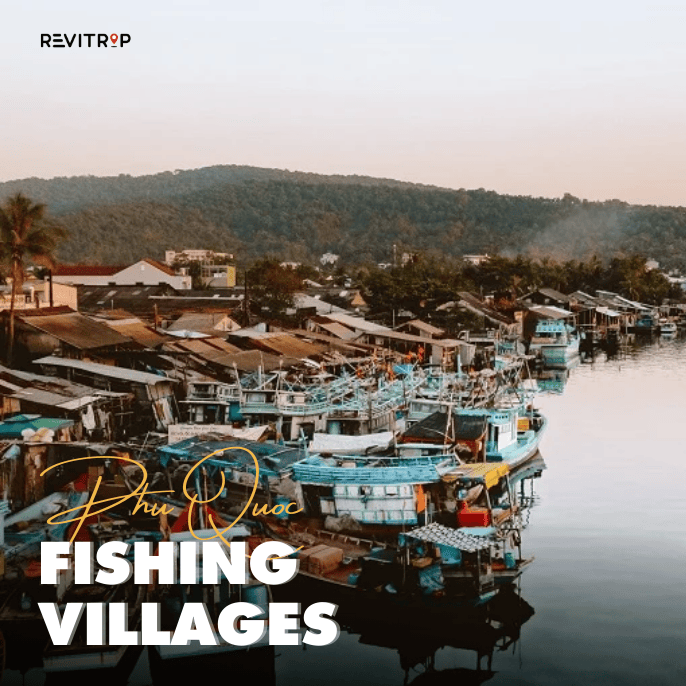
Most visitors to Phu Quoc come for the beaches and resorts. However, the island’s fishing villages offer something far more meaningful. These small coastal communities give you a genuine look at how locals have lived for generations. From floating wooden bridges to fresh seafood cooked right beside the water, Phu Quoc fishing villages are among the most rewarding destinations on the entire island. Here are the six best ones to add to your itinerary.
Why Visit Fishing Villages in Phu Quoc?
Phu Quoc is widely known as Vietnam’s pearl island. Beyond the luxury resorts and theme parks, the island has a quieter, more authentic side. Its fishing villages preserve a slower pace of life that is becoming increasingly rare across Southeast Asia. In these communities, you can watch boats head out at dawn, buy seafood straight from returning fishermen, and share meals that taste unlike anything in a tourist restaurant. Furthermore, most villages are easy to reach by motorbike, making them accessible for independent travelers without any special planning.
Booking Tours to Phu Quoc Island
Rach Vem: The Kingdom of Starfish
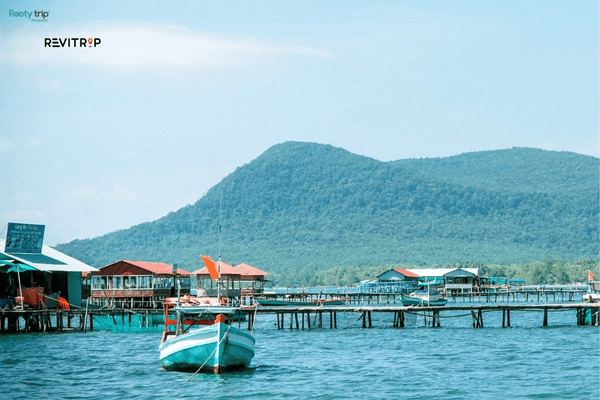
Rach Vem fishing village sits in the northwest of Phu Quoc, about 20 kilometers from the main town center. It is one of the most photogenic Phu Quoc fishing villages, featuring floating wooden bridges and raft houses built directly over the water. The village is calm and genuinely unspoiled.
In September, starfish gather close to shore in large numbers, earning the village its nickname. Outside of this season, the clear water, coral reefs, and relaxed atmosphere are still more than enough reason to visit. Activities here include snorkeling, net fishing, and night squid fishing. In addition, fresh seafood meals prepared by local families are a highlight that most visitors remember long after leaving.
Cua Can: Riverside Calm in the North
Cua Can village is located about 14 kilometers north of the main town. Unlike other Phu Quoc fishing villages set directly on the ocean, Cua Can is built along the banks of the Cua Can River. This gives it a distinctly different character. The scenery here is green, quiet, and peaceful in a way that feels far removed from the busier parts of the island.
Kayaking along the river is one of the most popular things to do. It is suitable for all ages and gives you a close view of local daily life along the riverbank. You can also join local fishermen for a morning catch, which offers genuine insight into how residents earn their living. As a result, Cua Can is ideal for travelers who prefer gentle activities over busy tourist spots.
Rach Tram: The Most Remote Village on the Island
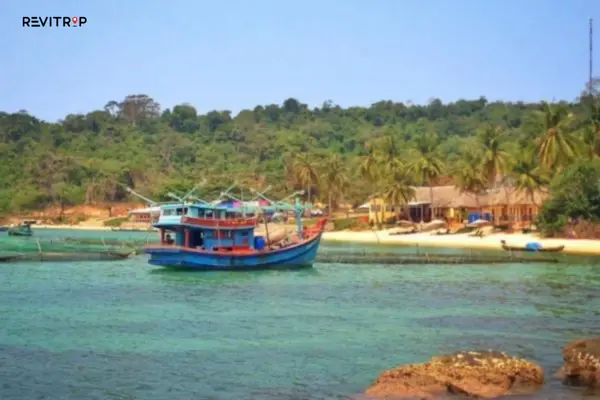
Rach Tram is the furthest fishing village from Phu Quoc’s center, and because of this, it remains almost completely untouched by tourism. Only a small number of households live here today. The village sits beside a pristine beach with clear water and is backed by primary forest that you can explore on foot.
For travelers seeking total peace and minimal crowds, Rach Tram is unmatched among all Phu Quoc fishing villages. Swimming, eating fresh seafood, and joining fishermen on an offshore boat trip are the main activities. The experience here feels completely natural. There are no tour groups, no souvenir stalls, and no background noise beyond the sound of the sea.
Ham Ninh: The Most Famous Fishing Village in Phu Quoc
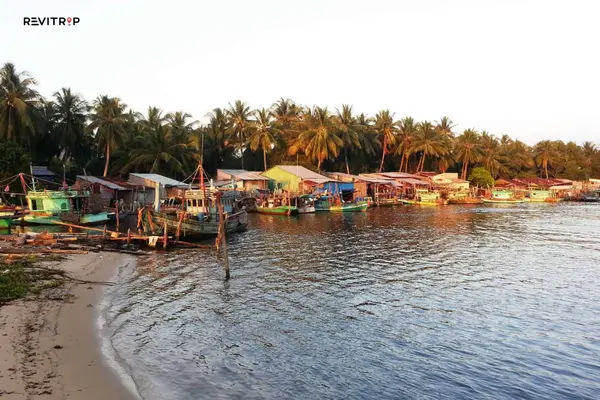
Ham Ninh sits on the east coast of Phu Quoc and is widely considered one of the oldest fishing settlements in Vietnam. High mountains and dense jungle form a backdrop behind the village, while the sea stretches out in front. The combination creates scenery that is easy to photograph and hard to forget.
Ham Ninh is the most developed of all Phu Quoc fishing villages for tourism. However, it still feels authentic. The wooden pier extending over the water is a signature feature, and small seafood eateries along the shore serve dishes prepared with whatever was caught that morning. The flower crab from Ham Ninh is particularly famous and worth trying if it is in season during your visit. In addition, pearl farms in the area offer a unique cultural experience.
Hon Thom: Island Village Accessible by Boat
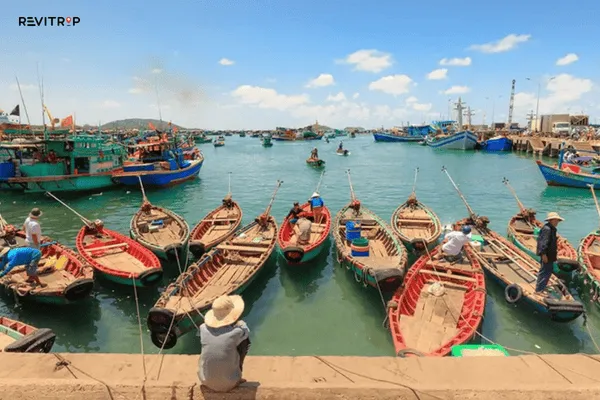
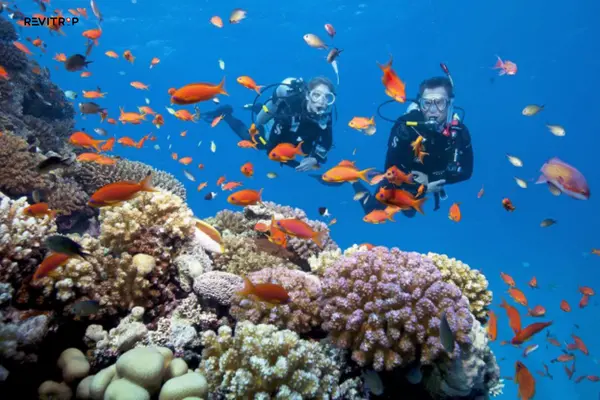
Hon Thom fishing village is located on Hon Thom Island, part of the An Thoi Archipelago. Reaching it requires a 30-minute boat ride from An Thoi Port. However, the journey is part of the experience. The surrounding sea is extraordinarily clear, and coral reefs are visible from the boat long before you arrive.
The village here is known for cultivating rare marine species including grouper, abalone, and sea turtle. Local seafood dishes are fresh and flavourful in a way that reflects the richness of the surrounding ocean. Beyond eating, snorkeling around the reefs and joining a night squid fishing tour are both highly recommended activities. Hon Thom is also the departure point for the famous Hon Thom Cable Car, so combining a village visit with a cable car ride makes for a full and satisfying day.
Ganh Dau: A Quiet Cape at the Island’s Tip
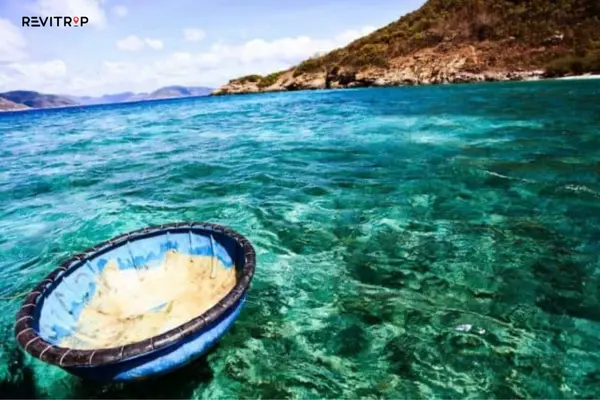
Ganh Dau lies about 20 kilometers from the main town, near the northern tip of Phu Quoc. It is small, quiet, and still largely undiscovered by mass tourism. The main attraction beyond the village itself is Ganh Dau Cape, a headland that pushes out into the sea with dramatic rock formations, golden sand, and water that shifts between shades of green and blue.
Watching fishing boats come and go from the small port is a simple but genuinely rewarding experience. Local fishermen are generally welcoming, and observing their daily routines gives you a real sense of what life on this island looked like before tourism arrived. Ganh Dau is one of those Phu Quoc fishing villages that rewards slow, unhurried exploration.
Tips for Visiting Phu Quoc Fishing Villages
The best time to visit is between November and April. During these months, the weather is dry and sunny, and the sea is calm enough for swimming and boat activities. Renting a motorbike is the most practical way to cover multiple villages in a single day, as public transport between them is limited. Wearing sunscreen, a hat, and light clothing keeps you comfortable in the tropical heat. Furthermore, buying local products and eating at village eateries directly supports the communities you are visiting.
Phu Quoc fishing villages offer a side of the island that most package tourists never see. Whether you spend a morning kayaking in Cua Can, sharing a crab feast in Ham Ninh, or watching the sunrise over Ganh Dau Cape, these communities leave a lasting impression. For more inspiration, explore our guides on things to do in Phu Quoc, Phu Quoc island hopping, and best beaches in Phu Quoc.
FAQ
Ham Ninh is the most accessible and well-known. However, Rach Vem offers a more unique experience with its floating raft houses and starfish gatherings in September.
Yes, most villages have small eateries or floating houses where fresh seafood is cooked on the spot. Prices are usually very reasonable compared to tourist restaurants.
Absolutely. Most villages are reachable by motorbike, and no guided tour is required. Simply rent a bike and explore at your own pace.