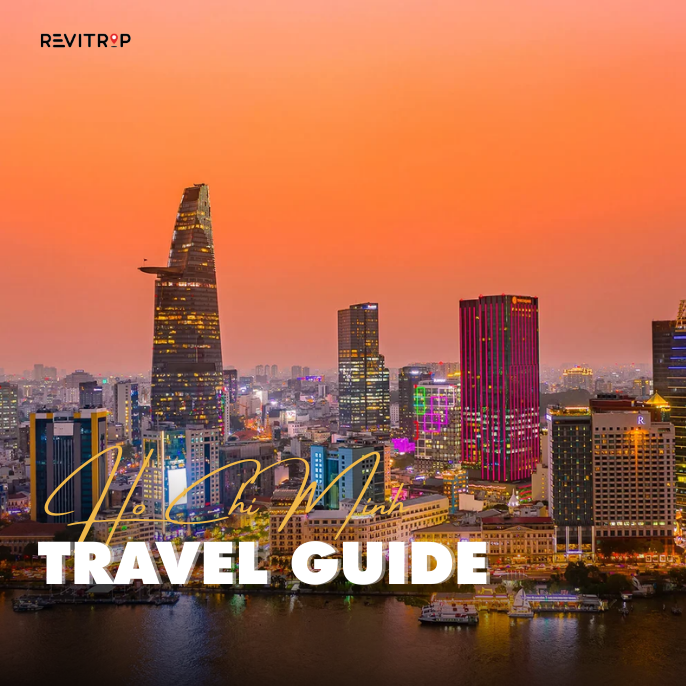
Ho Chi Minh City is one of Southeast Asia’s most exciting destinations. Formerly known as Saigon, this city moves fast, feeds you well, and surprises you at every turn. Whether you are visiting for the first time or returning for more, having a solid Sai Gon travel guide makes all the difference. This guide covers everything from weather and transport to budget tips and local culture so you can plan with confidence.
What Makes Ho Chi Minh City Worth Visiting?
Ho Chi Minh City is the largest and most populous urban area in Vietnam. It sits roughly 1,730 kilometers south of Hanoi. As a result, it serves as the country’s main economic and cultural engine. The city sits at the crossroads of key Southeast Asian maritime routes. Because of this, it has grown into a major international gateway for the entire region.
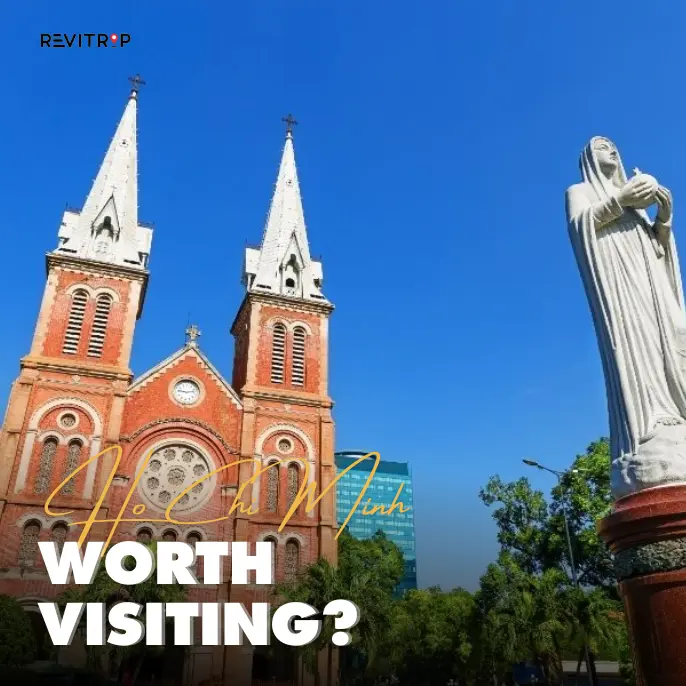
Beyond its economic role, the city carries more than 300 years of history. Ancient architecture, colonial landmarks, and war memorials stand alongside modern skyscrapers. Furthermore, the food scene is extraordinary. From street-side pho stalls to rooftop restaurants, eating here is an experience in itself. For travelers who want energy, variety, and depth, Sai Gon delivers on all counts.
🎟️ Booking Tours to Ho Chi Minh City
Ho Chi Minh City Weather: Best Time to Visit
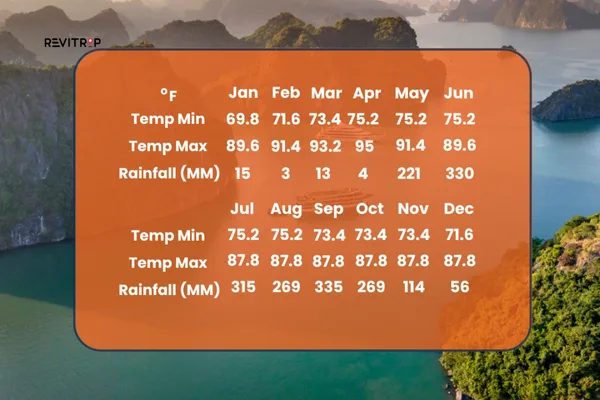
Understanding the climate is essential for any Sai Gon travel guide. The city has two distinct seasons. First, there is the rainy season, which runs from May to November. During this period, short afternoon showers are common. However, they rarely last long. The sky usually clears within an hour. If you visit during these months, simply pack a light raincoat or compact umbrella.
Second, the dry season runs from December to April. Temperatures average around 27.55°C, but can reach up to 40°C in April. There can be as many as 270 sunshine hours per month. As a result, heatstroke is a real concern during midday. Therefore, staying hydrated and avoiding extended outdoor exposure between 11am and 2pm is strongly recommended.
The best time to visit is between December and April. The weather during this window is pleasant and manageable. In addition, late January or early February brings Tet Festival, Vietnam’s most important traditional celebration. Experiencing Tet in Ho Chi Minh City is something truly memorable.
How to Get to Ho Chi Minh City
There are four main ways to reach the city, and each suits a different type of traveler.
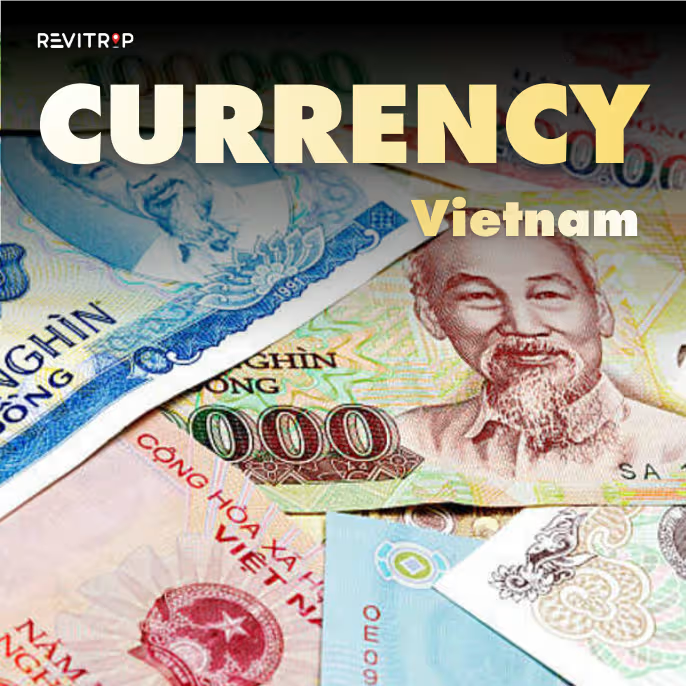
Flying is the fastest option. Tan Son Nhat Airport is the largest international airport in Vietnam. It handles both domestic and international flights daily. Fares typically range from VND 1,500,000 to VND 3,000,000 (USD 57 to USD 115) per person, depending on the airline and booking time.
Traveling by train is slower but far more scenic. The journey from Hanoi takes up to 30 hours. However, it gives you a chance to watch Vietnam’s countryside unfold outside your window. Train fares range from VND 500,000 to VND 2,000,000 (USD 19 to USD 77) per person.
For travelers coming from the Central or Southern regions, the coach is a budget-friendly choice. Tickets cost just VND 200,000 to VND 400,000 (USD 7.66 to USD 15.30). Journey times range from 8 to 9 hours. Ho Chi Minh City has two main coach terminals serving inter-provincial routes.
Finally, private vehicles suit those who prefer full flexibility. Motorbikes and cars are both viable options, provided you carry the correct documents and follow local traffic laws.

Getting Around Ho Chi Minh City on a Budget
Once you arrive, navigating the city is straightforward. Moreover, most options are very affordable.
Renting a motorbike is the most popular choice among independent travelers. Daily rental rates run from VND 80,000 to VND 150,000 (USD 3 to USD 5.75). It gives you full freedom to explore at your own pace. However, traffic can be intense, especially during rush hours.
Public buses are the cheapest option available. A single trip costs just VND 5,000 to VND 6,000 (under USD 0.25). Therefore, buses are ideal for travelers on a tight budget. In addition, the water bus along the Saigon River costs only VND 15,000 per round trip. It is a scenic and enjoyable way to see a different side of the city.
Cyclos are a charming option for short distances. They are especially popular around Notre Dame Cathedral, Reunification Palace, and Ben Thanh Market. Fares run VND 50,000 to VND 80,000 for two people. For convenience and comfort, taxis are widely available. XANH SM Taxi, Vietnam’s first all-electric taxi service using VinFast vehicles, is a highly recommended choice. You can book by calling 1900 2088, flagging one on the street, or using their dedicated app.
Budget Travel Tips 2026
Traveling through Ho Chi Minh City does not have to be expensive. In fact, it is one of the more affordable major cities in Southeast Asia when approached wisely.
For accommodation, guesthouses and budget hotels in District 1 offer clean and well-located rooms from as little as USD 10 to USD 20 per night. Meanwhile, mid-range hotels with breakfast start around USD 30 to USD 50.
For food, eating at local street stalls and market eateries keeps costs very low. A full bowl of pho or a banh mi sandwich costs VND 30,000 to VND 60,000 (USD 1.15 to USD 2.30). Sit-down restaurants in tourist areas charge more, but remain reasonable compared to other regional cities.
For sightseeing, many of the most iconic spots in Sai Gon are either free or very low cost. The War Remnants Museum charges a small entry fee. Ben Thanh Market is free to browse. Notre Dame Cathedral and the Central Post Office are free to visit. As a result, culture-focused travelers can see a great deal without spending much at all.
Ho Chi Minh City rewards curious travelers in every way. It is vibrant, affordable, and full of stories waiting to be discovered. Whether you are drawn by history, food, or simply the energy of the streets, this Ho Chi Minh City travel guide gives you the foundation to make every day count. For more useful planning resources, explore our guides on Ho Chi Minh City street food, best time to visit Vietnam, and Vietnam transport options.
FAQ
The dry season from December to April offers the most comfortable weather. In addition, visiting during Tet in late January or early February gives you a unique cultural experience.
Yes, the city has many affordable transport options. Motorbike rentals, public buses, and taxis all make it easy to explore different neighborhoods without difficulty.
Most travelers find that three to four days is enough to cover the main highlights. However, a week allows you to explore more local districts and take day trips to nearby destinations.