Ca Mau
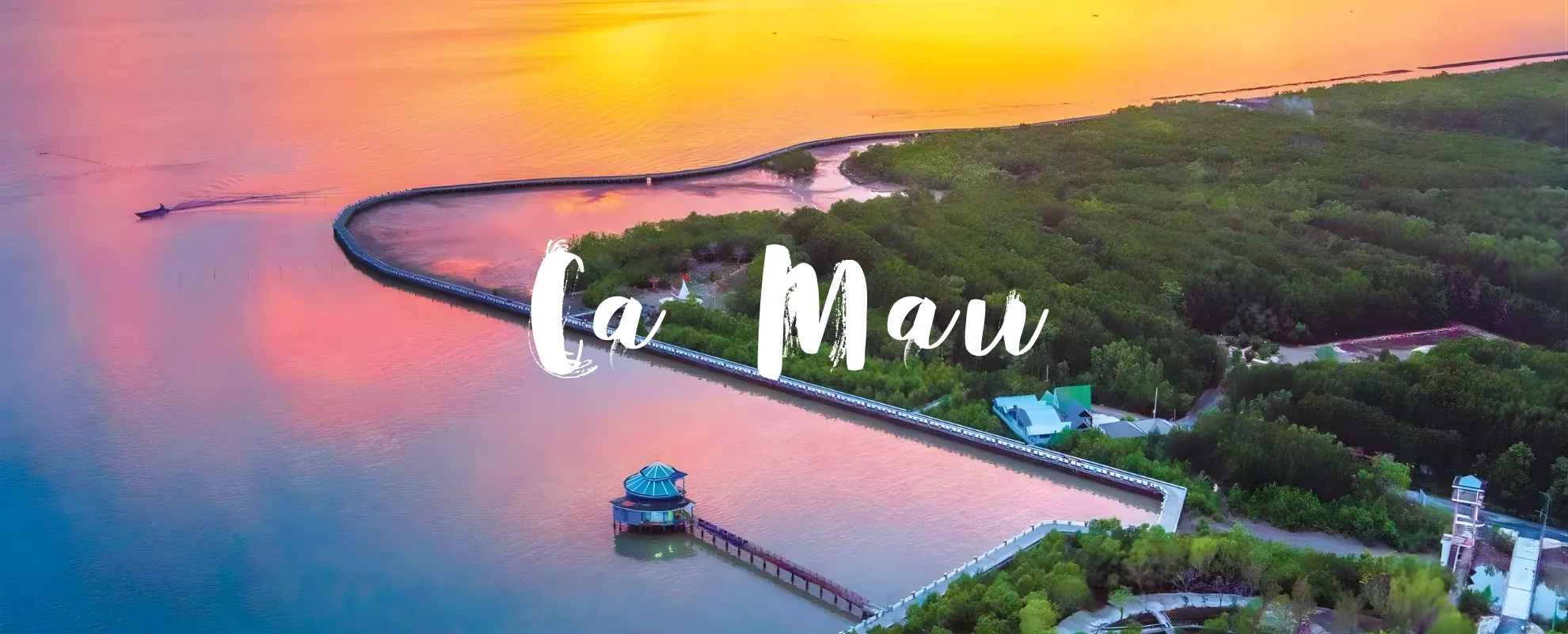
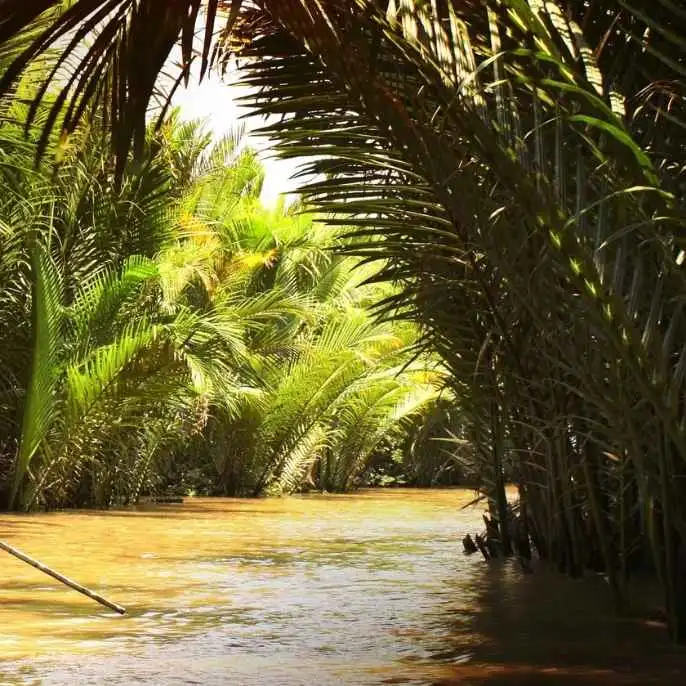
Ca Mau sits at the very end of Vietnam. This remote province at the southernmost tip of the country is where the land runs out and the sea takes over on three sides. Its name comes from the Khmer word for “black water,” a reference to the dark, tannin-rich rivers that flow through its vast mangrove forests. Those forests are the heart of Ca Mau. They cover the coastline, shelter rare wildlife, and define a way of life built entirely around the water. This is not a destination for beach resorts or busy tourist strips. It is a place for travellers who want something genuinely off the beaten track. Come with curiosity and an open schedule, and Ca Mau will reward you generously.
Top things to do in Ca Mau
Stand at the Southernmost Point of Vietnam
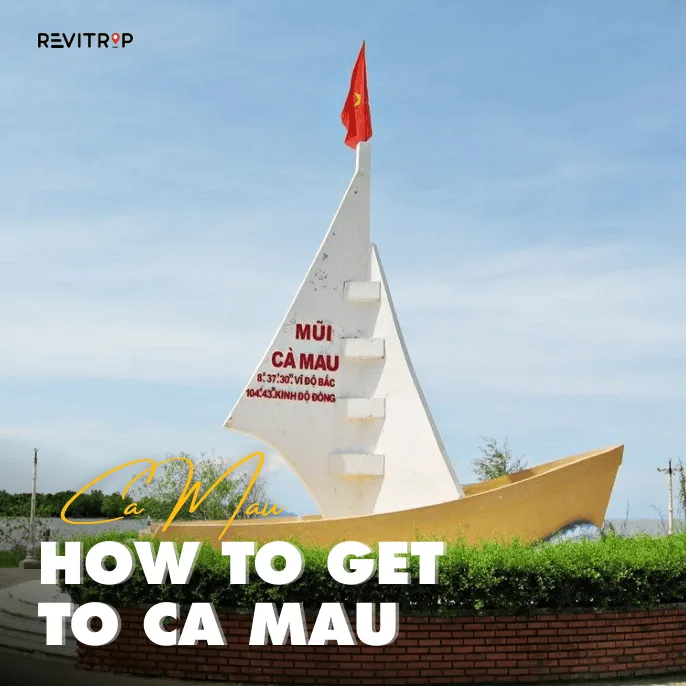
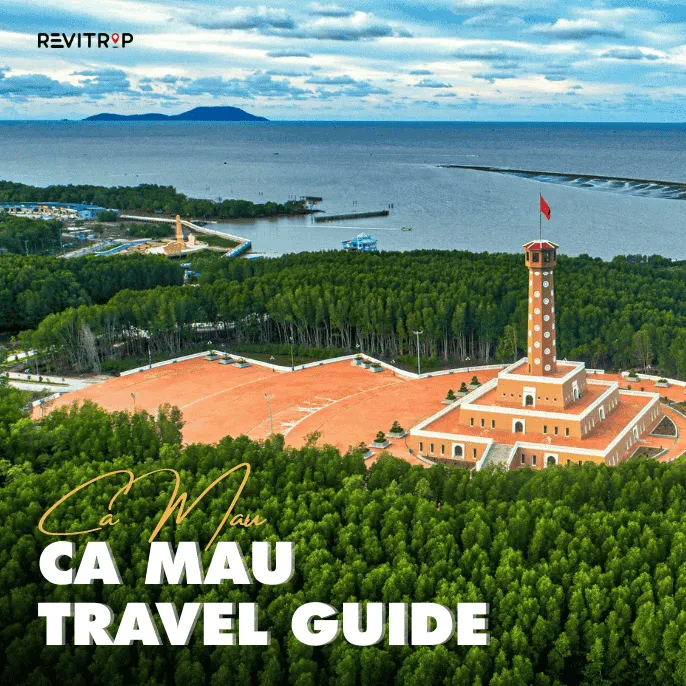
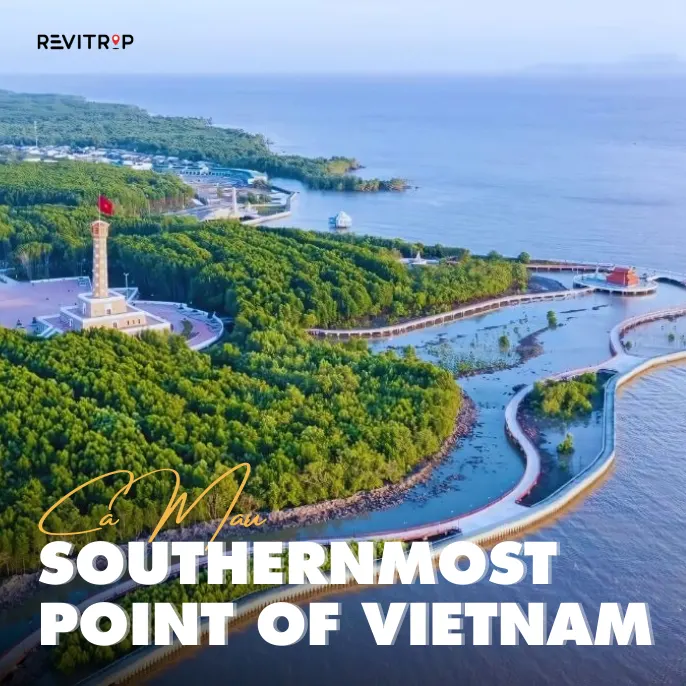
Ca Mau Cape is the most symbolic destination in the province. It marks the very tip of Vietnam’s S-shaped coastline and is the only place in the country where you can watch the sun rise over the East Sea and set over the Gulf of Thailand from the same spot. A tall observation tower rises above the surrounding mangroves, and a small cultural park nearby tells the story of this remote corner of the country. For many Vietnamese visitors, reaching the cape is a deeply meaningful pilgrimage.
Explore Ca Mau Cape National Park by Boat
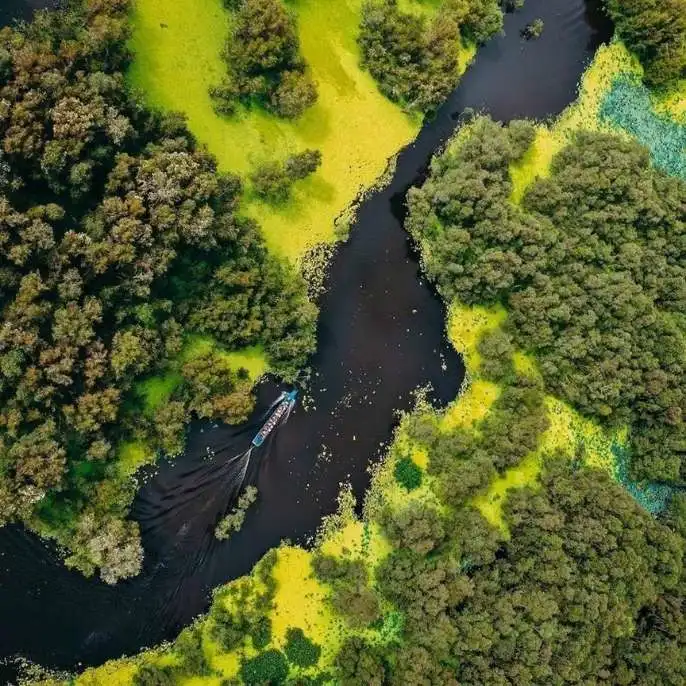
Covering over 41,000 hectares, Ca Mau Cape National Park contains Vietnam’s largest stretch of mangrove forest. It is also one of the most important biosphere reserves in Southeast Asia. The only way to explore it properly is by boat. Narrow waterways wind through dense mangrove canopy, past fishing platforms and bird roosts, in a landscape that feels completely untouched. Rangers and local guides lead tours through the park, pointing out the remarkable diversity of flora and fauna along the way.
Trek Through U Minh Ha National Park
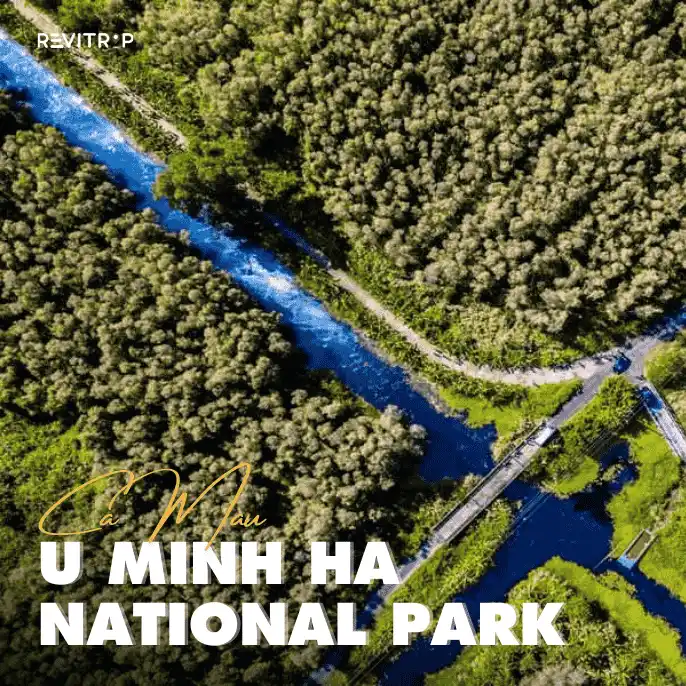
U Minh Ha is a different kind of wilderness entirely. This vast cajuput forest in the north of the province is home to one of the most biodiverse freshwater ecosystems in the Mekong Delta. Trails and waterways lead through the forest, past honey bee colonies, fish-filled reservoirs, and ancient cajuput trees. The park is particularly rewarding during the dry season, when water levels drop and wildlife concentrates around the remaining pools and channels.
Visit the Ganh Hao Floating Market
Ca Mau’s floating market on the Ganh Hao River is a quieter and more authentic alternative to the famous markets further north in Can Tho. Boats gather in the early morning, loaded with fresh produce, seafood, and daily goods. The pace is slower here and the crowds are thinner. It gives a genuine sense of how riverside trade has sustained communities in this part of the delta for generations. Go before sunrise for the most atmospheric experience.
Spot Rare Birds at Dam Doi Bird Sanctuary
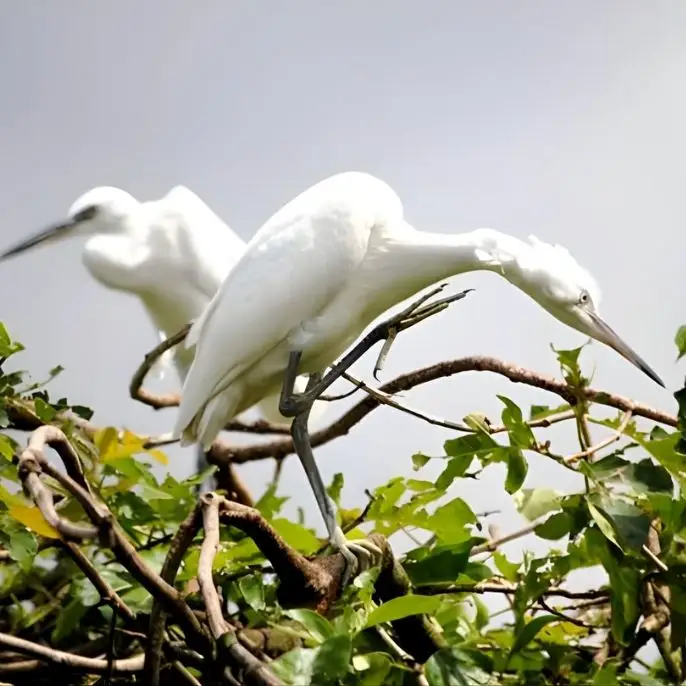
The bird sanctuaries of Ca Mau are among the finest in southern Vietnam. Dam Doi is home to over 116 species, including storks, herons, and other wetland birds that roost in huge numbers among the mangroves. Early morning visits offer the best sightings, when the birds are most active and the light is at its most beautiful. The surrounding landscape of fields, waterways, and forest makes the visit rewarding even beyond the birdwatching itself.
Eat the Seafood of the Southern Coast
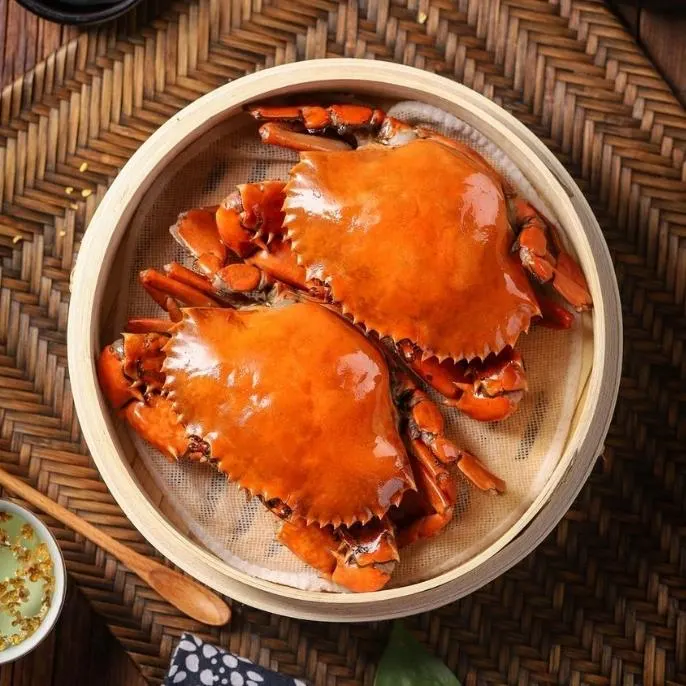
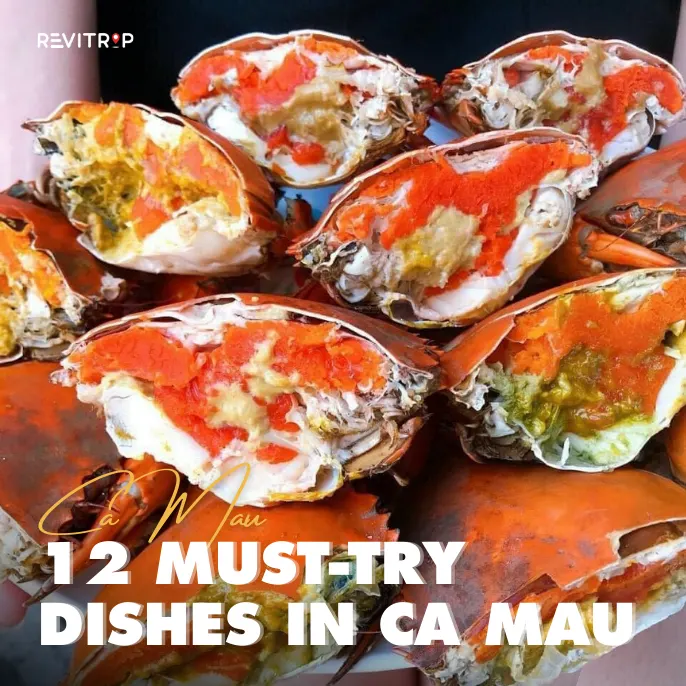
Ca Mau’s cuisine is shaped by its geography. Three coastlines and a network of rivers and canals produce an extraordinary abundance of seafood. Grilled snakehead fish, salted fried crab, grilled clams with salt and pepper, and fresh shrimp dishes are the staples of the local table. Much of what you eat here will have been caught that morning within a few kilometres of where you are sitting. For the freshest and most authentic experience, eat at small riverside restaurants rather than hotel dining rooms.
Ca Mau Weather
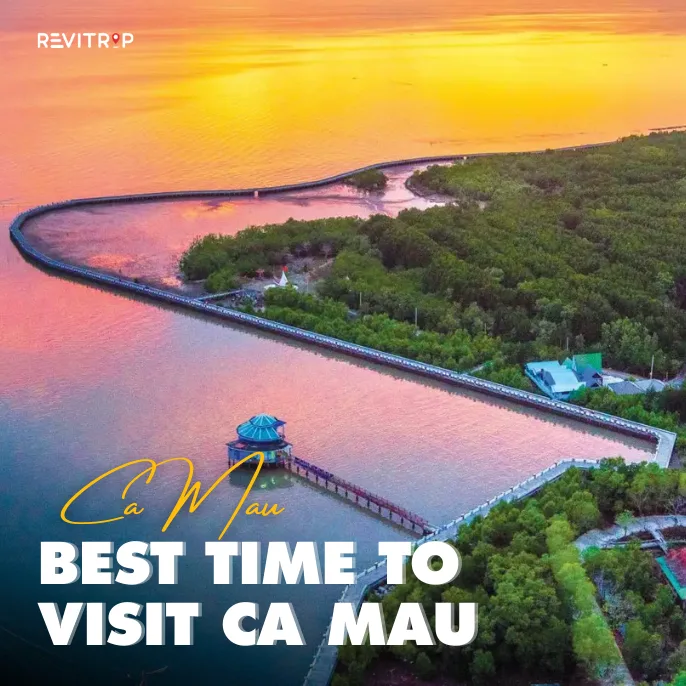
Ca Mau has a tropical climate with two clear seasons. The dry season runs from December to April, bringing sunny days, lower humidity, and ideal conditions for exploring the national parks and waterways. This is the best time to visit. The rainy season runs from May to November. Heavy rain falls regularly during this period and can affect road and river access in more remote areas. However, the wet months bring their own rewards. Forests are lush, seafood is abundant, and the waterways are full. Temperatures stay warm year-round, averaging around 26 to 27 degrees Celsius.
Ca Mau Transport
Ca Mau has a small domestic airport with direct flights from Ho Chi Minh City. The flight takes around one hour. By road, the journey from Ho Chi Minh City takes seven to eight hours by sleeper bus, passing through Can Tho and several other Mekong Delta provinces along the way. Once in the province, motorbikes are the most practical way to explore the city and surrounding areas. Boats are essential for reaching the national parks, floating markets, and more remote parts of the coastline. Most boat tours can be arranged through guesthouses or local operators in Ca Mau city.
Gallery
You may also like


Nearby places