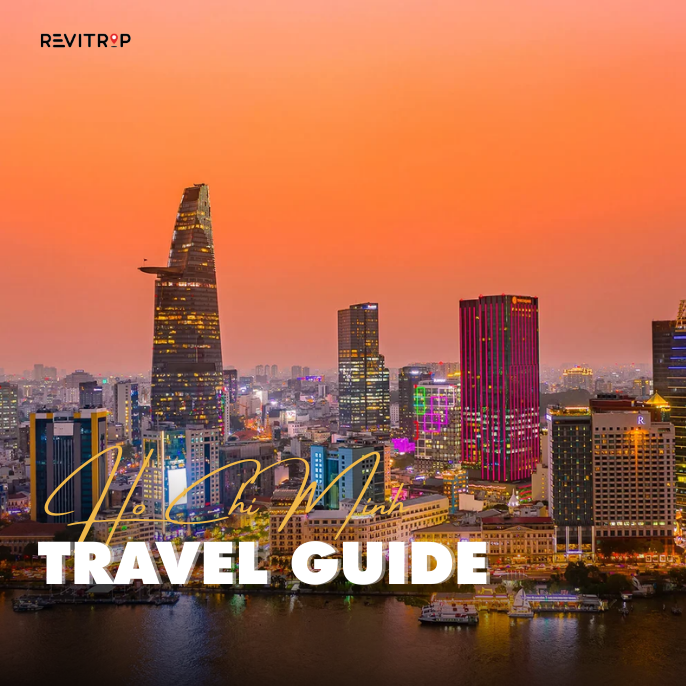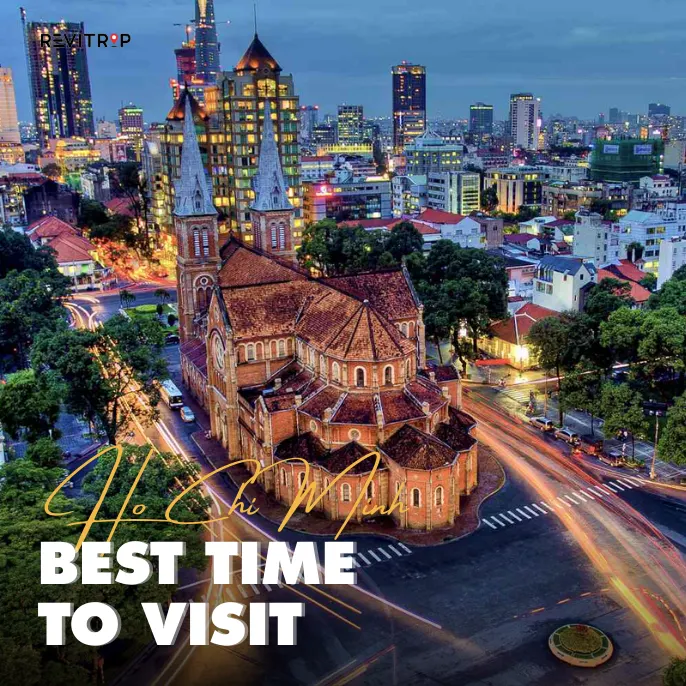
Best time to visit Ho Chi Minh City falls during the dry season from December through April when minimal rainfall and comfortable temperatures create ideal sightseeing conditions. Understanding Ho Chi Minh City’s two-season tropical climate helps travelers plan trips maximizing enjoyment while avoiding weather complications.
Unlike temperate regions experiencing four distinct seasons, Ho Chi Minh City weather alternates between dry and monsoon periods creating dramatically different travel experiences. The dry season delivers consistently pleasant conditions while monsoon season brings heavy rainfall, high humidity, and occasional flooding.
This comprehensive guide covers optimal visiting times for Ho Chi Minh City including seasonal characteristics, weather patterns, budget considerations, and month-by-month recommendations. Understanding climate variations ensures proper planning whether prioritizing weather perfection or budget savings.
Vietnam’s largest city welcomes visitors year-round though choosing appropriate seasons dramatically affects trip quality. Weather significantly impacts outdoor activities, transportation, and overall comfort levels.
Dry Season Advantages
December to February Peak Period
The best time to visit Ho Chi Minh City spans December through February when cooler temperatures and minimal rainfall create perfect conditions. This peak season attracts maximum tourists though weather quality justifies crowds and premium pricing.
December brings the coolest temperatures making this month particularly pleasant for walking tours and outdoor exploration. The festive atmosphere surrounding Christmas and New Year adds entertainment options and holiday charm.
January and February coincide with Vietnamese Lunar New Year (Tet) creating unique cultural experiences. The festive decorations, special foods, and traditional celebrations provide authentic cultural immersion unavailable during other months. However, many businesses close for extended periods requiring advance planning.
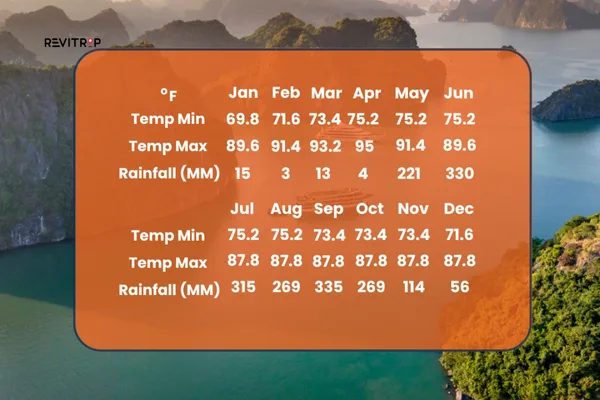
Temperatures during these months range 25-30°C (77-86°F) with low humidity creating comfortable conditions. Nights and early mornings feel slightly cool requiring light jackets or sweaters. The pleasant weather encourages extended walking tours exploring historic districts and outdoor markets.
March to April Hot Season
Late dry season from March to April maintains minimal rainfall though temperatures climb significantly. April typically records the year’s highest temperatures around 33°C (91°F) creating intense midday heat.
These months suit travelers unbothered by heat who plan indoor activities during peak afternoon temperatures. Morning and evening sightseeing remains comfortable while air-conditioned museums, shopping malls, and cafes provide midday relief.
The extremely low rainfall ensures outdoor plans proceed without weather interruptions. Beach trips to nearby Vung Tau or Can Tho excursions face minimal cancellation risks. The predictable weather simplifies itinerary planning.
Booking Tours to Ho Chi Minh City provides activities and cultural experiences.
Monsoon Season Considerations
May to August Early Monsoon
The monsoon season runs May through November bringing regular afternoon and evening rainfall. Early monsoon (May-August) experiences fewer severe storms than later months making this period relatively manageable for budget travelers.
May through mid-August offers the best time to visit Ho Chi Minh City on budgets when flight and accommodation prices drop significantly. Domestic flights show substantial discounts while hotels reduce rates attracting price-conscious travelers.
Daily rain patterns typically concentrate in late afternoons and evenings. Mornings often remain dry allowing sightseeing before rains arrive. The brief intense showers clear quickly rather than lingering all day. Plan indoor activities for afternoons maximizing dry morning hours.
Humidity reaches approximately 83% creating muggy uncomfortable conditions. Lightweight breathable clothing and frequent air-conditioned breaks prove essential. The reduced tourist crowds allow exploring popular sites without overwhelming masses.
September to November Late Monsoon
Late monsoon from September through November brings the heaviest rainfall and highest flood risks. October and November mark transitions toward dry season showing gradually decreasing precipitation.
These shoulder months present mixed conditions with unpredictable weather patterns. Some days deliver perfect sunny weather while others bring heavy sustained rainfall. Flexible itineraries accommodate weather-dependent plan changes.
November particularly shows improvement over earlier monsoon months with more stable conditions and fewer tourists. The decreased rainfall makes November reasonable visiting time for those accepting occasional showers. Accommodation and flight prices remain below peak season though higher than mid-monsoon levels.
Monthly Breakdown
December Through February
December delivers the best time to visit Ho Chi Minh City combining pleasant temperatures with festive atmospheres. The month experiences fascinating daily weather variations with cool nights, spring-like mornings, and warm afternoons creating diverse micro-seasons.
January maintains excellent conditions though Tet preparations increase activity and prices. Many Vietnamese return to Ho Chi Minh City creating crowded transportation and booked accommodations. Book well ahead for January travel.
February extends ideal weather as Tet celebrations conclude. Post-holiday periods show reduced domestic tourism though international visitors remain abundant. The continuing dry pleasant conditions justify visiting despite crowds.
March and April
March transitions toward hotter conditions though rainfall remains minimal. Temperatures climb making midday outdoor activities uncomfortable. Focus morning and evening hours for walking tours and outdoor markets.
April peaks as the year’s hottest month requiring heat management strategies. Avoid noon outdoor exposure preventing heatstroke and exhaustion. The low precipitation guarantees plan reliability despite uncomfortable temperatures.
May Through August
May begins monsoon season with increasing rainfall though still manageable for budget travelers. Flight discounts appear while hotel rates drop significantly. Accept afternoon rain risks for substantial savings.
June and July continue wet patterns with regular afternoon thunderstorms. The reduced tourist numbers create peaceful sightseeing experiences. Cultural sites like Notre Dame Cathedral, Bitexco Tower, and museums accommodate rainy day activities.
August shows similar patterns maintaining budget advantages. The decreased visitor numbers mean shorter lines and better service at restaurants and attractions.
Budget Travel Strategies
Low Season Advantages
Monsoon season travel reduces costs by 30-50% compared to peak dry season pricing. Flights show the most dramatic discounts while accommodations negotiate freely given low occupancy.
The fewer tourists create relaxed atmospheres at major attractions. Popular sites like Ben Thanh Market and War Remnants Museum feel less crowded allowing thorough unhurried exploration.
Rainy weather creates perfect settings for Vietnamese comfort foods. Steaming bowls of bun mam, bun bo Hue, and bun rieu taste particularly delicious during afternoon downpours. The culinary experiences justify occasional weather inconveniences.
Booking Strategies
Monitor airline promotional periods especially during May through August when carriers discount Ho Chi Minh City routes attracting passengers. Flexible dates reveal the cheapest options when prices fluctuate significantly.
Book accommodations directly with hotels negotiating rates during low seasons. Many properties offer substantial discounts rather than maintaining empty rooms. Email directly requesting best available rates.
Audio Guide for comprehensive Ho Chi Minh City cultural and historical information.
Practical Planning Tips
What to Pack
Dry season visitors pack lightweight clothing, sun protection, and light evening layers. December and January require light jackets for cool mornings and evenings. Comfortable walking shoes suit extensive urban exploration.
Monsoon season demands rain gear including compact umbrellas and waterproof bags protecting electronics. Quick-dry clothing suits humid conditions and unexpected downpours. Waterproof phone cases prevent damage during sudden storms.
Activities by Season
Dry season optimizes outdoor activities including walking tours, river cruises, and day trips to Mekong Delta or Cu Chi Tunnels. The reliable weather ensures plans proceed smoothly without cancellations.
Monsoon season suits cultural attractions, museums, and covered markets. The French colonial architecture tour, museums, and indoor shopping centers provide rainy day alternatives. Coffee shop culture thrives year-round offering atmospheric refuges during downpours.
Booking private transport ensures comfortable travel throughout Ho Chi Minh City.
Plan Your Perfect Visit
Understanding the best time to visit Ho Chi Minh City depends on balancing weather preferences against budget constraints. Dry season December through April delivers optimal conditions though premium pricing accompanies pleasant weather. Monsoon season offers significant savings for those accepting occasional rain.
The peak months December through February combine excellent weather with cultural festivals creating memorable experiences. March and April maintain dry conditions despite increasing heat. Budget travelers find value in May through August when prices plummet though afternoon rains become routine.
Successful trips require matching personal priorities with seasonal characteristics. Weather-sensitive travelers choose dry season while budget-conscious visitors embrace monsoon months. Flexible shoulder seasons October and November balance both considerations.
Continue planning with guides to Ho Chi Minh street food, Vietnam transport, and getting to Vietnam for complete preparation.
FAQ
December through February represents the best time to visit Ho Chi Minh City offering pleasant temperatures (25-30°C), minimal rainfall, and comfortable humidity. January particularly delivers unique Tet festival experiences though many businesses close for holidays.
Yes, monsoon season (May-November) offers substantial budget advantages with 30-50% lower costs on flights and accommodations. Brief afternoon rains clear quickly while reduced crowds create peaceful sightseeing though unpredictable weather requires flexible planning.
Ho Chi Minh City experiences tropical climate with two seasons: dry (December-April) featuring minimal rain and comfortable temperatures, and monsoon (May-November) bringing regular afternoon showers and 83% humidity. No traditional four-season patterns exist.