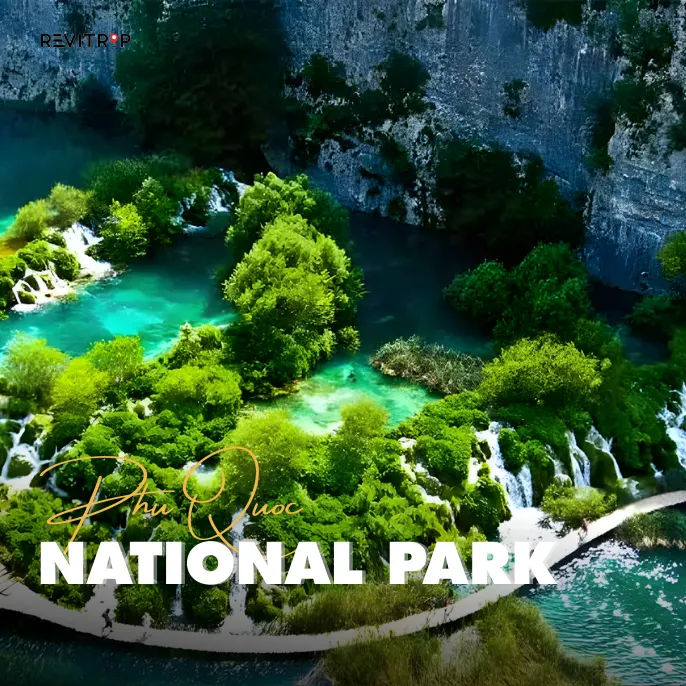
Phu Quoc National Park represents one of Vietnam’s most important biodiversity hotspots covering 314.2 square kilometers across northeastern Phu Quoc Island. The protected area preserves pristine primary forests, rare wildlife, cascading waterfalls, and mountain ecosystems creating exceptional eco-tourism destinations for nature enthusiasts.
Located approximately 13 kilometers northeast of Duong Dong town, Phu Quoc National Park encompasses diverse terrain including mountains, forests, streams, and coastal areas. Free entrance allows visitors exploring this natural wonderland without admission costs though some specific areas like Tranh Stream charge small service fees.
This comprehensive guide covers everything about Phu Quoc National Park including location, biodiversity, trekking opportunities, waterfalls, wildlife viewing, and practical visiting tips. Understanding what to expect helps nature lovers plan memorable eco-tourism adventures.
The park’s establishment as a national conservation area protects endangered species while providing sustainable tourism supporting local communities. Responsible visiting ensures these natural treasures remain preserved for future generations.
Location and Access
Park Geography
Phu Quoc National Park spreads across multiple communes including Bai Thom, Ganh Dau, Cua Can, portions of Cua Duong, Ham Ninh, Duong To, and Duong Dong. The park encompasses Ham Rong mountain range and the North Island Nature Reserve creating comprehensive protected zones.
The park divides into three management zones: strict protection areas (off-limits to tourists), ecological restoration zones, and service-administration zones where visitors access designated trails and facilities. This zoning balances conservation with sustainable tourism.
Major landmarks include Mount Chua (603 meters elevation), various waterfalls including Tranh Stream and Da Ban Stream, and extensive primary forest ecosystems. The diverse topography creates multiple microhabitats supporting rich biodiversity.
Getting There
From Duong Dong, follow Nguyen Trung Truc Street watching for park directional signs. At the Duong Dong-Bai Thom junction, turn right continuing approximately 6 kilometers reaching the park entrance. Motorbike rentals provide independent access while taxis serve those uncomfortable riding.
Park visitors secure motorbikes at entrance gates then walk approximately 8 kilometers along dirt roads reaching primary forest areas. The walking access prevents vehicle damage to delicate ecosystems while providing peaceful nature immersion.
Plan 3-4 hours minimum for basic park exploration though full-day visits allow deeper forest penetration and multiple waterfall stops. Bring sufficient water and snacks as no food services operate within park boundaries.
Booking Tours to Phu Quoc provides guided eco-tours and nature experiences.
Biodiversity and Wildlife
Flora Diversity
The Phu Quoc National Park primary forests contain multi-layered vegetation including valuable hardwood species like chestnut, oil trees, melaleuca, and ven ven. The undisturbed forest structure supports complex ecosystems rare in heavily developed regions.
Thousands of orchid species including slipper orchids and mountain orchids bloom throughout the park creating spectacular seasonal displays. Medicinal plants including Polygonum multiflorum, longan, and licorice grow wild providing traditional medicine sources.
Parasitic species like ferns and white flowering vines attach to host trees creating intricate ecological relationships. The botanical diversity attracts researchers and nature photographers documenting rare specimens.
Fauna Populations
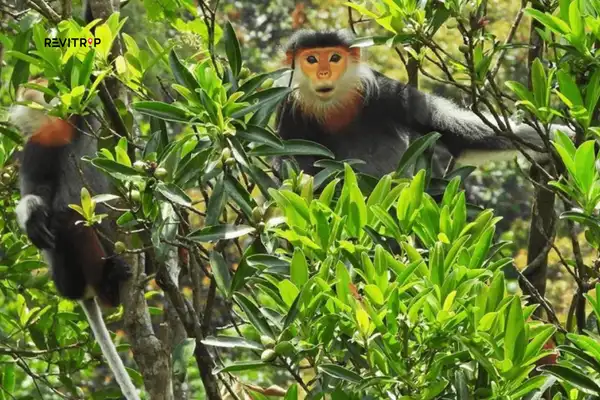
The park shelters approximately 30 mammal species, 50 reptile species, and 200 bird species including several endangered animals listed in Vietnam’s Red Book. Five mammal species, 9 reptile species, and 4 bird species receive special protection status.
Marine ecosystems surrounding the park support 20 soft coral species, 100 hard coral species, and 62 seaweed varieties alongside diverse fish populations. The terrestrial-marine interface creates unique habitat transitions.
Wildlife viewing requires patience and early morning or late afternoon timing when animals feed most actively. Maintain quiet respectful distances avoiding disturbance to protected species. Photography enthusiasts capture rare wildlife moments with telephoto lenses.
Trekking and Hiking
Mount Chua Summit Trek
Conquering Mount Chua represents the ultimate Phu Quoc National Park challenge for adventurous hikers. Nicknamed “Phu Quoc’s rooftop,” this 603-meter peak in the Ham Ninh range requires significant fitness and determination reaching.
The winding trail proves steep and challenging though incredible scenery rewards efforts. Primary forest views, distant ocean vistas, and mountain panoramas create memorable experiences. Summit views encompass the entire northern island revealing the park’s vast scale.
Allow 4-6 hours round-trip depending on fitness levels and photography stops. Start early morning avoiding midday heat and afternoon rain risks. Proper hiking boots, sufficient water, and sun protection prove essential for safe summit attempts.
Forest Trail Networks
Multiple marked trails traverse Phu Quoc National Park accommodating different fitness levels and interests. Shorter 2-3 kilometer loops introduce park ecosystems while longer 8-10 kilometer routes penetrate deep primary forests.
Trail conditions vary from maintained paths to rugged wilderness routes requiring navigation skills. Hiring local guides ensures safe passage while providing ecological insights and wildlife spotting expertise. Solo hikers should inform others of plans and expected return times.
The trails reveal changing ecosystems from coastal mangroves through lowland forests to mountain ridges. Each elevation zone supports distinct plant and animal communities creating diverse observation opportunities.
Waterfalls and Streams
Tranh Stream
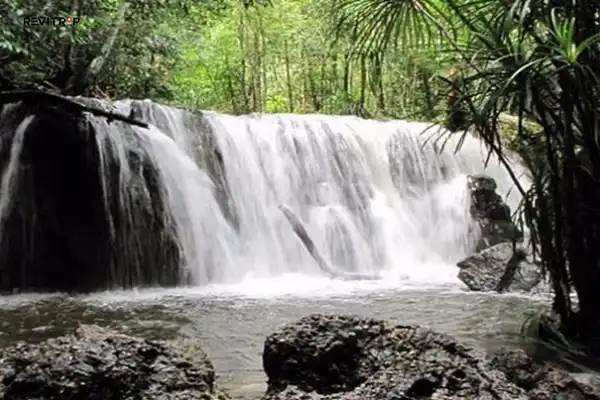
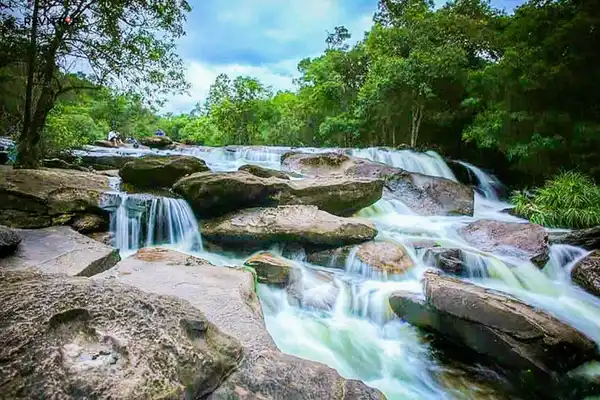
Tranh Stream represents the most accessible Phu Quoc National Park waterfall attracting visitors year-round. The multi-tiered cascade creates natural pools perfect for swimming and relaxation. Surrounding primary forest provides shade and scenic beauty.
The stream flows strongest during rainy season (May-October) when water volume peaks. Dry season (November-April) shows reduced flow though pools remain swimmable. The year-round accessibility makes Tranh Stream popular despite seasonal variations.
Small entrance fees (approximately 10,000-20,000 VND) support trail maintenance and facility upkeep. Basic amenities including changing areas and waste bins operate near the main pools. Pack out all trash maintaining pristine conditions.
Da Ban and Da Ngon Streams
These lesser-known streams offer quieter alternatives to crowded Tranh Stream. Da Ban Stream features smooth rock formations creating natural slides and bathing areas. Da Ngon Stream showcases boulder gardens and clear pools.
Accessing these remote streams requires longer hikes through primary forest rewarding adventurous visitors with peaceful natural settings. The isolation ensures wildlife encounters and undisturbed nature appreciation.
Listen for bird calls, watch for wildlife tracks, and observe forest dynamics during stream approaches. The journey proves as rewarding as destinations revealing park ecosystems in intimate detail.
Seasonal Highlights
Flower Blooming Periods
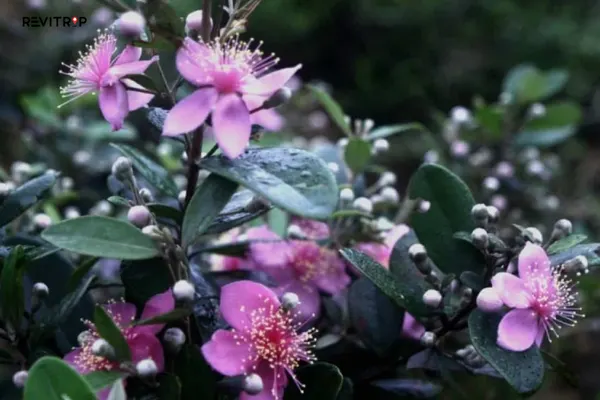
Purple sim berries bloom March through June transforming forests into purple wonderlands. The delicate flowers attract pollinators creating active wildlife viewing opportunities. Photography enthusiasts capture stunning purple landscapes during peak blooming.
Red begonia flowers appear along streams and forest edges adding color contrast. The seasonal blooming patterns ensure year-round floral interest though spring delivers maximum diversity and abundance.
Time visits coinciding with preferred flower species maximizing photography and nature appreciation. Local guides identify blooming patterns predicting optimal viewing windows.
Wildlife Activity Seasons
Dry season (November-April) concentrates wildlife around remaining water sources increasing observation chances. Animals visit streams and pools during early mornings and late afternoons creating predictable viewing opportunities.
Rainy season disperses wildlife throughout abundant water sources though lush vegetation obscures sightings. Bird migrations peak during transitional months (April-May, September-October) when species numbers surge.
Practical Visiting Information
What to Bring
Wear sturdy hiking boots or athletic shoes with good traction navigating uneven forest trails. Comfortable moisture-wicking clothing suits humid tropical conditions. Long pants and long sleeves protect against insects and vegetation scratches.
Pack insect repellent, sunscreen, hats, and rain jackets preparing for variable conditions. Bring sufficient water (2+ liters per person) as no potable sources exist within the park. Light snacks maintain energy during extended hikes.
First aid kits, fire starters, and emergency supplies prove prudent for remote trekking. Mobile phone coverage varies throughout the park so inform others of plans before entering.
Best Visiting Times
The optimal Phu Quoc National Park visiting window runs November through April when dry weather facilitates safe hiking. Reduced rainfall improves trail conditions though stream flows diminish.
Early morning visits (6:00-9:00 AM) offer coolest temperatures and active wildlife. Late afternoon timing (3:00-6:00 PM) catches evening animal activity and avoids midday heat. Avoid rainy season unless specifically seeking lush conditions and full waterfalls.
Safety Considerations
Stay on marked trails preventing habitat damage and reducing getting-lost risks. Inform park rangers or accommodation staff of trekking plans including expected return times. Solo hiking increases risks though provides solitude for nature contemplation.
Watch for venomous snakes, leeches, and stinging insects common in tropical forests. Avoid touching unknown plants and inspect clothing regularly removing leeches before they attach. Rapid weather changes require monitoring especially during transitional seasons.
Booking private transport ensures comfortable travel to Phu Quoc National Park.
Nearby Attractions
Hon Mot Island
Located just 20 minutes from Phu Quoc National Park, Hon Mot preserves pristine beauty and primary forest ecosystems. The small island offers additional trekking and beach exploration complementing park visits.
Ganh Dau Cape
This northwestern cape sits approximately 30 kilometers from the park entrance showcasing dramatic coastal scenery. The rocky shores, sunset views, and fishing village atmosphere provide cultural contrasts to forest experiences.
VinWonders Phu Quoc
Combine nature exploration with entertainment at VinWonders theme park featuring rides, shows, and attractions. The contrast between wilderness and modern amusement creates balanced vacation experiences appealing to diverse travel groups.
Explore Natural Paradise
Phu Quoc National Park delivers exceptional eco-tourism experiences combining biodiversity, adventure activities, and pristine natural beauty. The primary forests, rare wildlife, cascading waterfalls, and mountain ecosystems create unforgettable nature immersion.
Proper preparation including appropriate clothing, sufficient supplies, and realistic fitness assessment ensures safe enjoyable visits. Respecting conservation regulations and maintaining Leave No Trace principles preserves these natural treasures for future generations.
Continue planning with guides to Phu Quoc beaches, island activities, and accommodation options for complete trip preparation.
FAQ
Phu Quoc National Park occupies northeastern Phu Quoc Island approximately 13 kilometers from Duong Dong town. The 314.2-square-kilometer protected area encompasses multiple communes including Bai Thom, Ganh Dau, and portions of Cua Duong preserving primary forests and biodiversity.
Visit during dry season November through April when weather facilitates safe hiking and trekking. Although waterfalls show reduced flow, dry conditions improve trail access and wildlife viewing opportunities around remaining water sources.
Most park areas offer free entrance though specific developed areas like Tranh Stream waterfall charge small service fees (10,000-20,000 VND). The minimal costs support trail maintenance and facility operations while keeping nature access affordable.