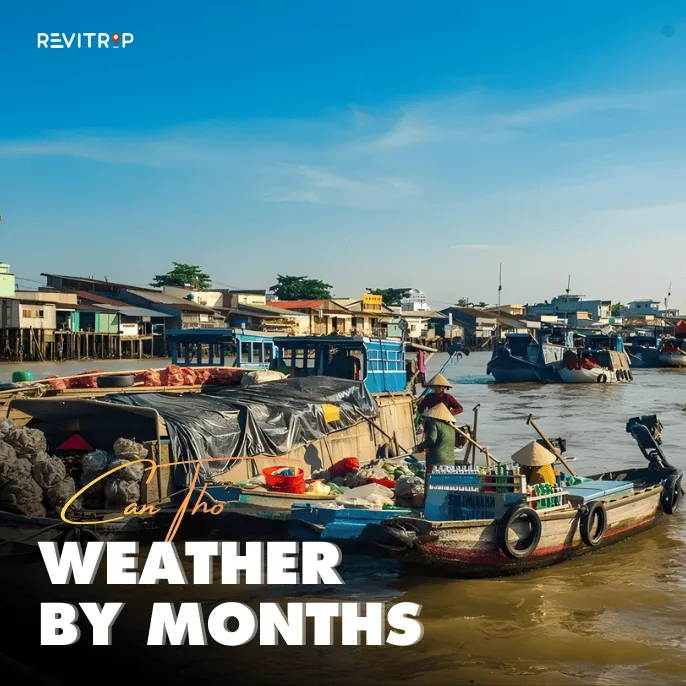
Can Tho sits in the heart of the Mekong Delta with a tropical monsoon climate. It is warm all year round, averaging 26°C to 29°C depending on the month.
There is no winter. There is no spring in the European sense. Instead, Can Tho weather runs on two seasons: a dry season from December to April, and a wet season from May to November.
Understanding which season you are traveling in shapes everything: what to wear, what to pack, how to plan boat trips on the Mekong, and whether the floating markets will be at their best.
Bottom line: The best time to visit Can Tho is December to February. Temperatures are comfortable, humidity is low, and the skies are clear. If you cannot travel in those months, November and March are solid alternatives. Listen to the Can Tho audio guide while you explore the delta by boat.”
Quick Facts: Can Tho Climate
- Climate type: Tropical monsoon
- Dry season: December to April
- Wet season: May to November
- Hottest month: April (average 29°C, max up to 35°C)
- Coolest month: January (average 26°C, min around 21°C)
- Wettest month: August (average 300mm rainfall, 18 rainy days)
- Annual sunshine: Around 2,400 hours per year
- Humidity: 78% to 84% year-round
Can Tho Weather by Season
Dry Season: December to April
The dry season is the best time to visit Can Tho for most travelers. Humidity drops to around 78 to 80 percent. Skies are mostly clear with 5 to 6 hours of sunshine per day. Temperatures sit between 24°C and 34°C depending on the month, with April being the warmest end of this range.
December, January, and February are the most comfortable months. The heat is present but manageable, especially in the early morning and evening.
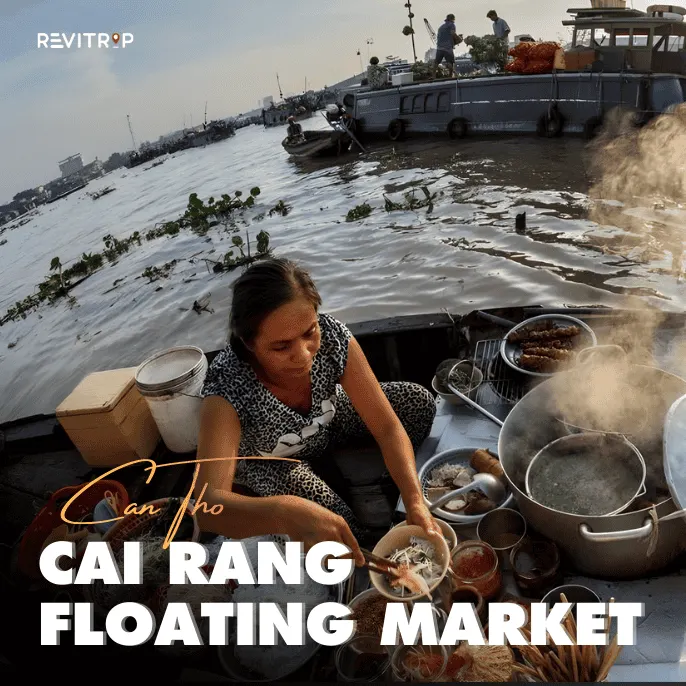
This is when Cai Rang Floating Market is busiest and most photogenic. Boat tours run in steady, predictable conditions. River visibility is at its clearest.
March begins a gradual warming trend. By April, temperatures peak at up to 35°C and humidity starts to rise again. April is still technically dry season but it does not feel as comfortable as the earlier months.
Worth visiting if: You want the best weather and full access to outdoor activities and river tours.

Wet Season: May to November
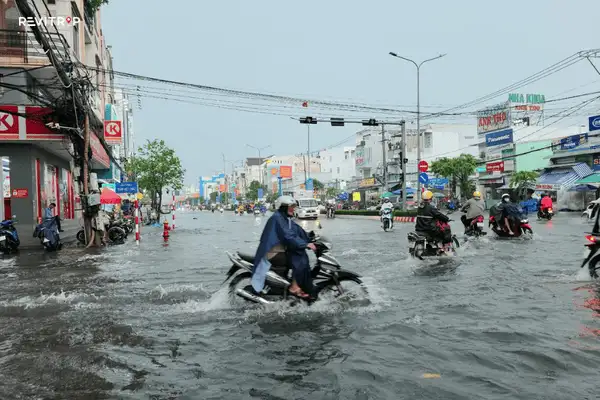
Can Tho weather in the wet season brings daily rain, high humidity, and occasional flooding in low-lying areas near the river. Temperatures stay warm at 27°C to 28°C on average, but the humidity makes it feel significantly hotter.
July, August, and September are the wettest months. August records an average of 300mm of rainfall across 18 rainy days. Flooding is possible in parts of the city during this period. Outdoor activities and boat tours still operate, but you need to plan around the rain and accept that conditions will be less predictable.
The wet season is not without appeal. The Mekong landscape turns intensely green. The delta’s fruit orchards are very productive. Longans, mangosteens, rambutans, and durians are in season from June to August.
Tourist numbers drop significantly, which means fewer crowds at the floating markets and lower prices on accommodation.
October and November are a transition back to the dry season. Rainfall decreases gradually. Humidity comes down. By mid-November, conditions start to feel noticeably more comfortable.
Worth visiting if: You accept rain as part of the experience, want to see the lushest version of the delta, or are traveling on a tighter budget.
Can Tho Weather by Month: Quick Reference
| Month | Avg Temp | Max Temp | Rainfall (mm) | Rainy Days | Season |
|---|---|---|---|---|---|
| January | 26°C | 31°C | 7 | 1 | Dry |
| February | 27°C | 32°C | 7 | 1 | Dry |
| March | 28°C | 33°C | 18 | 2 | Dry |
| April | 29°C | 34°C | 60 | 5 | Dry (hot) |
| May | 28°C | 33°C | 188 | 13 | Wet |
| June | 28°C | 32°C | 259 | 17 | Wet |
| July | 27°C | 31°C | 239 | 16 | Wet |
| August | 27°C | 31°C | 300 | 18 | Wet (peak rain) |
| September | 27°C | 31°C | 270 | 17 | Wet |
| October | 27°C | 32°C | 155 | 11 | Transitional |
| November | 27°C | 31°C | 77 | 6 | Transitional |
| December | 26°C | 30°C | 17 | 2 | Dry |
Best and Worst Months Explained
Best months overall: December, January, February. The combination of low rainfall, lower humidity, comfortable temperatures, and maximum sunshine hours makes these the easiest months to visit Can Tho. The Cai Rang Floating Market is fully operational and the river conditions are ideal for boat tours.
Best month for fruit: July and August. The delta’s orchards are producing at full capacity. If sampling fresh tropical fruit directly from farms and floating markets is a priority, the wet season delivers the widest selection.
Best month for fewer crowds: June to September. Tourist numbers are at their lowest. Prices on guesthouses and tours drop noticeably. The floating markets feel more local and less staged.
Avoid if possible: April. The hottest month in Can Tho, with temperatures approaching 35°C and rising humidity. Still technically dry season but not pleasant for extended outdoor activity in the midday heat.
Avoid if possible: August. The wettest and most disrupted month. Flooding is possible and some boat tours operate on reduced schedules.
What to Pack for Can Tho
Can Tho weather is hot and humid regardless of the season. Pack accordingly.
For the dry season (December to April): Light, breathable cotton or linen clothing. Sunscreen with high SPF. A hat for outdoor time between 10am and 3pm.
A light layer for air-conditioned restaurants and transport. Rain gear is rarely needed but a foldable umbrella does not hurt.
For the wet season (May to November): Everything above, plus a compact waterproof jacket or poncho. Waterproof sandals or shoes that dry quickly. A dry bag for cameras and phones during boat tours. Insect repellent is more important in the wet season.
Planning Your Visit Around Can Tho Weather
Cai Rang Floating Market: The market operates daily but is most active between 5am and 8am. Can Tho weather in the dry season gives you the clearest morning conditions for this trip. Arrive by boat from Ninh Kieu Wharf before 6am for the best experience regardless of season. Book a ride to Ninh Kieu Wharf the night before so you are not scrambling at 5am.
Boat tours: Run year-round. In the wet season, check conditions the morning of your tour. Heavy overnight rain can affect river visibility and some tour operators adjust routes accordingly. Book a Mekong Delta boat tour from Can Tho] in advance to secure early morning slots at Cai Rang.
Cycling: The countryside around Can Tho is largely flat and well-suited for cycling. Dry season is significantly more comfortable. Wet season cycling is possible in the mornings before rain typically arrives in the afternoon.
Can Tho International Trade Fair: Held in December annually. Worth planning around if you are in the city during the dry season opener.
Is Can Tho Worth Visiting in the Wet Season?
Yes, with realistic expectations. Can Tho weather during the wet season means daily rain, usually arriving in the afternoon. Mornings are typically clear. If you structure your day around an early boat tour, a visit to the floating market before 8am, and indoor or covered activities in the afternoon, the wet season is entirely manageable.
The delta looks its most vivid and productive during the rainy months. The trade-off is comfort and predictability. For travelers who prioritize lush landscapes and lower prices over perfect skies, the wet season is a legitimate choice.
FAQ
You can use live radar maps on AccuWeather, Zoom Earth (satellite + rain radar), or meteoblue. For the clearest picture, cross-check radar with satellite imagery to see what’s building upstream.
October stays hot and humid, with typical highs around 31°C and lows around 25°C. It’s still within the wetter season, so short heavy showers are common.
July is very warm (highs around 32°C, lows around 25°C) and it’s part of the rainy season. Expect frequent afternoon rain or thunderstorms, even if mornings look clear.