Da Lat weather is one of the first things you remember about the city. Before the pine hills, before the flower gardens, before the lake begins to catch the late light, the air reaches you first. It feels cooler, thinner, quieter somehow. The road climbs, the heat falls away, and Da Lat opens like a gentler page of Vietnam.
That change matters more here than in many destinations. In Da Lat, weather is not background. It shapes the mood of the day. A bright morning makes the hills look wide and clean. A passing mist softens the lake and turns a simple coffee stop into something almost cinematic. Even rain has its own beauty here, because it arrives with pine scent, grey skies, and the slow hush of the highlands.
The Character of Da Lat Weather
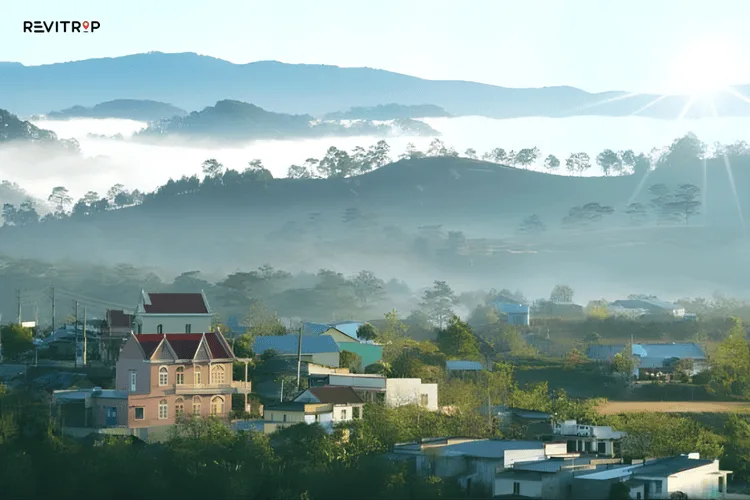
Da Lat sits about 1,475 metres above sea level, and that elevation explains almost everything. The city is temperate, fresh, and cool year-round, with an average annual temperature around 17.8°C. They also repeat one of Da Lat’s most quoted ideas: that the city can feel like four seasons in a single day, with spring-like mornings, warmer afternoons, softer evenings, and colder nights.
This is why Da Lat feels so different from the lowland south. You do not come here for heavy tropical heat. You come for mornings that ask for a sweater, afternoons that stay pleasant enough for walking, and evenings that make a warm drink feel like part of the itinerary. Bring a jumper between November and January, and an umbrella once the wetter stretch begins.
Da Lat Weather by Season
Dry Season: Cool, Clear, and Easy to Love
The dry season is the version of Da Lat weather most first-time visitors fall for, from around November to March, or sometimes into April, with fresher air, lower rainfall, and clearer skies. This is when the city feels most open. Pine slopes look sharper in the light. Walks around Xuan Huong Lake feel easy on the body. The air has that clean, highland brightness that makes you want to stay outside longer than planned.
The lovely part is that “dry” in Da Lat does not mean harsh. It rarely turns into the kind of heat that drains a day. Instead, the season leans crisp and gentle. Mornings can be cool enough to surprise people, especially from November to January, while afternoons stay mild rather than heavy. If your ideal trip involves market mornings, long cafe stops, and easy sightseeing with very little friction, this is the safest window.
Rainy Season: Green, Moody, and More Romantic
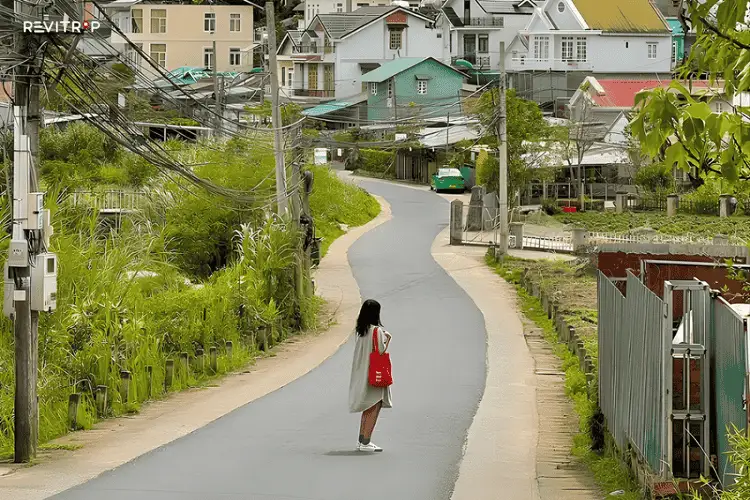
The rainy season usually arrives around April or May and lingers into October or November, depending on the source. This sounds less inviting on paper, but Da Lat wears rain better than many places. The city stays cool, the hills deepen in colour, and mist begins to move through the pine valleys more often. Waterfalls look fuller. Gardens feel fresher. The whole city leans closer to the version people call romantic.
There is, of course, a tradeoff. Afternoons become less reliable. Views can close in quickly. Plans need a little more patience. But this is not a season to dismiss. Travel guides and tourism sources note that showers are often short-lived rather than endless, and Da Lat remains mild through much of the wetter period. For travelers who like fogged windows, soft rain, and the quiet luxury of waiting out a shower with coffee in hand, this season can be deeply appealing.
The Best Time to Visit Da Lat for Different Trips
For Clear Skies and Easy Walking
From roughly November to March, Da Lat weather is at its easiest. You are more likely to get clear mornings, cooler air, and days that are comfortable for moving around town. This is the best fit for first-time visitors, short trips, and travelers who want the least friction. Clearer days make it easier to enjoy Da Lat’s gardens, pine hills, and scenic spots, especially places like the Valley of Love.
For Bloom, Greenery, and a Softer Landscape
Late dry season into early rainy season, especially around March to June, can work well for travelers who do not mind occasional showers. Climate guides note that April to June often marks a transition period rather than nonstop rain, and this can be a lovely time for flowers and greener scenery. The city feels lush, but not yet fully soaked into the heavier wet-season pattern.
For Mist, Mood, and Slow-Coffee Weather
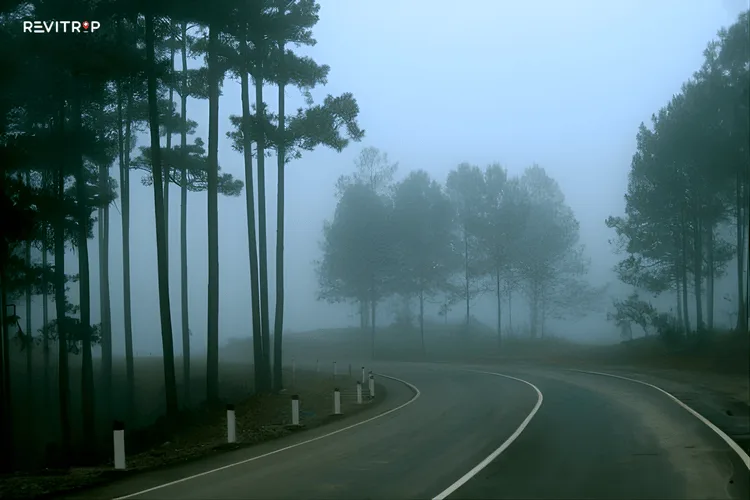
If your version of Da Lat includes fogged windows, pine-scented air, and long cafe stops while rain taps lightly outside, the wetter months may suit you more than the clearest ones. This is less about postcard-perfect sunshine and more about atmosphere. Da Lat weather can be deeply photogenic in cloud and mist. You just need to give the city time and not fight the forecast every hour
What Da Lat Weather Feels Like in a Day
One reason Da Lat weather stays in people’s memory is that it shifts beautifully across a single day. Morning is often the clearest part: cool, quiet, and clean-edged, the hour for lake walks, flower markets, and seeing the city before it fully wakes. By midday, the air softens and warms, though usually without turning aggressive. Early evening brings a gentler light, and night often settles in with real chill by southern Vietnam standards. The official climate descriptions that compare Da Lat to “four seasons in one day” may sound poetic, but on the ground, they are not far from the truth.
That is why Da Lat rewards a simple rhythm. Go out early. Keep the afternoon flexible. Leave room for weather instead of fighting it. In Da Lat, a little mist is not a problem to solve. It is often part of the scene you came for.
What to Wear for Da Lat Weather
Pack for layers, not for beach heat. A light jacket or sweater is useful almost year-round, especially for early mornings, motorbike rides, and evenings after sunset. During the wetter stretch, an umbrella or light rain layer matters too. Bring a jumper in the cooler months and prepare for rain from roughly April to November.
Shoes deserve a little thought as well. Da Lat is a city for walking, and damp ground plus cool air can make flimsy footwear irritating fast. One warm layer, one rain-ready layer, and comfortable walking shoes will usually carry the trip beautifully. Da Lat is not difficult to pack for. It just asks you to respect the highland air.
Is Da Lat Weather Good Year-Round?
Yes, but each season gives you a different city. The drier months bring cleaner light, easier movement, and the most straightforward version of Da Lat. The wetter months bring greener hills, fuller waterfalls, and a more inward, more atmospheric mood. Across both, the underlying gift stays the same: Da Lat remains cooler and more temperate than much of the country, which is exactly why it has long been called the City of Eternal Spring.
So the better question is not whether Da Lat weather is good. It is which version of Da Lat you want to meet. The bright one, with crisp mornings and clear views. Or the softer one, wrapped in cloud and pine scent, where an afternoon shower can make the whole city feel more intimate. Either way, Da Lat weather is not something you work around. It is part of the romance of being there.
FAQ
For most travelers, December to March is the easiest and most comfortable time to visit Da Lat. This is the drier part of the year, with cooler air, clearer skies, and weather that suits walking, cafes, and slow sightseeing especially well.
Da Lat rarely gets truly harsh, but it can feel surprisingly cool by Vietnam standards, especially in the early morning and at night. Long-term climate data shows January as the coldest month, with an average low of about 52°F (11°C) and an average high of around 70°F (21°C).
Da Lat is famous for its cool highland weather, pine forests, flower gardens, lakes, and produce such as flowers, vegetables, and fruit. It is described as the “City of Eternal Spring.”