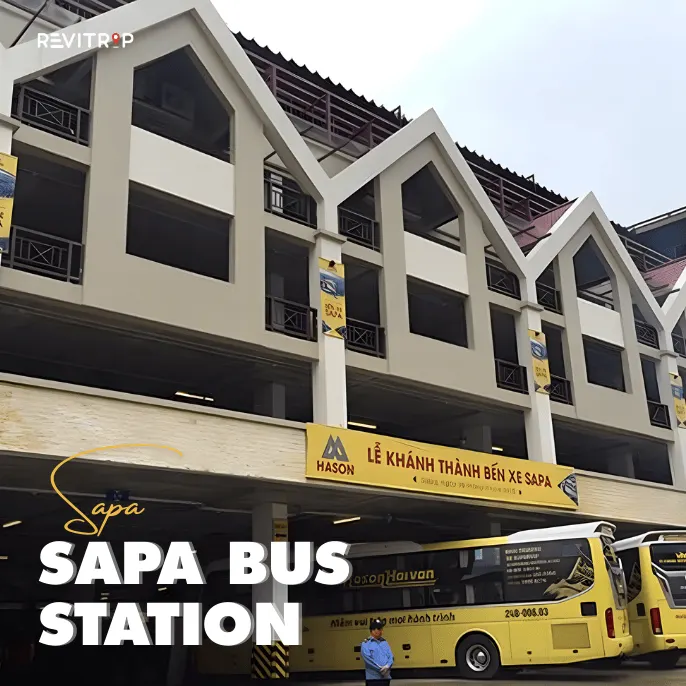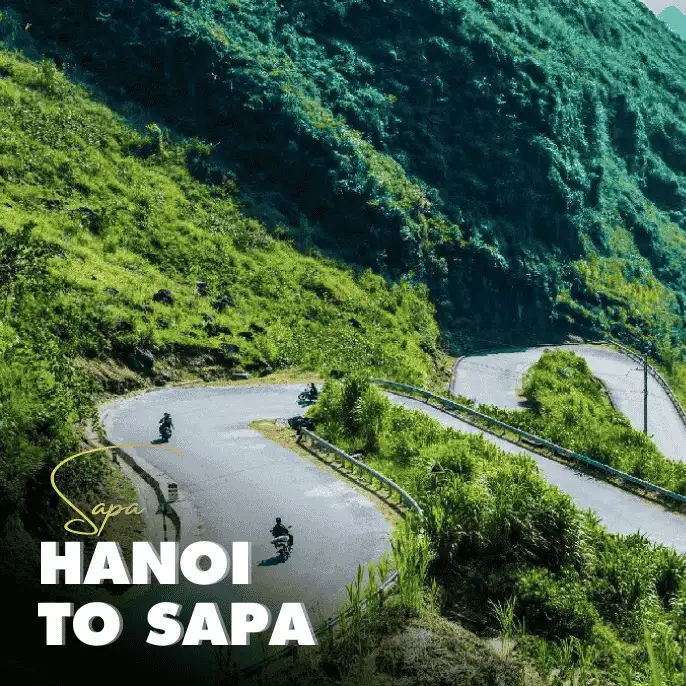
The journey from Hanoi to Sapa covers about 320 km through the mountains of northwest Vietnam. Depending on how you travel, the trip takes anywhere from 5 to 8 hours. The roads wind through river valleys and rice terraces before climbing into the cloud-covered hills around Sapa town.
There are four realistic options for getting from Hanoi to Sapa: bus, train, motorbike, and private car. Each suits a different type of traveler. This Sapa travel guide covers all four with honest cost comparisons, travel times, and practical advice. You can easily choose whatever ways you need there.
Bottom line: For most visitors, the bus is the best combination of cost, comfort, and convenience on the Hanoi to Sapa route. VIP sleeper and cabin buses in particular offer a comfortable ride at a fraction of the private car price. You can listen to the guide first on vehicles before reach Sapa.
Quick Comparison: Hanoi to Sapa
| Option | Journey Time | Cost (VND) | Best For |
|---|---|---|---|
| Bus (standard sleeper) | 5.5 to 6 hours | 250,000 to 350,000 | Budget travelers |
| Bus (VIP cabin) | 5.5 to 6 hours | 500,000 to 750,000 | Comfort at low cost |
| Train to Lao Cai + transfer | 8 to 9 hours total | 150,000 to 700,000 | Scenic experience |
| Motorbike | 7 to 8 hours | 270,000 to 300,000 | Adventure seekers |
| Private car | 5 hours | 2,000,000 to 3,500,000 | Groups and families |
Option 1: Bus from Hanoi to Sapa
Journey time: 5.5 to 6 hours Cost: 250,000 to 750,000 VND Best for: Most travelers
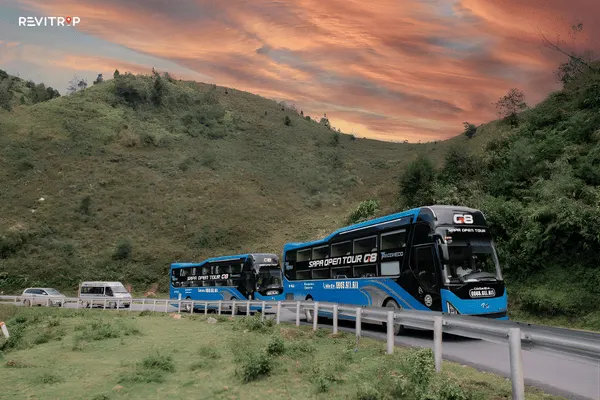
The bus is the most popular choice on the Hanoi to Sapa route and the easiest to book. Buses run throughout the day and into the night, which means you can choose a departure time that fits your schedule.
There are three main bus types available. Standard sleeper buses cost around 250,000 to 350,000 VND and cover the basics: a reclining seat, shared cabin space, and a direct route.
Limousine buses offer more legroom and a slightly more comfortable ride at a similar price. VIP cabin buses are the premium option, with private two-person pods, flat beds, free Wi-Fi, and water included. Prices for VIP cabins range from 500,000 to 750,000 VND.
Most operators pick up passengers from the Hoan Kiem area of Hanoi and some also offer collection from Noi Bai Airport. Drop-off is directly in Sapa town, which removes the transfer step required with the train.
Worth choosing if: You want a direct, comfortable, and affordable ride. VIP cabin buses in particular are hard to beat for value on this route.
My tip: Book 3 to 5 days in advance during peak season (October to December and June to August). Seats on popular morning departures sell out quickly.
Option 2: Train from Hanoi to Lao Cai
Journey time: 8 hours to Lao Cai, then 1 hour by bus or taxi to Sapa
Cost: 150,000 to 600,000 VND for the train, plus 50,000 to 100,000 VND for the transfer
Best for: Travelers who enjoy the scenic rail journey
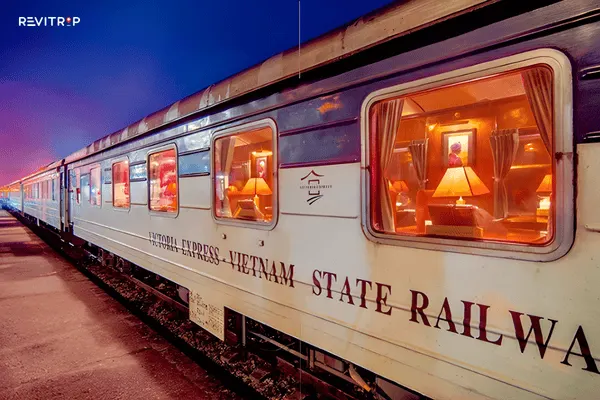
Trains depart from Hanoi Station in the evening and arrive at Lao Cai early the following morning. The overnight timing means you sleep through the journey and wake up ready to go. Ticket options range from a basic hard seat at 150,000 VND to a four-berth air-conditioned cabin at around 600,000 VND.
The drawback is the transfer. Lao Cai station sits 38 km from Sapa town. After the train arrives, you need to find a bus or taxi for the final leg. This adds an hour to the total journey and requires navigating a busy station with luggage, which is less convenient than a direct bus.
The train is worth it if the experience itself matters to you. Waking up to mountain scenery as the train climbs toward Lao Cai is genuinely memorable. But for pure convenience on the Hanoi to Sapa route, the direct bus wins.
My tip: Book train tickets at least one week ahead during holiday periods and peak season. The four-berth soft sleeper cabins are worth the price difference over hard berths.
Option 3: Motorbike from Hanoi to Sapa
Journey time: 7 to 8 hours
Cost: 120,000 to 150,000 VND per day to rent, plus around 150,000 VND for fuel
Best for: Experienced riders who want an adventure
Riding a motorbike from Hanoi to Sapa gives you full freedom and some of the best mountain views in northern Vietnam. It is the most adventurous option in any Sapa travel guide, but also the most demanding.
The route is not straightforward. The roads include long steep climbs and sharp bends, especially in the final stretch before Sapa. Road conditions vary and can deteriorate quickly in wet weather.
This option is only appropriate for riders with experience on mountain roads. If you have never ridden in Vietnamese traffic or on long mountain routes, choose a different option. You can check the guide there before travel.
Weather is also a factor. The Hanoi to Sapa road is not safe to ride in heavy rain or fog. Check the forecast the day before and be prepared to adjust plans if conditions are poor.
Worth choosing if: You are a confident rider, the weather is clear, and the journey itself is as important as the destination.
Skip if: You have limited motorbike experience, it is rainy season, or you are carrying heavy luggage.

Option 4: Private Car from Hanoi to Sapa
Journey time: About 5 hours
Cost: 2,000,000 to 3,500,000 VND for a 4 to 7 seat vehicle
Best for: Families and groups of 3 or more
A private car is the fastest and most flexible way to travel from Hanoi to Sapa. The driver goes directly without stopping for other passengers, and the total journey time is roughly 5 hours. You can stop wherever you want along the route.
The cost is the main barrier. At 2,000,000 to 3,500,000 VND per vehicle, a private car makes sense only when split across a group of three or more. For a solo traveler or a couple, the price is hard to justify compared to a VIP cabin bus.
Private cars work well for families with young children. They also suit travelers with lots of luggage. They help people with mobility needs who want more flexibility than a shared bus offers.
My tip: Book through a reputable operator and confirm the price and pickup location in advance. Clarify whether the rate includes waiting time in Sapa and the return journey if you need it.
Sapa Travel Guide: Practical Tips for the Journey
Pack layers. Sapa is significantly colder than Hanoi at any time of year. Even in summer, temperatures drop sharply at night.
In winter, the town can fall below 5°C. Bring warm clothing regardless of when you travel.
Travel on weekdays. The Hanoi to Sapa route is busiest on Friday evenings and Sunday afternoons. Midweek departures are quieter and easier to book last-minute.
Know the weather window. The best seasons for the Hanoi to Sapa journey are March to May and September to November. July and August bring the heaviest rain and make road travel more difficult.
Arrive with small VND notes. Once in Sapa, village markets and small restaurants prefer cash. ATMs are available in the town center but can be busy during peak season.
Which Option Is Right for You?
Use this Sapa travel guide summary to match your travel style to the right option. standard or VIP sleeper bus. Direct, comfortable, and the best value on the Hanoi to Sapa route.
Family or group of 3 or more: private car if the cost splits favorably, or a VIP cabin bus if not.
Overnight experience with scenic views: train to Lao Cai in a soft sleeper cabin, then bus transfer to Sapa.
Adventure travel: motorbike, but only if you have the experience and the weather cooperates.
FAQ
There’s no train to Sapa town itself—trains run from Hanoi to Lao Cai (about 296 km), then you transfer by road to Sapa (another 35–40 km). In practice, it’s a train ride plus a 1–1.5 hour drive.
A private car or limousine van via the expressway is usually the fastest, typically about 5–6 hours door to door. It’s quicker than the night train because you skip the Lao Cai transfer. You can easily book your trip there.
No, Sapa doesn’t have a commercial airport, so there’s no direct flight to measure. You’ll still need to go by road (or train + road) for the last leg from the nearest airports.