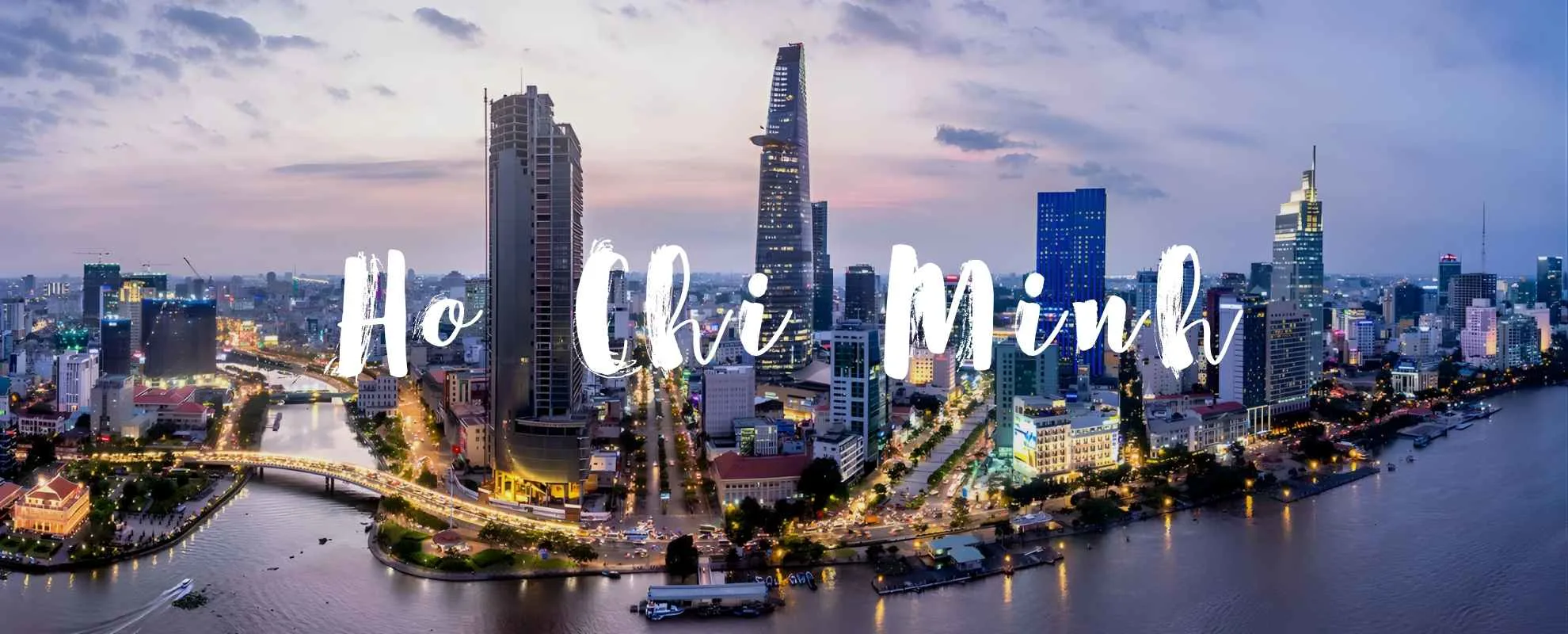
Ho Chi Minh
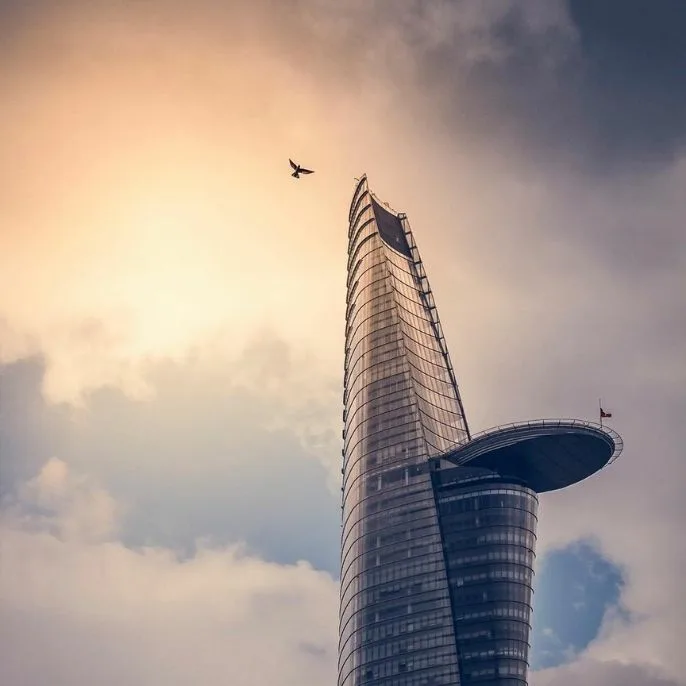
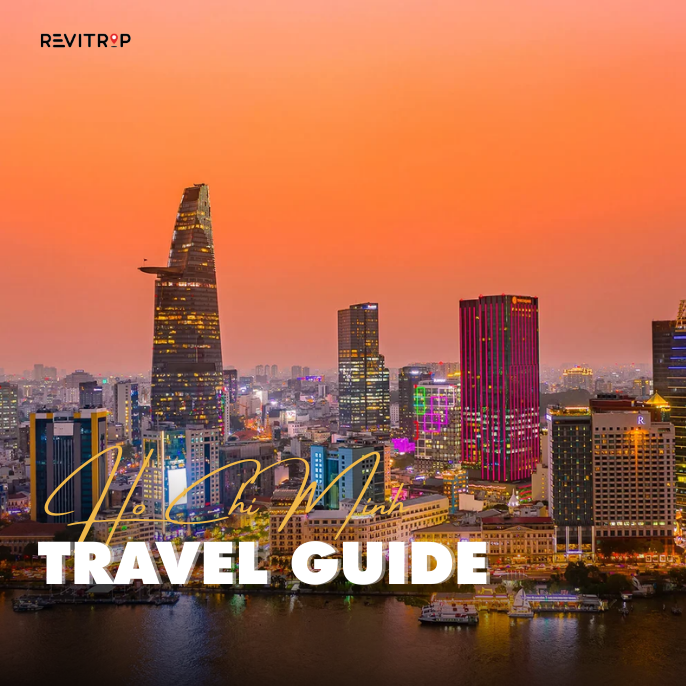
Ho Chi Minh City moves fast. Known to almost everyone as Saigon, Vietnam’s largest city is a place of relentless energy, where French colonial boulevards meet gleaming skyscrapers and street food stalls do business beside rooftop bars. It is a city shaped by extraordinary history. The legacy of the Vietnam War sits alongside a booming modern economy, and both are visible in almost every neighbourhood. Yet for all its intensity, Saigon has an irresistible pull. Its food is world-class, its people are warm and entrepreneurial, and there is always something new around the next corner. Give it three days and it will earn your respect. Give it longer and it may well win your heart.
Top things to do in Ho Chi Minh
Visit the War Remnants Museum
The War Remnants Museum is one of the most powerful and sobering cultural experiences in Southeast Asia. Its exhibits document the Vietnam War through photographs, military equipment, and personal testimonies. Much of the content is confronting. Nevertheless, it is essential viewing for anyone wanting to understand the city and the country more deeply. Allow at least two hours, and go in the morning when the light is best in the outdoor exhibits.
Explore the Cu Chi Tunnels
About 40 kilometres northwest of the city, the Cu Chi Tunnels are a vast underground network used by Viet Cong fighters during the war. Over 200 kilometres of tunnels connected hospitals, kitchens, weapon stores, and living quarters, all dug by hand through hard clay soil. Today, a section is open to visitors. You can crawl through the passages, inspect the trap systems, and gain a genuine understanding of how this landscape shaped the outcome of the conflict.
Tour the Reunification Palace
Formerly known as Independence Palace, this is the building where the Vietnam War effectively ended on 30 April 1975, when a North Vietnamese tank broke through its gates. The building has been preserved almost exactly as it was on that day. Four floors of government rooms, war bunkers, and a rooftop helipad are open to explore. It is a fascinating and eerie time capsule of mid-20th century Vietnamese political life.
Wander the Ben Thanh Market Area
Ben Thanh Market has anchored the heart of District 1 since the French colonial era. Inside, vendors sell everything from fresh produce and spices to lacquerware, silk, and street food. The surrounding streets are equally lively. Pham Ngu Lao to the west is the backpacker hub, while the lanes to the north and east hide some of the city’s best local restaurants and coffee shops. It is an ideal area to simply walk, eat, and absorb the pace of Saigon.
Admire the French Colonial Architecture of District 1
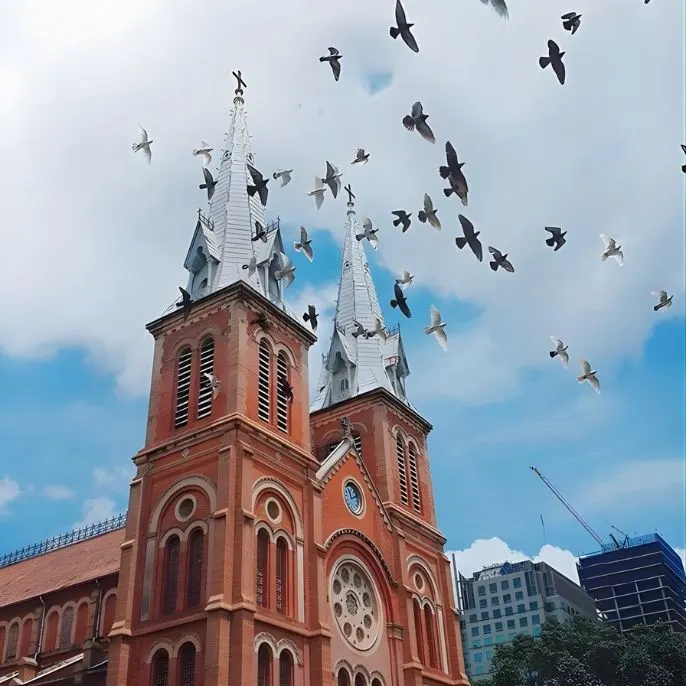
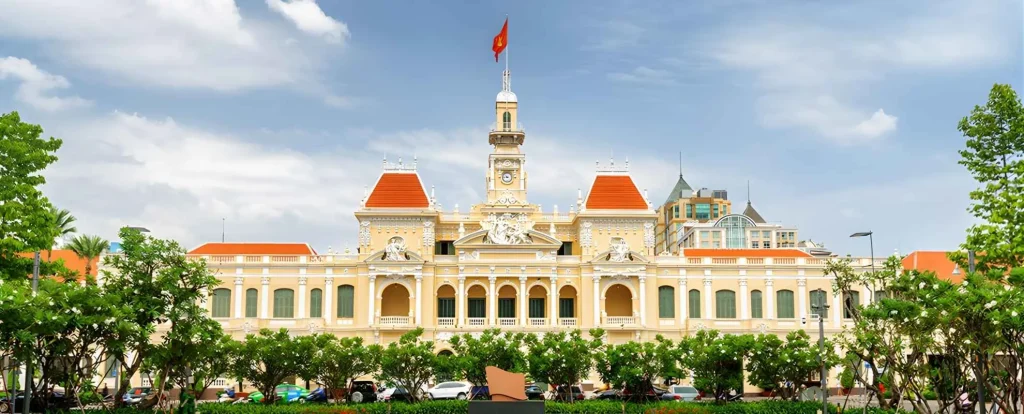
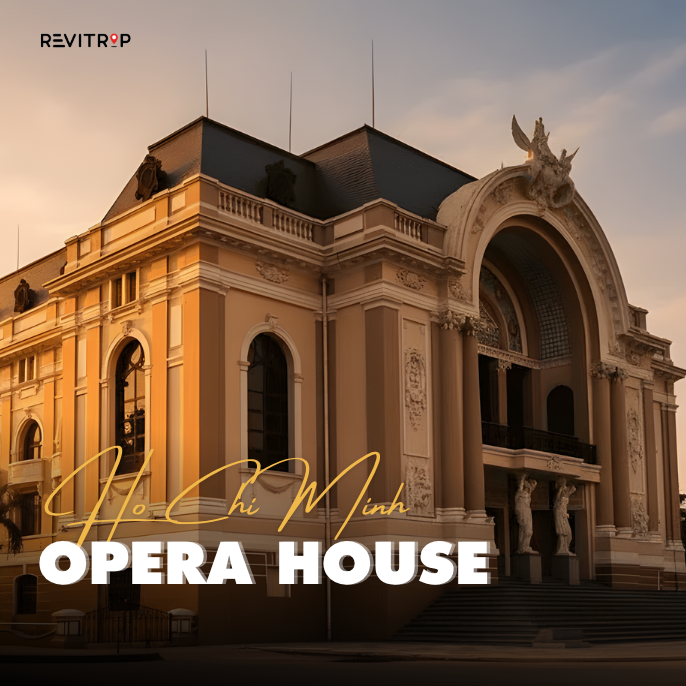
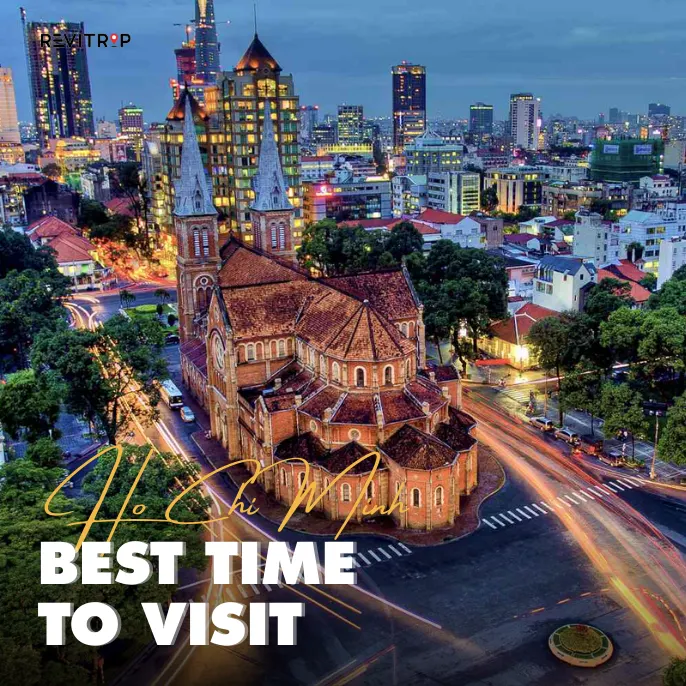
District 1 contains the finest concentration of French colonial architecture in Vietnam. The Central Post Office, designed with input from Gustave Eiffel and still operational today, is a highlight. Nearby, Notre Dame Cathedral stands in red brick silence at the top of Dong Khoi Street. The Saigon Opera House, the People’s Committee Building, and a dozen grand hotels from the same era complete a streetscape that tells a quietly compelling story of the city’s past.
Take a Day Trip to the Mekong Delta
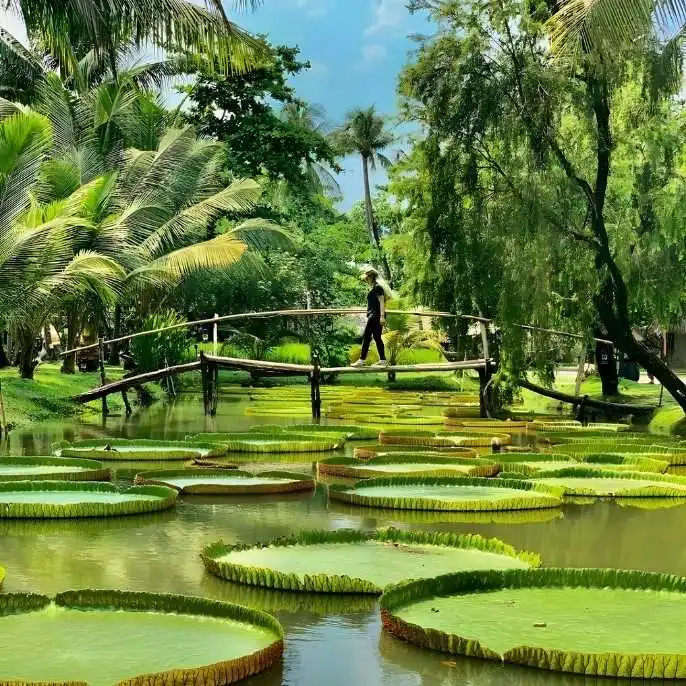
Less than two hours south of the city, the Mekong Delta is a world apart. Known as the Rice Bowl of Vietnam, this vast network of rivers, canals, and floating markets produces much of the country’s food. A guided day trip typically includes a boat ride through narrow waterways, a visit to a floating market, stops at coconut candy and rice paper workshops, and lunch at a riverside family home. It is one of the best half-day escapes from any city in Southeast Asia.
Eat Your Way Through Saigon’s Street Food Scene
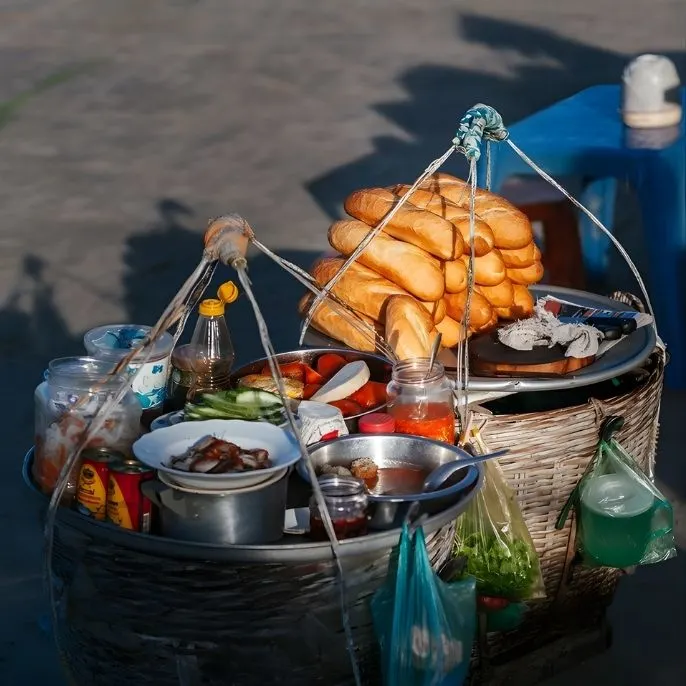
Saigon’s street food culture operates at all hours and on every corner. Banh mi, the Vietnamese baguette sandwich, is at its crispest and most creative here in the south. Hu tieu, a delicate clear noodle soup with pork and seafood, is a local breakfast staple. Com tam, broken rice served with grilled pork, a fried egg, and pickled vegetables, is the city’s most beloved everyday meal. For the full experience, head to Nguyen Trai Street in District 5 or explore the alleys around Ben Thanh after dark.
Ho Chi Minh City Weather
Ho Chi Minh City is warm year-round, with two clear seasons. The dry season runs from December to April. During this period, temperatures are pleasant and rain is rare. April and May are the hottest months, often exceeding 37 degrees Celsius. The rainy season runs from May to November, bringing daily downpours that typically last an hour or two before clearing. Even so, the city remains very much open for business throughout. December to March is the most comfortable time to visit, and coincides with the festive energy of Tet, Vietnam’s lunar new year, in late January or early February.
Ho Chi Minh City Transport
Tan Son Nhat International Airport sits around 8 kilometres from District 1, with taxis, Grab, and airport buses all connecting to the city centre. Within the city, Grab is the easiest and most affordable way to get around. Walking works well in Districts 1 and 3, where most major attractions are within comfortable distance of each other. For day trips to Cu Chi and the Mekong Delta, organised tours or hired cars are the most practical options. Buses, trains, and flights connect the city to destinations across Vietnam and the wider region.
Gallery
You may also like
Nearby places