Vietnam Health and Safety Guide
Vietnam ranks among the world’s safest countries for travelers though understanding health and safety considerations ensures worry-free trips. Proper preparation including travel insurance, vaccinations, and awareness of common health risks prevents most problems. Vietnam’s excellent safety record and welcoming culture create ideal environments for solo travelers, families, and adventure seekers.
Common health and safety concerns include heat-related illnesses, mosquito-borne diseases, food safety, and petty theft in major cities. Understanding these risks and taking simple precautions dramatically reduces problems. Most visitors experience trouble-free vacations following basic guidelines.
This comprehensive guide covers essential health and safety information for Vietnam travel including pre-departure preparations, common health issues, hospitals, safety tips, and scam prevention. Understanding what to expect helps travelers focus on enjoying Vietnam’s incredible culture, cuisine, and landscapes.
Vietnam’s improving healthcare infrastructure and low crime rates make it exceptionally safe compared to many popular tourist destinations. Proper planning maximizes peace of mind throughout trips.
Pre-Departure Health Preparations
Travel Insurance and Medical Consultation
Purchase comprehensive travel insurance before any Vietnam trip covering medical emergencies, evacuations, and trip cancellations. Insurance proves essential as international medical care costs accumulate quickly without coverage. Verify policies cover adventure activities like motorbike riding and water sports if planning these.
Consult doctors or travel clinics 2 months before departure discussing health and safety requirements. Vietnam presents specific health risks requiring vaccinations including Hepatitis A and B, Typhoid, Japanese Encephalitis (for rural areas), and routine immunizations. Doctors assess individual health conditions recommending appropriate vaccines.
Pregnant women require specialized advice as anti-malarial drugs and diarrhea treatments pose risks during pregnancy. Discuss safe alternatives with healthcare providers before traveling.
Medical Kit Essentials
Pack comprehensive medical kits addressing common health and safety issues encountered in Vietnam. Essential items include DEET-based insect repellent preventing mosquito bites, paracetamol or ibuprofen for pain relief, and anti-itch ointment like hydrocortisone for bug bite reactions.
Include high-SPF sunscreen preventing severe sunburns in tropical climates. Antihistamines like Zyrtec or Benadryl treat allergic reactions while bacitracin ointments care for minor wounds. Imodium or similar medications address traveler’s diarrhea common when adjusting to new cuisines.
Carry sufficient supplies of prescribed medications as some prove difficult finding in Vietnam. Bring doctor’s letters describing medical conditions and required treatments facilitating hospital care if needed. Store medications in original packaging with clear labels.
Common Health Issues
Heat-Related Illnesses
Vietnam’s hot humid climate year-round creates health and safety concerns around heat exposure. The strong tropical sun causes sunburn quickly requiring diligent sunscreen application throughout days. Reapply every 2 hours especially at beaches and outdoor attractions.
Dehydration occurs frequently as travelers underestimate water needs in humid conditions. Drink bottled water constantly carrying refillable bottles. Symptoms include headaches, dizziness, and irritability. Heat exhaustion develops when dehydration combines with sun exposure.
Heat stroke represents serious medical emergencies requiring immediate hospital treatment. Warning signs include body temperatures exceeding 41°C (106°F), weakness, nausea, and confusion. Seek medical help immediately if experiencing these symptoms. Rest in air-conditioned spaces during hottest midday hours avoiding overexposure.
Mosquito-Borne Diseases
Malaria risk increases in rural highland regions though remains low in major cities. Consider anti-malarial medication when visiting remote areas including mountain provinces and dense jungles. Consult travel doctors about appropriate prophylaxis for planned destinations.
Dengue fever presents greater concerns especially in Mekong Delta and Ho Chi Minh City. No vaccines exist making prevention through insect repellent essential. Mosquitoes transmit dengue during sunrise and sunset hours requiring extra vigilance during these times.
Apply DEET-based repellent exposed skin areas reapplying every few hours. Wear long sleeves and pants during peak mosquito activity. Sleep under mosquito nets in budget accommodations lacking screens. These simple measures dramatically reduce mosquito-borne disease risks.
Food and Water Safety
Traveler’s diarrhea represents common health and safety concerns when trying new cuisines. Stick to bottled water avoiding tap water and ice in rural areas. Brush teeth with bottled water in questionable locations.
Choose restaurants with high customer turnover indicating fresh ingredients and proper food handling. Freshly cooked hot food proves safest while raw vegetables and salads may carry bacteria. Vietnamese street food generally maintains high safety standards though use personal judgment selecting vendors.
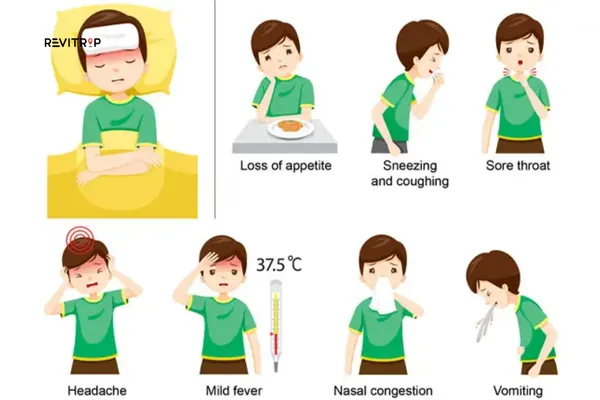
If experiencing upset stomachs or diarrhea, take rehydration salts maintaining fluid balance. Most cases resolve within 24-48 hours. Persistent symptoms exceeding 3 days or accompanied by fever require medical attention. Carry basic diarrhea medications in medical kits.
Healthcare Facilities
Hospital Options
Major cities including Hanoi, Da Nang, and Ho Chi Minh City operate numerous state-owned and private hospitals with English-speaking staff. International-standard facilities include Family Medical Practice, Vinmec International Hospital, and Franco-Vietnamese Hospital providing Western-quality care.
Private hospitals deliver superior service, shorter wait times, and English-fluent staff though cost significantly more than public facilities. Travel insurance typically covers private hospital expenses. Smaller cities offer basic medical care while rural areas may lack nearby hospitals or pharmacies.
Small pharmacies operate in most Vietnamese cities selling common medications. Pharmacists often provide basic medical advice and over-the-counter treatments. Carry sufficient prescription medications as specific brands may be unavailable.
Safety Considerations
Petty Theft Prevention
Vietnam maintains relatively low crime rates though petty theft occurs in major cities. Drive-by snatchings target tourists extending cameras and phones on busy streets. Keep devices close to body away from traffic flow when taking photos.
Women should maintain tight grips on bags and purses especially in Ho Chi Minh City. When riding motorbikes, store bags in seat compartments rather than wearing them or placing in baskets. Thieves easily snatch shoulder bags and basket items.
Use hotel safes for valuables or lock items in bags before leaving rooms. Avoid flaunting expensive gadgets or large cash amounts in rural areas. Keep close eyes on belongings in crowded markets and tourist areas. Unfortunately, police recover few stolen items making prevention critical.
Taxi and Transport Safety
Taxi scams include rigged meters, overcharging, and currency confusion. Use only reputable companies Mai Linh and Vinasun operating throughout Vietnam with sealed meters and fair pricing. Both companies offer phone apps booking pickups eliminating street hailing risks.
Ride-hailing apps Grab provide transparent pricing and driver accountability through ratings systems. The apps show fares before accepting rides preventing overcharging. Airport official taxi stands also provide legitimate services though negotiate prices beforehand for fixed-rate trips.
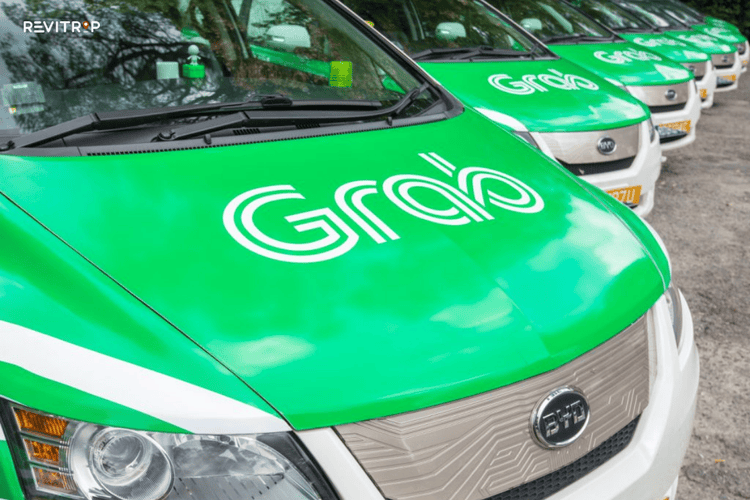
Booking reliable transport ensures safe travel between Vietnam destinations.
Tourist Scam Awareness
Vietnam continuously improves tourism services though some operators flout regulations. Halong Bay cruises particularly attract scam operators offering cheap rates then delivering substandard experiences. Book only with reputable companies maintaining positive reviews and proper licenses.
Tour operators occasionally overcharge tourists or deliver services below promised standards. Use vetted travel agencies rather than unmarked storefronts. Research companies online checking recent reviews before booking. Legitimate operators provide clear contracts, licensed guides, and transparent pricing.
Female Traveler Safety
General Safety Environment
Vietnam proves exceptionally safe for female travelers including solo women. The conservative culture respects women creating welcoming environments. Crime against women remains uncommon though standard precautions apply.
Solo female travelers receive frequent questions about traveling alone stemming from curiosity rather than malicious intent. The Vietnamese find solo female travel unusual making friendly inquiries about motivations and destinations. These interactions generally prove harmless and sometimes lead to helpful local recommendations.
Practical Precautions
Respect local conservative values by dressing modestly especially outside beach areas. Avoid revealing clothing in temples, rural areas, and traditional neighborhoods. This respect for local culture prevents unwanted attention and shows cultural sensitivity.
Avoid walking alone late nights on empty streets. Take taxis for evening returns to accommodations. Share ride details with friends or family using location-sharing apps. These simple precautions apply universally regardless of destinations.