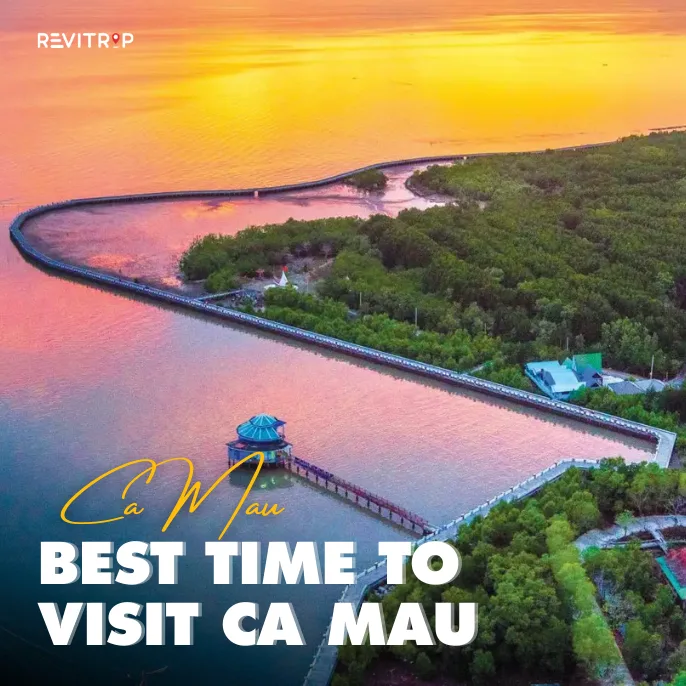
The best time to visit Ca Mau depends on what kind of experience you are looking for. Vietnam’s southernmost province operates on a tropical monsoon climate with two clearly defined seasons, each offering something genuinely different. The dry season brings sunshine, accessible roads, and full access to every major attraction. The rainy season transforms the landscape into a vivid green wetland, opens deeper sections of the forest to boat travel, and brings the river system to life in a way that no other time of year can match. Add a calendar of traditional festivals tied to the lunar year and the picture becomes even more layered. This guide covers every season, every major festival, and every practical tip you need to choose the right time for your trip.
1. Ca Mau Climate: What to Expect Year Round

Ca Mau sits at the southernmost tip of Vietnam within a tropical monsoon climate zone. Temperatures remain warm throughout the year, typically ranging from 24 to 33 degrees Celsius regardless of season. The key variable between seasons is not temperature but rainfall, and the difference between the two seasons is significant enough to shape your entire experience.
The province borders both the East Sea and the Gulf of Thailand. This dual coastal position means weather patterns can shift quickly, particularly during the transition months of April to May and October to November. Checking forecasts in the week before travel is always a good habit when visiting Ca Mau.
“Ca Mau does not really have a bad season. It has two very different seasons, each with its own rewards. The question is which version of the province you want to see.”
2. Best Time to Visit Ca Mau: Dry Season (December to April)
The dry season runs from December through April and represents the most consistently comfortable time to visit Ca Mau. Sunny skies dominate and humidity drops to its lowest levels of the year. Roads across the province remain in good condition and river transport operates without weather-related interruptions.
This is the season that delivers full access to every major attraction in the province. Dat Mui Cape, U Minh Ha National Park, the bird sanctuaries, and the floating markets all reach their most visitor-friendly state during these months.
What to Do in the Dry Season
The dry season suits travelers who want maximum flexibility and the widest range of activities available:
- Visit Dat Mui Cape and walk to the southernmost point of Vietnam’s mainland
- Explore U Minh Ha National Park by boat through the melaleuca canal system
- Visit Ngoc Hien Bird Sanctuary and Dam Doi Bird Garden during peak bird activity
- Tour the floating markets and mangrove waterways by motorized boat
- Visit fruit gardens during harvest season and taste fresh local produce directly from the source
- Explore Ca Mau City and its surrounding pagodas, communal houses, and local markets
Accommodations book faster during the dry season, particularly around the Lunar New Year period in late January or February. Reserving rooms and transport in advance is strongly recommended for travel between late January and early March.
Lunar New Year in Ca Mau
Tet Nguyen Dan falls in late January or early February depending on the lunar calendar. It is the most significant celebration of the Vietnamese year and transforms Ca Mau city and its surrounding areas completely. Markets overflow with seasonal goods, pagodas fill with worshippers, and the warmth of family celebration extends to every part of daily life.
Travelers visiting during Tet should note that many shops, restaurants, and service providers close for three to five days around the core holiday. Planning meals and transport options in advance is essential during this period.
3. Best Time to Visit Ca Mau: Rainy Season (May to November)

The rainy season runs from May through November. Rainfall increases significantly across the province and floodwaters gradually raise water levels in the river and canal system. This seasonal transformation is not a reason to avoid Ca Mau. For many travelers, it is the primary reason to go.
The best time to visit Ca Mau for nature lovers is arguably during the height of the rainy season. The melaleuca forests of U Minh Ha reach their fullest and most vivid state. Lotus fields spread across the flooded landscape. Fish populations surge through the waterways and birds gather in numbers that the dry season cannot match.
What to Do in the Rainy Season
The rainy season opens up experiences that simply are not available in the dry months:
- Boat deeper into U Minh Ha National Park as rising water levels unlock sections of the forest inaccessible in dry conditions
- Photograph lotus fields at their peak across the flooded agricultural zones
- Visit floating markets as they reach their most active and lively seasonal state
- Fish with local families along the river system using traditional methods
- Watch for migratory waterbirds arriving at the province’s bird sanctuaries
Rain typically falls in intense afternoon showers rather than all-day downpours. Mornings are usually clear and suitable for outdoor activities. Scheduling nature excursions before noon and keeping afternoons flexible is a reliable approach throughout the rainy season.
“The rainy season Ca Mau is a completely different province from the dry season version. The water brings everything to life. The forests are greener, the birds are louder, and the rivers are fuller than you can imagine.”
4. Ca Mau Festivals and Events by Season
The festival calendar adds an important layer to any decision about the best time to visit Ca Mau. The province’s three main ethnic communities, the Kinh, Hoa, and Khmer, each contribute celebrations that reflect their distinct traditions and beliefs.
Ok Om Bok Festival (10th Lunar Month, October to November)
Ok Om Bok is the most celebrated traditional festival of the Khmer community in Ca Mau and across the wider Mekong Delta. It takes place on the 15th day of the 10th lunar month, typically falling in October or November. The festival honors the moon as a symbol of abundance and gratitude for the harvest.
Celebrations include:
- Traditional moon-worship ceremonies at Khmer pagodas and communal spaces
- Floating lantern ceremonies on rivers and canals
- Boat racing competitions on local waterways
- Cultural performances including traditional music, dance, and folk games
- Community feasts featuring Khmer specialty foods
For travelers who want to experience the cultural depth of Ca Mau beyond its landscapes, timing a visit around Ok Om Bok is one of the most rewarding decisions you can make.
Nguyen Tieu Festival (15th Day of the 1st Lunar Month)
Nguyen Tieu is celebrated by the Hoa community and marks the first full moon of the lunar new year. Lanterns are lit across Hoa-populated neighborhoods and pagodas hold ceremonial offerings. The festival carries a strong visual character and offers excellent photography opportunities in and around Ca Mau city’s older districts.
Vu Lan Festival (15th Day of the 7th Lunar Month, August)
Vu Lan, the festival of filial piety, is observed across all three ethnic communities in Ca Mau. Pagodas hold ceremonies honoring ancestors and the living perform acts of generosity toward those in need. It is a quieter, more reflective festival than Ok Om Bok but offers a genuine window into the spiritual life of the province.
Hung Kings Commemoration Day (10th Day of the 3rd Lunar Month, April)
This national commemoration day is observed across Vietnam and holds particular significance in Ca Mau’s communal houses and civic spaces. It is a solemn occasion with ceremonial offerings and community gatherings that reflect the deep historical consciousness of the province’s Kinh population.
5. Month by Month Guide to Visiting Ca Mau
Choosing the best time to visit Ca Mau becomes easier with a clear month by month picture of conditions:
- December to February: Peak dry season. Best weather, full access to all attractions, higher accommodation demand around Tet
- March to April: Late dry season. Quieter crowds, fruit gardens at harvest, Hung Kings Day in April
- May to June: Transition into rainy season. Landscapes begin to green, occasional afternoon showers, fewer tourists
- July to August: Mid rainy season. Lotus fields in bloom, Vu Lan Festival in August, lively floating markets
- September to October: Peak rainy season. Deepest forest access by boat, most vivid landscapes, Ok Om Bok Festival in October or November
- November: Transition back to dry. Ok Om Bok Festival may fall in early November depending on the lunar calendar
For booking tours and activities that align with specific months or festivals, GetYourGuide lists a range of Ca Mau and Mekong Delta experiences with flexible scheduling options.
6. Practical Travel Tips for Every Season in Ca Mau
A few preparation habits make a significant difference regardless of when you visit.
Packing essentials:
- Light, breathable clothing suitable for warm and humid conditions year round
- A waterproof jacket or compact umbrella for the rainy season
- Insect repellent for wetland and forest areas in both seasons
- Sunscreen and a hat for dry season outdoor activities and open boat tours
- Comfortable walking shoes suitable for both paved paths and soft ground near waterways
Booking and logistics:
- Reserve accommodation in advance for dry season travel, particularly around Tet
- Confirm tour and boat trip availability if visiting during or just after heavy rainy season flooding
- Carry sufficient cash as ATM access is limited outside Ca Mau city center
- Check road conditions before traveling to remote areas in the province after significant rainfall
For travelers planning a full Mekong Delta circuit, Klook offers bookable day trips and multi-stop tours across the region that can be organized around your preferred travel months. Before departure, reviewing our guide to scams in Vietnam is always a worthwhile precaution for any trip in the country.
“Pack for warmth and rain regardless of season. Ca Mau’s weather moves quickly. The travelers who carry a light jacket and a compact umbrella are always the most relaxed ones on the boat.”
Final Thoughts: When Is the Best Time to Visit Ca Mau?
The best time to visit Ca Mau is whenever you can go, with a few nuances worth keeping in mind. The dry season from December to April gives you the most comfortable conditions and the fullest access to every attraction in the province. The rainy season from May to November gives you a richer, wilder version of the landscape and some of the most memorable festival experiences in the Mekong Delta.
If you can only go once, aim for October or November. The tail end of the rainy season coincides with the Ok Om Bok Festival, the forests are still vivid and accessible by boat, and the transition back to dry conditions means fewer weather disruptions. It is as close to a perfect window as Ca Mau offers. For everything you need to plan your trip from transport to accommodation and top attractions, our full Ca Mau travel guide has you covered from start to finish.
Ready to plan your Ca Mau trip? Browse our complete Vietnam destination guide for seasonal travel advice, festival calendars, and the best experiences across the Mekong Delta!
FAQs
The dry season from December to April is the most comfortable and accessible time to visit Ca Mau. October and November offer a strong alternative, combining the tail end of the rainy season’s vivid landscapes with the Ok Om Bok Festival, one of the most celebrated Khmer cultural events in the Mekong Delta.
Ca Mau’s most celebrated festival is Ok Om Bok, held on the 15th day of the 10th lunar month, typically in October or November. It features boat racing, floating lanterns, moon worship ceremonies, and traditional Khmer cultural performances. Each reflects a different facet of Ca Mau’s Kinh, Hoa, and Khmer cultural heritage.
Yes, and for nature lovers it may actually be the preferred time to go. Rising water levels during the rainy season from May to November open deeper sections of U Minh Ha National Park to boat exploration. Rain typically falls in afternoon showers rather than all-day downpours, leaving mornings clear for outdoor activities.