Sapa
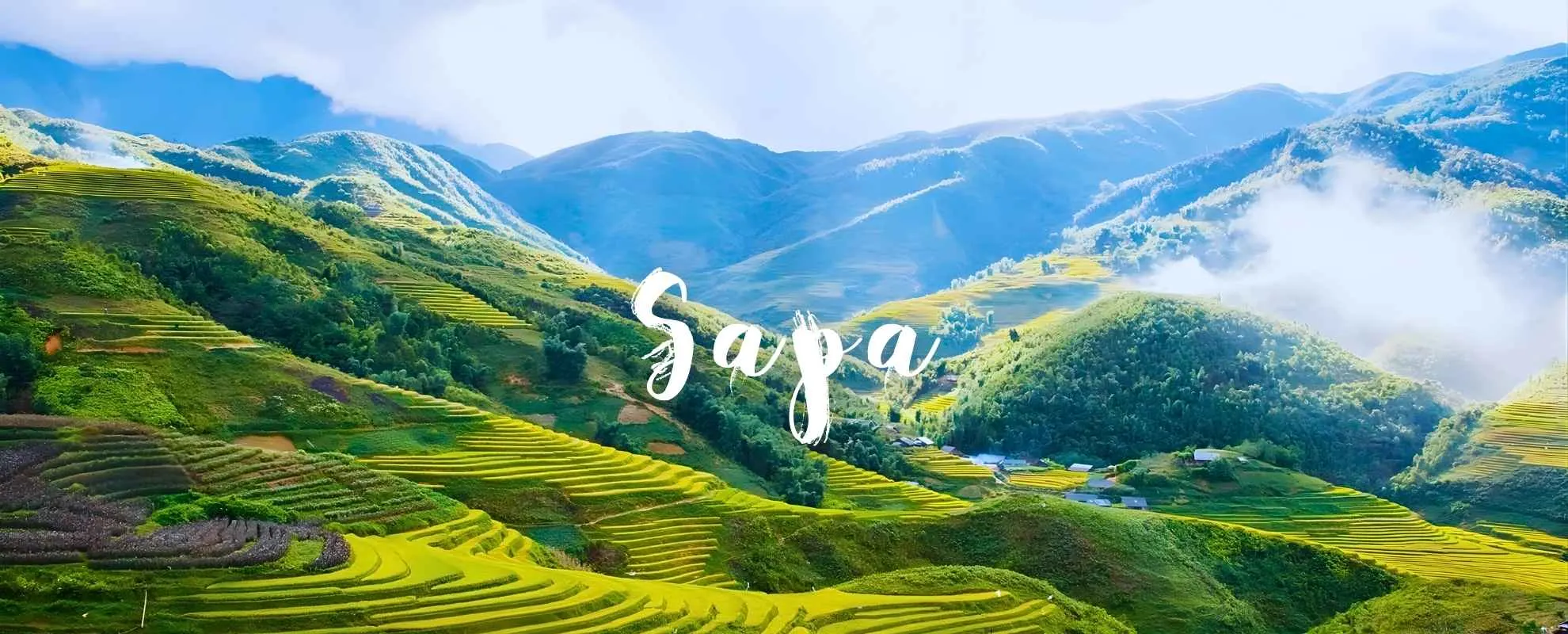
Perched at over 1,500 metres in the Hoang Lien Son mountains, Sapa is northern Vietnam’s most dramatic highland destination. The scenery here is extraordinary. Mist-draped valleys, cascading rice terraces, and a rich tapestry of ethnic minority cultures set this mountain town apart from anywhere else in the country. Originally established as a French hill station, Sapa today is a base for trekkers and culture seekers alike. It is also the perfect escape for anyone wanting to trade the lowland heat for cool mountain air and stunning scenery.
Top things to do in Sapa
Trek Through the Muong Hoa Valley
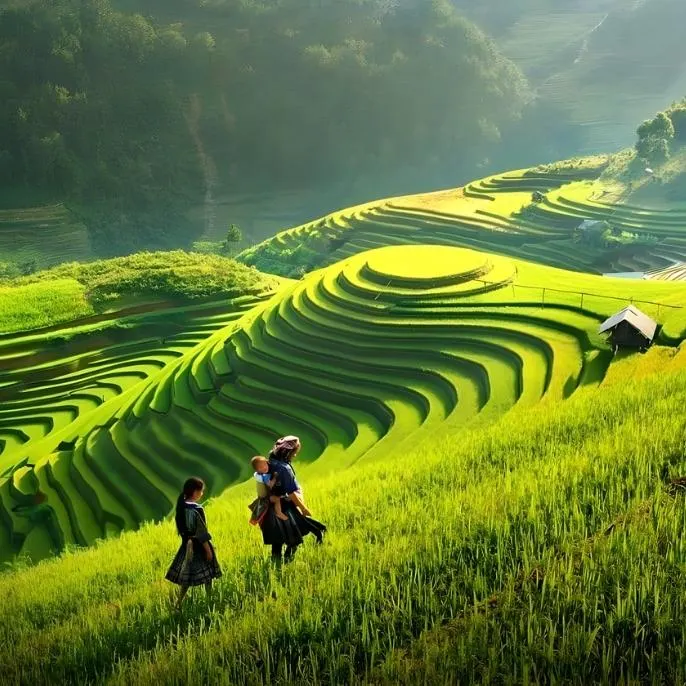
The Muong Hoa Valley is the heart of the Sapa trekking experience. Its terraced hillsides stretch out below the town, shaped by H’mong and Dao farmers over centuries. Trails wind through the villages of Lao Chai and Ta Van, where life continues much as it always has. For a richer experience, go with a local guide. This also puts money directly into the community.
Conquer Mount Fansipan
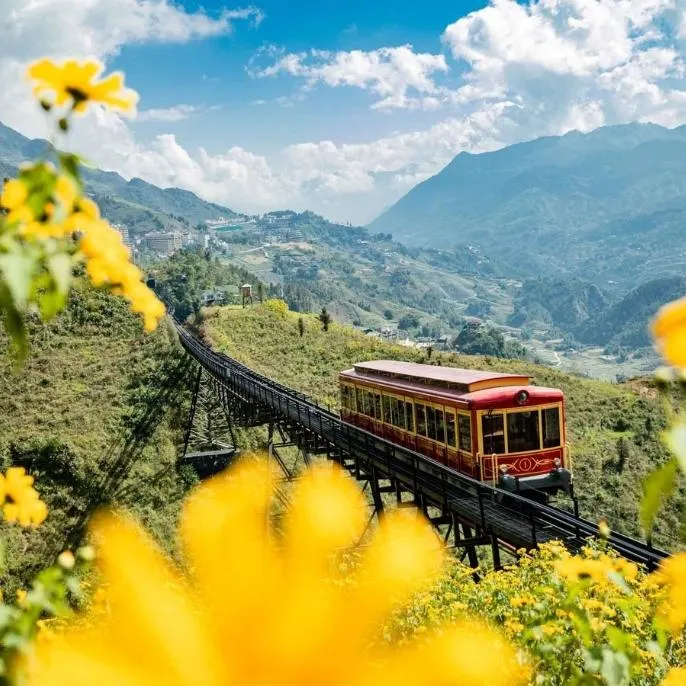
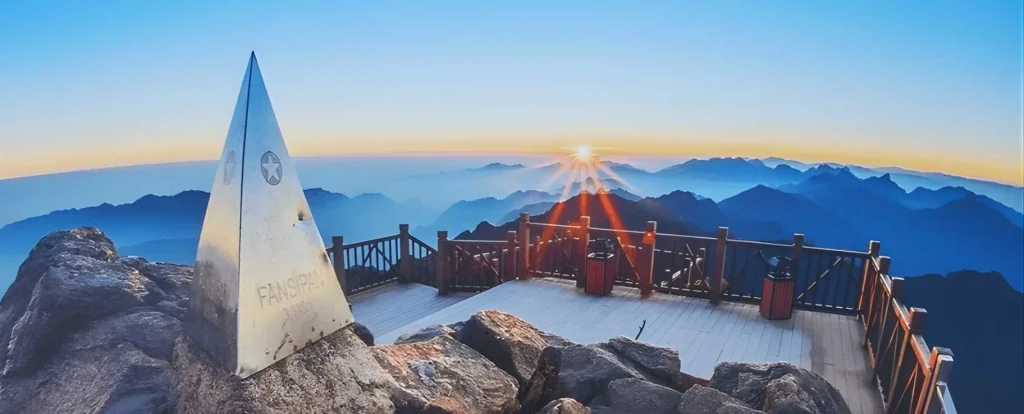
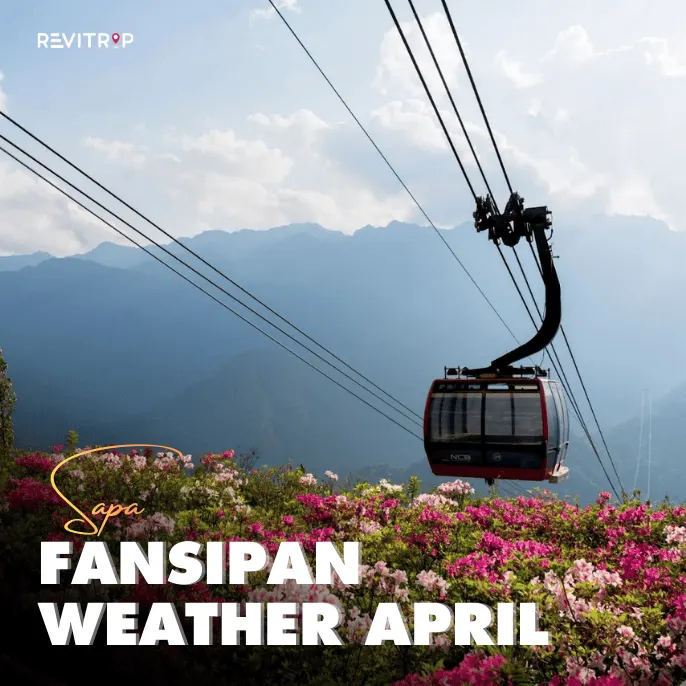
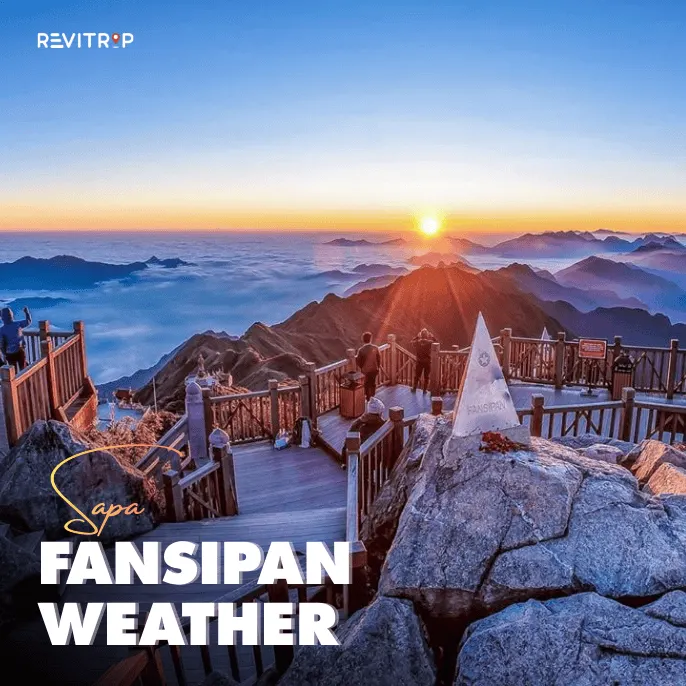
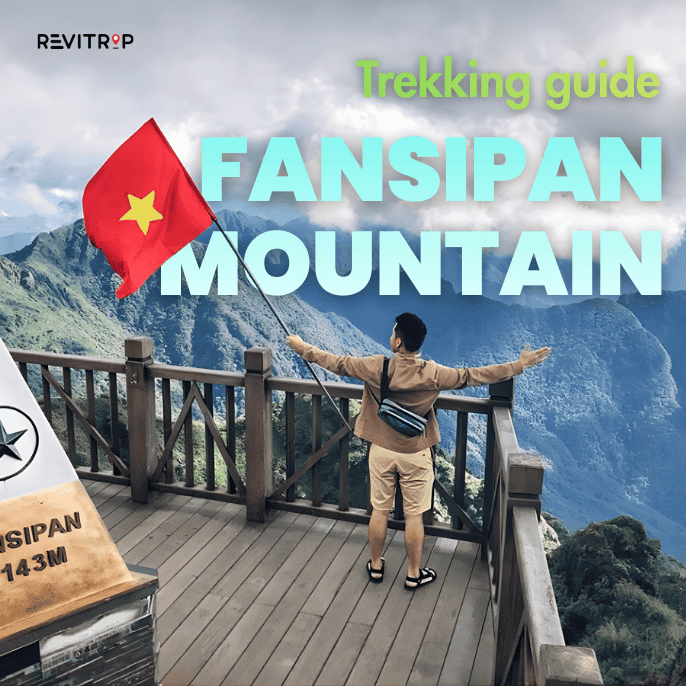
At 3,147 metres, Fansipan is the highest peak in Vietnam, Laos, and Cambodia. It earns its title as the Roof of Indochina. Strong hikers can tackle the summit on a two to three day guided trek through Hoang Lien National Park. However, those short on time can take the modern cable car instead. It reaches the summit in around 20 minutes and delivers jaw-dropping views on clear days.
Visit an Ethnic Minority Village
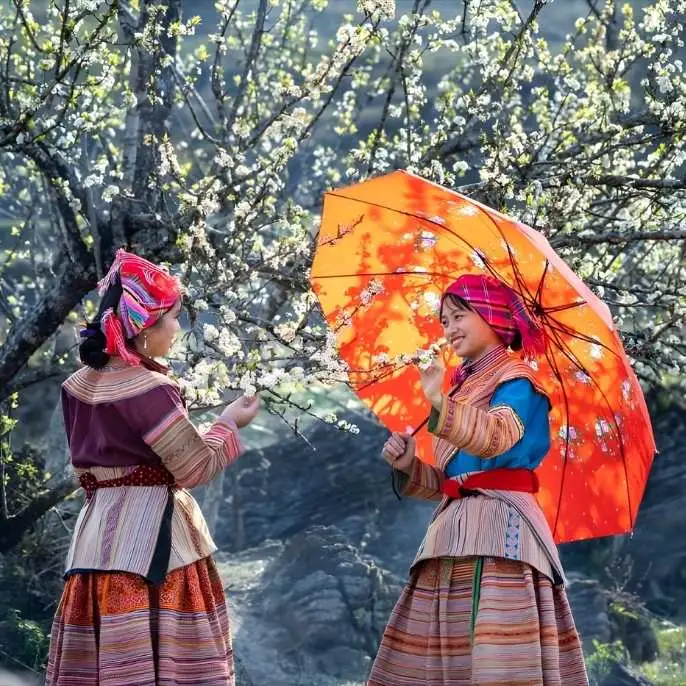
Sapa is home to five main ethnic minority groups: the Black H’mong, Red Dao, Tay, Giay, and Xa Pho. Each group has its own language, traditions, and distinctive clothing. Visiting a village beyond the most-trodden tourist routes offers a genuinely immersive experience. Look for community-based tourism operators who work directly with local families. That way, your visit benefits the people you are coming to meet.
Explore the Saturday Night Market
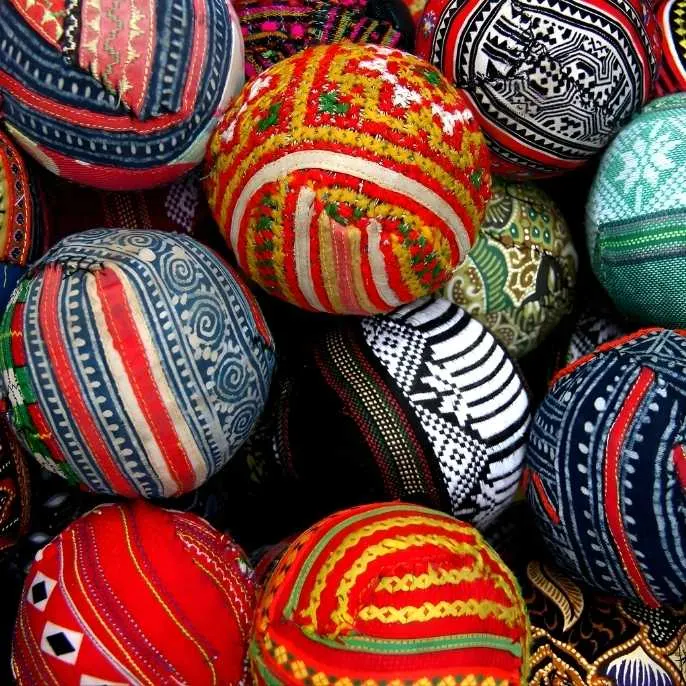
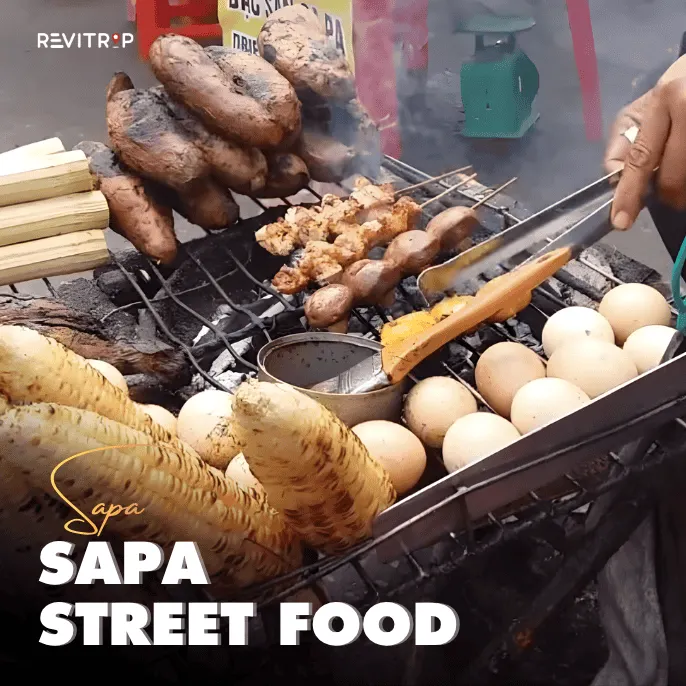
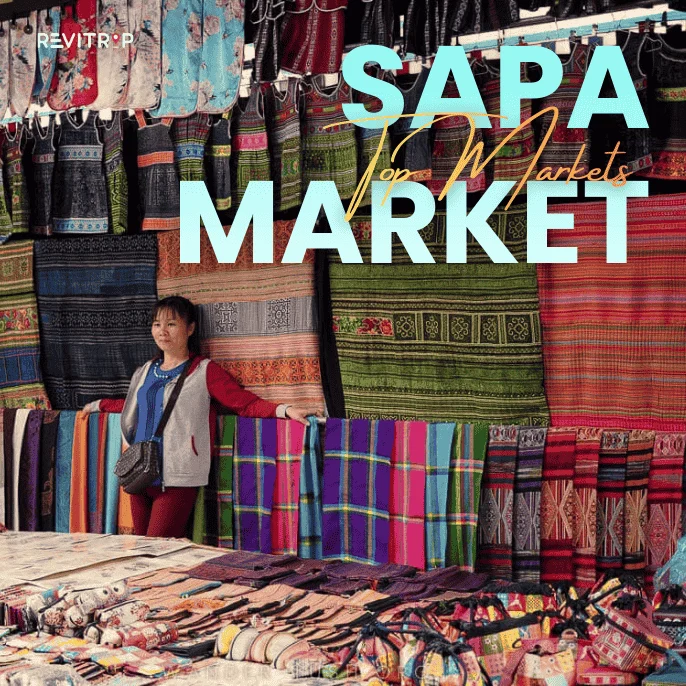
Every Saturday evening, Sapa’s central market comes alive with hill tribe vendors. They sell hand-embroidered textiles, silver jewellery, herbal remedies, and local produce. It is one of the best places in northern Vietnam to buy authentic handicrafts directly from the artisans. Moreover, the atmosphere after dark is not easily forgotten. Lantern light, grilled corn, and warm local wine make for a memorable evening.
Try a Red Dao Herbal Bath
The herbal bath is a tradition passed down through generations of Red Dao women. It involves soaking in a wooden tub filled with a blend of mountain roots, bark, and leaves. After a long day of trekking, it is both deeply relaxing and genuinely restorative. Several guesthouses in Sapa town offer this experience. Alternatively, some villages offer it in a more traditional home setting.
Walk the Rice Terraces at Harvest Time
October is when Sapa’s rice terraces reach peak beauty. During this time, the paddies turn from deep green to burnished gold in the weeks before harvest. Farming families work the fields while the valley floor glows amber in the afternoon light. As a result, this is one of those travel experiences that stays with you long after you leave.
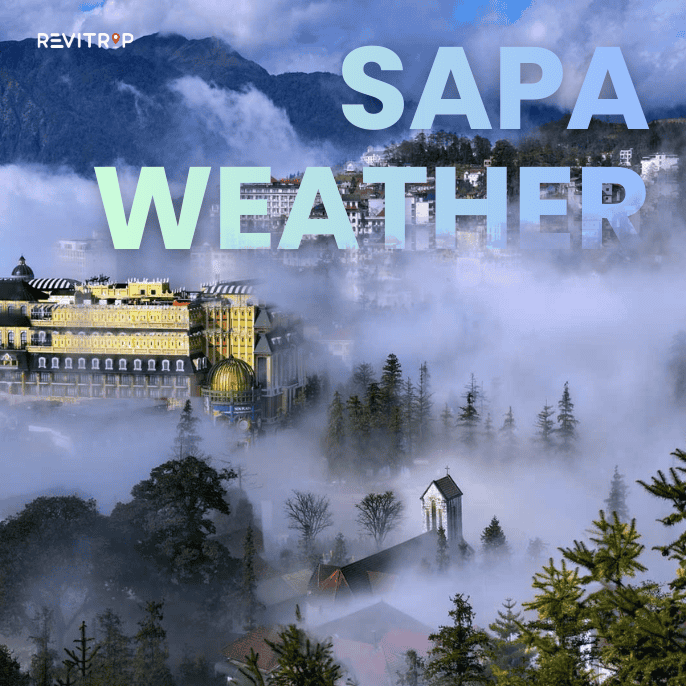
Sapa Weather
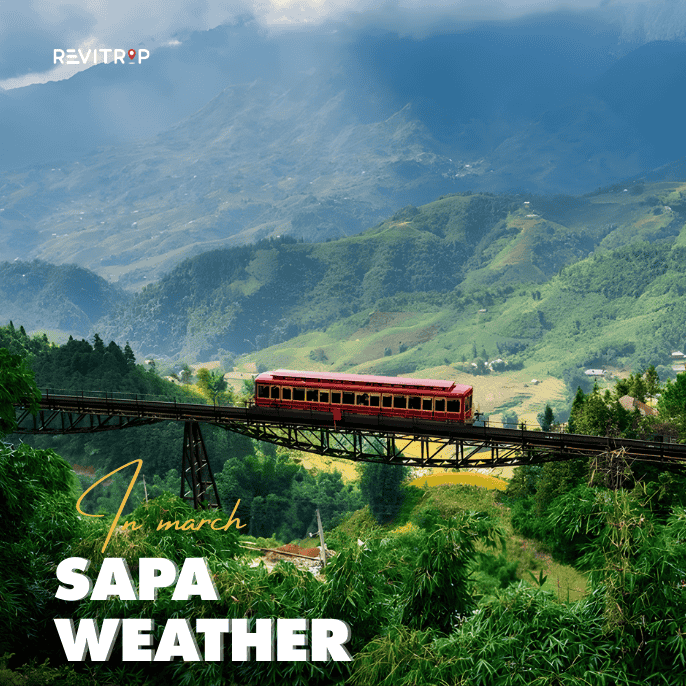
Sapa’s mountain climate sets it apart from the rest of Vietnam. Spring (March to May) brings mild temperatures and ideal trekking conditions. Autumn (September to November) is the most popular season, thanks to cool dry air and golden harvest terraces. Summer is warm and lush, but heavy rain makes trails muddy and difficult. Winter can be cold, occasionally dropping below freezing. Nevertheless, rolling fog and rare snowfall give the valley a strikingly beautiful quality. Regardless of when you visit, layers and a waterproof jacket are always worth packing.
Sapa Transport
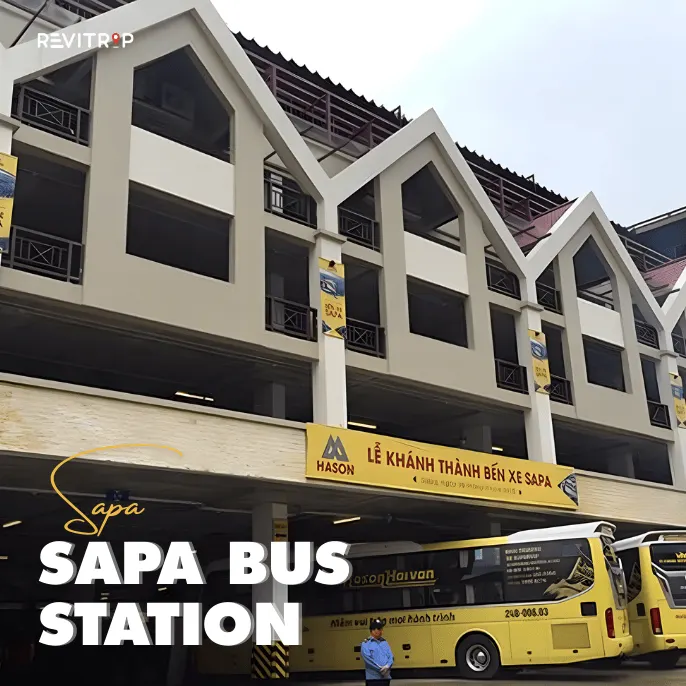
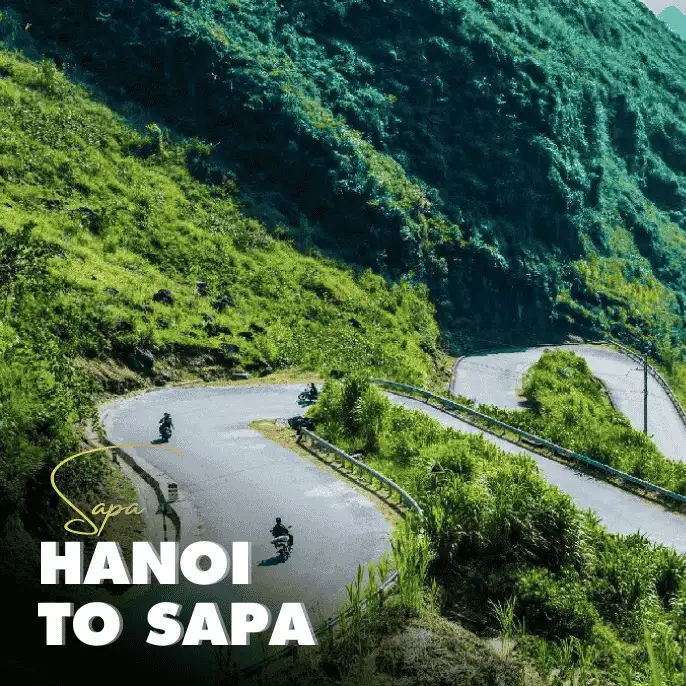
From Hanoi, the overnight train to Lao Cai is the most popular option. From there, a 45-minute van transfer brings you up to Sapa town. This combination is both scenic and practical, saving a night’s accommodation. Alternatively, direct sleeper buses and luxury vans run daily from Hanoi, taking around five to six hours. Once in Sapa, the town centre is walkable. However, for outlying villages and trailheads, taxis and motorbike taxis are the most practical option.
Gallery
You may also like






Nearby places