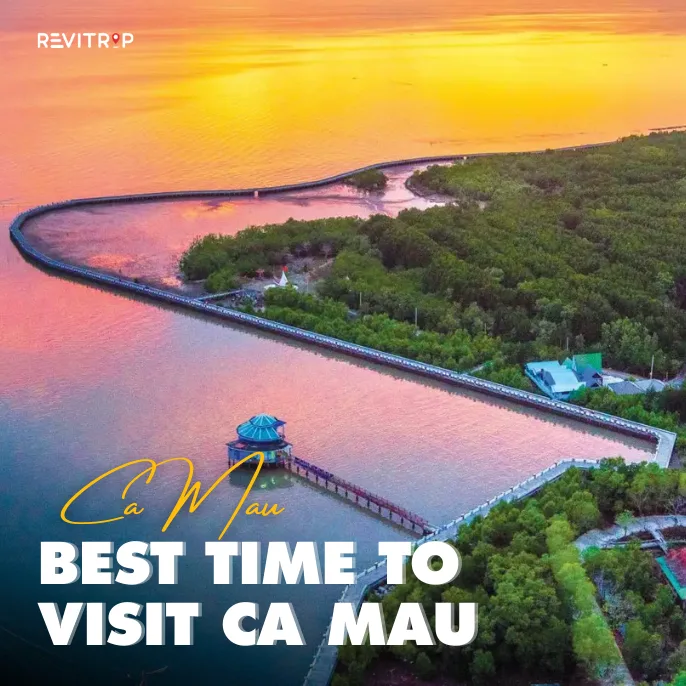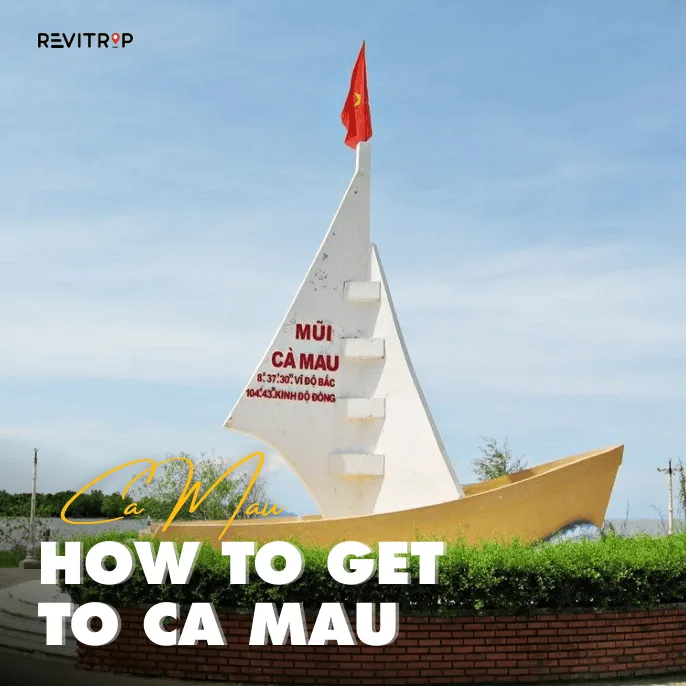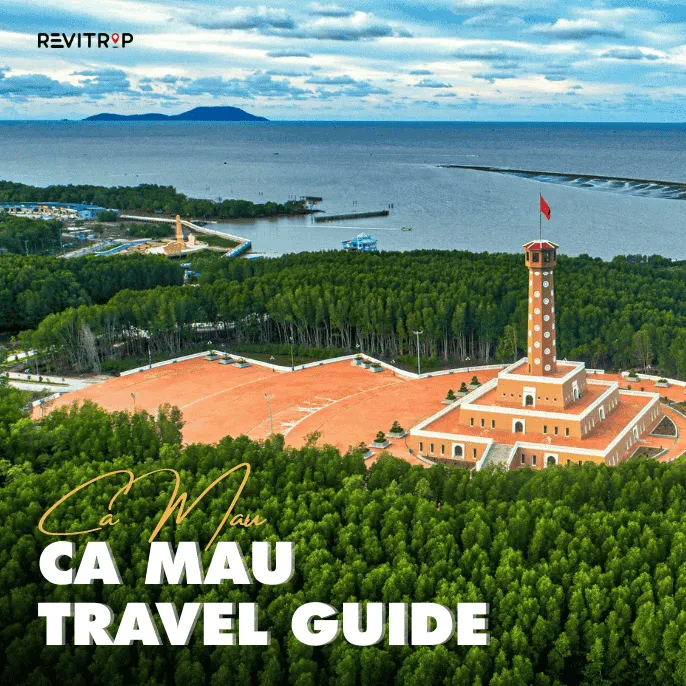
Ca Mau sits at the very tip of Vietnam, where the East Sea meets the Gulf of Thailand and the land itself gradually dissolves into a vast network of rivers, mangrove forests, and tidal mudflats. This is Vietnam’s southernmost province, a place where nature runs deep and local culture carries the unmistakable warmth of the Mekong Delta. Whether you are drawn by the wilderness of Mui Ca Mau National Park, the rhythm of floating markets, or the seafood that defines the region’s identity, this Ca Mau travel guide covers everything you need to plan your trip from start to finish.
1. Where Is Ca Mau?
Ca Mau is a coastal province in the southernmost part of Vietnam, located within the Mekong Delta region. Its position makes it one of the most geographically distinct destinations in the entire country.
Key location facts:
- Approximately 1,960 km south of Hanoi
- Approximately 290 km southwest of Ho Chi Minh City
- Borders the East Sea to the east
- Borders the Gulf of Thailand to the west and south
- Borders An Giang province and Can Tho City to the north
This unique position means Ca Mau is the only place on Vietnam’s mainland where you can watch the sun rise from the East Sea in the morning and set into the West Sea in the same afternoon.
2. What Makes Ca Mau Unique?
Few destinations in Vietnam carry the same combination of natural richness and cultural depth that Ca Mau offers. Its geographical position at the southernmost point of the country gives it symbolic importance as a national landmark, but the real draw lies in what surrounds that landmark.
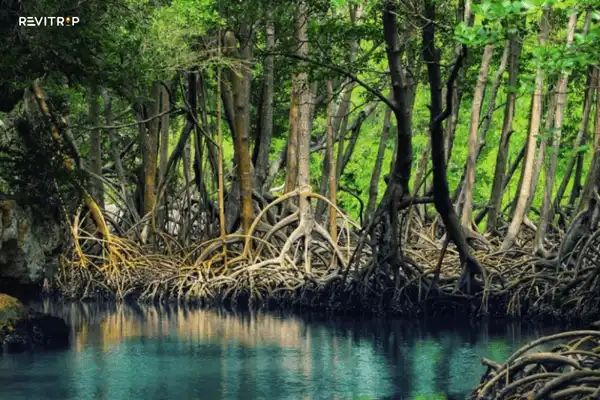
Ca Mau is home to a UNESCO-recognized world biosphere reserve, covering mangrove forests, brackish wetlands, and melaleuca ecosystems on peat soil. Beneath the forest canopy, you will find green rice fields, fruit orchards, natural bird sanctuaries, and a winding river system that shapes daily life across the province.
Culturally, Ca Mau carries the imprint of three ethnic communities – the Kinh, Hoa, and Khmer – whose traditions intersect through architecture, festivals, beliefs, and folk arts. The most celebrated of these artistic expressions is Don Ca Tai Tu, a form of traditional Southern Vietnamese music closely tied to the famous song Da Co Hoai Lang. This intangible cultural heritage gives Ca Mau a soul that goes well beyond its landscapes. Before your trip, make sure you have sorted your Vietnam visa requirements so entry is completely hassle-free.
“Ca Mau is not just the end of the map. It is a place where the forest, the sea, and the people have built something genuinely unlike anywhere else in Vietnam.”
3. Best Time to Visit Ca Mau
Understanding the seasons is one of the most practical parts of any Ca Mau travel guide. The province sits in a tropical monsoon climate zone with two clearly defined seasons, each offering a different kind of experience.
Dry season (December to April)
The dry season is the most popular and comfortable time to visit. Sunny skies and low humidity make travel between destinations straightforward. Key attractions such as Dat Mui, U Minh Ha Forest, bird sanctuaries, and floating markets are all at their most accessible. Fruit gardens also enter their harvest season during this period, giving visitors the chance to taste fresh local produce directly from the source.
Rainy season (May to November)
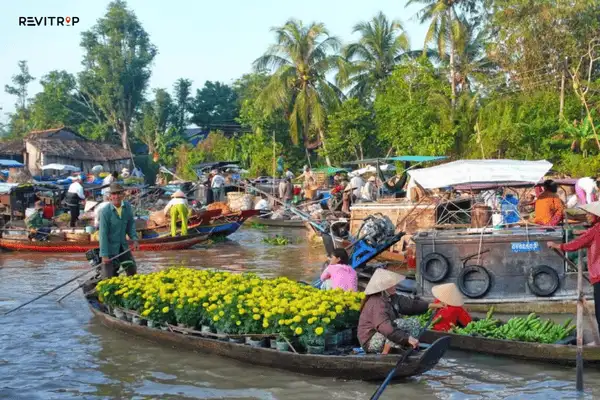
The rainy season brings a different but equally rewarding experience. Floodwaters fill the landscape and the mangrove ecosystem reaches its most vivid state. Lotus fields stretch across the horizon, fish jump in the waterways, and floating markets take on a more lively character. Travelers who enjoy nature and river life will find this season particularly immersive.
Special event: Ok Om Bok Festival
Visiting around the 10th lunar month gives you the opportunity to attend the Ok Om Bok Festival, one of the most important traditional celebrations of the Khmer people.
The festival features cultural performances, traditional games, and community gatherings that offer a genuine window into Khmer life in Southern Vietnam. To make the most of your time around this festival, consider booking a guided Mekong Delta tour through GetYourGuide for a fully organized experience.
4. How to Get to Ca Mau
Getting to Ca Mau requires some planning, but the options available cover every travel style and budget. If you are still planning the broader shape of your Vietnam trip, our guide to transportation in Vietnam covers everything from domestic flights to sleeper buses in one place.
By Plane
Flying is the fastest option, particularly for travelers coming from Hanoi or central Vietnam. The Saigon to Ca Mau route operates daily with a flight time of approximately one hour. Travelers from the north or center can connect through Tan Son Nhat Airport in Ho Chi Minh City.
By Private Car
The drive from Ho Chi Minh City to Ca Mau covers approximately 300 km and takes around eight hours depending on traffic and route. The most commonly used route follows the Trung Luong Expressway before continuing on National Highway 1A through Tien Giang, Vinh Long, Can Tho, and Hau Giang. This route allows for easy stops along the way, making it a good choice for travelers who want to explore the wider Mekong Delta region.
By Motorbike
Motorbike travel suits adventurous travelers who want full flexibility on the road. The journey from Ho Chi Minh City takes six to seven hours and follows the same general route as the private car option. One important note: the Quan Lo to Phung Hiep to Nam Can section of the route has no street lighting, so daytime travel on this stretch is strongly recommended for safety.
By Sleeper Bus
The sleeper bus is the most popular choice among budget travelers. Buses depart regularly from Mien Tay Bus Station in Ho Chi Minh City. Overnight options allow you to sleep on board and arrive in Ca Mau city the following morning, saving both time and accommodation costs for one night.
5. Getting Around Ca Mau
Once you arrive, Ca Mau offers several practical ways to move between destinations within the province.
- Motorbike rental is the most flexible option for independent travelers. It gives you full control over your schedule and makes it easy to reach locations not served by public transport.
- Waterways form a core part of local transport and offer one of the most memorable ways to experience the province. Boat travel to Dat Mui, for example, adds a dimension to the journey that road travel simply cannot match.
- Local buses connect Ca Mau city to surrounding communes, departing from Ca Mau Bus Station. Six routes operate regularly, covering the main populated areas of the province.
- Taxis work well for groups, families with children, or travelers with heavy luggage. Vinasun Ca Mau (0290 38 27 27 27) and Mai Linh Ca Mau (0290 3 78 78 78) are the two most reliable operators in the area.
For day trips and multi-stop excursions around the province, Klook offers a solid range of activities and transport options you can book in advance directly from your phone.
6. Where to Stay in Ca Mau
Ca Mau offers accommodation across a range of budgets, from simple guesthouses to mid-range city hotels. The following options cover the most well-regarded properties in the area:
- Muong Thanh Luxury Ca Mau – C3A Political and Administrative Center, Ward 9, Ca Mau City
- International Hotel – 179 Phan Ngoc Hien, Ca Mau City
- Thu Duy Resort – 323 Ly Thuong Kiet, Hamlet 9, Ca Mau City
- Anh Nguyet Hotel – 207 Phan Ngoc Hien Street, Ward 6, Ca Mau City
- Sai Gon Bac Lieu Hotel – Hoang Van Thu, Ward 3, Bac Lieu City
- Cong Tu Bac Lieu Hotel – No. D13, Dien Bien Phu Street, Ward 3, Bac Lieu City
7. Essential Travel Tips for Ca Mau
A good Ca Mau travel guide always ends with practical advice. Keep these points in mind before and during your visit:
- Pack light, breathable clothing suitable for humid tropical weather
- Bring a jacket, hat, sunscreen, and insect repellent for forest and nature tours
- Carry a small supply of common medications for emergencies
- Wear modest, respectful clothing when visiting pagodas, temples, and communal houses
- Always confirm prices before shopping or using services, particularly in tourist areas
- Keep your phone or camera fully charged as photo opportunities come frequently and unexpectedly
- Carry bottled water and light snacks when heading into natural areas
- Keep valuables secure in crowded markets and floating market areas. For broader safety advice across the country, our guide to scams in Vietnam is worth reading before you set off
- Respect the natural environment and avoid littering in forest and coastal zones
“Ca Mau rewards travelers who arrive prepared and leave with an open mind. The further you go from the city center, the more remarkable the experience becomes.”
Final Thoughts: Why Ca Mau Belongs on Your Vietnam Itinerary
Ca Mau is one of those rare destinations that feels genuinely undiscovered despite everything it has to offer. The southernmost point of Vietnam, a UNESCO biosphere reserve, a rich multicultural heritage, and some of the freshest seafood in the country all converge in a province that most visitors to Vietnam never reach. That is precisely what makes it worth the journey.
Use this Ca Mau travel guide as your starting point, plan your route through the Mekong Delta, and give yourself enough time to go beyond the obvious stops. The rivers, forests, and people of Ca Mau have a way of staying with you long after you leave. When you are ready to lock in your activities and experiences, explore tours across Vietnam on GetYourGuide and find the right itinerary for your trip.
FAQs
The dry season from December to April is the most comfortable time to visit. Attractions like Dat Mui, U Minh Ha Forest, and floating markets are all fully accessible. The rainy season from May to November suits nature lovers, while visiting around the 10th lunar month adds the Ok Om Bok Festival to your itinerary.
Four options are available. Flying takes around one hour and is the fastest. The overnight sleeper bus from Mien Tay Bus Station is the most popular budget choice. Driving by private car takes approximately eight hours via National Highway 1A. Motorbike travel takes six to seven hours, though stick to daytime on unlit sections of the route.
Ca Mau is best known as the southernmost point of Vietnam, where the East Sea meets the Gulf of Thailand at Ca Mau Cape. The province is also celebrated for its UNESCO biosphere reserve, its incredibly fresh seafood especially Nam Can crab, and its deep cultural connection to Southern Vietnamese music through the art of Don Ca Tai Tu.