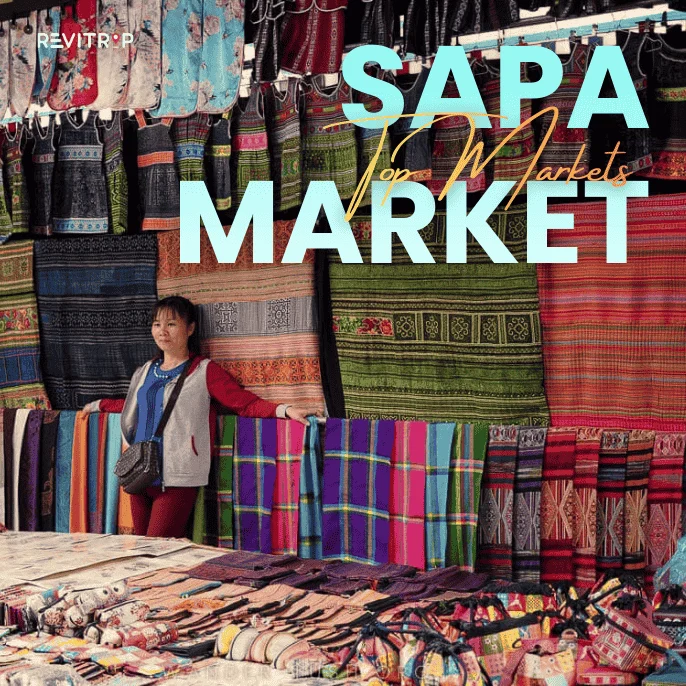
The markets around Sapa offer some of the most authentic cultural experiences in northern Vietnam. Most travelers only find one or two by chance.
These weekly gatherings, known locally as “cho phien,” are not just places to buy things. For H’Mong, Dao, Tay, and other ethnic minority communities, the weekly market is a rare chance to travel. They come down from nearby villages, trade goods, and catch up with neighbors. The best ones feel entirely unperformed, because they are.
Bottom line: Bac Ha on Sunday is the one to prioritize. The Sapa Night Market is the most convenient. For something off the tourist trail, Can Cau on Saturday morning is worth the drive.
Explore more:
Fansipan Mountain: Complete Trekking Guide (2026)
Sapa Weather by Month: When to Visit and What to Expect
Quick Reference: All 10 Markets at a Glance
- Bac Ha Market: Sunday, Bac Ha Town (most impressive, worth a day trip)
- Sapa Night Market: Daily, 6pm to 10pm, Sapa town center (most convenient)
- Can Cau Market: Saturday, Si Ma Cai District (least touristy, great livestock section)
- Love Market: Saturday evening, Sapa town (cultural event with music and food)
- Sapa Town Market: Daily, indoor, two floors (practical, no atmosphere)
- Muong Hum Market: Sunday, 7am to 1pm, Bat Xat District (quieter Bac Ha alternative)
- Coc Ly Market: Tuesday, Bac Ha District (best for highland food and livestock)
- Cao Son Market: Wednesday, Muong Khuong District (handmade textiles, few tourists)
- Sin Cheng Market: Wednesday, Si Ma Cai District (very small, very authentic)
- Lung Khau Nhin Market: Thursday, Muong Khuong District (best mountain views en route)
Booking Hotels/ Attractions Tickets/ Tours near: Klook
The Markets Worth Planning Around
Bac Ha Market (Sunday)
Bac Ha is the most impressive ethnic minority market in the region and worth building your Sapa itinerary around. It draws H’Mong, Dao, Tay, and Nung communities from the surrounding hills and splits into clear zones.
These include brocade textiles, fresh produce, and street food. It also has a livestock area. There, people buy and sell horses, pigs, and cattle in the open air.
Arrive by 8am before tour groups show up mid-morning. The market winds down by noon.
My take: The livestock section alone is worth the 40-kilometer drive from Sapa town. This is the one market I tell every visitor to prioritize.
Can Cau Market (Saturday)
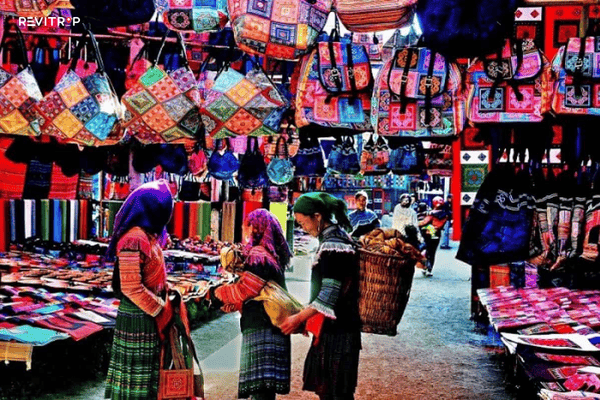
Located about 65 kilometers from Sapa, near the Chinese border, Can Cau attracts about eight ethnic groups. It remains mostly off the tourist trail. The animal trading section is the centerpiece: pigs, chickens, and horses change hands in a system that has not changed much in decades.
Skip it if you are already doing Bac Ha the following day. The two are similar in character and doing both back to back is tiring.
Love Market (Saturday Evening)
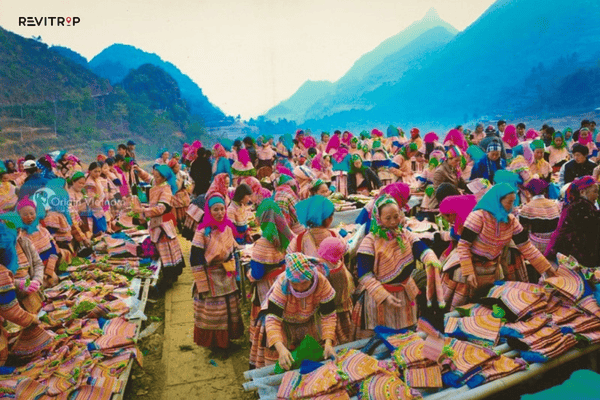
Originally a traditional gathering where young H’Mong and Dao people met potential partners through music and conversation, the Saturday Love Market in Sapa town has evolved into a social event open to everyone. Live traditional music, local food vendors, and brocade stalls fill the town center from early evening. More cultural performance than shopping, but one of the more enjoyable Saturday nights you can have in Sapa.
Sapa Night Market (Daily)
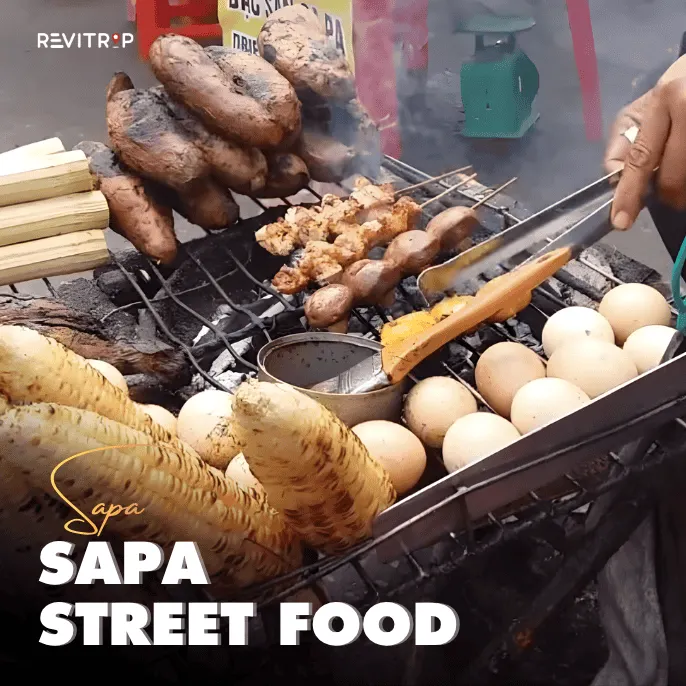
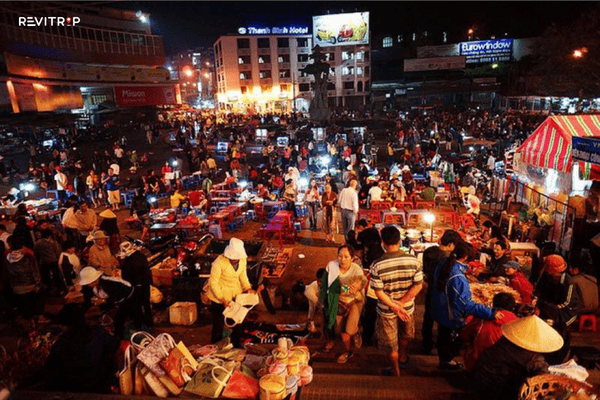
The easiest market to fit into any schedule since it requires no extra travel. Stalls near the church sell handmade quilts, embroidered bags, jewelry, and local crafts every evening. The food section is the highlight: grilled pork skewers, sticky rice cakes, roasted corn, and hot soups.
Prices are tourist-facing and bargaining is expected. Walk the full length before committing to anything.
The Quieter Markets (Worth It for the Right Traveler)
Muong Hum on Sunday is a solid Bac Ha alternative with smaller crowds and equally authentic ethnic diversity. It closes by 1pm so arrive early.
Cao Son on Wednesday stands out for handmade textiles produced using traditional methods from start to finish. If you want real handcrafted fabric, not machine-made fabric sold for the same price, this is the best place.
Sin Cheng and Lung Khau Nhin are the most off-the-radar options. Very few foreign visitors come here. Most visitors are local traders.
The road to Lung Khau Nhin offers some of the best valley views. It is one of the best market journeys in the province.
Coc Ly on Tuesday is worth visiting for the highland food and the livestock section, with a backdrop of the Nậm Thi River valley.
Practical Tips
Getting there: Most outlying markets require a hired car or motorbike. A car for the day costs around 600,000 to 900,000 VND ($24 to $36). The mountain roads to Bac Ha and Can Cau are manageable on a motorbike but require real riding experience.
Booking train, bus, private car there: Bookaway
What to buy: Handwoven indigo textiles, silver jewelry, embroidered bags, and local herbal products. Look for hand-stitched seams and natural dye variation as signs of genuine handwork.
Bargaining: Expected everywhere except Sapa Town Market. Start at around 60 to 70 percent of the asking price.
Photography: Ask before photographing individuals. A small gesture of acknowledgment almost always results in a better photo anyway.
Final Verdict
First visit: Bac Ha Sunday plus the Sapa Night Market covers both ends of the spectrum well.
Deeper experience: add Can Cau on Saturday or Muong Hum on Sunday.
Convenience only: the town market and night market are reliable without requiring any planning.
FAQ
The main Sapa Market is commonly described as open daily in the morning to late afternoon (roughly 8:00 AM to 4:00 PM). The nearby Sapa Night Market typically runs weekend evenings (often Fri–Sun, around 4:00–10:00 PM).
It’s in Sapa town center, near Xuan Vien Street by the lake area. One listed address is 91 Xuan Vien Street, Sa Pa, Lao Cai.
For textiles and handmade pieces, start at Sapa Market and the small boutiques along central streets (Cau May/Xuan Vien area). For more curated shops, places like Indigo Cat and Hemp & Embroidery are frequently recommended by travelers.