Booking hotels online has become the standard way travelers reserve stays worldwide. Platforms like Booking.com, Agoda, and Airbnb make finding and reserving rooms incredibly easy. However, booking hotels in Vietnam comes with unique risks that can turn smooth trips into stressful situations.
Imagine arriving at your hotel after a long flight only to find your reservation canceled. Or worse, discovering the property has no record of your booking despite confirmation emails. These scenarios happen more often than travelers expect in Vietnam’s hospitality sector.
Recent reports from Phu Quoc Island and Da Nang reveal real cases where confirmed online reservations failed. Guests arrived to find overbooked properties, canceled bookings, or completely fake listings that took payments but provided no rooms. Understanding these risks helps you avoid similar problems during your Vietnam trip.
This guide explains why booking hotels can fail in Vietnam, shares verified examples, and provides five practical safety tips. Following these strategies protects your travel plans and ensures smooth check-ins throughout your journey.
Why Booking Hotels Sometimes Fails in Vietnam
Outdated Systems and Manual Management
Many smaller Vietnamese hotels, guesthouses, and homestays still manage room inventory manually. Their availability often isn’t updated in real time on online platforms. As a result, booking hotels that show available rooms online doesn’t always guarantee actual rooms upon arrival.
In early 2026, authorities on Phu Quoc Island suspended a homestay after foreign tourists arrived to find their Agoda bookings could not be honored. The property Your House PQ 2 had sold out rooms but failed to update availability online. Multiple guests including a French couple arrived on December 31st finding no available rooms despite confirmed reservations.
Overbooking Practices Create Problems
Some Vietnamese properties intentionally overbook to maximize revenue, assuming not all reservations will actually arrive. When all guests show up, the hotel must cancel some bookings. This practice affects both budget guesthouses and mid-range properties.
The Phu Quoc Special Economic Zone government issued official warnings about overbooking risks after multiple tourist complaints. Travelers with confirmed bookings were forced to find alternative stays at the last minute during peak holiday periods.
Fragmented Supply Chains Cause Confusion
Many hotels list rooms through multiple intermediaries before they appear on major platforms. Miscommunication or delayed updates between these intermediaries lead to double bookings or inventory errors. Booking hotels through these complex chains increases failure risks.
Da Nang authorities reported rising online booking scams where travelers’ prepaid reservations were not recognized by properties. These often resulted from unverified third-party listings that accepted payments but never confirmed rooms with actual hotels.
Real Traveler Problems With Hotel Bookings
Verified Phu Quoc Incidents
Several tourists in Phu Quoc had confirmed bookings canceled because homestays failed to update online inventory properly. Local authorities intervened after multiple complaints forced official investigations. These incidents occurred during peak travel season when demand exceeded supply significantly.
Guests who prepaid through online platforms faced particular difficulties. Getting refunds required weeks of platform communication while travelers scrambled for expensive last-minute alternatives during sold-out periods.
Da Nang Fake Listing Warnings
Da Nang city authorities warned specifically about fake online hotel listings that accepted payments but didn’t provide actual rooms. These scam operations led to financial losses and stressful last-minute searching for legitimate stays.
Some fake listings copied photos from real hotels, making scams difficult to detect before booking. Travelers only discovered problems upon arrival when real properties had no record of their reservations or payments.
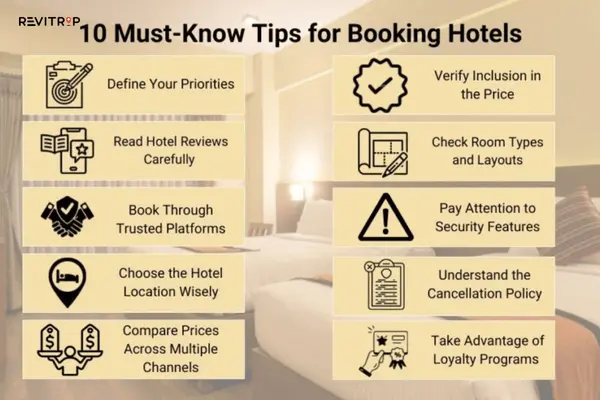
Five Essential Safety Tips for Booking Hotels
Confirm Directly With the Property
After booking hotels online, always contact the property directly to verify your reservation. A quick phone call or email can prevent misunderstandings and last-minute cancellations. Ask staff to confirm your booking reference number, check-in date, room type, and any special requests.
This simple step catches inventory errors before you arrive. If the hotel has no record of your booking, you have time to resolve issues with the platform or find alternative stays. Direct contact also lets you communicate special needs like early check-in or late arrival.
Choose Reputable Hotels and Chains
International hotel chains or well-established Vietnamese brands usually have reliable inventory management systems. These properties reduce booking failure risks significantly compared to small independent guesthouses. Their professional systems update availability in real time across all platforms.
Well-known chains also maintain customer service standards that resolve problems quickly if issues occur. Brand reputation matters to these properties, so they prioritize honoring confirmed reservations even when mistakes happen.
Use Reliable Platforms With Strong Guarantees
Select booking hotels platforms that offer guarantees or robust customer support. Read cancellation policies carefully before confirming reservations. Understand exactly how refunds work if properties fail to honor bookings.
Major platforms like Booking.com and Agoda provide customer service that advocates for travelers when problems arise. They can pressure properties to honor bookings or arrange alternative stays at their expense. Smaller platforms may lack resources to help when issues occur.
Read Recent Guest Reviews Carefully
Check reviews from the past 1 to 3 months specifically. Look for mentions of cancellations, overbooking, or arrival problems. Recent experiences reflect current property management quality better than older reviews from years ago.
Pay attention to how properties respond to negative reviews. Hotels that acknowledge problems and explain solutions demonstrate better customer service than those ignoring complaints. Multiple recent cancellation complaints signal serious red flags worth avoiding.
Book Through Trusted Travel Companies
The most reliable way to avoid booking hotels problems is working with established Vietnam travel companies. These companies secure reservations directly with properties, verify bookings before your arrival, and handle any problems on your behalf.
Professional travel companies maintain relationships with hotels ensuring priority treatment. If issues occur, they can quickly arrange alternative stays without stress or expense to travelers. This approach eliminates most booking risks while providing worry-free trips.
Additional Smart Booking Practices
Communicate Special Requests Clearly
Notify hotels of early check-in needs, late arrivals, or family requirements when booking hotels online. Follow up with direct contact to confirm the property received and can accommodate your requests. Clear communication prevents arrival surprises and disappointments.
Avoid Last-Minute Bookings During Peak Season
High demand during holidays, Tet, and summer months increases error likelihood. Book well ahead during these periods to secure confirmed rooms. Last-minute bookings face higher cancellation risks when properties are fully booked.
Keep All Confirmation Documents
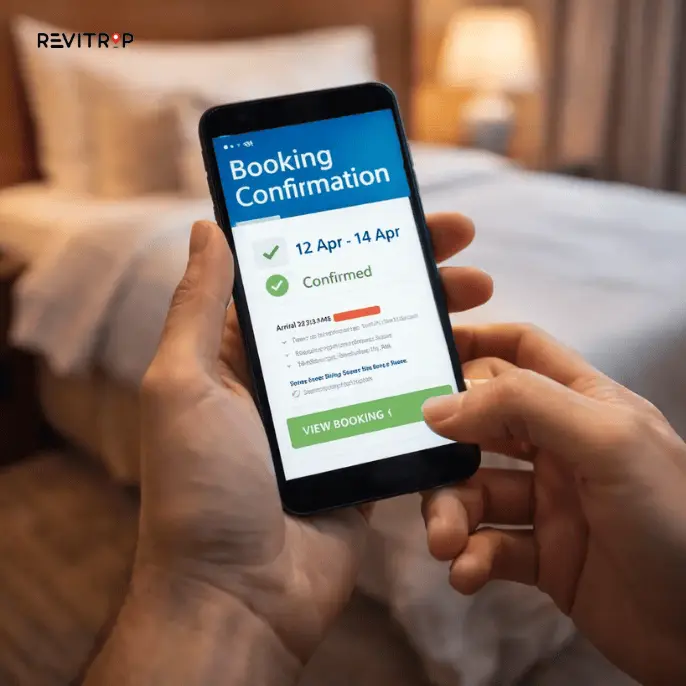
Save booking confirmations, payment receipts, and communication records. Having documentation helps resolve disputes if properties claim no record of your reservation. Screenshots of confirmation pages prove your booking existed regardless of system errors.
Protect Your Vietnam Hotel Reservations
Booking hotels in Vietnam requires more caution than in some other destinations. Manual inventory management, overbooking practices, and fragmented supply chains create real risks for travelers. However, following smart booking practices significantly reduces these problems.
Always confirm reservations directly with properties after booking online. Choose reputable hotels with reliable systems and strong reviews. Use major platforms with customer guarantees and support. Most importantly, consider booking through trusted Vietnam travel companies that handle verification and problem resolution.
Your Vietnam vacation should focus on exploring stunning landscapes and rich culture, not worrying whether hotel rooms actually exist. Smart booking practices and reliable partners ensure smooth, stress-free journeys from start to finish.
Continue planning with our guides to safe Vietnam travel tips and best Hanoi hotels for complete trip preparation.
FAQ
Yes, booking hotels online in Vietnam is generally safe when using reputable platforms and following verification steps. Confirm reservations directly with properties and choose established hotels to minimize risks of cancellations or scams.
Contact your booking platform’s customer service immediately for assistance. They can arrange alternative stays or process refunds. Having a trusted travel company as backup provides faster problem resolution than dealing with platforms alone.
Booking.com and Agoda maintain strong presence in Vietnam with good customer support. Both offer guarantees and assistance when properties fail to honor reservations. Always read recent reviews regardless of platform used.