If you plan a trip to Hanoi and want to feel the city through food, try xoi xeo (xôi xéo). This humble but deeply satisfying street food has shaped Hanoi’s breakfast culture for generations.
Students, workers, and food lovers alike love it. Golden in color, rich in flavor, and very affordable, xoi xeo Hanoi is more than a meal. It is a window into Vietnam’s culinary heritage.
What Is Xoi Xeo?
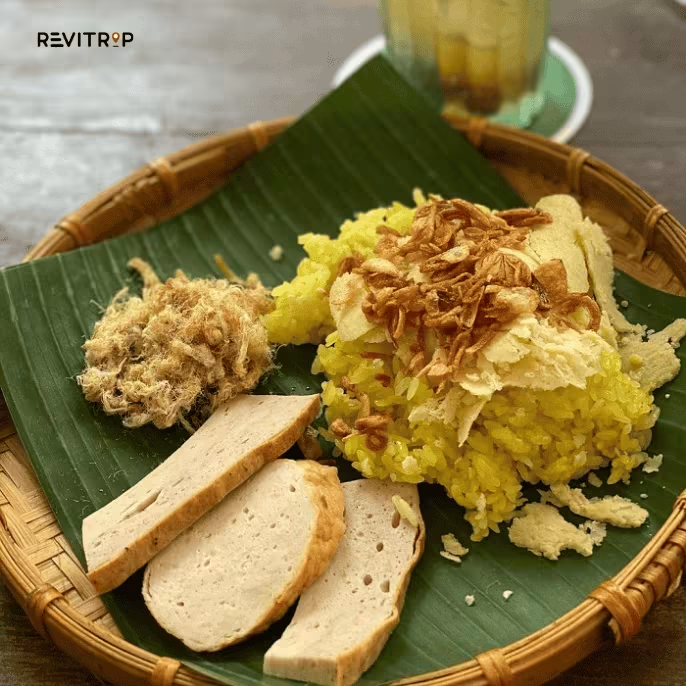
Xoi xeo is a traditional Vietnamese sticky rice dish.
It uses glutinous rice cooked in turmeric water.
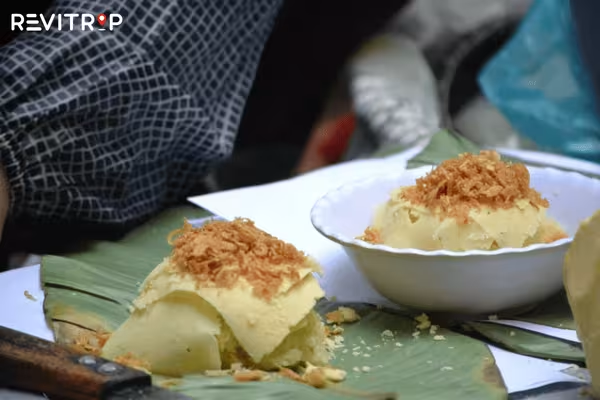
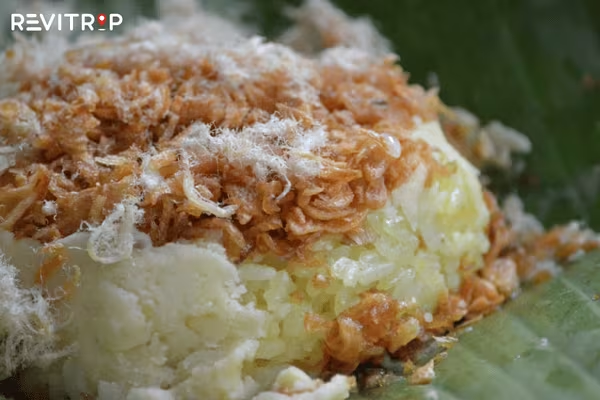
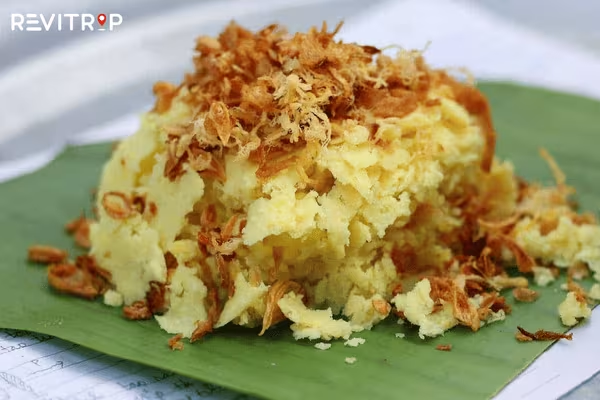
This gives it a bright yellow color. A thick layer of steamed, hand-mashed mung bean paste tops it. Then we finish it with crispy fried shallots and a drizzle of chicken fat.
You can also use fragrant shallot oil. The result is a dish that is visually striking, aromatically irresistible, and texturally satisfying all at once.
The name “xoi xeo” carries a curious mystery. In Vietnamese, the word “xeo” is often used as an informal, slightly rude way to tell someone to go away.
It is not the kind of name you expect for a beloved dish. Despite this quirky language history, nobody truly knows where the name came from. The dish remains a cherished part of Hanoi’s food culture.
The Ingredients That Make Xoi Xeo Special
One remarkable thing about xoi xeo is how it turns a few simple, everyday ingredients into something special. It uses basic ingredients. It still feels special. The core components are:
- Glutinous rice – Long, even grains are preferred. Wash the rice well and soak it in turmeric water for several hours before steaming. This gives the dish its clear golden hue.
- Turmeric powder – A natural food color and flavor. Turmeric gives xoi xeo its bright color. It also helps it stand out from other sticky rice types.
- Mung beans – Carefully selected, soaked, peeled, and then steamed until soft. Mash the cooked mung beans into a smooth paste and shape the paste into large balls, then hand-slice the balls into thin pieces to layer over the rice.
- Shallots – Thinly slice and deep-fry until golden and crispy. Fried shallots add a savory crunch and a wonderful aroma. They lift the whole dish.
- Chicken fat or shallot oil – A small spoonful drizzled over the top adds richness and ties all the flavors together.
Despite its short ingredient list, xoi xeo is one of the hardest sticky rice dishes to make well. Cook the rice perfectly make it sticky but not mushy, tender but not falling apart. Many skilled vendors actually steam the rice twice to achieve the ideal texture: a first steam to partially cook the grains, then a rest, followed by a second steam with a touch of fat added.
Xoi Xeo as a Hanoi Breakfast Tradition
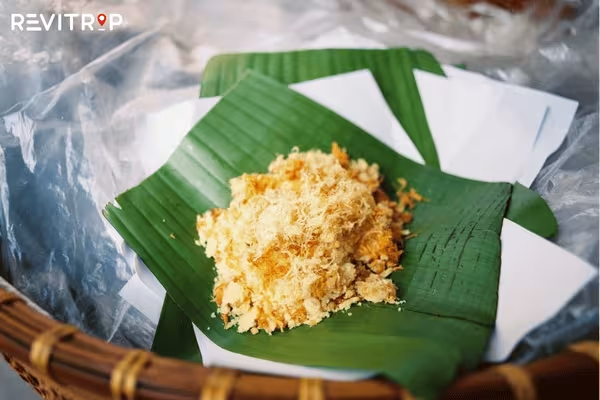
Walk through any neighborhood in Hanoi early in the morning and you will almost certainly encounter xoi xeo. Vendors carry warm bamboo baskets on their shoulders or strap them to their bicycles, selling portions wrapped in banana leaves or old newspaper to keep the rice warm. The scene is quintessentially Hanoian — a crowd gathering around a small basket, waiting patiently for their morning serving of golden sticky rice.
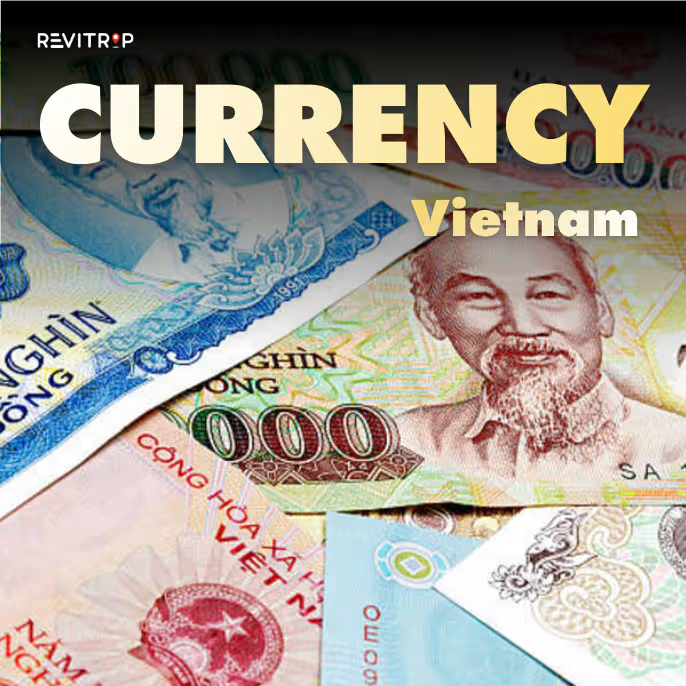
Xoi xeo is especially popular with students and manual workers thanks to its low price and high caloric value. A standard portion typically costs between 10,000 and 35,000 VND (less than $2 USD), making it one of the most budget-friendly breakfast options in the capital. Yet despite its modest price tag, xoi xeo is deeply flavorful and filling — enough to carry you through half a day of activity.
The dish is also incredibly versatile. While the classic version features just rice, mung bean, fried shallots, and fat, modern vendors often offer a range of optional toppings. Popular additions include pork floss (ruoc), shredded chicken, Chinese sausage, fried eggs, and even braised pork belly. Each topping adds a new dimension of flavor while preserving the comforting base of the dish.
The Art of Preparing Xoi Xeo
Making xoi xeo at home or watching a street vendor prepare it is itself an experience worth having. The vendor’s hands move with the practiced speed of someone who has made this dish thousands of times.
The mung bean balls are shaped by hand, then sliced swiftly with a sharp knife into even, thin rounds. Each bowl or banana-leaf wrap is assembled quickly: a scoop of golden rice, a layer of sliced mung bean, a scatter of crunchy shallots, and a final drizzle of fat.
Traditional xoi xeo preparation traces back to old wards of Hanoi such as Phu Thuong, Tan Mai, and Tuong Mai, areas long renowned for their skill in cooking this dish.
Every morning, batches of freshly made sticky rice are transported downtown to be sold throughout the streets and alleys of the city — and they almost always sell out before the morning rush ends.
Where to Eat Xoi Xeo in Hanoi
Hanoi has no shortage of excellent places to try this iconic dish. Here are some of the most well-known spots:
Xoi Xeo Co May (No. 31 La Thanh Street, Giang Vo Ward) is one of the most famous xoi xeo vendors in the city, with over 20 years in business. Locals praise it for its authentic flavors, home-made ingredients, and the vendor’s impressive speed in hand-cutting the mung bean. Prices here range from 10,000 to 20,000 VND, making it extremely accessible.
Xoi Xeo Oanh Oanh on De La Thanh Street is another beloved address, known for offering a wide variety of toppings including braised pork, stir-fried chicken with mushrooms, braised eggs, and sausage — perfect for those who want a heartier meal.
Xoi Xeo Chi Huong has been serving its version of the dish for over 16 years. Every step of the preparation — from frying the shallots to steaming the rice and cooking the mung beans — is handled by the family themselves, ensuring consistent quality and an authentic taste.
Xoi Yen in Hanoi’s Old Quarter is a famous institution that has put a creative spin on the traditional recipe, serving xoi xeo alongside innovative toppings like stir-fried chicken with mushrooms and braised eggs. The atmosphere here, with its small pavement chairs and buzzing crowd of locals, is an experience in itself.
Why Xoi Xeo Deserves a Place on Your Hanoi Food List
Xoi xeo is one of those dishes that perfectly captures what makes Vietnamese street food so special: fresh ingredients, skillful preparation, bold flavors, and an unbeatable price. It is a dish that has sustained generations of Hanoians and continues to draw food lovers from around the world.
Whether you grab a banana-leaf wrapped portion from a street vendor at 7 in the morning or sit down at one of Hanoi’s famous xoi xeo shops for a more leisurely meal, you are participating in a culinary tradition that is deeply woven into the fabric of this city. The combination of golden turmeric rice, creamy mung bean, and crispy shallots is simple on paper but unforgettable in practice.
If you only have time for one street food in Hanoi, make it xoi xeo. Your taste buds — and your budget — will thank you.
Tips for First-Time Xoi Xeo Eaters
- Go early. Xoi xeo is strictly a morning dish. Most vendors sell out by 9 or 10 AM, so aim to be there at breakfast time.
- Eat it fresh. The dish is best consumed immediately after it is prepared, while the rice is still warm and the shallots are still crispy.
- Customize your toppings. Don’t be shy about asking for extra shallots or choosing a topping that interests you. Vendors are used to customizing portions.
- Bring small change. Most street vendors don’t handle large bills easily, so have 10,000–20,000 VND notes ready.
- Pair it simply. Xoi xeo is filling on its own. A small cup of hot Vietnamese tea on the side is the classic accompaniment.
Hanoi’s food scene is vast and endlessly rewarding, but few dishes offer as authentic a window into everyday local life as a warm parcel of xoi xeo in the early morning. It is, quite simply, one of Vietnam’s greatest street food treasures.
FAQ
Xoi xeo is Hanoi-style sticky rice colored yellow with turmeric and topped with mashed mung bean, crispy fried shallots, and a little fat or shallot oil.
A basic portion is usually cheap and fills you up fast. Price goes up if you add meat toppings like sausage, egg, or braised pork.
It’s savory, rich, and slightly fragrant from fried shallots and mung bean. The texture is the whole point: sticky rice, creamy bean, crunchy shallots.