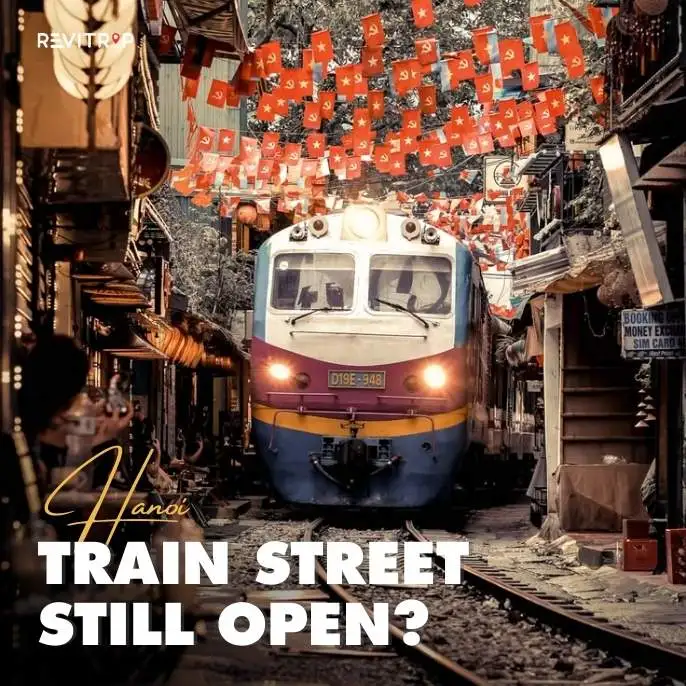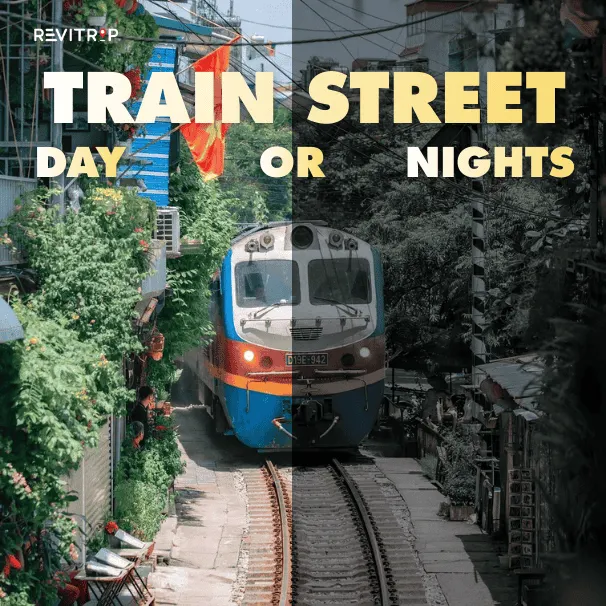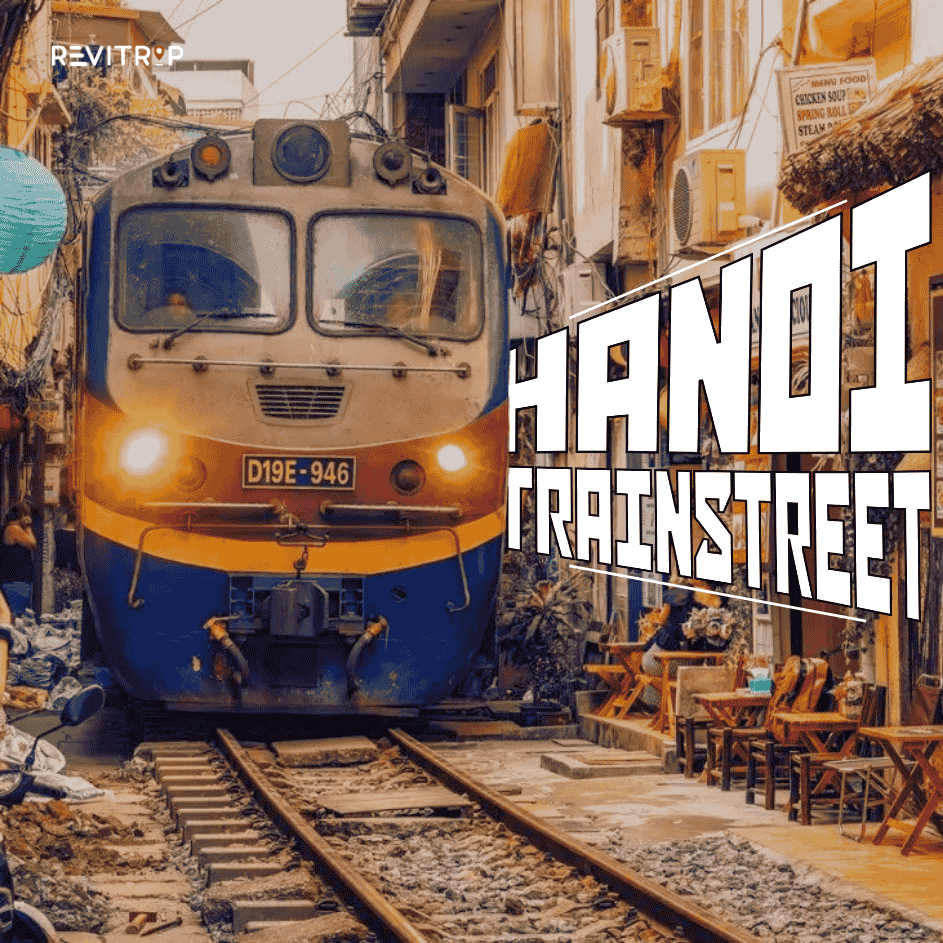
Train street Hanoi is not a normal “walk up, wander, snap photos” attraction anymore. Think of it as a live railway corridor that sometimes behaves like a tourist spot and sometimes behaves like exactly what it is – an active track with enforcement, mood swings, and very little patience for chaos. Officials restrict access, set up checkpoints, and can tell you to leave even if you swear you ‘just wanted one picture.
If you still want to try it, the goal is not adrenaline. The goal is a clean, low-drama visit that respects the neighborhood and keeps the whole plan calm, legal, and low-stress.
What “open” actually means
A lot of posts treat train street like a binary: open or closed. In reality, enforcement comes in waves. In late November 2025, authorities cleared illegal canopies and seating and had shop owners sign commitments not to violate railway safety rules – and then cafés began setting tables out again once enforcement teams left.
In March 2025, Hanoi’s tourism authorities told travel agencies to stop organizing tours to train street for safety and public order.
By early January 2026, the city was even discussing bigger measures around the corridor – including proposals related to train operations through the “railway café street.”
So the practical reality is: Some days they let you in. Other days staff or police turn you away – and neither outcome means ‘the internet lied.’ It’s a controlled safety corridor that sometimes tolerates visitors and sometimes doesn’t.
Why this place gets policed
Train street is famous because it’s absurdly narrow – homes and cafés pressed right up against rails. That same geometry is why it’s a safety problem. Hanoi authorities have conducted crackdowns that removed illegal seating and structures and required shop owners to commit not to violate railway corridor rules – and then, predictably, the scene often creeps back.
The takeaway is: you are a guest in a space that is constantly negotiating its own boundaries. Your job is to not be the reason the negotiation gets uglier.
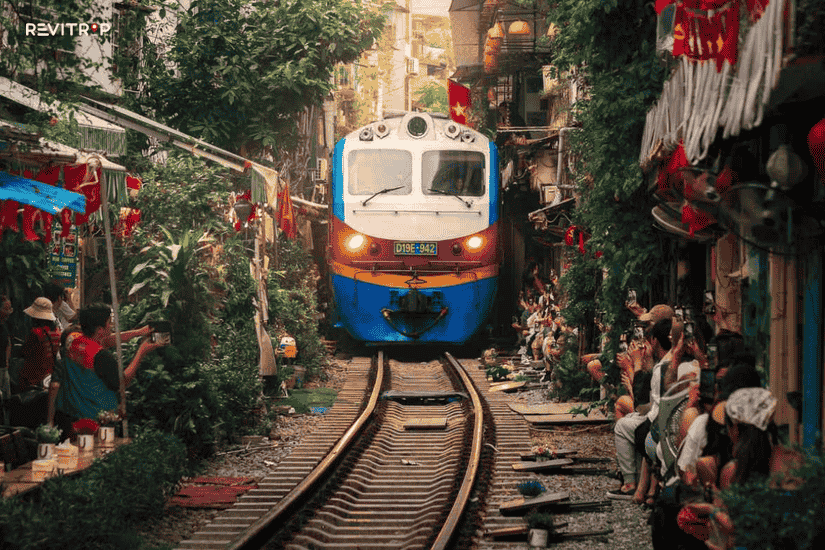
A safety-first plan for train street
Here’s the mindset that works: treat train street like a bonus stop. If you build your day around it and hit a hard no at the entrance, you’ll spend the next hour heat-walking in circles, annoyed at everyone. If you treat it as optional, you stay calm, flexible, and weirdly powerful.
A simple 30–45 minute plan (no heroics)
| Step | What to do | Why it matters |
| 1 | Arrive with a time cap (45 minutes). | Prevents sunk-cost spirals if access is restricted. |
| 2 | If there’s a checkpoint, don’t argue. Pivot immediately. | Access can be controlled, and you may be turned away at checkpoints. |
| 3 | If you’re seated at a café, stay where staff tells you – and keep your feet off the track area. | Staff are trying to keep the corridor “safe enough” to exist. |
| 4 | If it feels cramped, loud, or pushy – leave. | Crowding is what triggers enforcement cycles. |
Safety and etiquette that tourists keep getting wrong
Train street has one social contract: you don’t get to treat an active railway like a set. If you want the shot, take it from a position that doesn’t interfere with operations or residents’ daily life.
Keep it simple:
- No standing on the rails for photos. When you see people do it, they don’t earn permission – they trigger a moment where staff (or police) yells at someone, or worse.
- No tripods, no “I’ll be quick,” no last-second dashes. The corridor is narrow. Your gear becomes everyone’s problem fast.
- Don’t film residents like they’re part of your content. This is a neighborhood first, a spectacle second.
If you’re traveling with kids, anyone with mobility limits, or anyone who gets overwhelmed by tight crowds, do yourself a favor and skip it. Hanoi has a hundred better “close-up” experiences that don’t involve trains.
Hanoi Train Street: Honest Guide (Worth It or Overrated?)
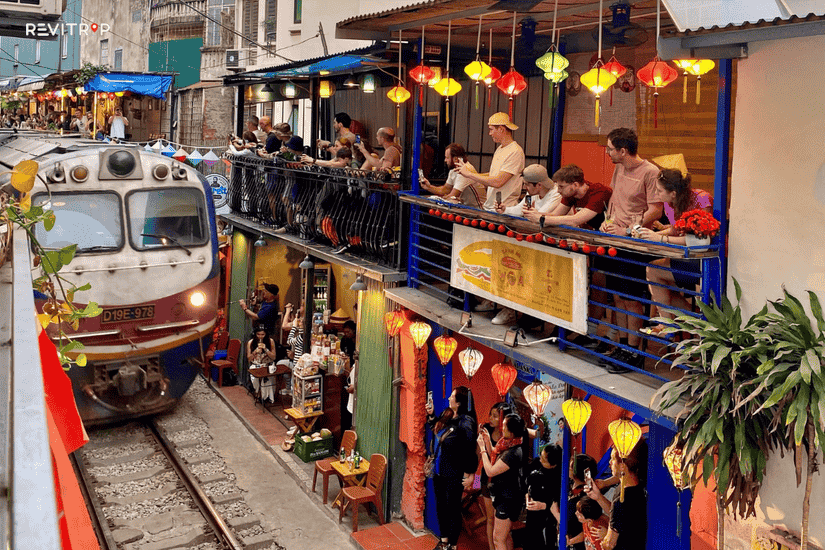
A clean pivot that still feels “Hanoi”
The best travelers aren’t the ones who force Plan A. They’re the ones who can switch plans without emotional damage.
If train street doesn’t happen, do one of these instead (same hour, same general zone, zero drama):
- Go do an Old Quarter walk loop and spend your “train street coffee budget” on a café with a balcony view. (What to See in Hanoi Old Quarter: 15 Must-Visit Spots)
- Swap the adrenaline for something cinematic: a slow wander, a small museum, a lake-side reset. (Best Museums in Hanoi: 7 Worth Visiting (And 2 to Skip))
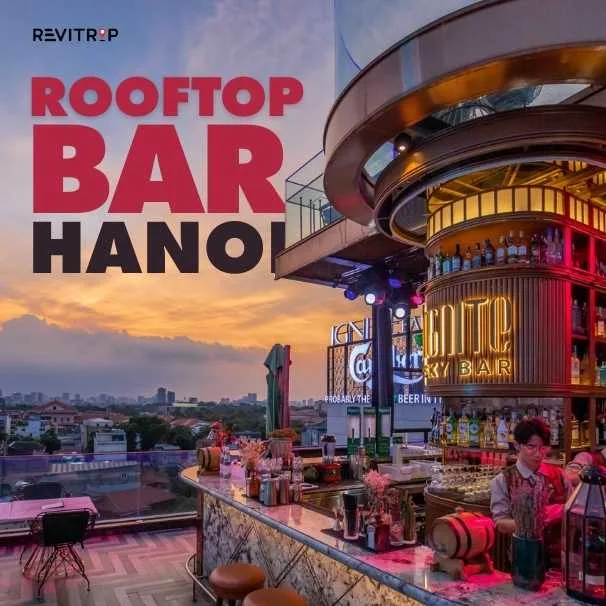
- If your real goal was photos, choose an alley that doesn’t involve rail enforcement and make it a street-style shoot. (Rooftop Bar Hanoi: Top 5 Best Sky-High Spots)
Notice the pattern: you still get texture, you just stop arguing with infrastructure.
Is train street Hanoi worth it?
It depends on what you want.
If you want a once-in-your-life “how is this real” moment and you can accept that it might not work on the day – it can be worth trying, briefly, politely. If you need guaranteed access and a tidy itinerary, choose a different stop.
My filter is blunt: If you can’t handle police turning you away, don’t go. That anger is how tourists turn into the story locals complain about later.
FAQ
Train street Hanoi does not have a “tourist schedule” you can trust like a museum timetable. Trains can run late, run early, or change day to day, and most people end up relying on whatever the nearby cafés (or locals) tell them that same day. If you go, show up with a time cap (45–60 minutes), ask for the next pass time, and keep yourself off the tracks while you wait.
It’s better to think “restricted” rather than permanently open or permanently closed. Hanoi’s tourism authority has asked travel agencies to stop organizing train street tours due to safety and public order concerns, and police sweeps have repeatedly cleared tables and crowds from the railway corridor. Have a backup stop in the Old Quarter so you don’t waste your whole day trying to force it.
Most visitors talk about two main stretches: the Kham Thien – Le Duan area and the Phung Hung – Tran Phu area. In real life, you enter by slipping into a small alley off those streets and checking whether staff or police control the corridor that day. If you run into a checkpoint or someone tells you to leave, take the hard no and pivot – arguing only makes it worse.