Hanoi has a talent for making you overconfident. The distances look short. The “must-sees” look stackable. Then you step outside and the city reminds you it runs on heat, traffic, queues, and a hundred tiny decisions you didn’t plan for. That’s how people end up with a day that feels busy but strangely empty.
Most guides hand you a checklist. I’d rather give you a filter. Choose fewer stops, sequence them intelligently, and Hanoi starts to feel cinematic instead of chaotic. You’ll still catch the iconic moments – you’ll just arrive with enough bandwidth to actually enjoy them.
My simple rule
Build one loop, not a checklist. Pick one anchor zone, add two nearby stops, and protect one quiet buffer (coffee, museum, lakeside walk).
In practice: 3–5 Hanoi points of interest per day is the sweet spot. More than that and your itinerary becomes transit.
Step 1: Choose your anchor zone first (then choose the points of interest)
Hanoi isn’t one neat cluster of highlights. It’s multiple zones with different pacing and different “friction”: crowds, traffic density, closing hours, and how much effort it takes to simply move between places. If you pick the zone first, you stop bleeding time on logistics.
Anchor zones (pick one and build around it)
| Anchor zone | Best for | Best time to do | Typical stops (choose 1–2) |
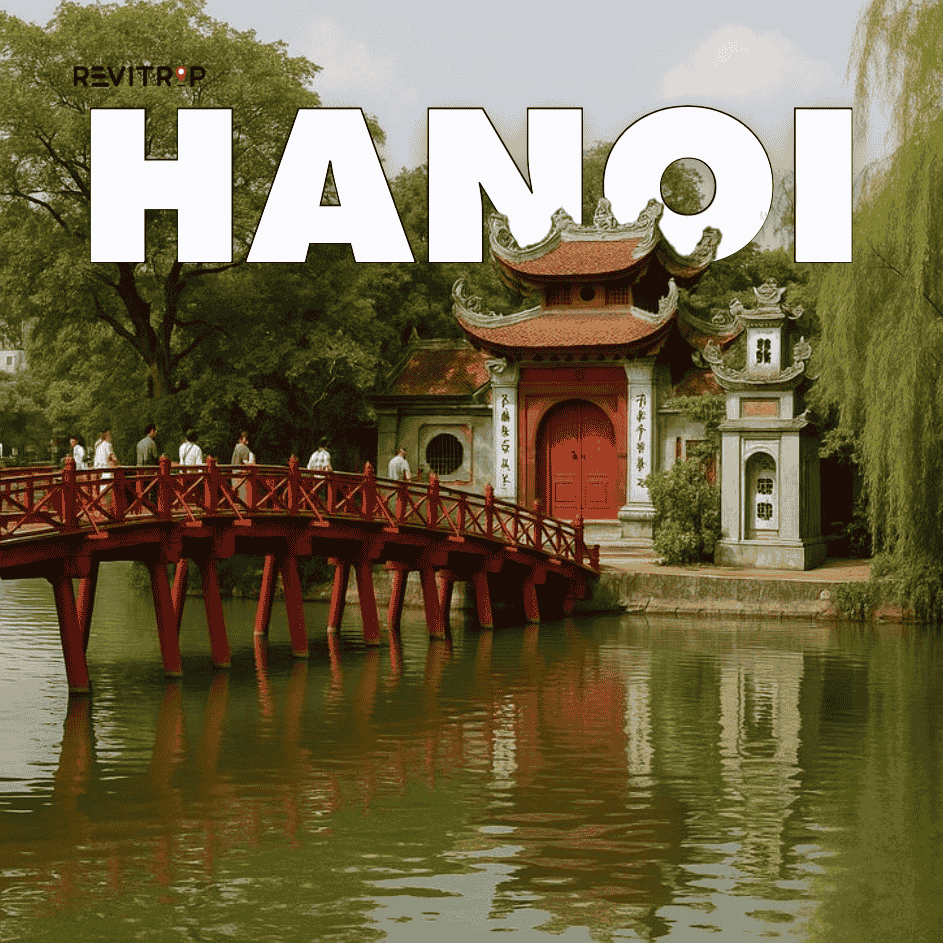
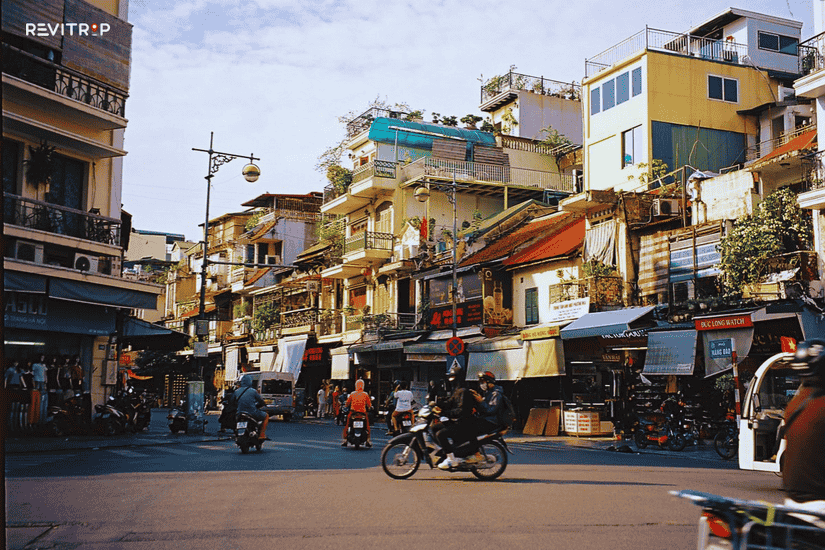
| Hoan Kiem + Old Quarter | First-time orientation, street texture, walkability, high-energy city core | Early morning for calm, or late afternoon into night for atmosphere | Hoan Kiem Lake loop, Old Quarter lanes, Ngoc Son Temple, Dong Xuan area (crowd-heavy, very local) |
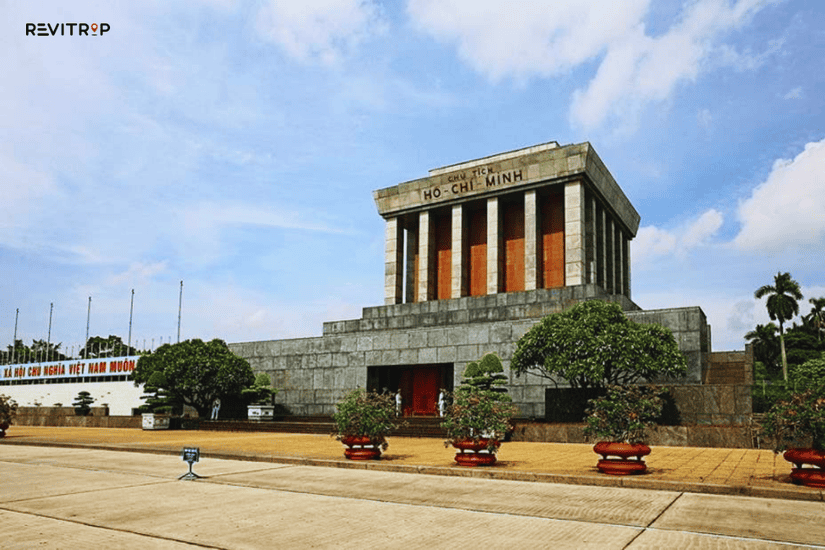
| Ba Dinh | Museums, landmark “big frame” sights, more formal Hanoi | Morning (before queues and heat compound) | Ho Chi Minh complex vicinity, adjacent museums, wide boulevards with less sensory chaos than Old Quarter |
| West Lake | Decompression, temple visits with breathing room, café-and-walk pacing | Late afternoon + sunset | Tran Quoc Pagoda area, a lakeside café, a slow perimeter walk (less “attraction hunting”) |
| French Quarter + Opera House zone | Architecture strolls, a more composed central aesthetic, compact museum hops | Daytime to golden hour | Architecture walk, a museum/gallery stop, coffee with a view (rooftop if you want skyline) |
The point isn’t to “finish” a zone. It’s to let one zone carry your day so your choices stay coherent.
Step 2: Timing is your hidden superpower
Hanoi can feel effortless if you respect timing, and brutally inefficient if you don’t. A few practical truths:
- Official, ticketed, or security-heavy places almost always work best in the morning.
- Walking neighborhoods (Old Quarter, architecture streets) feel best when the light softens: late afternoon into early night.
- Midday is where itineraries go to die if you treat it like more sightseeing time. Use it as a controlled reset: long lunch, museum, café, shade.
If you only take one idea from this: plan your “high-friction” stop early, then coast. Don’t do the reverse.
Step 3: Getting around – keep it tracked and boring (in the best way)
The most expensive thing in Hanoi isn’t the ride. It’s the decision fatigue. When your plan is vague, every move becomes a negotiation: which direction, which vehicle, which entrance, which “quick stop” that isn’t quick.
Keep your movement legible. These defaults are boring on paper and luxurious in real life:
- Walk inside one zone whenever possible (especially Hoan Kiem/Old Quarter).
- Use Grab for zone-to-zone jumps to reduce price friction and route improvisation.
- Avoid “freeform hopping” (five short rides usually feel worse than one clean ride + walking).
- Carry small cash for low-friction moments (water, small entry fees, quick purchases).
When movement is predictable, the city feels friendlier. Not because Hanoi changed – because your mental load dropped.
Three loops you can copy-paste (and still feel like you discovered Hanoi)
These aren’t rigid itineraries. They’re shapes. Keep the shape, swap a stop, and you still win.
Loop 1: First-day classic (orientation + texture)
Start with Hoan Kiem + Old Quarter. Keep it walk-heavy and light on transport.
- Morning: Hoan Kiem Lake loop + one short temple stop
- Late morning: Old Quarter wander (with one food target, not five maybes)
- Midday: café buffer (non-negotiable)
- Late afternoon: return for the best walking light
- Night: street-food plan in one neighborhood, then stop
Loop 2: History + calm (less sensory overload)
This is the “structured” day: one major landmark, one museum, then a composed stroll.
Morning in Ba Dinh (choose depth over quantity), long lunch reset, then drift through the French Quarter at a slow pace. Finish early. Hanoi doesn’t require a late-night victory lap every day.
Loop 3: West Lake decompression (the soft version of Hanoi)
If you want Hanoi to feel breathable, do West Lake late afternoon into evening. You’re not trying to “see everything.” You’re letting the city loosen its grip. Start near Tran Quoc, walk, pick one café, stay put for sunset, then eat nearby.
The common thread: one anchor, minimal cross-city jumping, and a buffer that protects the vibe.
Etiquette, safety, and avoiding small frictions
Hanoi rarely ruins a day with big drama. It chips away with small frictions: crowd pressure, opportunistic offers, rushed crossings, and tourist-corridor nonsense. Your best defense is calm consistency.
- Crossing roads: move steadily; don’t sprint; don’t freeze mid-lane. Predictability is safety.
- Temples: cover shoulders and knees when you can, soften your voice, and treat worship halls like living spaces – not sets.
- Photos: avoid flash inside sacred interiors; ask before photographing people up close.
- Scam resistance: if something feels “too convenient,” your safest move is a polite no and forward motion.
You don’t need to be paranoid. You just need to be hard to rush.
FAQ
A Hoan Kiem Lake loop plus a short Old Quarter wander. If you add one more stop, make it a quick temple visit like Ngoc Son.
The Old Quarter’s street energy, coffee culture, and that layered “old-meets-everyday” atmosphere around Hoan Kiem.
Do one loop: Hoan Kiem + Old Quarter (morning) → midday café buffer → late-afternoon walk → one neighborhood for dinner at night.