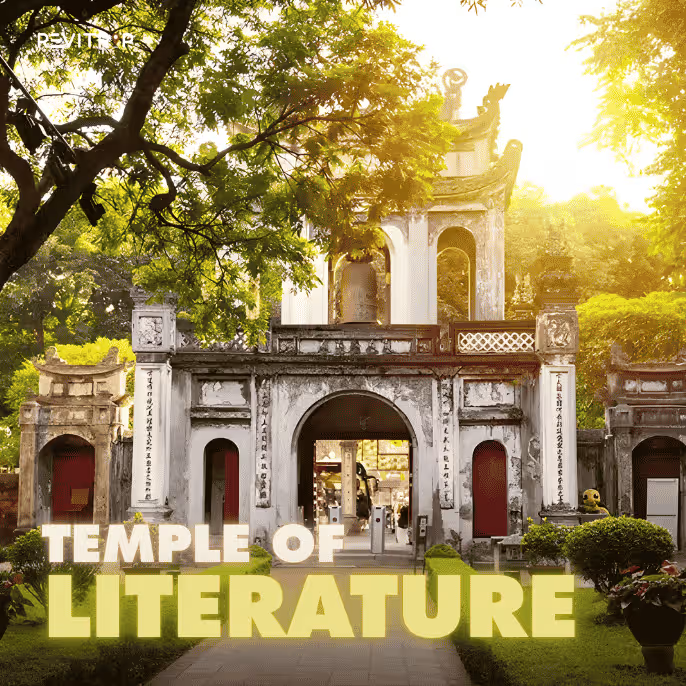
At the center of Hanoi’s cultural identity stands the Temple of Literature. This thousand-year-old temple complex served as Vietnam’s first university and remains one of the country’s most treasured cultural and historical landmarks. Every year, students visit before exams to pray for success, couples stroll beneath ancient trees, and travelers on Hanoi tours walk through its gates in quiet awe.
This guide covers everything you need to plan a rewarding visit. You will find details on the Temple of Literature Hanoi’s history, practical information on Temple of Literature Hanoi opening hours, the best time to visit, and tips for making it a highlight of your Hanoi itinerary. Whether you are planning a day trip or a longer stay, this historic site deserves a place at the top of your list.
Temple of Literature Hanoi History
Origins: Vietnam’s First University
The Temple of Literature dates back to 1070, when Emperor Ly Thanh Tong ordered its construction. He dedicated it to Confucius, the Chinese philosopher whose teachings on education, ethics, and social harmony deeply influenced Vietnamese society. Just six years later, in 1076, Emperor Ly Nhan Tong established the Quoc Tu Giam, the Imperial Academy, on the same grounds. This institution became Vietnam’s first national university and educated the country’s elite for nearly 700 years.
Originally, only members of the royal family attended the academy. However, the government gradually opened its doors to talented commoners. As a result, the Temple of Literature became a symbol of academic merit and national intellectual achievement. It trained generations of mandarins, scholars, and statesmen who went on to shape Vietnamese governance, culture, and philosophy.
The Stone Stelae and Stone Turtles
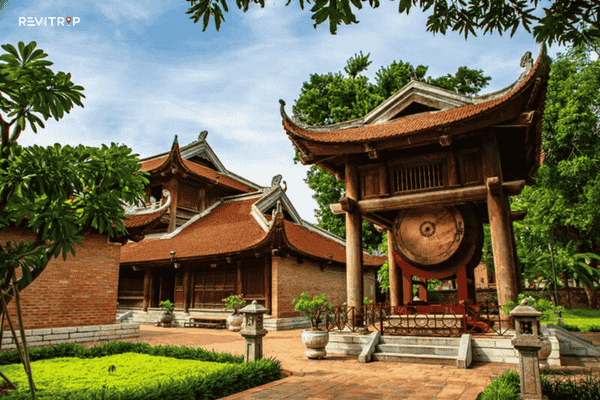
One of the most remarkable features of the temple complex is its collection of 82 stone stelae. Workers mounted these large stone tablets on the backs of stone turtles between 1484 and 1780. Each stele records the names, birthplaces, and academic achievements of scholars who passed the royal examinations during that period. In total, they document 1,307 graduates across 82 examination sessions.
Furthermore, UNESCO recognized these stelae as part of the Memory of the World Programme in 2010. Today, they are among the most important documentary heritage objects in Southeast Asia. Visitors routinely stop to photograph the stone turtle-mounted tablets, and local students touch them before exams, a tradition believed to bring good luck and academic success.
Later History and Preservation
During the French colonial period, the Temple of Literature continued to function as a center of Vietnamese cultural and historical identity. Later, during the Resistance War Against America, the complex suffered some damage from American bombing raids in 1972. Nevertheless, the Vietnamese government undertook extensive restoration efforts. Today, the temple stands as a beautifully preserved example of traditional Vietnamese architecture and remains an active historic site of deep national significance.
How to Explore the Temple Complex
The address of the temple is 58 Quoc Tu Giam, Ba Dinh District, Hanoi. The complex divides into five distinct courtyards, each offering something unique. Walking through them in order gives you a natural sense of progression, from the outer world into the sacred academic heart of the temple. Plan at least 90 minutes to explore the temple properly, and two hours if you want to take in every detail.
The Great Middle Gate and First Courtyards
You enter the complex through the Great Middle Gate, Van Mieu Mon, a large, ornate structure flanked by two smaller side gates. A sign above the entrance once instructed visitors to dismount their horses before entering, a reminder of the reverence this place commanded for centuries. The first courtyard beyond the gate is primarily a transitional space, open and leafy, lined with ancient trees that shade the pathways and create an immediate sense of calm.
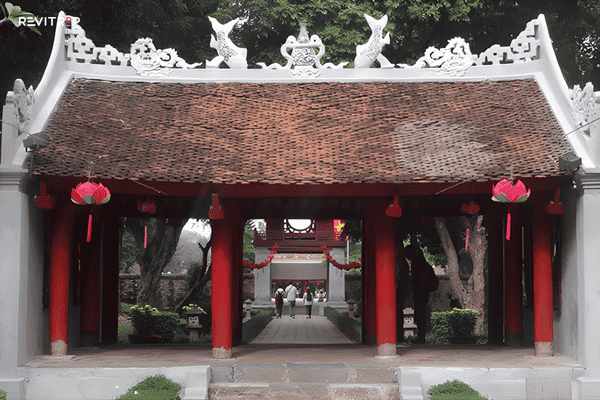
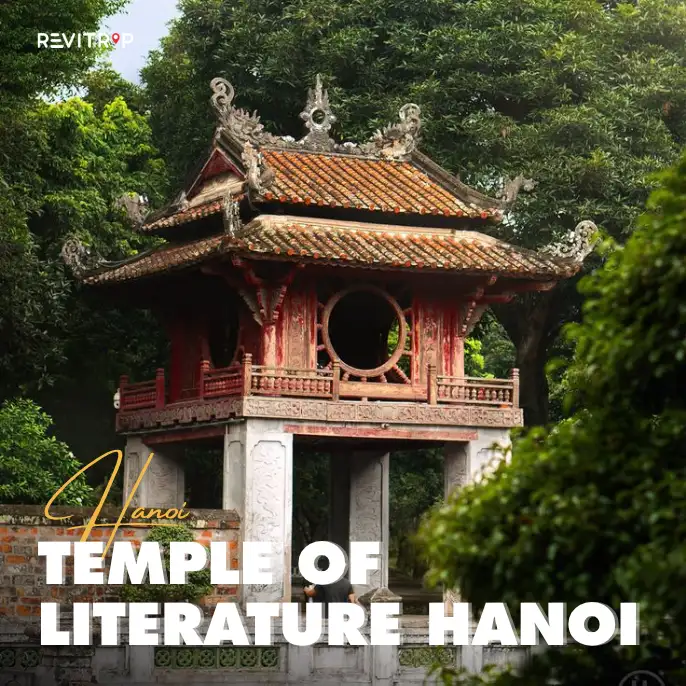
The second courtyard centers on the Khue Van Cac, or Constellation of Literature Pavilion. Builders constructed this elegant two-story wooden pavilion in 1805. Today, it serves as one of the most iconic symbols of Hanoi and even appears on the city’s official emblem. Its circular windows, designed to represent the stars of literature, frame a view of the courtyard pond behind it, one of the most photographed spots in the entire temple complex.
The Third Courtyard: The Stelae Garden
The third courtyard houses the famous stone stelae mounted on stone turtles. Two long, covered corridors line either side of a rectangular pond called the Thien Quang Tinh, or Well of Heavenly Clarity. The stelae line these corridors in rows, each one telling the story of scholars who dedicated their lives to learning. Consequently, this courtyard carries a deeply contemplative atmosphere. Take your time here, it is one of the most historically dense spaces in all of Vietnam.
The Fourth Courtyard: The Main Sanctuary
The fourth courtyard contains the main sanctuary buildings. The House of Ceremonies and the House of Confucius sit here, facing each other across the courtyard. Inside the House of Confucius, you will find a statue of the philosopher alongside statues of his four most celebrated disciples. The architecture in the fourth courtyard is particularly striking, dark lacquered wood, red and gold decorative details, and sweeping tiled rooftops all create a visually rich environment that rewards slow, attentive exploration.
The Fifth Courtyard: The Imperial Academy
The fifth and final courtyard marks the original site of the Quoc Tu Giam, the Imperial Academy itself. French colonial authorities demolished the original buildings. However, Vietnam reconstructed them in 2000 to restore the courtyard to something close to its historical appearance. Today, this section houses a small museum displaying artifacts related to the academy’s history, including examination papers, scholarly robes, and ceremonial objects.
Temple of Literature Hanoi Opening Hours
Before you visit, note the following Temple of Literature Hanoi opening hours. The temple complex is open every day of the week, which makes it easier to fit into flexible Hanoi tour schedules.
- April to October (Summer Hours): Open daily: 8:00 AM – 6:00 PM
- November to March (Winter Hours): Open daily: 8:00 AM – 5:00 PM
The ticket office typically closes 30 minutes before the complex itself closes. Therefore, plan to arrive at least an hour before closing time to explore the temple comfortably without rushing. Note that on busy weekends, staff occasionally manage entry flows near the Great Middle Gate, so arriving early helps you avoid bottlenecks.
Entrance Fee
The entrance fee is modest and represents excellent value for such a significant cultural and historical site. Adults pay approximately 45,000 VND (around $2 USD). Children under 15 enter for free. Many Hanoi tours include the entrance fee in their bundled pricing, so check with your tour operator before purchasing tickets independently at the gate.
Best Time to Visit Temple of Literature
By Season
The best time to visit the Temple of Literature depends largely on what kind of experience you want. Generally, the months from October to April offer the most comfortable visiting conditions. During this period, Hanoi’s weather is cooler and drier, and the ancient trees throughout the complex take on a particularly beautiful quality in the softer light. You will avoid the intense heat and humidity that settles over the city from May to August.
Additionally, the spring months of February and March bring a particularly atmospheric experience. Flower sellers line the streets near the 58 Quoc Tu Giam entrance, and the surrounding trees bloom with color. In contrast, visiting during summer means dealing with high temperatures and occasional heavy rain. If you do visit in summer, arrive as close to the 8:00 AM opening hours as possible to beat the midday heat.
By Time of Day
Mornings are generally the best time to visit. The complex is quieter, the light is softer, and the courtyards feel more peaceful. By late morning, school groups and tour buses begin arriving. As a result, the stelae garden and fourth courtyard can become quite crowded between 10:00 AM and 1:00 PM. Arriving at opening time gives you roughly two hours of relatively undisturbed exploration.
Late afternoon is also worth considering. Crowds thin out noticeably after 3:00 PM, and the golden evening light creates beautiful conditions for photography, particularly around the Khue Van Cac pavilion and the stone turtle garden. However, keep the closing time firmly in mind, especially during winter months when the complex closes at 5:00 PM.
Special Occasions
The Temple of Literature becomes especially lively around Tet, the Vietnamese Lunar New Year, typically falling in late January or early February. During this period, students flock to touch the stone turtles and pray at the stone stelae before their university entrance exams. The atmosphere is vibrant and uniquely Vietnamese. On the other hand, expect significantly larger crowds than usual. If you prefer a quieter visit, plan to come at least a week before or after Tet.
Combining the Temple with Other Cultural Landmarks
The Temple of Literature sits in the Ba Dinh district, roughly two kilometers from the Old Quarter. It pairs naturally with several nearby cultural landmarks. Most organized Hanoi tours combine a morning visit to the Ba Dinh district, which includes the Ho Chi Minh Mausoleum and the One Pillar Pagoda, with an afternoon stop at the Temple of Literature before heading to the Old Quarter for dinner.
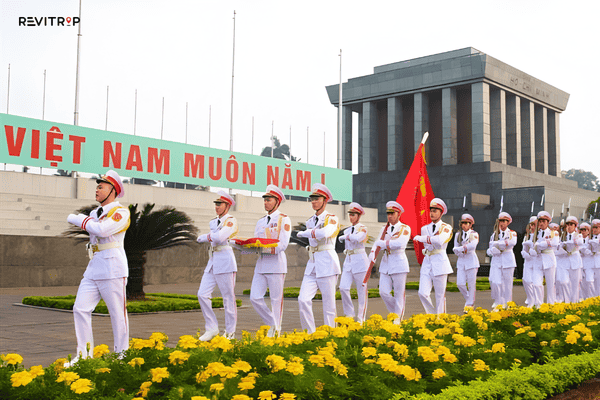
The Ho Chi Minh Mausoleum, in particular, makes for an excellent morning companion to an afternoon at the temple. Both sites sit within the same district, and together they offer a sweeping view of Vietnamese history, from ancient Confucian scholarship to 20th-century revolutionary politics. If you plan a day trip focused on Hanoi’s most important cultural and historical sites, pairing these two landmarks is the smartest way to spend your time.
If you prefer to explore the temple independently, it is easy to reach by taxi or Grab from anywhere in central Hanoi. The address, 58 Quoc Tu Giam, Ba Dinh, is widely recognized by drivers. Cyclo tours also pass through the area and offer a charming, unhurried way to move between cultural landmarks.
FAQ:
The Temple of Literature in Hanoi requires modest attire to show respect for the cultural and historical site, meaning visitors should cover their shoulders and knees, avoiding short skirts, shorts, tank tops, and revealing clothing, with hats removed inside worship areas. Opt for comfortable, discreet clothing like long pants or skirts and T-shirts or blouses for a smooth visit.
| Category | Ticket Price |
|---|---|
| Adults (General Admission Ticket) | VND 70,000 |
| Vietnamese Students (with valid student ID) | VND 35,000 |
| People with Disabilities, Seniors (over 60 years old, with ID or senior citizen card) | VND 35,000 |
| Children under 15 years old | Free |
Respect the site’s rules: Do not touch artifacts, write on walls, or damage the surroundings. Dress appropriately: As a site of great cultural and educational importance, visitors should wear modest clothing and avoid shorts or tank tops.