Is Vietnam safe for tourists visiting in 2025? This question tops the list for travelers planning trips to this stunning Southeast Asian destination. With breathtaking natural landscapes, unique culture, and budget-friendly experiences, Vietnam attracts millions of visitors annually, yet safety concerns persist.
This comprehensive guide answers “is Vietnam safe” by examining official safety statistics, crime rates, common scams, solo travel considerations, and practical tips. Whether you’re a budget backpacker, history enthusiast, or first-time visitor, understanding Vietnamese safety helps you plan confidently for an amazing journey through this incredible country.
Overall Vietnam Safety Assessment for 2025
Is Vietnam safe to visit in 2025? Yes, Vietnam ranks as one of Southeast Asia’s safest countries for tourists. Personal safety depends on which city you visit and which neighborhood you stay in, but overall conditions remain excellent for travelers.
Violence in streets is rare, and harassment, catcalling, or discrimination occur infrequently. Most visitors complete entire trips without experiencing serious safety incidents or feeling genuinely threatened throughout their journeys.
Tourists should primarily watch for scammers, pickpockets, and reckless drivers. Stay alert and track all your belongings carefully. Like any major city worldwide, lost items like wallets rarely get returned to owners.
Official Vietnam Safety Statistics and Rankings
Understanding whether is Vietnam safe requires examining data from multiple authoritative sources. The US Department of State assigns Vietnam a Level 1 Travel Advisory, meaning visitors should exercise normal precautions similar to traveling domestically.
The Global Peace Index ranks Vietnam 41 out of 163 countries, with number 1 representing the most peaceful nations. This places Vietnam in the upper-middle range for global safety and stability.
Numbeo statistics show Vietnam with a 40.65 crime index (where 120 means most crime) and a 59.35 safety score (where 120 means least safe). These moderate figures indicate reasonable safety for international travelers throughout the country.
Crime Patterns Affecting Tourists
Most crime occurring in Vietnam associates with corruption and bribery according to safety data. Luckily, this rarely affects tourists directly, though some visitors pay police bribes for illegal motorbike rentals.
Pickpocketing and robbery concerns increase around holidays and Tet (Lunar New Year) when crowds swell. However, risks of serious personal danger remain quite low throughout the year.
Vietnam maintains a courteous society where violent crime targeting tourists is uncommon. With basic street smarts and awareness, visitors catch scams quickly and avoid most problems during their travels.
Safety for Solo Female Travelers
Solo female travelers asking “is Vietnam safe” can rest assured the country welcomes women traveling independently. Vietnamese men tend to stare at foreign women, though not necessarily in predatory ways, but visitors definitely feel eyes watching them.
Solo women receive many questions about age and relationship status from locals. While these inquiries feel personal, they’re not meant harmfully—Vietnamese culture simply defaults to these topics like Americans ask “what do you do for work?”
Cat calling and harassment from locals remain rare experiences. Women can safely explore cities alone during day and night without significant concerns about personal safety throughout their journeys.
Navigating Cultural Attitudes
Vietnamese culture can express sexist attitudes toward women, particularly regarding marriage and age expectations. Single, unmarried women past 30 traveling alone often face judgment from locals making comments or asking pointed questions.
Northern Vietnamese drivers sometimes complain that women require money and houses before dating, expressing frustration about relationship expectations. These conversations reveal underlying patriarchal attitudes present in Vietnamese society.
As travelers who don’t speak the language, visitors must pick battles carefully. As long as personal safety isn’t at risk, accepting minor cultural differences represents practical wisdom for smooth travel experiences throughout Vietnam.
Nighttime Safety Considerations
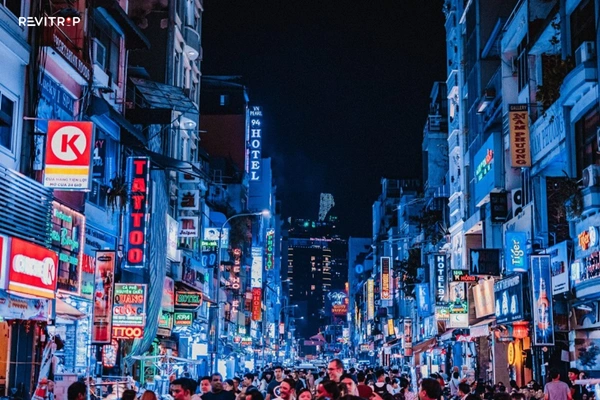
Vietnam remains safe at night across most areas when visitors wonder “is Vietnam safe” after dark. Hot daytime temperatures mean many people socialize only after sunset, creating vibrant evening street life.
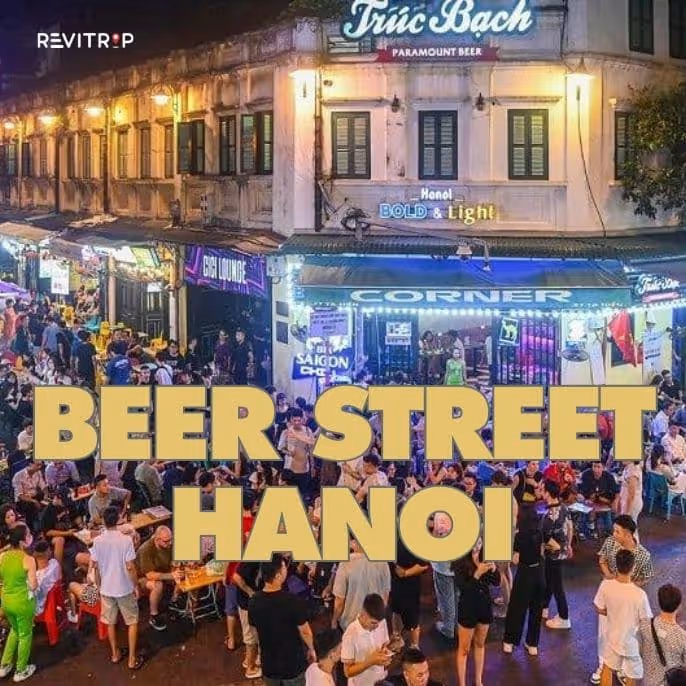
Large cities show plenty of vendors, tourists, and locals hanging out until 1 or 2 AM regularly. Hanoi’s Old Quarter remains active past 1 AM, while Ho Chi Minh City nightlife continues until 2 or 3 AM nightly.
Countryside nights are also safe, though areas may get quite dark depending on location. Solo travelers should venture out less at night in remote regions due to unfamiliarity and concerns about finding help if problems arise.
Nightlife Participation Tips
Watch personal belongings carefully in crowded nighttime areas where pickpockets operate. Never leave drinks unattended at bars or clubs to avoid potential drugging incidents.
Be wary of cheap alcohol throughout Vietnam, as methanol poisoning from fake booze represents a serious problem across Southeast Asia. Stick to reputable establishments serving known brands for safer drinking experiences.
Stay away from red light districts to avoid problematic situations. Don’t participate in illegal activities like recreational drug use, which carries severe penalties including potential death sentences.
American Tourists and Historical Context
Many Americans wonder “is Vietnam safe” for US citizens given the countries’ complicated war history. Good news-Vietnamese people hold no anti-American sentiment; their dislike for Chinese neighbors far outweighs any American hostilities.
Outliers exist as everyone holds different opinions, but generally Vietnamese people maintain surprisingly warm views of Americans despite historical conflicts. No discrimination occurs on personal levels toward American visitors traveling throughout the country.
Museums and governmental exhibits do present the American government as an imperialist machine, which reflects official perspectives. However, this political stance doesn’t translate to personal animosity toward individual American tourists visiting Vietnam.
Common Scams to Avoid
Taxi and cyclo scams top the list when examining whether is Vietnam safe from fraud. Drivers claim broken meters or take long routes charging excessive fares. Use reputable companies like Mai Linh Taxi and Vinasun, or ride-share apps like Grab.
Motorbike rental scams involve withholding passports as security deposits and demanding extra payment for returns, or charging for pre-existing damages. Opt for cash deposits and document bike conditions with photos before signing waivers.
Street vendor scams feature conical-hat-wearing fruit sellers inviting photos then demanding payment or forcing product purchases. Politely refuse offers and walk away quickly to avoid these situations entirely.
Currency and Transaction Scams
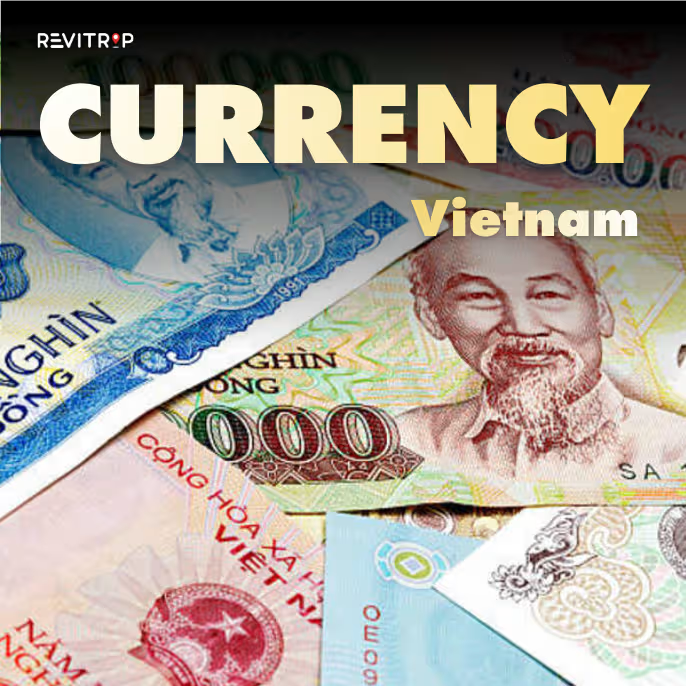
Currency swap scams exploit Vietnam’s many similar-looking bills. Vendors purposely swap larger bills for smaller ones making extra money from confused tourists. The blue 20,000 dong resembles the blue 200,000 dong bill, causing frequent mistakes.
Count change carefully after every transaction to catch these swaps immediately. Familiarize yourself with Vietnamese currency denominations during your first days to recognize differences quickly and avoid losses.
Donut scams involve street ladies offering tastes and loading bags full before customers agree to purchases. They charge exorbitant amounts-sometimes 200,000 dong ($8) for small bags of inedible donuts fried in cheap, old oil.
Technology and Communication Scams
SIM card scams sell cards claiming one carrier when actually another with worse coverage, or sell already-activated cards. Buy directly from legitimate telecom companies or authorized resellers, even at airports where scams occur frequently.
Bracelet scams involve friendly women making small talk and placing cheap bracelets on wrists. When victims try returning them, scammers insist they’re gifts, tell sob stories, then request tips or push additional sales.
These scams prey on kindness instincts. Simply say no firmly, return the bracelet immediately, and walk away quickly without engaging in extended conversations with persistent scammers.
Essential Safety Tips
Stay alert as a pedestrian since Vietnam traffic seemingly goes in all directions simultaneously. Drivers try avoiding people but accidents happen regularly throughout cities and countryside areas requiring constant vigilance.
Don’t wear flashy jewelry or carry too much cash when exploring. Consider using fake wallets in case of corrupt police encounters or pickpocket incidents protecting your actual valuables.
Avoid photographing police or military personnel. Vietnam has changed significantly, but taking photos of police, military, or inside government buildings still causes serious trouble for foreigners violating these restrictions.
Document and Money Safety
Don’t carry passports around Vietnam – use phone photos of passport pages and visas instead. This basic travel tip prevents losing crucial documents to theft or accidental loss during daily activities.
Exercise basic street smarts throughout your journey. Don’t take or accept illegal recreational drugs. Don’t leave drinks unattended. Avoid outdoor ATMs when possible. All common knowledge but worth remembering when asking “is Vietnam safe.”
Invest in comprehensive travel insurance before departure. You never know when you’ll need coverage for medical emergencies, theft, trip cancellations, or other unexpected incidents during international travel.
Food Safety Considerations
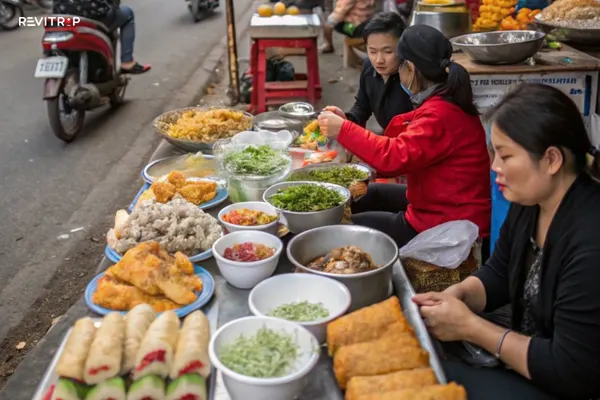
Vietnamese street food is safe to eat when visitors choose stalls frequented by many local Vietnamese people. High customer turnover indicates fresh preparation and quality ingredients at these popular locations.
Eat during regular meal hours and avoid street food potentially sitting out for long periods. For extra safety, stick to cooked vegetarian options as they’re less likely to carry foodborne pathogens than meat dishes.
Trust your instincts—if something looks or smells wrong, skip it and find another vendor. Vietnam offers countless delicious food options, so you needn’t risk illness eating questionable meals during your travels.
Water and Hygiene Safety
Tap water works fine for brushing teeth and washing dishes, but stick to bottled water for drinking. If you must drink tap water, it’s probably okay, but general recommendations suggest avoiding it when possible.
Water treatments may be inconsistent from city to city, and pipes running through buildings are probably quite old. These infrastructure issues create potential contamination risks making bottled water the safer choice for consumption.
Use antibacterial hand gel frequently to reduce stomach bug risks. This simple precaution prevents many common traveler illnesses caused by touching contaminated surfaces then eating without washing hands properly.
Insect and Disease Prevention
Vietnam has many insects like any Southeast Asian country. Most are harmless, but mosquitoes represent serious concerns carrying malaria and dengue fever, especially in rural areas requiring extra precautions.
Prevent serious illness by wearing DEET-based bug spray and long layers during sunrise and sunset when mosquitoes are most active. These simple measures dramatically reduce disease transmission risks throughout your journey.
Bring any necessary medications including asthma inhalers and allergy medicines. Air pollution in big cities like Hanoi and Ho Chi Minh City can trigger respiratory symptoms, with air quality indexes reaching 130 or higher regularly.
LGBTQ+ Traveler Safety
Vietnam is relatively accepting of queer travelers wondering “is Vietnam safe” for LGBTQ+ visitors. Both Hanoi and Ho Chi Minh City have booming LGBTQ+ scenes with welcoming venues and communities.
Gay marriage isn’t technically legal, but it’s also no longer illegal in Vietnam. The general attitude accepts queerness, especially among younger generations, as long as it’s not within immediate families where traditional views persist.
Many Vietnamese people remain afraid to come out due to internal judgment and stigma. However, tourists and visitors face no real threats to personal safety based on sexual orientation or gender identity throughout their travels.
Public Displays of Affection
Vietnam maintains a fairly conservative society where overt expressions of public displays of affection garner stares regardless of orientation. Making out in streets will attract attention from locals not accustomed to such displays.
This applies equally to heterosexual and same-sex couples-Vietnamese culture generally keeps romantic expressions private. Holding hands might raise eyebrows, though this is becoming more accepted in major cities among younger generations.
LGBTQ+ travelers should exercise same discretion as straight couples regarding public affection. Respecting local customs while being authentic to yourself creates the most comfortable travel experiences throughout Vietnam.
Pollution and Environmental Concerns
Pollution in Vietnam is notoriously bad, particularly in metropolitan areas. Hanoi and Ho Chi Minh City air quality indexes can reach 130, well above healthy levels for extended exposure.
Air pollutants trigger asthma and allergy symptoms, so bring inhalers and backup medications for respiratory conditions. Face masks help when traveling around metropolitan areas, preventing excessive smog inhalation during daily activities.
Consider spending less time in major cities if pollution sensitivity is a concern. Vietnam’s countryside and coastal areas generally offer much better air quality and more pleasant breathing conditions throughout your journey.
More of us
- Transportation in Vietnam: Best Ways to Get Around in 2025
- Vietnam Currency Guide: Everything Tourists Need to Know
- Where is Vietnam: Complete Guide to the S-Shaped Country
Book your trip now with Klook!
Conclusion
Is Vietnam safe for tourists in 2025? Absolutely yes-Vietnam ranks among Southeast Asia’s safest countries for international visitors. As long as you exercise common-sense precautions in cities, you’ll have wonderful experiences exploring limestone islands and eating delicious noodle soups.
Understanding “is Vietnam safe” involves recognizing that while petty scams exist, serious violent crime targeting tourists remains rare. Pickpockets operate in crowded areas, traffic can be chaotic, and some cultural attitudes may seem outdated, but these represent manageable challenges rather than serious dangers.
Start planning your Vietnamese adventure today with confidence in your safety. Exercise basic street smarts, respect local customs, avoid common scams, and invest in travel insurance. Vietnam’s breathtaking beauty, welcoming people, and incredible cuisine await your discovery. This stunning country offers unforgettable experiences for travelers who prepare properly and remain aware of their surroundings throughout their journeys!
FAQs
Yes, Vietnam is safe for female tourists traveling alone. Solo women rarely experience catcalling or harassment from locals and can safely explore cities during day and night. Vietnamese men tend to stare, though not in predatory ways. Women should expect many questions about age and relationship status, which is normal small talk in Vietnamese culture rather than harmful intent. Exercise basic precautions like watching belongings in crowded areas, avoiding dark isolated places late at night, and using reputable transportation like Grab. Overall, Vietnam ranks among Southeast Asia’s safest countries for solo female travelers.
Vietnam is largely safe at night for tourists. Because daytime heat is intense, many people socialize only after sunset, creating vibrant street life until 1-2 AM in cities. Hanoi’s Old Quarter remains active past 1 AM, while Ho Chi Minh City nightlife continues until 2-3 AM. Countryside nights are safe but can get quite dark. Watch for reckless drivers, pickpockets, and bag snatchers. Never leave drinks unattended, avoid cheap alcohol due to methanol poisoning risks, and use Grab if too intoxicated to walk safely home.
Yes, Vietnam is safe for American tourists despite complicated war history. Vietnamese people hold no anti-American sentiment; their dislike for Chinese neighbors far outweighs any American hostilities. While museums and government exhibits present critical views of American government imperialism, this doesn’t translate to personal discrimination against individual American visitors. The US Department of State assigns Vietnam a Level 1 Travel Advisory (exercise normal precautions). Americans face the same safety considerations as other tourists-watch for scams, pickpockets, and traffic hazards, but expect warm welcomes from Vietnamese people throughout the country.