The Ho Chi Minh Mausoleum stands at the heart of Ba Dinh Square. It is arguably the most historically significant site in all of Vietnam. Every year, hundreds of thousands of visitors, both Vietnamese nationals and international travelers, come here to pay their respects to Ho Chi Minh. He was the revolutionary leader who shaped modern Vietnam. Whether you plan Hanoi tours for the first time or return to explore the city more deeply, this mausoleum will stay with you long after you leave.
This guide covers everything you need before your visit. You will find background history, practical details on Ho Chi Minh Mausoleum opening hours, information on Ho Chi Minh Mausoleum tickets, and tips to make the most of your time in the Ba Dinh district.
Who Was Ho Chi Minh?
Before you step onto the grounds, understanding the man behind the monument adds enormous depth to your visit. Ho Chi Minh (1890–1969), born Nguyen Sinh Cung, was a revolutionary leader and statesman. He founded the Democratic Republic of Vietnam and led the Viet Minh independence movement against French colonial rule. Furthermore, he became the central figure in the struggle for Vietnamese reunification during the Resistance War Against America (commonly known as the Vietnam War).
Many Vietnamese people revere him as “Uncle Ho.” His image appears on every Vietnamese dong banknote, and his portrait hangs in homes, schools, and government buildings across the country. Therefore, visiting his mausoleum helps you understand why Vietnam is the way it is today.
About the Ho Chi Minh Mausoleum
Architecture and Design
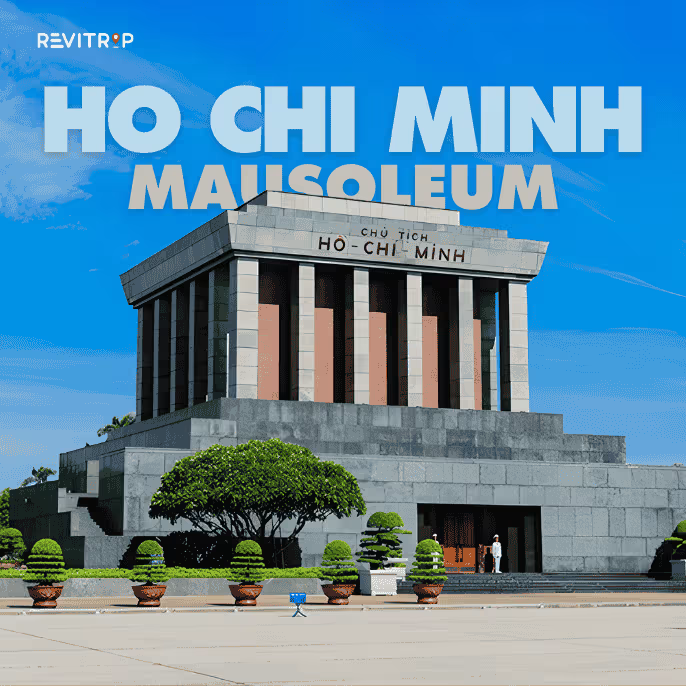
Workers completed the Ho Chi Minh Mausoleum in 1975, six years after Ho Chi Minh died in 1969. Builders gathered materials from across Vietnam to construct it in the Soviet architectural style. They used gray granite from the northern mountains, red stones from the central highlands, and other regional materials. As a result, the building consciously represents national unity.
The structure rises in three tiers. Bold letters spelling “Chủ Tịch Hồ Chí Minh”, President Ho Chi Minh, run across the facade. It sits prominently on Ba Dinh Square, the very place where Ho Chi Minh read the Declaration of Independence on September 2, 1945. Consequently, the mausoleum ranks among the most photographed landmarks in Hanoi, Vietnam.
What’s Inside?
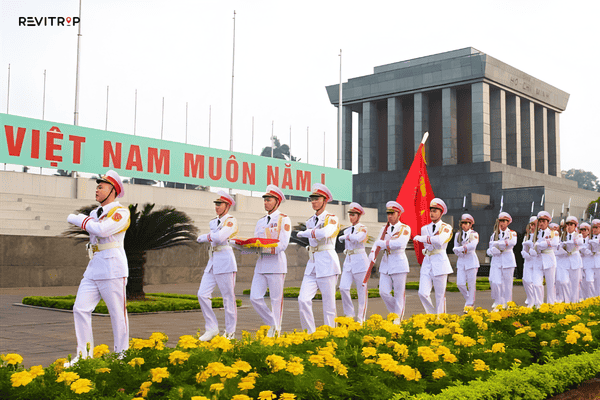
Inside, the mausoleum houses Ho Chi Minh’s embalmed body. A glass case within a climate-controlled chamber holds it. The room is dimly lit, silent, and deeply reverential. Visitors file slowly through in a single line, with military guards stationed at every corner. The walk through the interior lasts only a few minutes. Nevertheless, the atmosphere is profoundly moving.
It is worth noting that Ho Chi Minh reportedly wished for cremation. He wanted his ashes scattered across Vietnam. However, the Vietnamese government decided to preserve and display his body. They drew inspiration from the Soviet tradition of preserving revolutionary leaders. In fact, Russia’s Lenin Mausoleum served as both a model and a source of technical assistance for the preservation process.
Ho Chi Minh Mausoleum Opening Hours
Planning your visit around the correct schedule is essential. The mausoleum keeps strict and limited hours. Below is a general breakdown of Ho Chi Minh Mausoleum opening hours:
- Summer (April 15 – October 31): Tuesday to Thursday: 7:30 AM – 10:30 AM Saturday and Sunday: 7:30 AM – 11:00 AM
- Winter (November 1 – April 14): Tuesday to Thursday: 8:00 AM – 11:00 AM Saturday and Sunday: 8:00 AM – 11:30 AM
The mausoleum closes on Mondays and Fridays. It also closes during certain Vietnamese national holidays. In addition, it shuts for approximately two months each year, typically from early September to mid-November, while Russia carries out preservation procedures on the body. Always confirm the schedule before your visit, as hours can change.
Arriving early is strongly recommended. Lines form quickly, especially on weekends and public holidays. During peak tourist season, queues can stretch for well over an hour.
Ho Chi Minh Mausoleum Tickets
One of the most pleasant surprises is that Ho Chi Minh Mausoleum tickets are completely free. You pay no entrance fee to visit the mausoleum itself. Simply join the queue and follow the guided route through the complex.
However, some surrounding attractions within the Presidential Palace complex do carry small fees. These include:
- Ho Chi Minh’s Stilt House: A modest wooden house built on stilts where Ho Chi Minh lived and worked from 1958 to 1969. The entrance fee is minimal, and it is well worth adding to your itinerary.
- The Presidential Palace: This grand colonial-era yellow building is visible from the mausoleum grounds. You can view the exterior for free, but access to the interior is restricted.
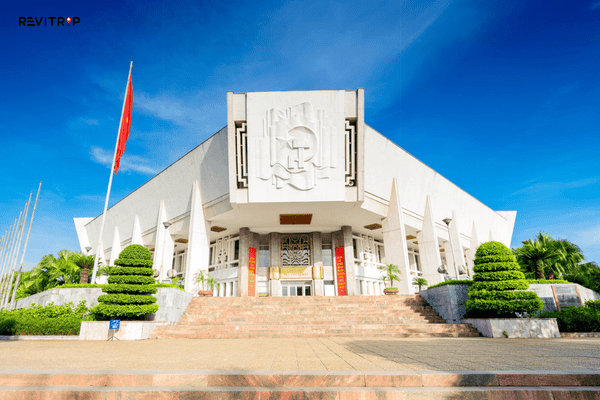
- Ho Chi Minh Museum: This museum sits just a short walk from the mausoleum. It offers a deep dive into Ho Chi Minh’s life, the Vietnamese revolutionary movement, and the country’s path to independence. A small admission fee applies.
If you book guided Hanoi tours through a travel agency, the entry costs and logistics are typically bundled into the tour price.
Dress Code and Rules of Conduct
The Ho Chi Minh Mausoleum carries immense national reverence. Military personnel strictly enforce the rules of conduct. Before visiting, keep the following in mind:
- Dress modestly. Cover your shoulders and knees. Do not wear sleeveless tops, short skirts, or shorts. If you arrive underdressed, staff may ask you to leave or offer a cloth wrap at the entrance.
- Store your camera and phone away. You may not take photographs inside the mausoleum chamber. Photography is fine in the surrounding gardens and square, but strictly forbidden inside the building.
- Stay silent. Do not talk or whisper loudly inside the chamber. Military guards will intervene immediately.
- Remove hats before entering. You must take off all headwear before you go inside the building.
- Walk in single file and keep moving. Do not stop, linger, or gesture toward the body. The procession moves continuously at all times.
- Check your bags at the security area near the entrance before entering the mausoleum complex.
These rules may feel strict to first-time visitors. However, they reflect the deep respect the Vietnamese people hold for their late leader.
Surrounding Attractions: Make a Day of It
The mausoleum sits within a larger cluster of historically rich sites. Together, they make the Ba Dinh district one of the most rewarding areas to explore on any Hanoi tour. After paying your respects, consider spending a few hours at these nearby landmarks:
One Pillar Pagoda
This iconic 11th-century Buddhist temple stands just a short walk from the mausoleum. Builders constructed it on a single stone pillar rising from a lotus pond. It is one of Vietnam’s most recognizable religious structures and offers a great photo opportunity.
Temple of Literature
A 15-minute walk or quick taxi ride takes you to the Temple of Literature. Vietnam founded this, its first national university, in 1070. Its tranquil courtyards, ancient stone steles, and traditional Vietnamese architecture make it a must-see stop.
Ho Chi Minh Museum
This museum is practically on the doorstep of the mausoleum. It provides crucial historical context for your visit. Even if you are short on time, spending an hour here is time well spent.
Ba Dinh Square
The vast open plaza in front of the mausoleum is itself historically significant. This is where Vietnam declared independence in 1945. Today, it remains the site of major national ceremonies and parades. Walking the square and taking in its full scale is a quietly powerful experience.
Tips for Including the Mausoleum in Your Hanoi Tours
For travelers building itineraries, here are practical notes to help you plan:
Go early in your trip. The mausoleum opens only in the mornings and only on certain days. Schedule it at the start of your Hanoi visit to avoid missing it due to timing conflicts.
Combine it with the Old Quarter. Many Hanoi tours pair a morning visit to the Ba Dinh district with an afternoon walking tour of Hanoi’s Old Quarter, located just a few kilometers east. The contrast between the solemn Ba Dinh area and the lively Old Quarter makes for a full and memorable day.
Book a guided tour for more context. While you can easily visit the mausoleum independently, a knowledgeable local guide adds historical and cultural depth. Numerous reputable operators offer half-day and full-day Hanoi tours. These typically include the mausoleum, the Ho Chi Minh Museum, the One Pillar Pagoda, and the Temple of Literature.
Consider the weather. October to April tends to be cooler and drier, making outdoor queuing more comfortable. Additionally, the summer months from May to August are hot and humid, so bring water and wear breathable fabrics.
FAQ:
Each year, the mausoleum closes for scheduled maintenance. On May 19, September 2, and the first day of the Lunar New Year, if these dates fall on a Monday or Friday, visits to the mausoleum are still organized.
The Ho Chi Minh Mausoleum is an architectural marvel that embodies both Soviet and Vietnamese influences. Constructed primarily from gray granite, the mausoleum stands 21.6 meters high and 41.2 meters wide, exuding solemnity and grandeur.
Ho Chi Minh Mausoleum is situated in the center of Ba Dinh Square. The precise address is 8 Hung Vuong, Ba Dinh Ward, Hanoi. For Vietnamese people, admission to the Mausoleum is free. For foreign visitors, the ticket price for entering the Mausoleum is VND25,000 (about $1)