What Is Pho Ga Cham?
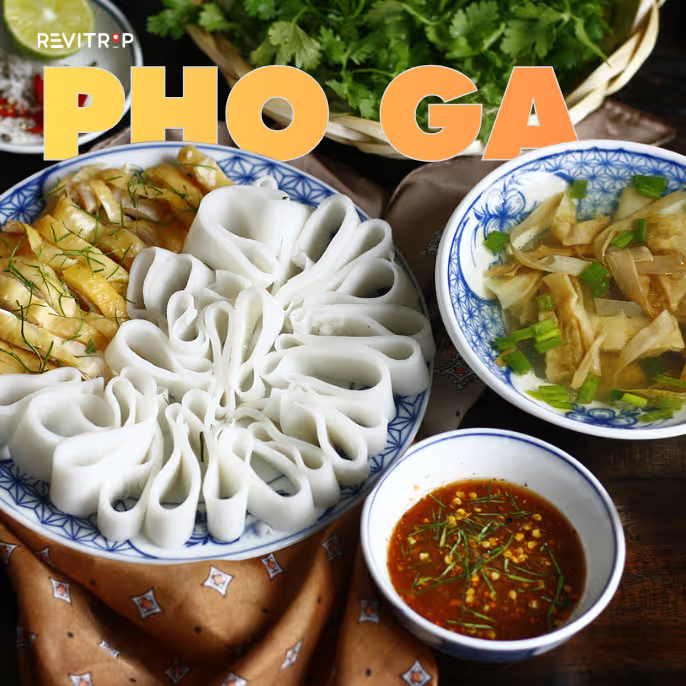
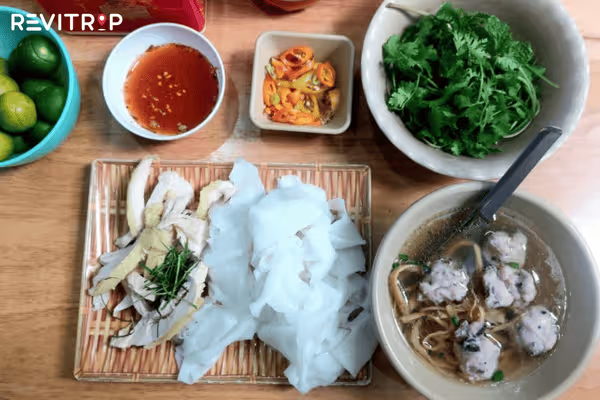
Pho ga cham is chicken pho served in a separated, dip-style format. Instead of one large, shared bowl with noodles and broth together, the shop brings each part separately. This lets you control each bite.
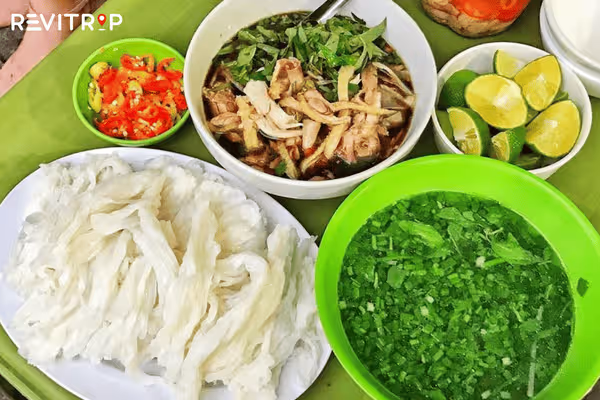
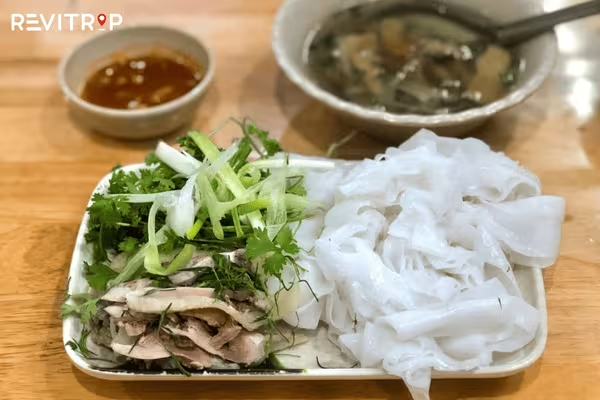
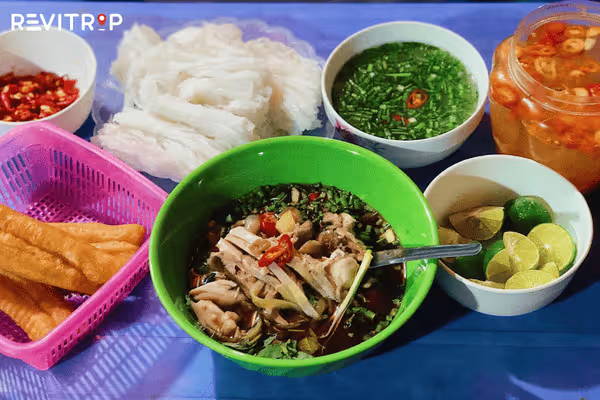
You usually get a bowl of fresh rice noodles. You also get a plate or bowl of poached chicken, often shredded or sliced. A small bowl of hot chicken broth comes too, meant for dipping.
Herbs, lime, and chili often come on the side. In Vietnamese, “chấm” means “to dip,” which is exactly what you do.
Some travelers call it “dry pho” because the noodles are not swimming in soup, but it is not completely dry. The broth is still part of the meal. People just use it differently, and that difference makes the whole point.
Why Pho Ga Cham Tastes Different From Regular Pho
Traditional pho is a one-bowl balance: noodles and broth together, each softening the other. Pho ga cham is more precise. The focus is on keeping textures distinct and flavors concentrated.
Because the broth is not carrying the full bowl, it is often more aromatic and slightly richer. It can taste a bit saltier than standard chicken pho broth.
You can quickly dip noodles and chicken to coat them. It shouldn’t lose its flavor even with lots of noodles in the soup. The noodles also stay firm and springy since they are not soaking. That texture alone gives people who “aren’t obsessed with soup pho” a big reason to suddenly love this version.
If you have tried pho in the United States, Canada, Australia, or Europe, you may know the big bowl. In Hanoi, pho ga cham feels faster and sharper. Still comforting, but more bite-by-bite satisfying.
The Core Ingredients That Make It Work
The broth: built for dipping
The dipping broth is the heart of pho ga cham. Shops often simmer chicken bones for hours with aromatics like ginger and shallot. Then they season it with fish sauce and sometimes mild Vietnamese spices. Because the broth is for dipping, the shop wants it to taste “complete” even in a small sip.
A good broth here is clean and savory, not greasy. It should smell warm and chicken-forward, with that roasted ginger aroma that makes you feel hungry before you even dip the first noodles.
The chicken: look for “gà ta” when possible
Many good places use gà ta, which is often described as free-range style chicken. The meat is firmer and naturally sweeter than industrial chicken. It also holds up well when dipped and eaten with noodles. Cooks usually poach the chicken gently, then shred it by hand or slice it, and sometimes top it with scallion oil for fragrance.
If you see two price tiers, one for regular chicken and one for gà ta, the gà ta option is often worth it. If you like a slightly chewy, real-chicken texture.
The noodles: fresh, not soggy
Pho ga cham is at its best with fresh pho noodles that are soft but still slightly elastic. The goal is noodles that bend without breaking and do not collapse into mush. When you dip them into hot broth, they should warm up instantly and keep their shape.
This is why the separated format matters. It protects the noodles’ texture and makes the whole dish feel “new” even if you have eaten pho many times before.
How to Eat Pho Ga Cham Like a Local
The best way to approach pho ga cham is to start simple, then adjust.
First, taste the broth as it arrives. Then add a little lime. In Hanoi, lime is not just “extra.”
It is part of the balance. Start with a small squeeze, stir, and taste again. If you like spice, add a slice of fresh chili or a bit of chili sauce, but do it gradually so you do not drown out the broth.
Then pick up a small bundle of noodles with chopsticks, add a bit of chicken, and dip quickly. You do not need to soak. A quick dip warms the noodles, coats them with broth, and keeps everything textured. You can add herbs on the side, but I recommend that you try a few bites without lots of herbs first so you can understand the base flavor.
When you finish the noodles and chicken, many locals sip the remaining broth like a light soup. That final sip is part of the meal. You often understand why they served the broth separately when you see it.
What Pho Ga Cham Should Taste Like (So You Know It’s a Good One)
A good pho ga cham should feel clean, fragrant, and focused.
The broth should not taste flat. It should have a clear chicken backbone, gentle sweetness, and a savory edge from seasoning.
The chicken should taste like chicken, not just “protein.” You want it tender but not watery. The noodles should stay springy throughout the meal, not turn gummy halfway through.
If you take a bite and everything tastes the same, the broth is probably too weak or the noodles sat too long. If you take a bite and the broth feels intense in a good way, you’re in the right place.
Where to Try Pho Ga Cham in Hanoi
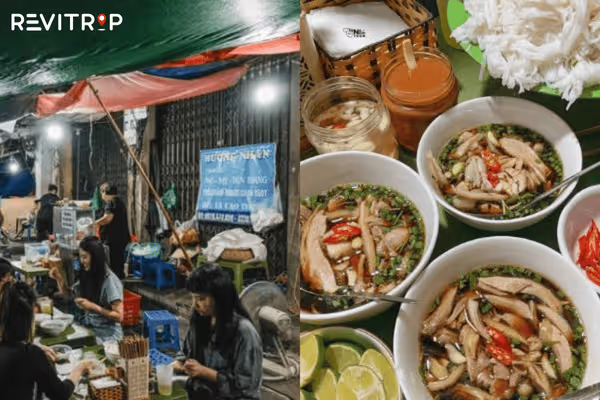
Pho ga cham is not as widespread as standard pho, so it helps to hunt for it intentionally. You’ll often find it in small, family-run shops. This is common in food-rich areas. Locals there eat breakfast and lunch fast.
Good areas to start:
- The Old Quarter, where small morning shops do fast turnover
- The Hoan Kiem Lake area, especially streets with breakfast crowds
- Local residential zones just outside the busiest tourist lanes, where shops rely on regulars
Instead of searching only “pho near me,” try searching or asking for the specific dish name. If you see signage that says “phở gà chấm”, that is your signal.
If you want a simple Vietnamese phrase to use, this works:
- “Cho mình phở gà chấm.” (I’d like pho ga cham.)
Many shops open early and close when they sell out, so if pho ga cham is on your list, treat it like a breakfast mission or an early lunch.
Pho Ga Cham vs Pho Ga: Which One Should You Choose?
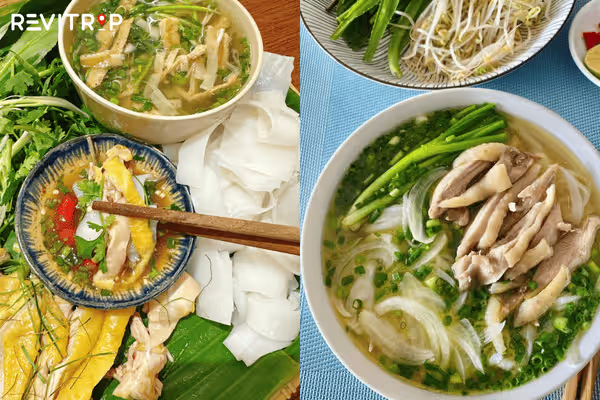
For the classic pho experience with a generous bowl of soup, pho ga is still a great choice. Comforting and familiar, especially if you are easing into Hanoi food.
Choose pho ga cham when you want a more local-feeling format, stronger bite-by-bite flavor, and noodles that stay springy. If you like interactive eating, it’s also great because you can adjust lime and spice as you go.
If you have time, do both. Classic pho ga one morning, pho ga cham another morning. Hanoi is the kind of city where breakfast repeats are not a waste, they are the point.
If you’re visiting Vietnam and want something that feels truly Hanoi, pho ga cham is a great choice. It’s simple and hits every note. It’s local, comforting, and easy to love even if you are not a hardcore pho person.
It also makes a great “second pho” experience. You try standard pho first, then you try pho ga cham, and suddenly you understand that pho is not just one dish. It is a whole family of variations, and Hanoi has its own favorite ways to do it.
Pho ga cham may not be the best-known dish outside Vietnam. But once you try it in Hanoi, it becomes a must-repeat for you.
FAQ
Many travelers call it dry pho because the dish comes with the noodles served separately, but the dish does not taste truly dry. You still get broth; the recipe makes it for dipping instead of soaking.
Yes, especially in small morning shops. It is less common than regular pho.
Still, the Old Quarter and Hoan Kiem area are good places to look for “phở gà chấm” signs.
“Chấm” means “to dip.” Pho ga cham is literally chicken pho that you dip into a hot broth.